Is City Of Rocks National Reserve worth your trip?
City of Rocks National Reserve, in south-central Idaho, presents a compelling case for the adventurous.
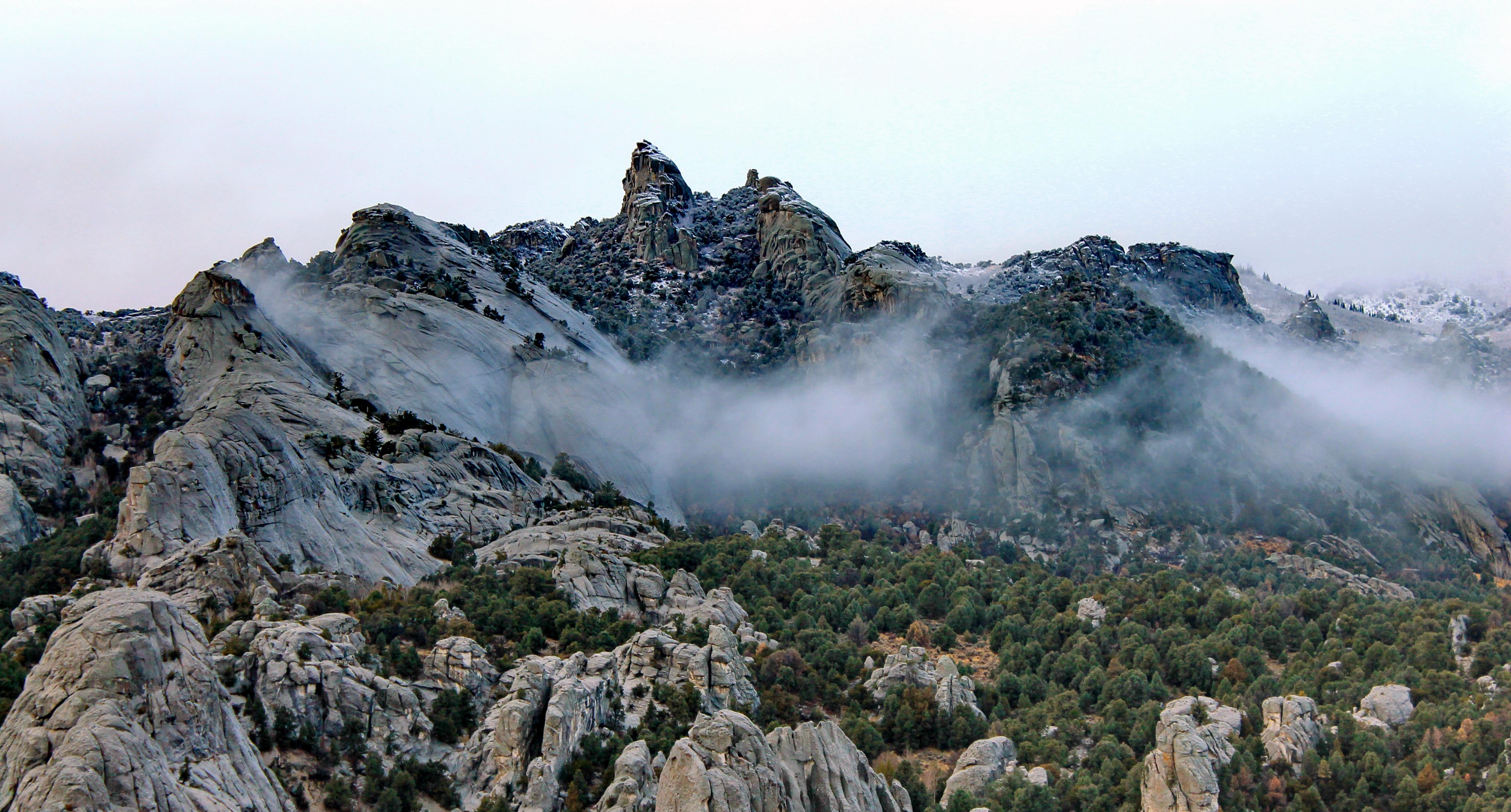
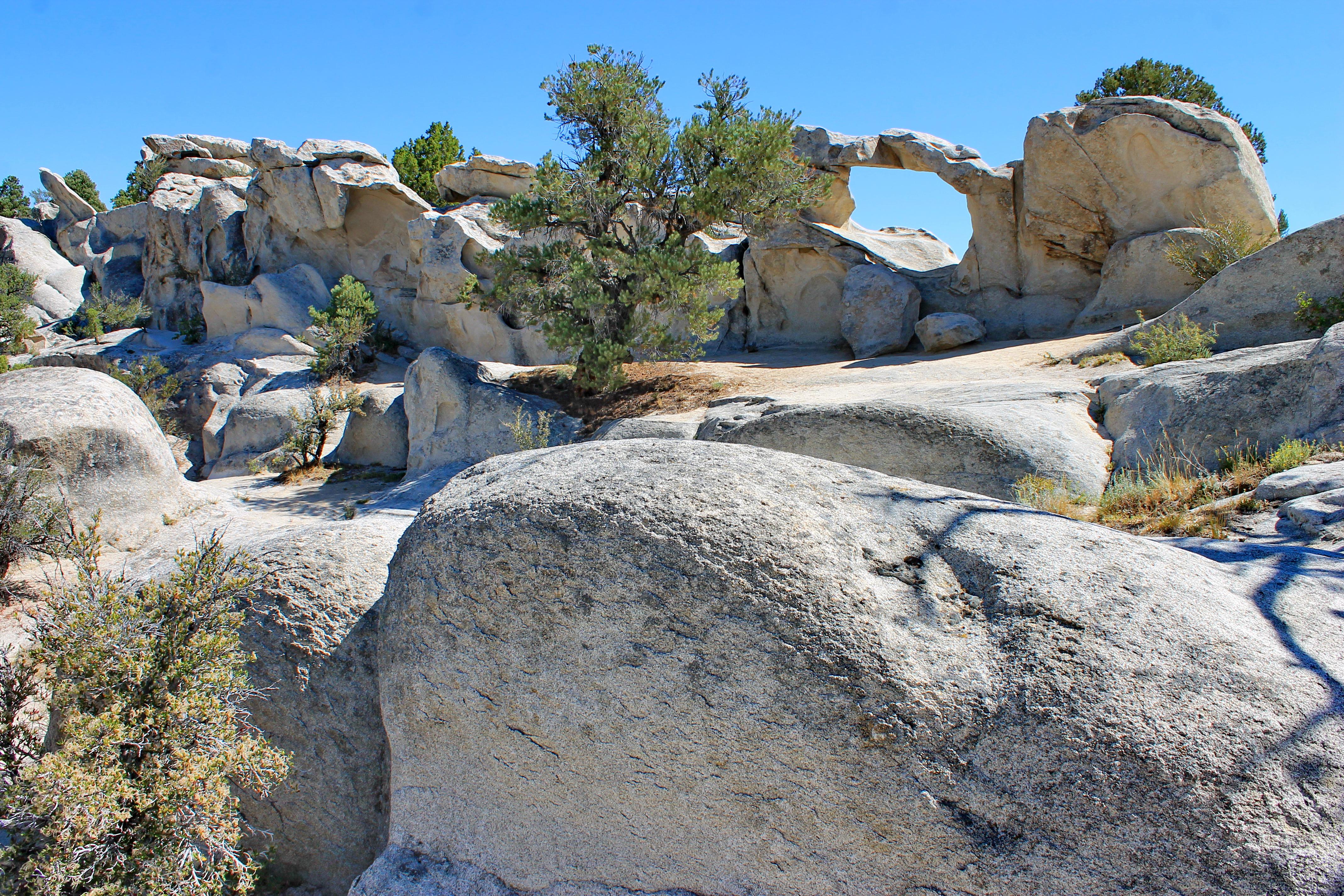
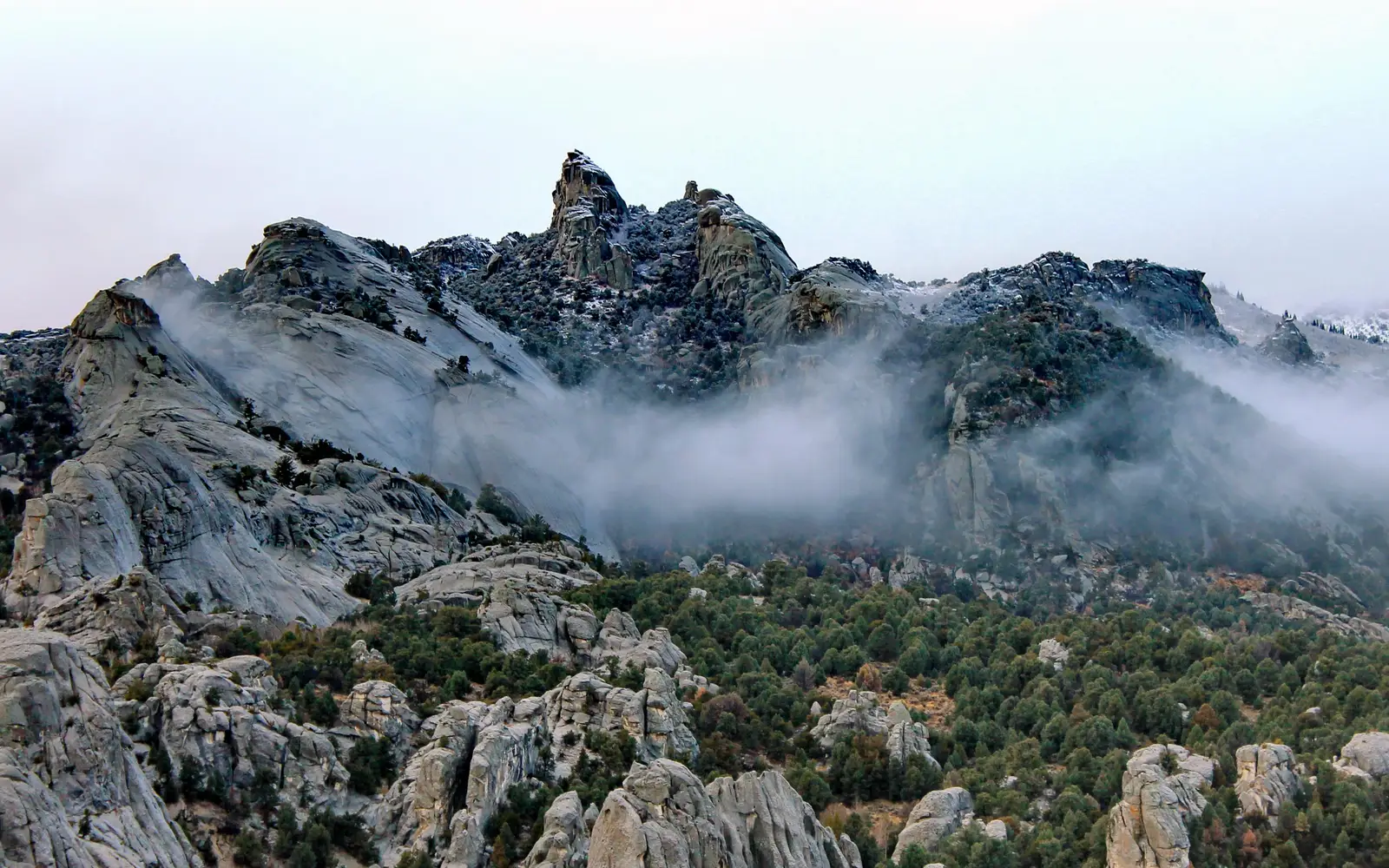
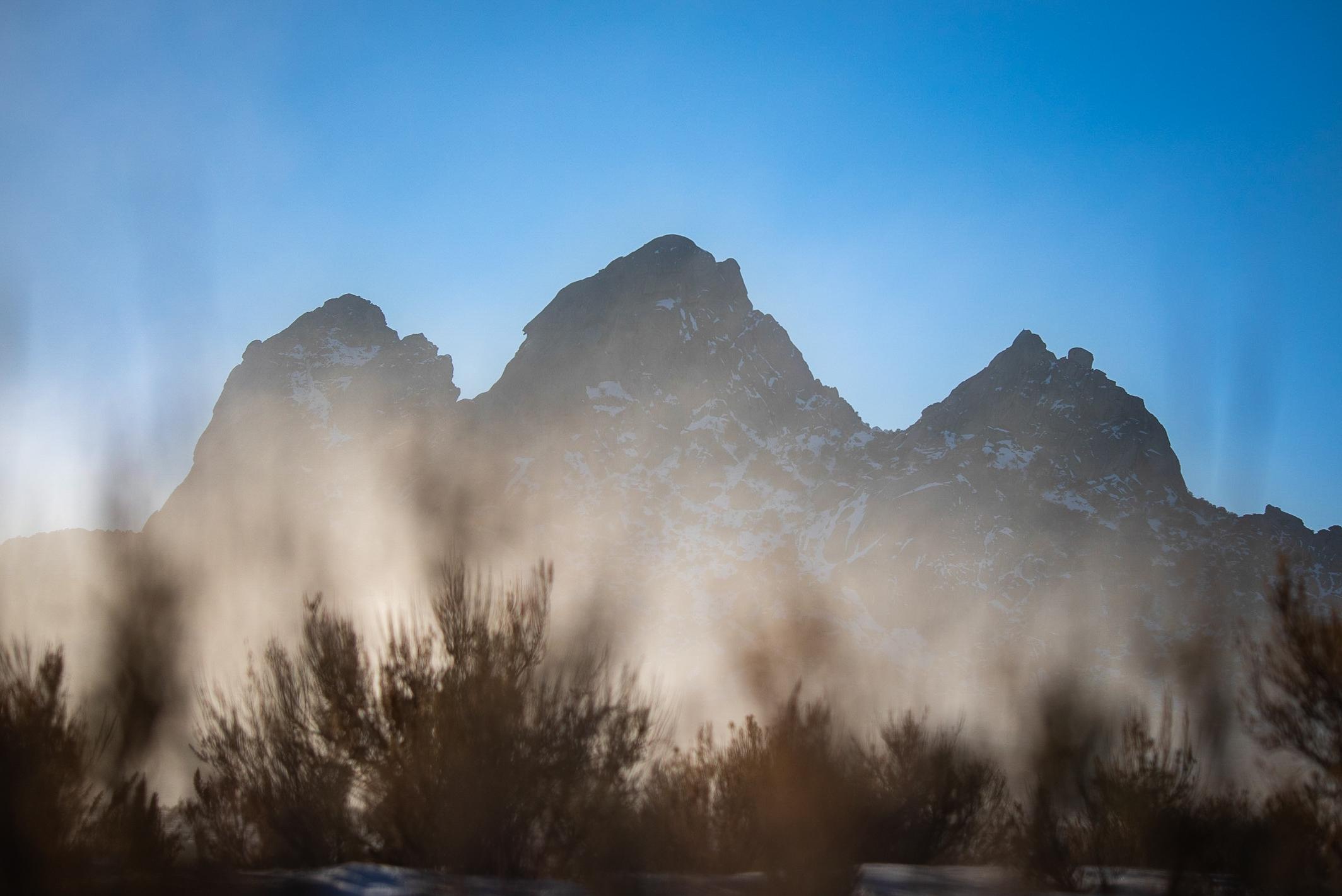
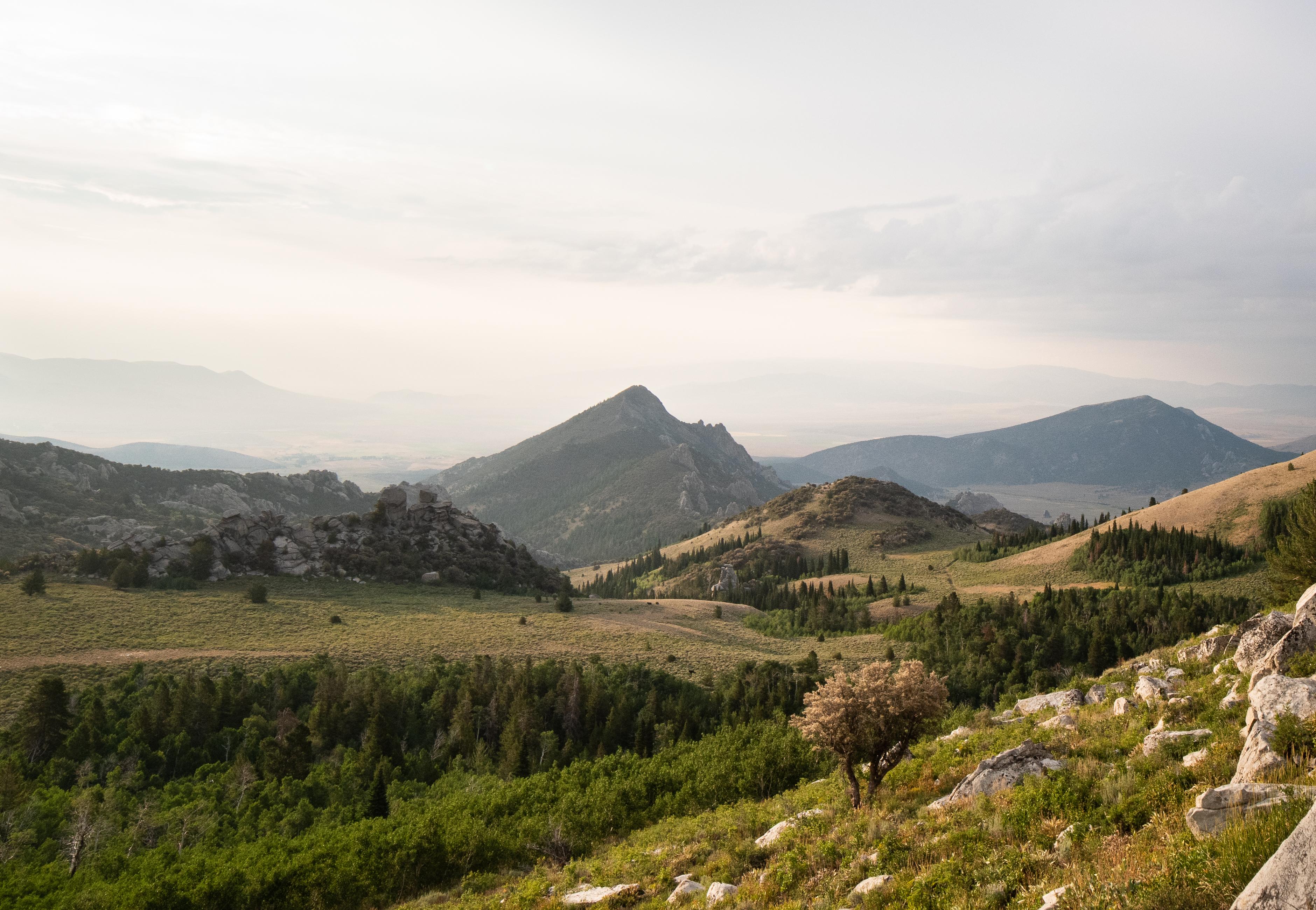
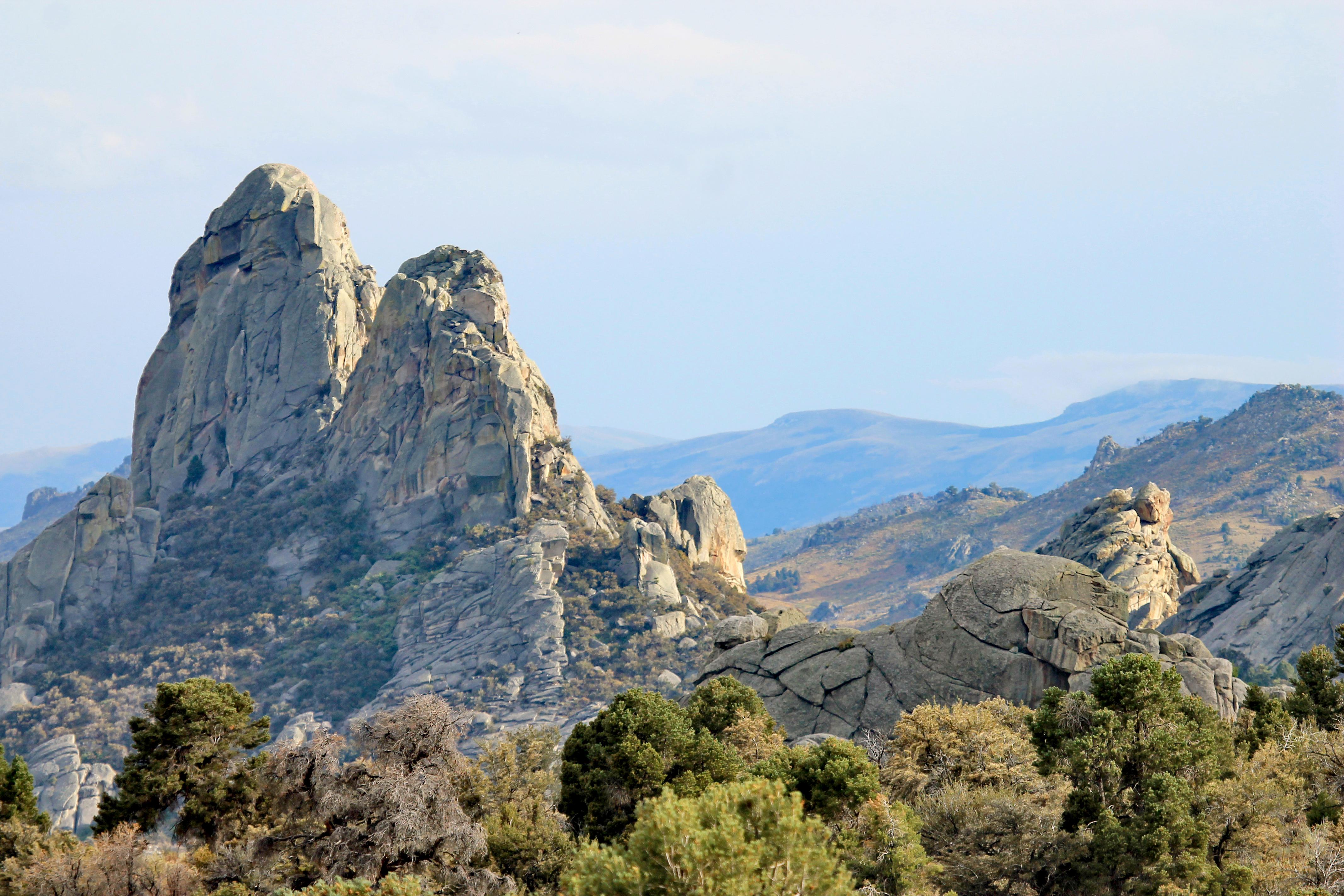
Its 100 Experience Score is a measure of genuine breadth, not mere promotional flourish. The reserve features an extraordinary collection of granite spires and monoliths, formations that captivated California Trail emigrants in the 1800s and now attract climbers nationally. Entry is free, and the reserve operates year-round. Documented activities range from world-class climbing and mountain biking to stargazing, winter sports, and horseback riding. This destination consistently over-delivers for those who accept its remote location. The scale is the draw here. Casual sightseers should look elsewhere.
Why go
City of Rocks National Reserve presents a compelling case for travelers seeking active engagement with a unique landscape. Climbers will find hundreds of routes across varied grades, establishing the reserve as a prime destination. The early morning hours offer the best granite access. Beyond climbing, visitors can hike among the granite spires or mountain bike the reserve roads. Birdwatching is a rewarding activity in this basin-and-range environment. For those seeking solitude, the park's remoteness ensures exceptional night skies. Stargazing accessible by car ranks among the best in the National Park System. Camping facilities range from backcountry sites to RV hookups. Winter transforms the reserve into a destination for cross-country skiing, snowshoeing, and snow play. The historical presence of the California Trail also adds significant context to the natural environment. This reserve offers diverse activities for the well-prepared visitor.
Best for
This reserve caters to active outdoor enthusiasts. Rock climbers, stargazers, campers, mountain bikers, and horseback riders will find ample engagement. Families with children seeking genuine outdoor experiences are well-suited here. However, visitors expecting paved interpretive loops, extensive visitor center amenities, or easily accessible roadside attractions will be disappointed. This destination rewards those prepared for overnight stays.
Best season
This reserve operates best from April through October; spring and early fall provide the most agreeable temperatures. Summer days warm considerably. Nights remain cool at elevation, which aids camping. Winter access is limited. Many roads close from late November through March. Always call ahead for conditions in the colder months. Stargazing is a year-round constant on clear, moonless nights.
The high points
- Hundreds of granite climbing routes ranging from beginner to expert, including documented ice climbing options in winter
- Exceptional dark-sky stargazing in a remote basin with minimal light pollution
- Full camping spectrum: backcountry, car camping, RV sites, horse camping, and group sites all available
- Mountain biking and scenic auto touring through the dramatic spire landscape
- Winter recreation including cross-country skiing, snowshoeing, and snowmobiling when conditions allow
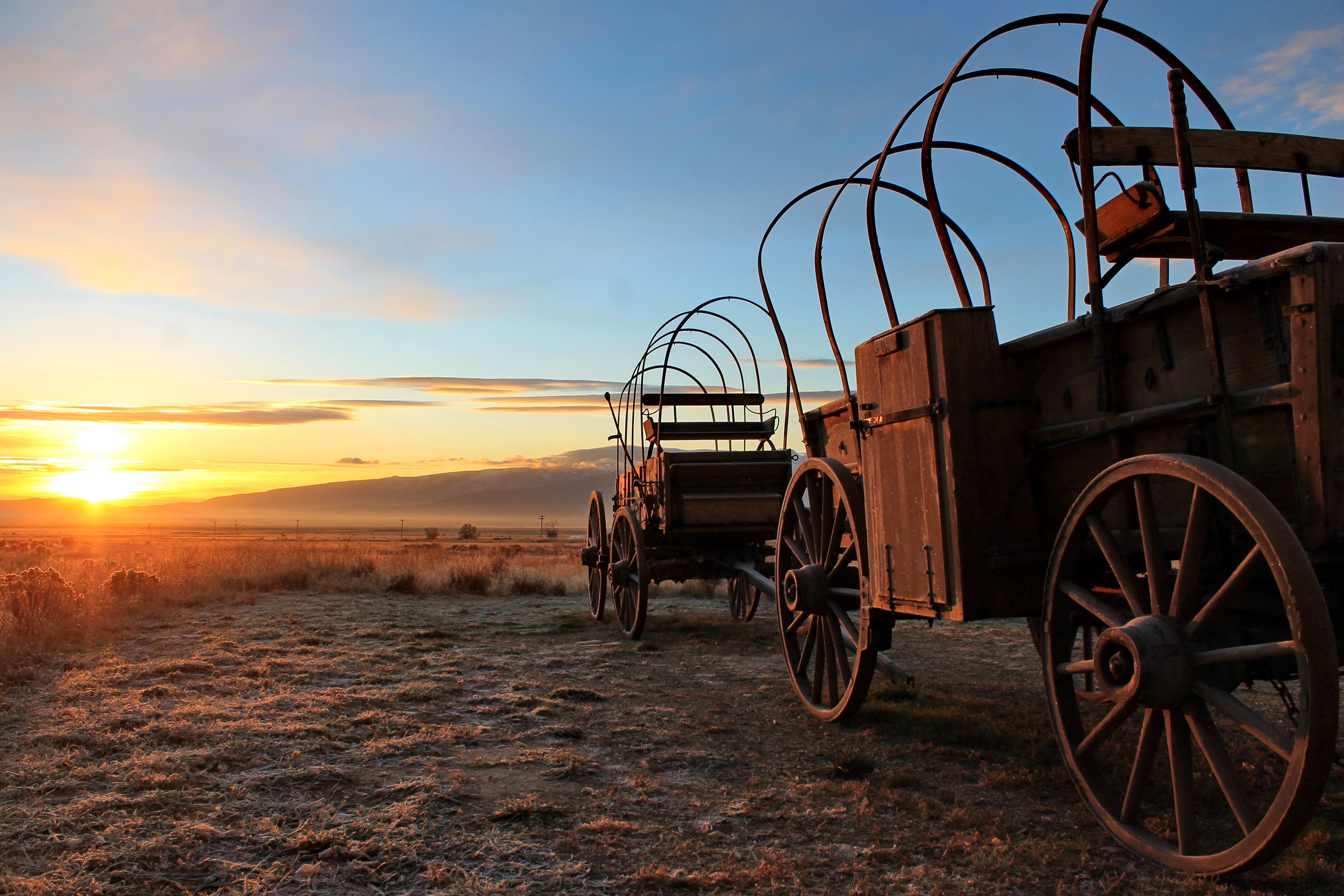
- California Trail emigrant history interpreted through living history and self-guided tours
Know before you go
Entrance is free. The reserve sits in a genuinely remote part of southern Idaho near Almo, so fuel up and stock supplies before arriving since services are extremely limited nearby. Many interior roads are unpaved and become impassable in winter, so check current road conditions through the NPS before any visit between November and March.
One more thingThe park delivers for specific interests. One day provides only a basic orientation to its spires. A second night, however, allows for optimal stargazing from established sightlines. For casual sightseers, a single visit may suffice, but dedicated climbers and astronomers should plan for a minimum two-night stay to fully engage with the landscape and its nocturnal offerings.