
Is Craters Of The Moon National Monument & Preserve worth your trip?
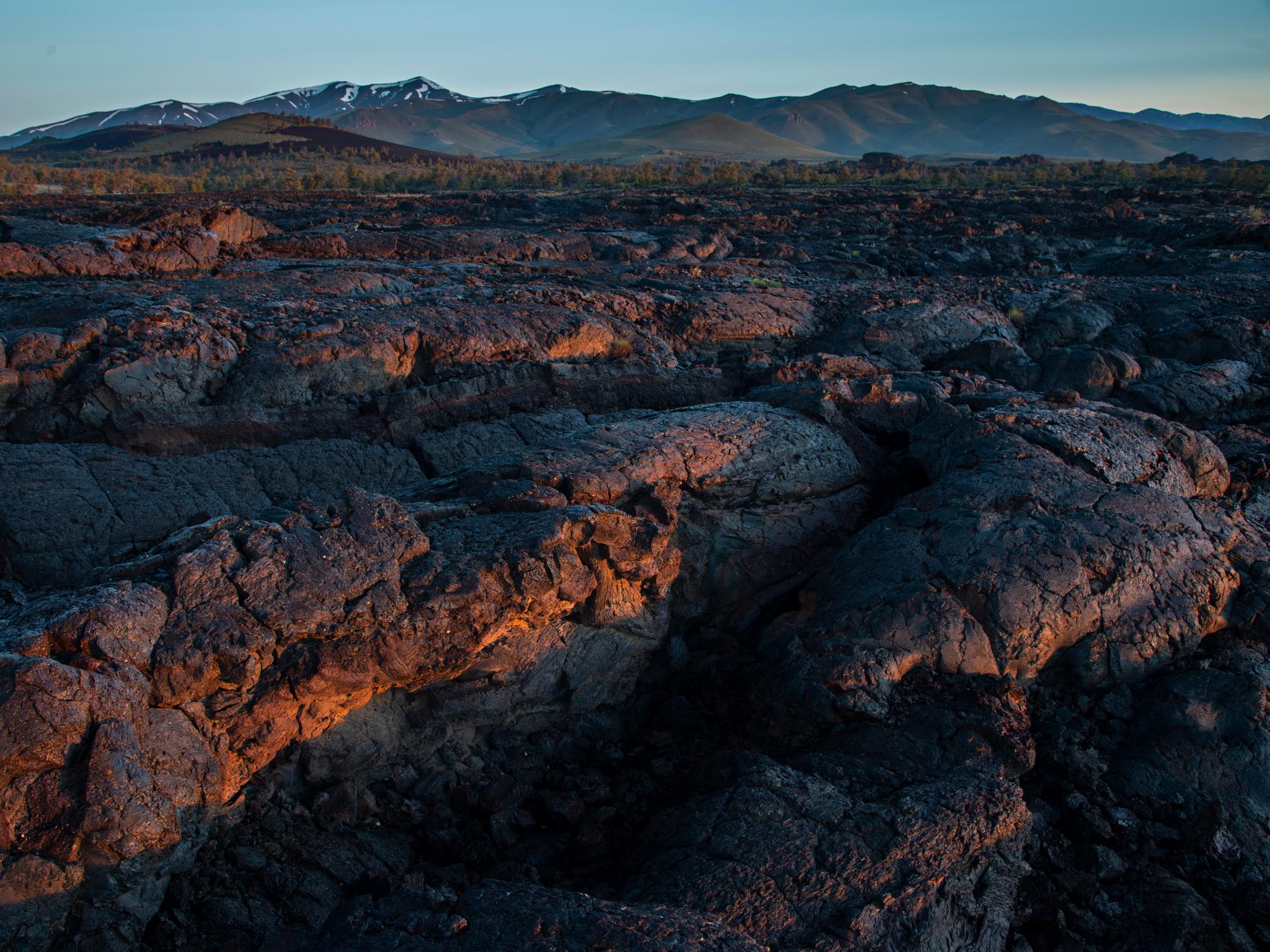
Craters of the Moon presents a genuinely alien landscape.
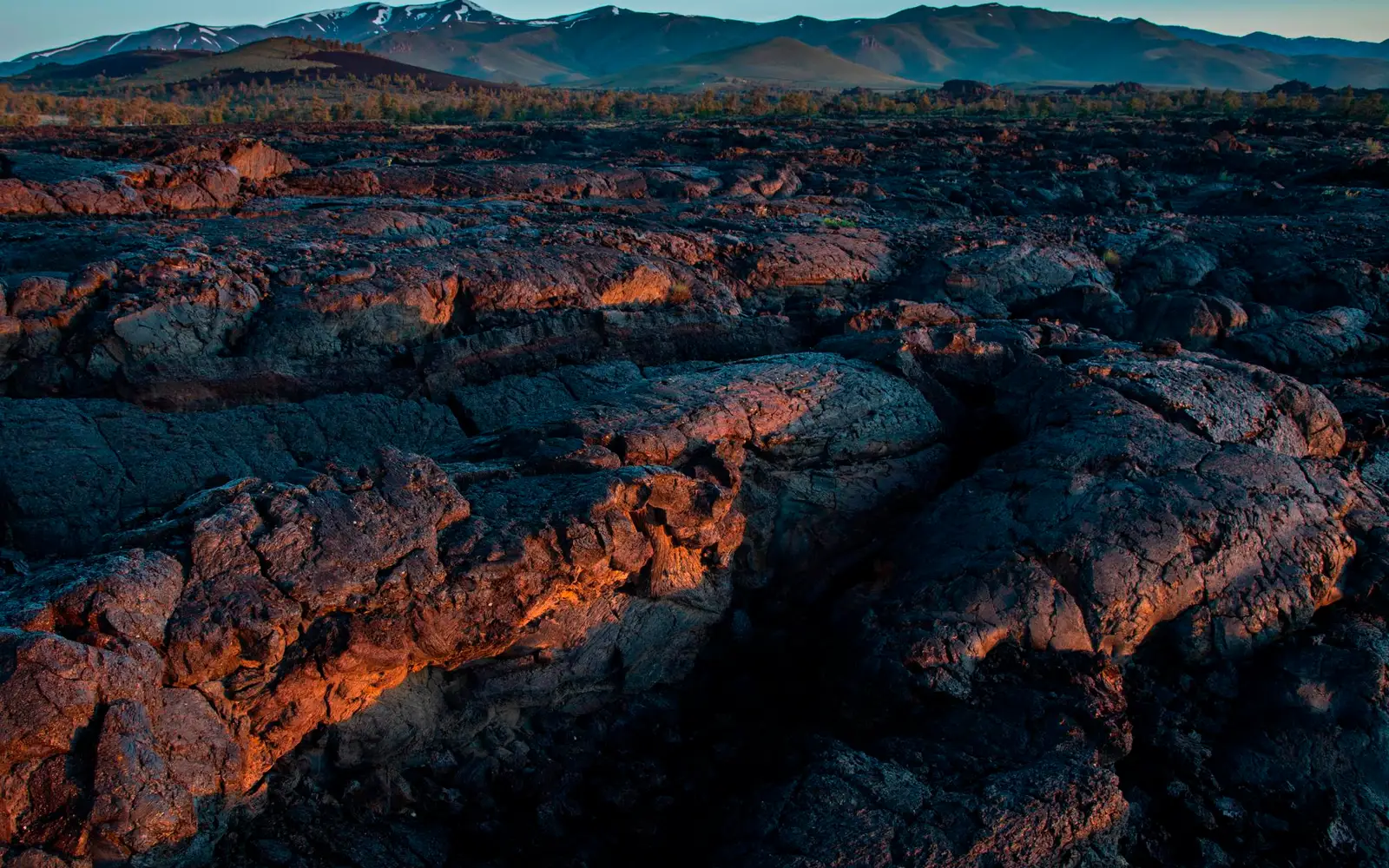
This sprawling volcanic field in southern Idaho, with its black lava flows, cinder cones, and lava tube caves, offers a dynamic geological experience. The park received an experience score of 100, reflecting its breadth of activities. Visitors can drive a scenic loop, descend into lava tube caves, and hike across hardened lava fields. The park also provides opportunities for camping under some of the darkest skies in the lower 48 states. Winter access for skis or snowshoes offers a distinct seasonal perspective. Entry to the park is free. While a scenic loop road exists, this is not a passive windshield park. The visitor's payoff scales directly with engagement. Geology enthusiasts, dark-sky chasers, and active families will find this unit uniquely compelling.
Why go
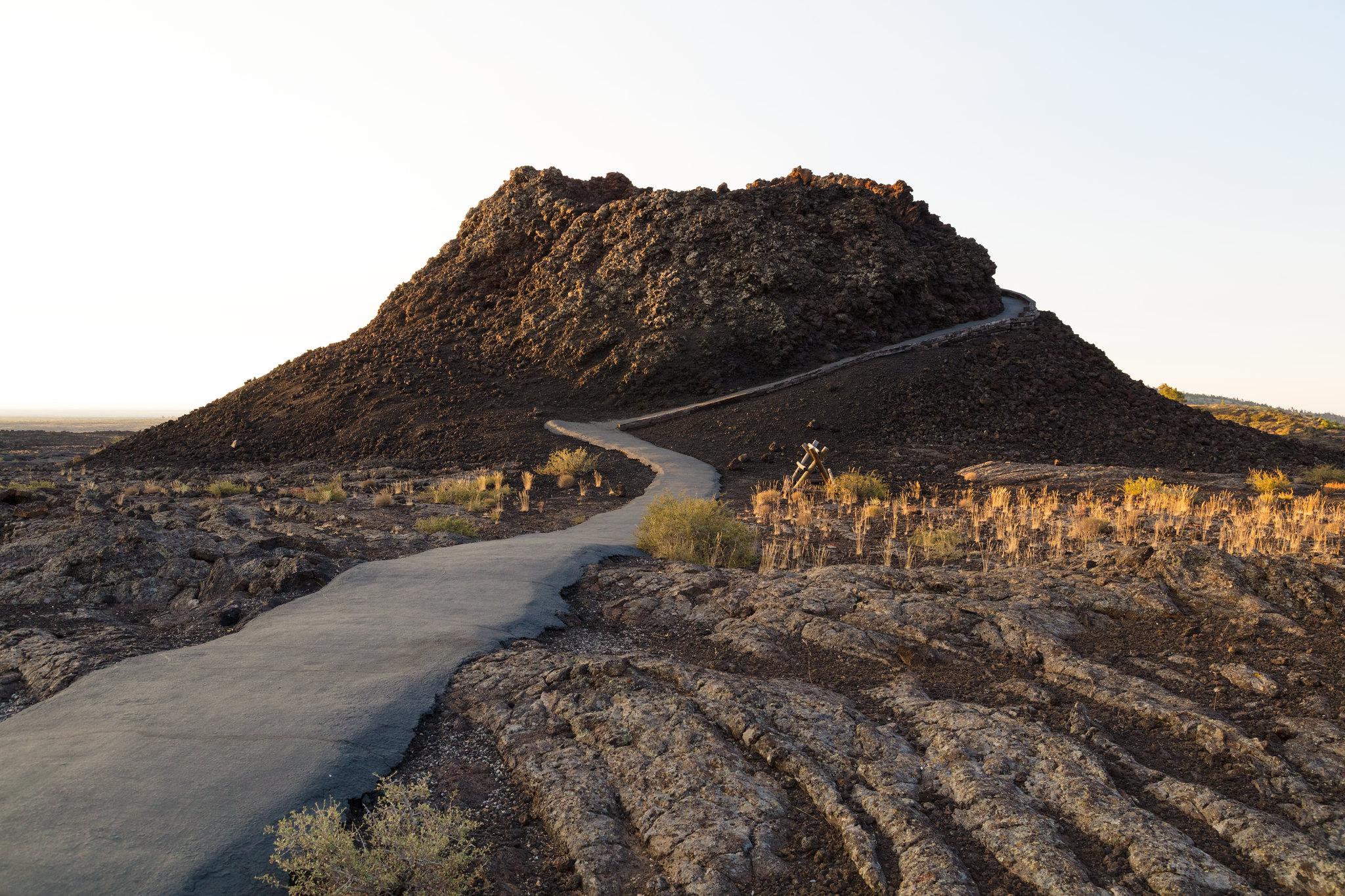
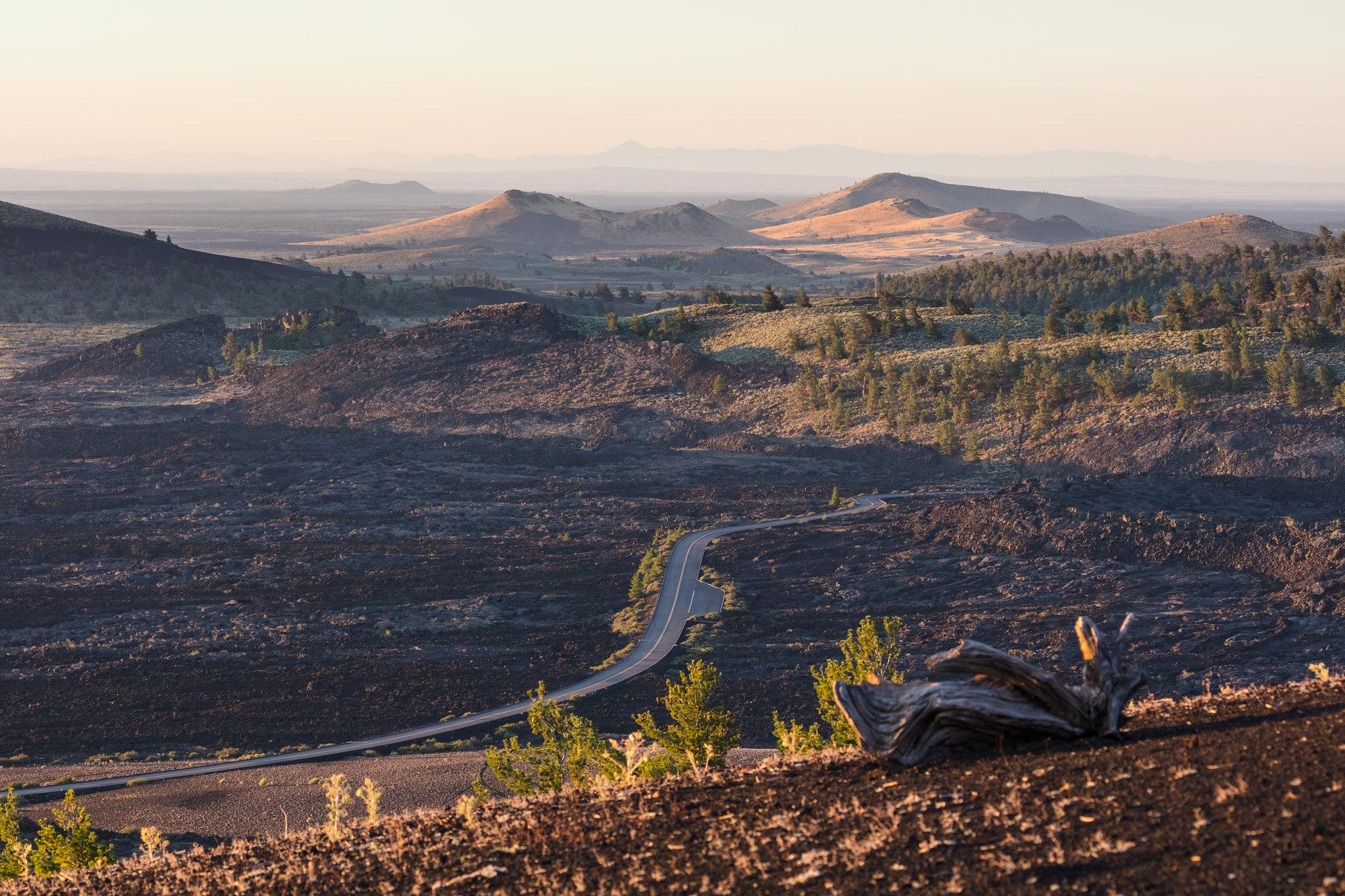
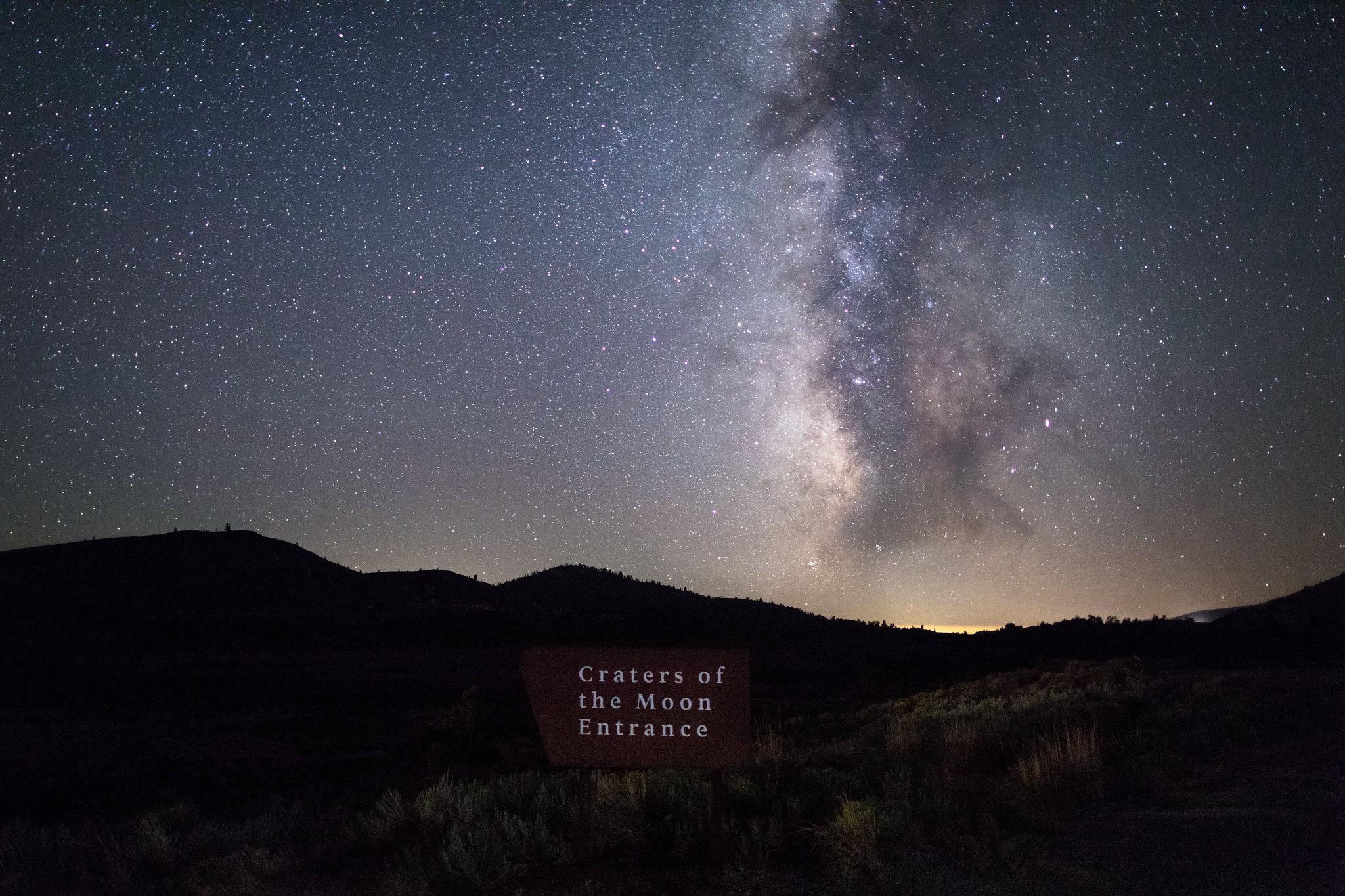
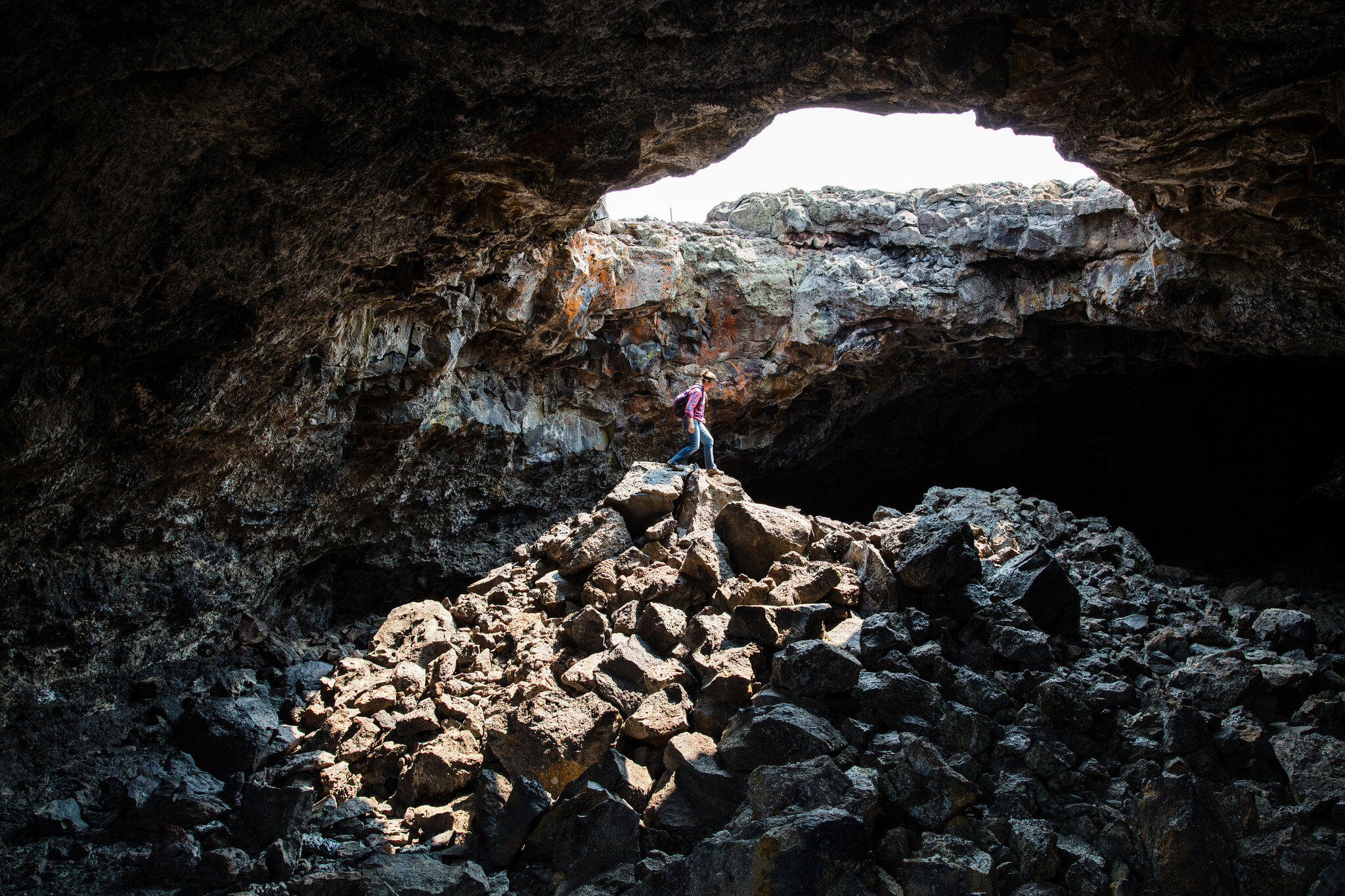
This park rewards active exploration. Drive the scenic Loop Road first to grasp the landscape's volcanic origins. Pullouts offer views of cinder cones and lava flows. For a true appreciation of its scale, however, you must leave your vehicle. Hiking across the lava surface provides an essential physical connection to this strange terrain. The lava tube caves are a highlight. Many visitors underestimate them. Bring a headlamp to explore chambers formed by ancient magma flows. The park's remote, high-desert location ensures minimal light pollution, making it an excellent stargazing destination after sunset. Overnight campers gain both the cave experience and an astronomical display. In winter, the park transforms. It becomes an uncrowded cross-country skiing and snowshoeing haven.
Best for
This unit caters to specific interests. Geology enthusiasts and dark-sky aficionados will find much to appreciate, as will families exploring caves and lava tubes. Winter offers uncrowded opportunities for snowshoeing or skiing. Those seeking lush landscapes, prominent water features, or abundant wildlife will likely be disappointed. The volcanic terrain defines the experience. Visitors should arrive with an appreciation for stark, singular beauty.
Best season
Optimal visitation periods center on spring and fall. The Loop Road operates from mid-April to late November; during these shoulder seasons, moderate temperatures facilitate comfortable hiking and caving. Summer offers prime stargazing and cave exploration, but midday hiking can be hazardous due to black lava surfaces reaching 170 degrees Fahrenheit. Winter road closures pivot the experience toward snowshoeing and cross-country skiing, offering solitude.
The high points
- Descending into lava tube caves formed by ancient volcanic flows
- Driving the Loop Road through a landscape of cinder cones and hardened lava fields
- Stargazing from camp under some of the darkest skies in the lower 48 states
- Hiking directly across lava terrain with views of the volcanic field
- Cross-country skiing and snowshoeing through the monument in winter
- Junior Ranger program that connects kids directly to the geology and cave features
Know before you go
Entry here is free, an uncommon distinction for a monument of this scope. The Loop Road generally opens from mid-April to late November. Summer visitors must carry ample water. Lava surface temperatures can surpass 170 degrees, and shade on the lava fields is virtually absent. For safe cave exploration, headlamps or flashlights are mandatory.
One more thingCraters of the Moon offers a distinct experience. Proper planning is essential for a rewarding visit. Prioritize cave exploration and hiking in the early morning. Later in the day, as temperatures cool, the open lava fields become more accessible. Staying into the evening for dark-sky astronomy completes the visit. This dual focus on cave geology and nocturnal stargazing defines the park's appeal.