Is Wupatki National Monument worth your trip?
Wupatki National Monument offers a concise and accessible archaeological experience.
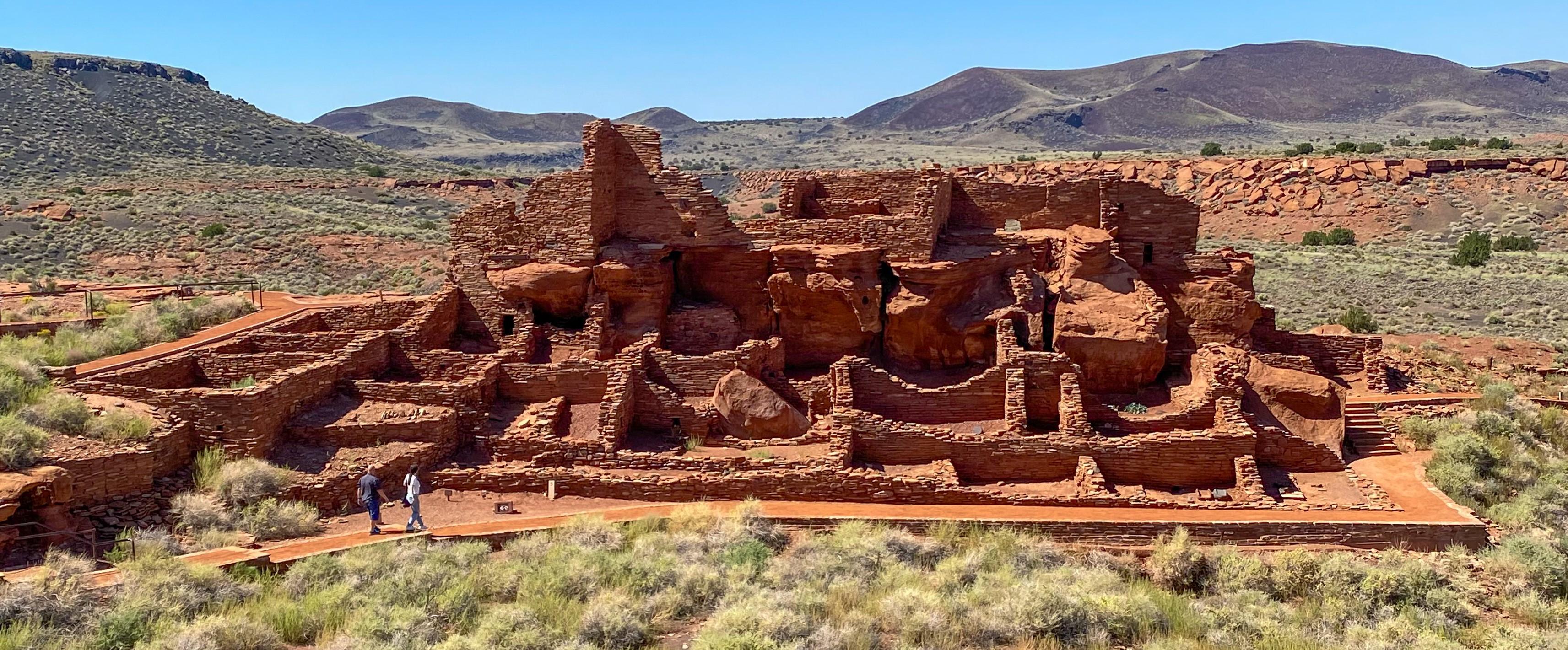
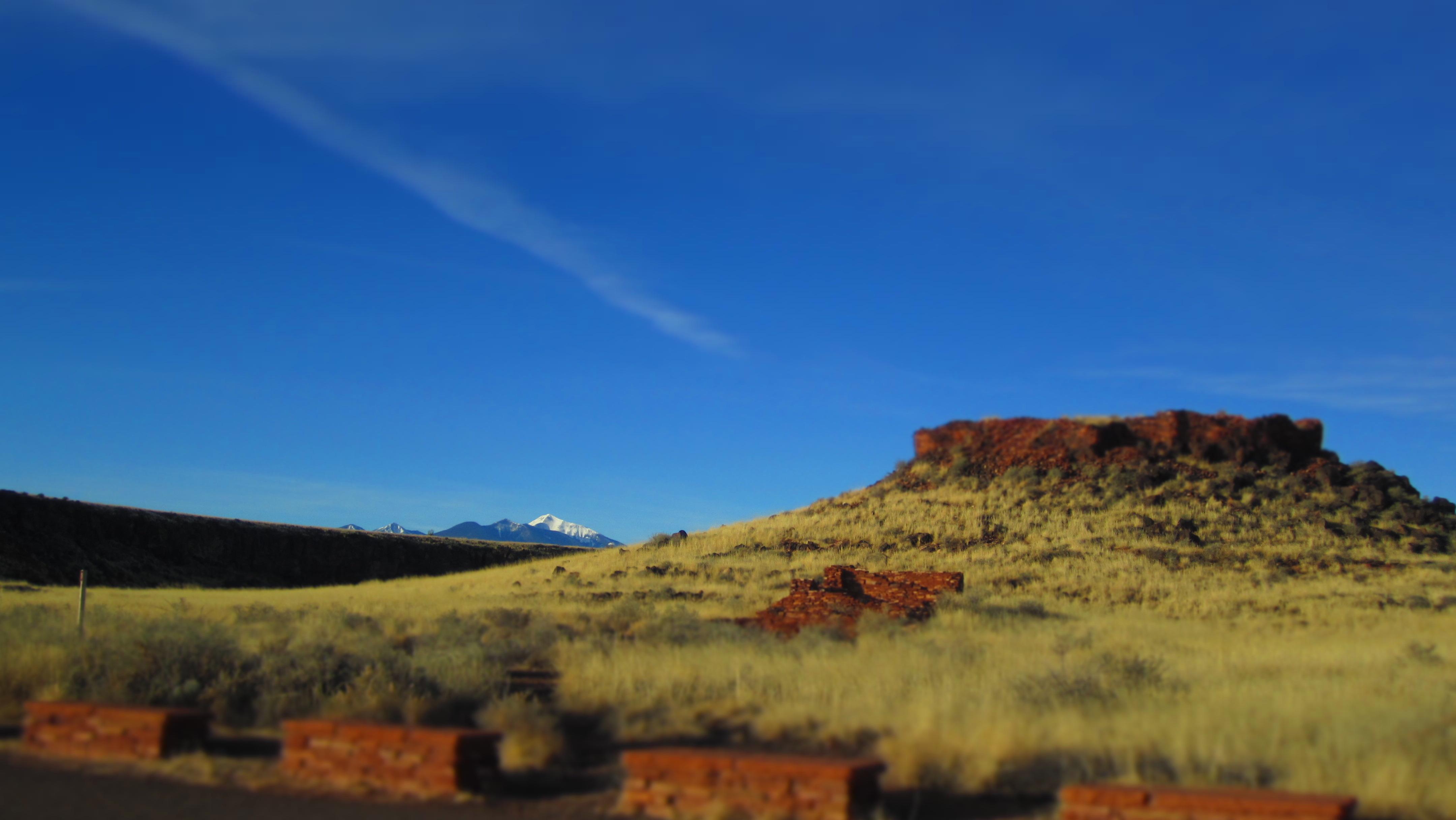
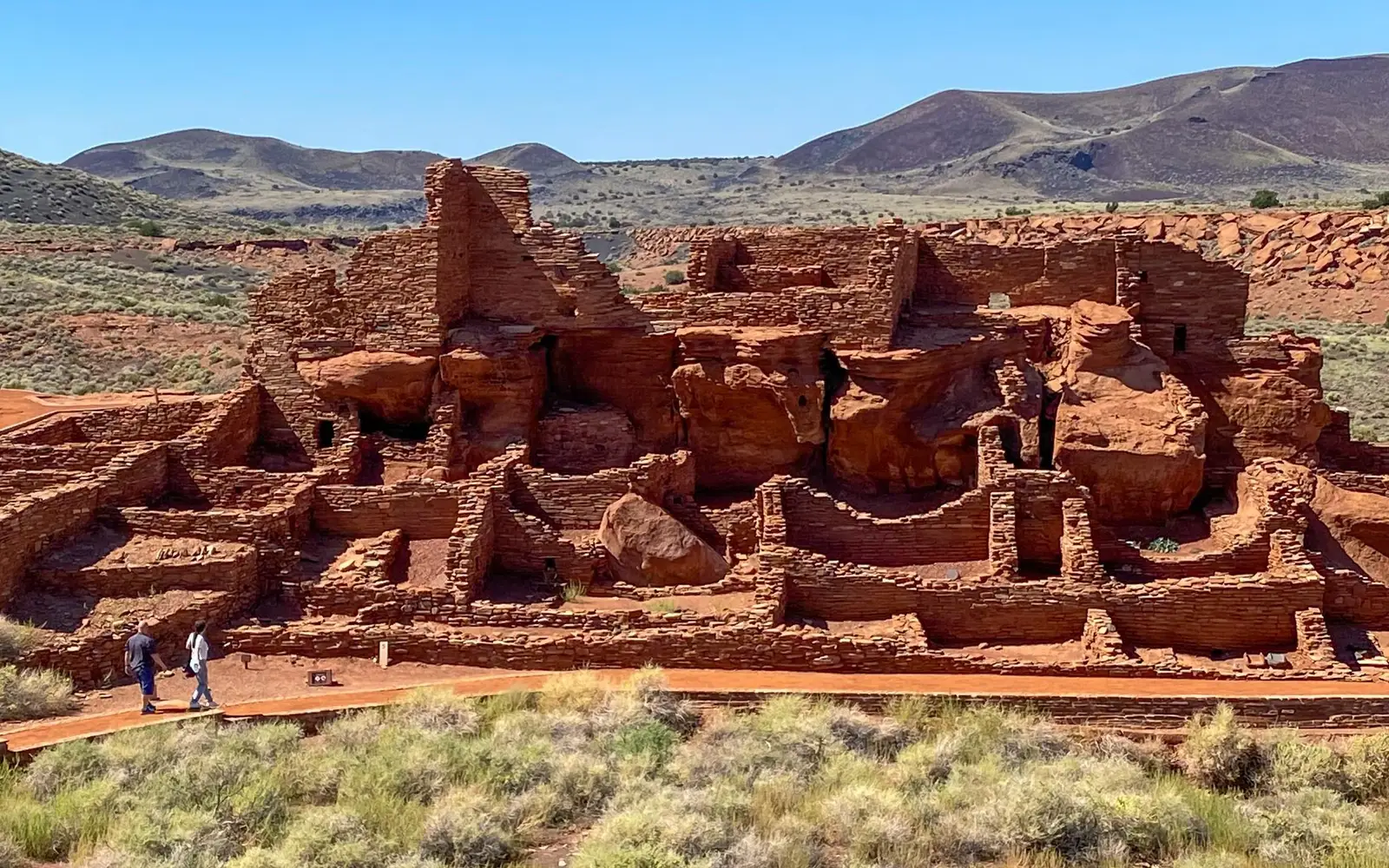
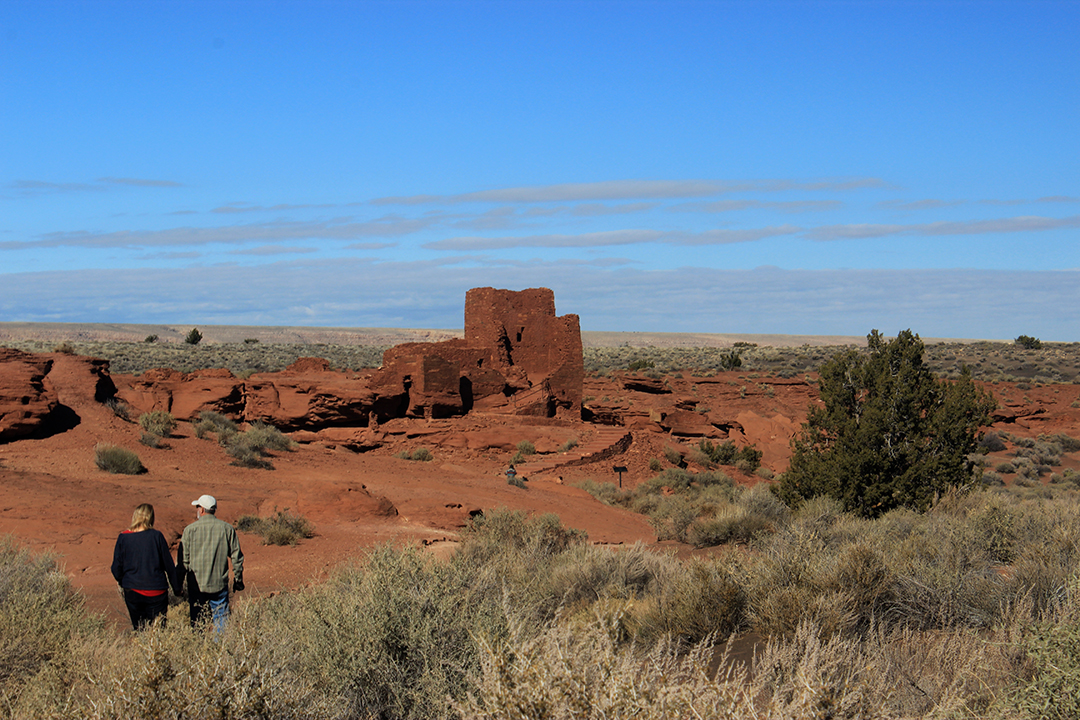
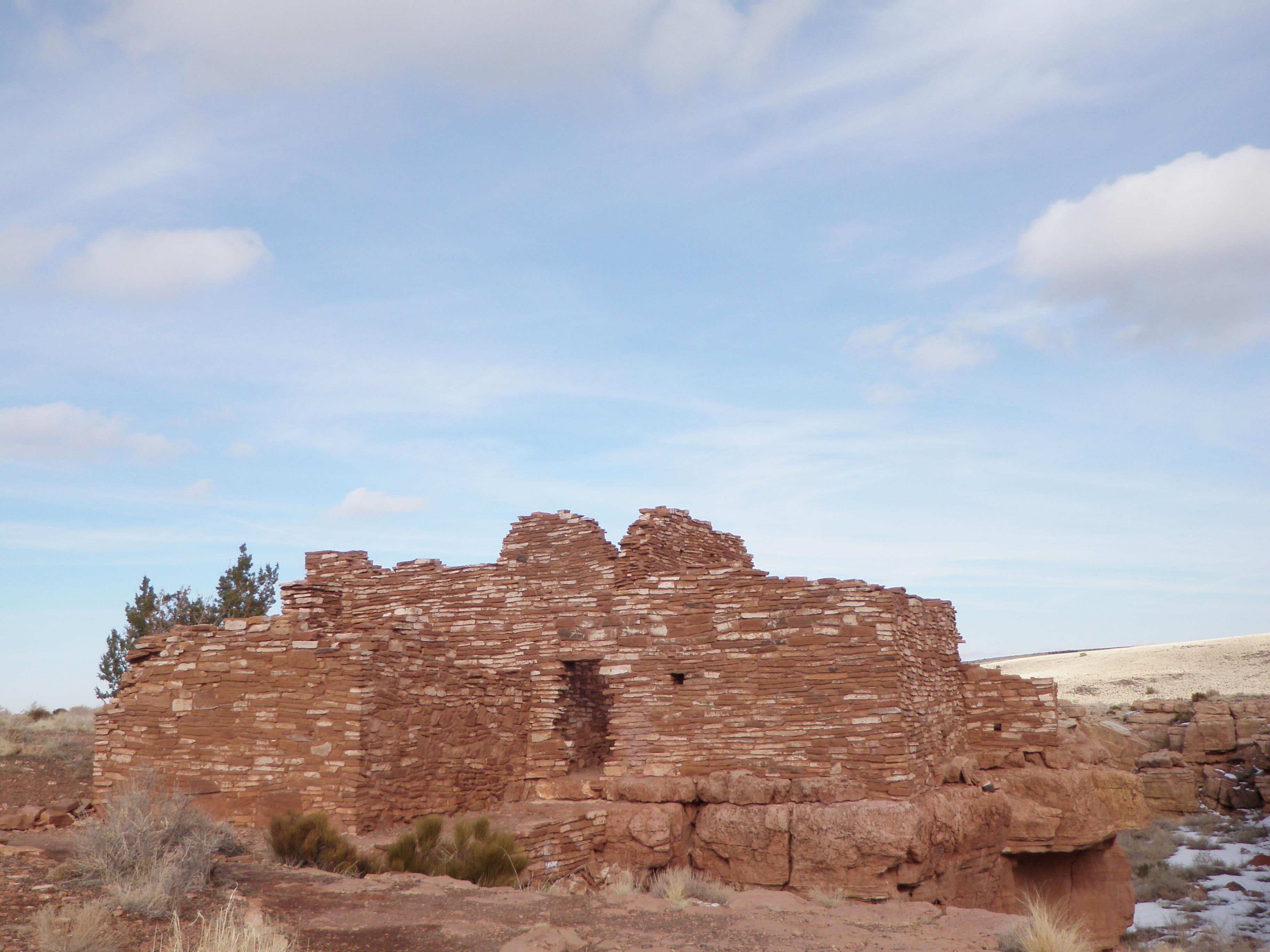
The park preserves a cluster of ancestral Pueblo ruins, including a multi-story pueblo complex that served as a regional hub around 1100 CE. Situated between the Painted Desert and ponderosa pine highlands, the landscape complements the historical narrative. A loop road connects multiple ruin sites, making the area unusually approachable. Free admission, a visitor center with museum exhibits, and a park film enhance the visit. Wupatki rewards curiosity and patience, making it an excellent stop for families, casual visitors, and road trippers.
Why go
This unit delivers a substantive experience, ideal for those seeking archaeological insight with convenient access. The visitor center provides essential context through museum exhibits and a park film. A scenic loop road links multiple ruin sites. Each is accessed by short, self-guided walking tours, allowing visitors to explore at their own pace. Wildlife viewing and birdwatching opportunities are present in the open desert scrub. Guided tours offer additional depth for those with flexible schedules. This combination of drivable access, free entry, and several pueblo sites in one loop creates a rich half-day to full-day visit. For families, the Junior Ranger Program and citizen science activities add engaging layers to the experience. This park offers genuine archaeological significance readily accessible to a broad audience.
Best for
This destination caters specifically to history-minded travelers and families. Those traversing the Flagstaff to Cameron corridor will find it a convenient stop. It offers a particular appeal for anyone drawn to Southwestern archaeology but disinclined toward strenuous hikes. Dedicated backcountry hikers or visitors prioritizing dramatic scenery will likely find the offerings too tame. The unit pairs exceptionally well with the adjacent Sunset Crater Volcano National Monument.
Best season
Optimal visitation periods are spring and fall. The desert light enhances photography, though winds are a consistent factor. Summer temperatures regularly exceed 100 degrees, with afternoon thunderstorms occurring from July to September; early morning visits are critical. Winter offers more solitude and occasional snow. However, visitor center hours are reduced Tuesday through Thursday from November through early March.
The high points
- Free admission to a well-preserved, multi-story ancestral Pueblo site with genuine regional historical significance
- Scenic loop road connecting multiple distinct ruin sites, making this accessible without a demanding hike
- Visitor center with museum exhibits and a park film that ground the archaeology in real cultural context
- Birdwatching and wildlife watching in open desert scrub along the monument loop
- Junior Ranger Program and hands-on citizen science activities suited for families with children
- Guided tours available for visitors who want a deeper interpretive experience beyond the self-guided trail signage
Know before you go
With no entrance fee, this monument offers rare access for its caliber. The visitor center operates from 9 AM to 4:30 PM; however, off-season reductions between November and March necessitate checking current hours. Trail access to ruin sites extends beyond visitor center operating times, but interpretive resources are consequently limited. Hydration is key. No services exist along the loop road.
One more thingThis unit is best experienced as part of a larger itinerary. For optimal viewing and photography, approach from the south, entering via the Sunset Crater access road. This route ensures the afternoon sun illuminates the red sandstone walls of the main pueblo complex, a significant aesthetic advantage.