

Is Wright Brothers National Memorial worth your trip?
Wright Brothers National Memorial offers a concentrated, historically rich experience.
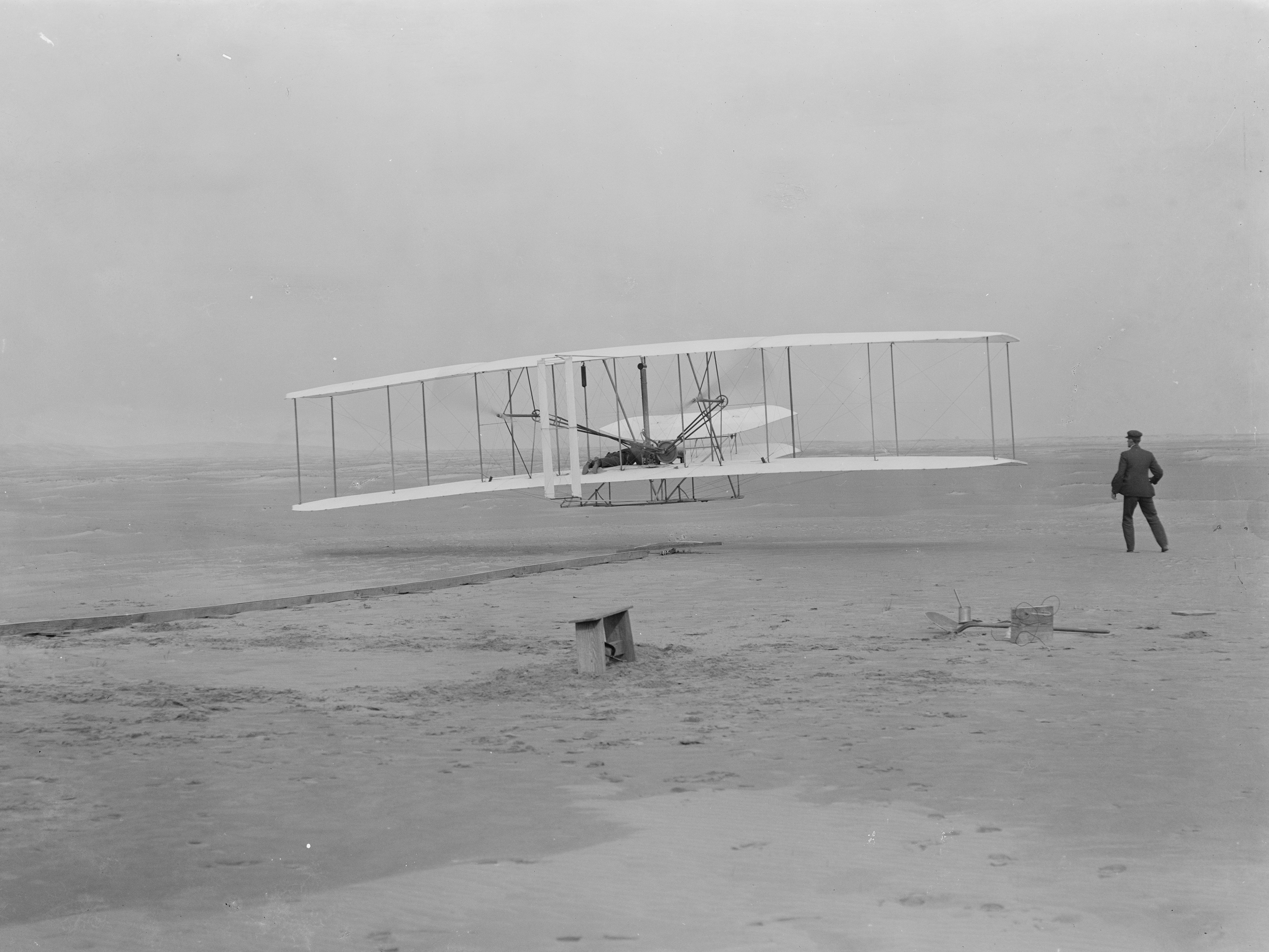
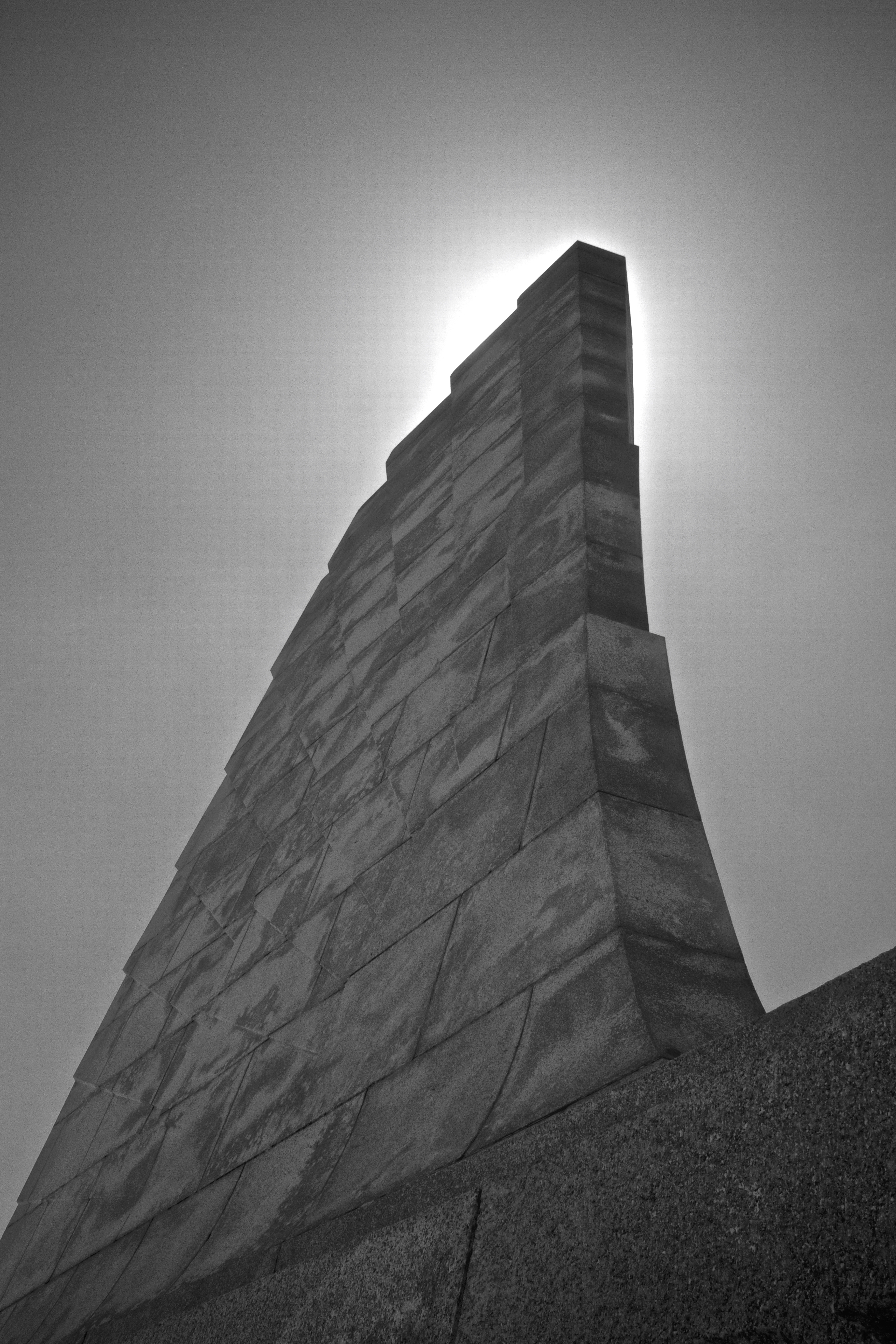
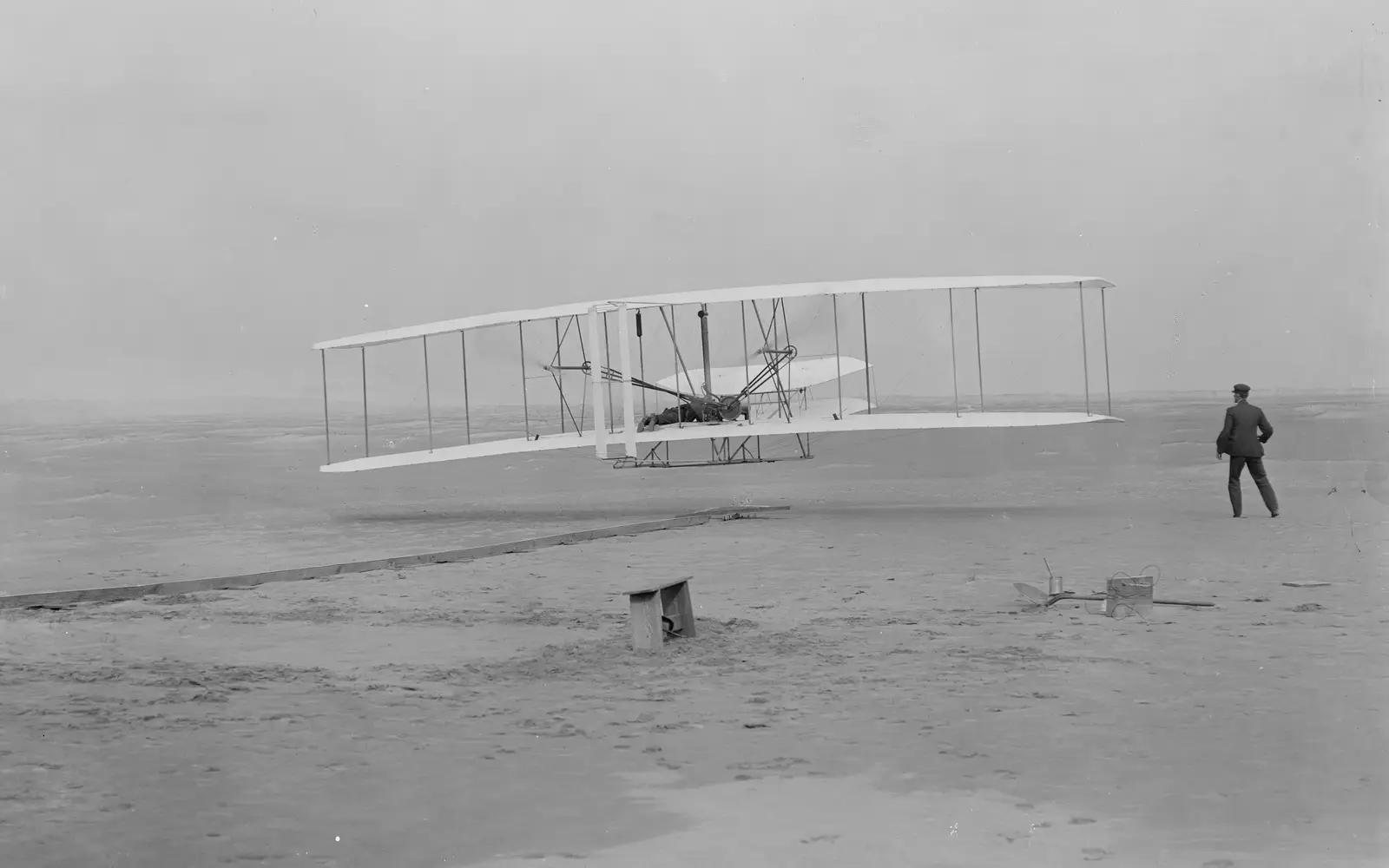
Located on the Outer Banks, this site precisely marks the genesis of powered flight on December 17, 1903. Visitors traverse the actual field of the Wright brothers' four flights, observing granite markers at each landing point. A reconstructed camp provides additional historical context. The museum comprehensively details the brothers' engineering process. This is not a wilderness park, nor a multi-day destination. The Experience Score of 44 reflects its specific focus. The memorial provides genuine historical weight within a small footprint. For aviation enthusiasts, history buffs, and families seeking a tangible link to a pivotal moment, it delivers efficiently. Most visits conclude within two to three hours. This duration is appropriate. Casual sightseers should look elsewhere.
Why go
A visit here delivers immersion in the physical and intellectual labor of invention. Standing on the very hill where the Wrights first glided and traversing the field of the 1903 Flyer's liftoff connects visitors to aviation history. Granite markers precisely delineate the brevity of those initial flights. The museum exhibits offer substantial depth, detailing the brothers' four-year scientific process, including their wind tunnel experiments and iterative design. For younger visitors, the Junior Ranger Program provides structured historical engagement. The flying theme is consistently and literally executed. This site clarifies not only that flight occurred here, but also elucidates the confluence of wind, sand, and determined engineering minds that made it possible.
Best for
This site primarily serves aviation history enthusiasts and families with school-age children. It offers a meaningful cultural stop for those on an Outer Banks road trip. The focus is historical. Visitors seeking extensive hiking, wildlife encounters, or outdoor recreation should look elsewhere. This is a history destination, not an adventure park.
Best season
Optimal visiting seasons are spring and fall, offering the most comfortable conditions for exploring the open grounds. Shade is minimal. Summer brings heat, sun, and crowds due to Outer Banks beach tourism. Winter visits are quieter and atmospheric, though cold, wet, and occasionally snowy. High winds are a constant, historically fitting but requiring appropriate dress in any season.
The high points
- Walking the open flight field with granite markers showing the exact distance of each 1903 flight
- Museum exhibits tracing the Wrights' four-year scientific process from gliders to powered flight
- The reconstructed 1903 camp buildings that put the brothers' Spartan working conditions in context
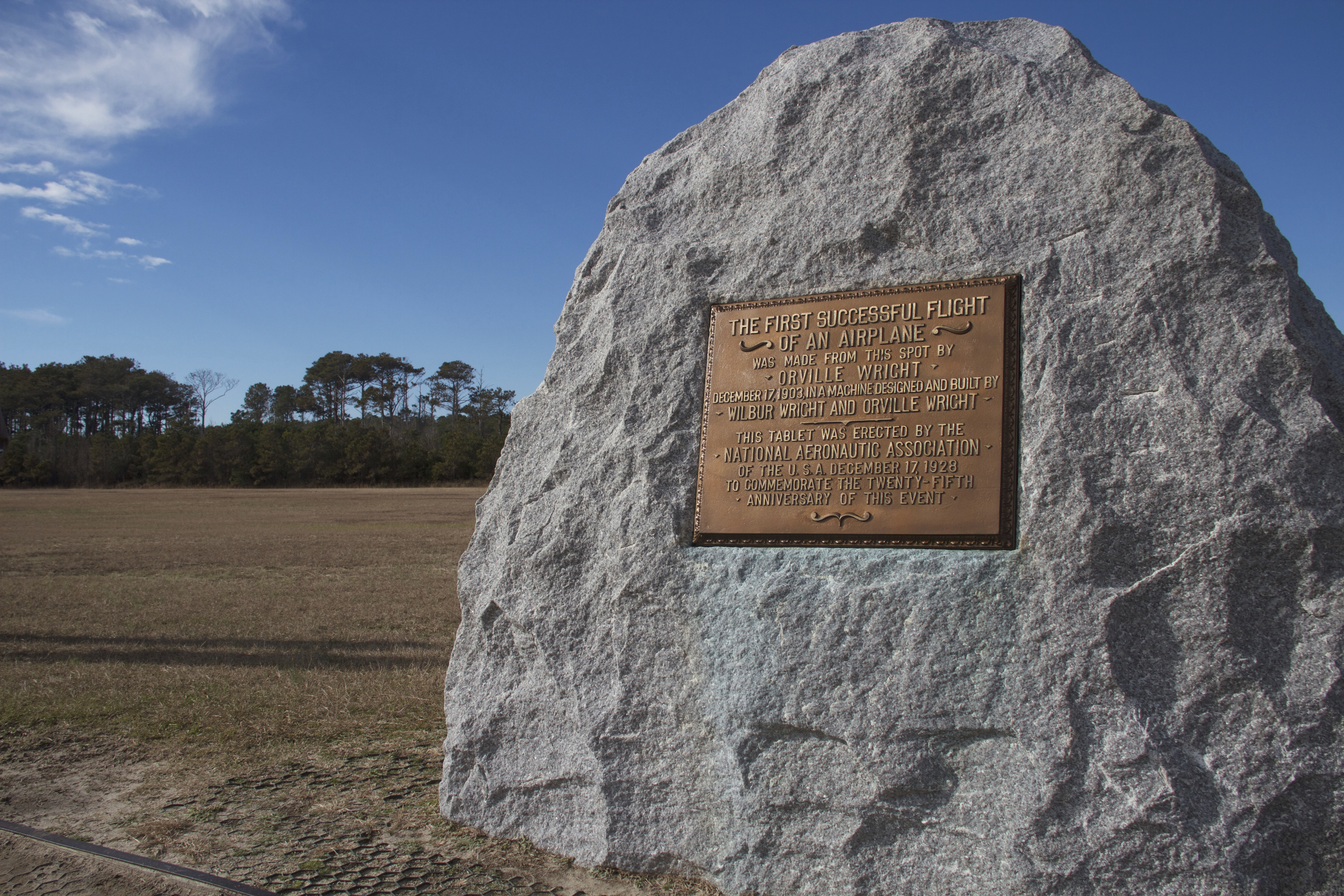
- The granite boulder marking the exact takeoff point of the first powered flight
- Junior Ranger Program offering structured historical engagement for younger visitors
- Free admission making it an easy add to any Outer Banks itinerary
Know before you go
Admission is free, positioning this site as a standout no-cost option on the Outer Banks. Operational hours for the visitor center and grounds are fixed; consult the current schedule before a visit. Situated on a barrier island, the location is subject to rapid weather changes and consistent strong winds. Summer visitors will need sunscreen and ample water. The park store and bookstore feature aviation-focused materials deserving of attention.
One more thingVisitors should prioritize the museum exhibits. This context illuminates the significance of the granite distance markers on the flight field. The longest of the four flights, covering only 852 feet, takes on new meaning when considered against the years of calculation that preceded it.