

Is Cape Hatteras National Seashore worth your trip?
Cape Hatteras National Seashore earns its high 97 Experience Score.
This free North Carolina unit offers a genuine coastal wilderness. You can surf, kayak, drive the beach with a permit, and stargaze from the sand. The documented activities make the case for its appeal. This is not a passive experience for casual sightseers. Seasonal closures protect nesting shorebirds; these can affect beach access, so visitors should plan for flexibility. For a full-spectrum outdoor coastal vacation on the East Coast, the seashore delivers. It rewards visitors who bring a plan and their own gear.
Why go
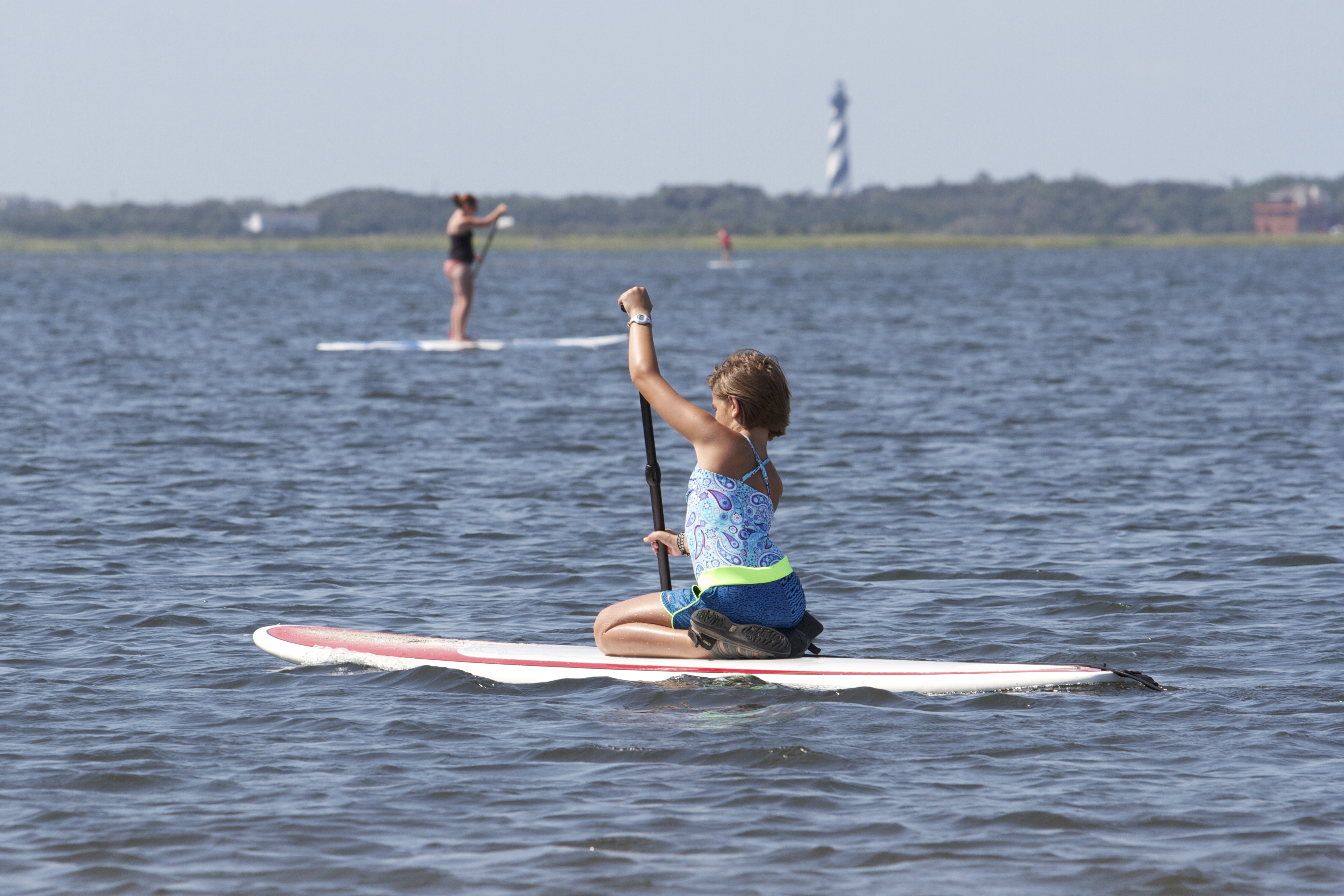
This seashore delivers a rare blend of water-based activities and pristine natural access. Early risers can launch a kayak or canoe into the calm Pamlico Sound, shifting to Atlantic saltwater fishing or swimming as the day progresses. Anglers will find ample opportunity for wade or surf fishing. Birders benefit from the diverse ocean, marsh, and sound habitats, which remain productive across multiple seasons. The clear night skies, far from urban light pollution, offer some of the Eastern Seaboard's best stargazing. Campers have choices from front-country sites to RV spots, with group options accommodating families or clubs. Crucially, off-road vehicle access to remote beach sections distinguishes this unit from more restricted areas. This is a destination for active outdoor enthusiasts, particularly those with their own watercraft or off-road vehicles.
Best for
This seashore suits beach-going families, surf fishermen, kayakers, surfers, birders, and anyone who wants a multi-day outdoor coastal stay without paying an entrance fee. It is especially strong for people who own or can rent an OHV, since beach driving opens sections most visitors never reach. Travelers looking for mountain scenery, dense trail networks, or a quiet contemplative day-use site should look elsewhere.
Best season
The park's appeal shifts significantly with the seasons. Summer offers the warmest waters for swimming and surfing, though it also concentrates the largest crowds and brings the highest risk of afternoon thunderstorms. Spring and fall emerge as superior windows for fishing, birdwatching during migration, and kayaking, benefiting from notably fewer visitors. Winter provides a quiet, uncrowded experience, well-suited for dedicated birders and anglers. However, be advised that services diminish considerably in the off-season. Seasonal resource closures, implemented to protect nesting birds, typically impact beach driving during spring and early summer. Choose your season carefully based on priorities.
The high points
- Off-road and OHV beach driving access to remote stretches of the Atlantic shoreline
- Saltwater fishing from the surf, piers, and sound-side launch points
- Kayaking and canoeing the Pamlico Sound, a protected inland water entirely different from the ocean side
- Dark-sky stargazing from the beach, away from the light pollution of the mainland
- Birdwatching across ocean beach, salt marsh, and sound habitat in a single visit
- Free entry with camping options including RV and group sites for multi-day stays
Know before you go
Access to this unit is free, but beach driving requires an advance permit or one obtained on arrival at designated stations. Seasonal closures to protect nesting shorebirds frequently restrict both vehicular and pedestrian beach access. Consult current NPS closure maps prior to any visit. Expect unreliable cell service across significant portions of the Outer Banks.
One more thingFor exceptional stargazing, a new moon visit is essential. The ocean-facing beach offers an unobstructed horizon and minimal light pollution from nearby villages. This combination of dark sky and surf provides a memorable East Coast park night experience, especially considering its free access.