parkverdict
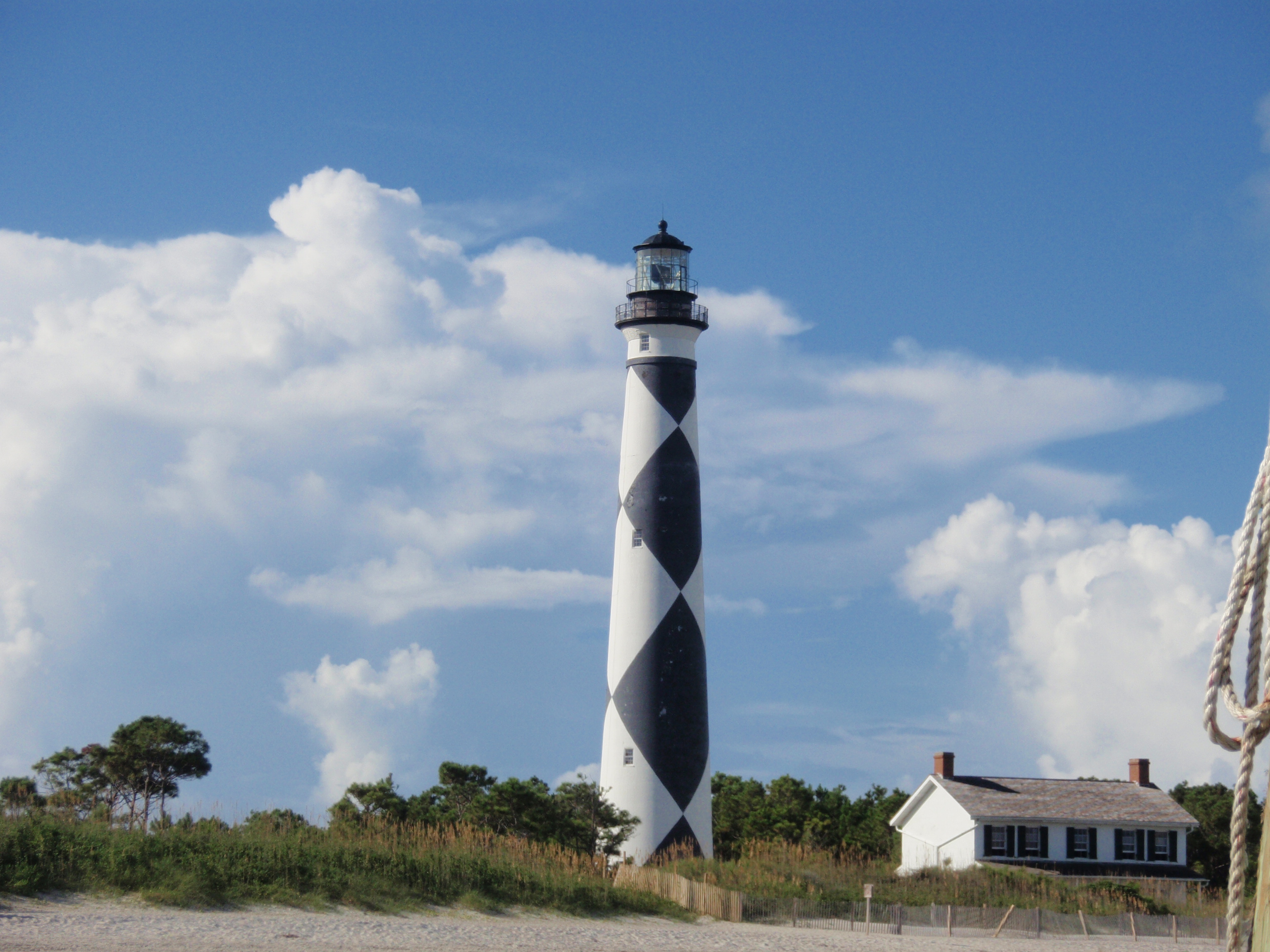
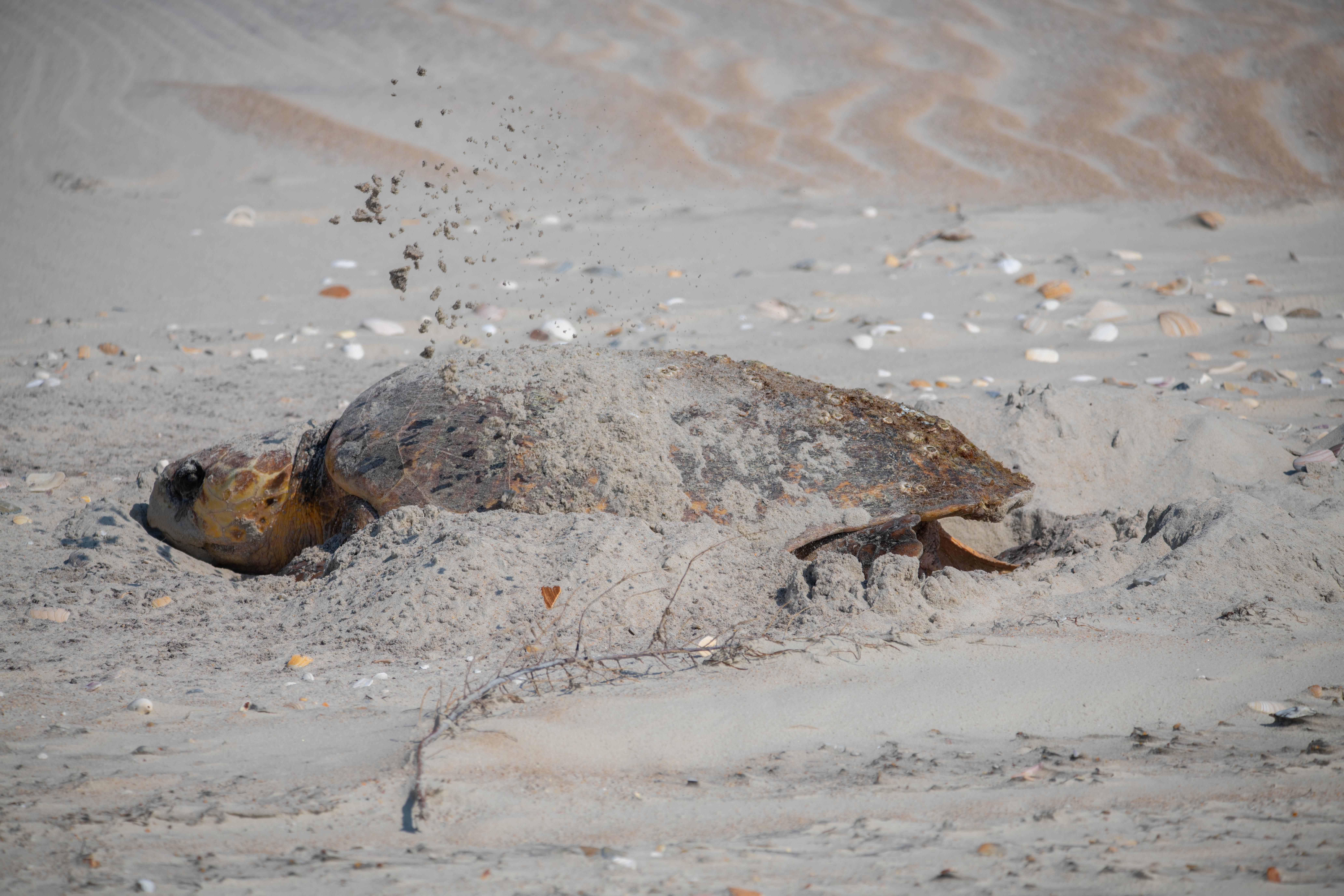
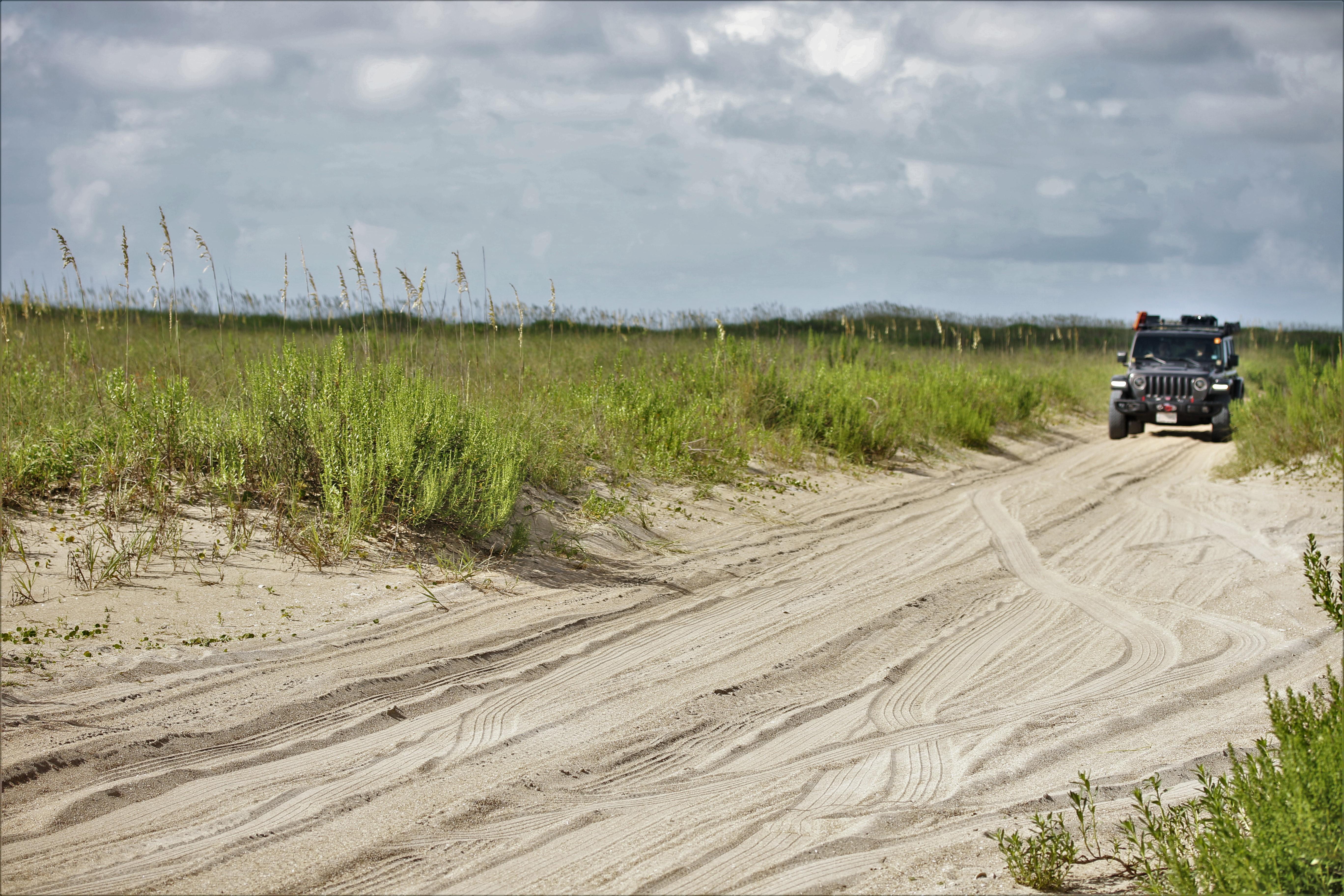
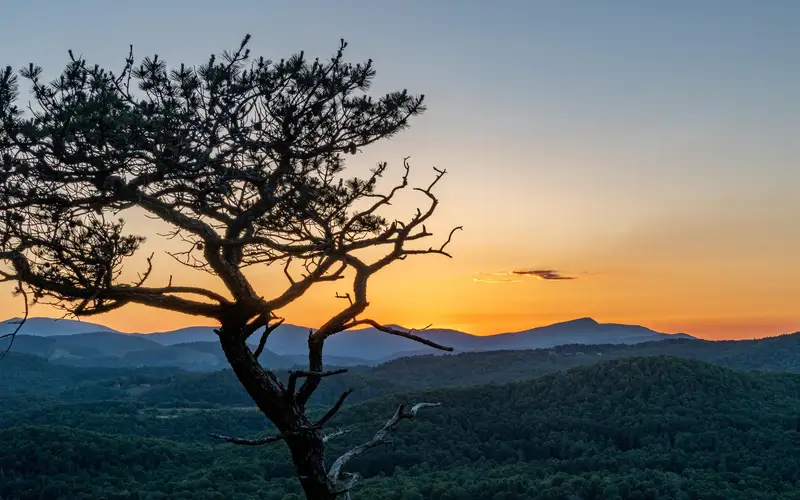
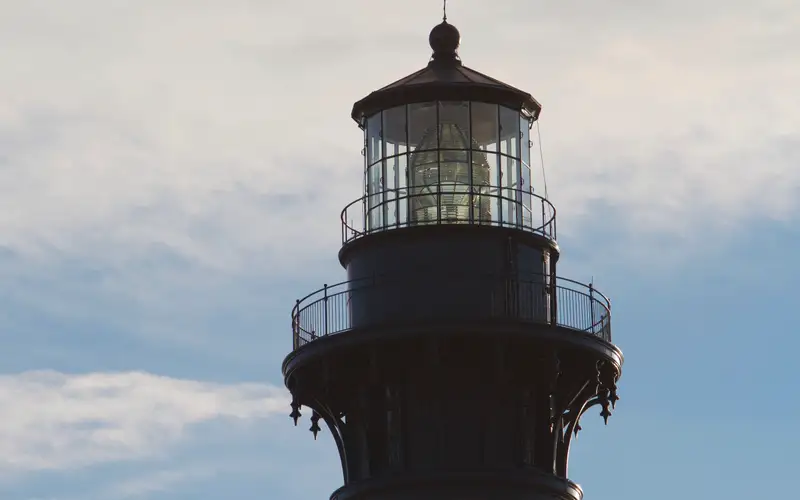
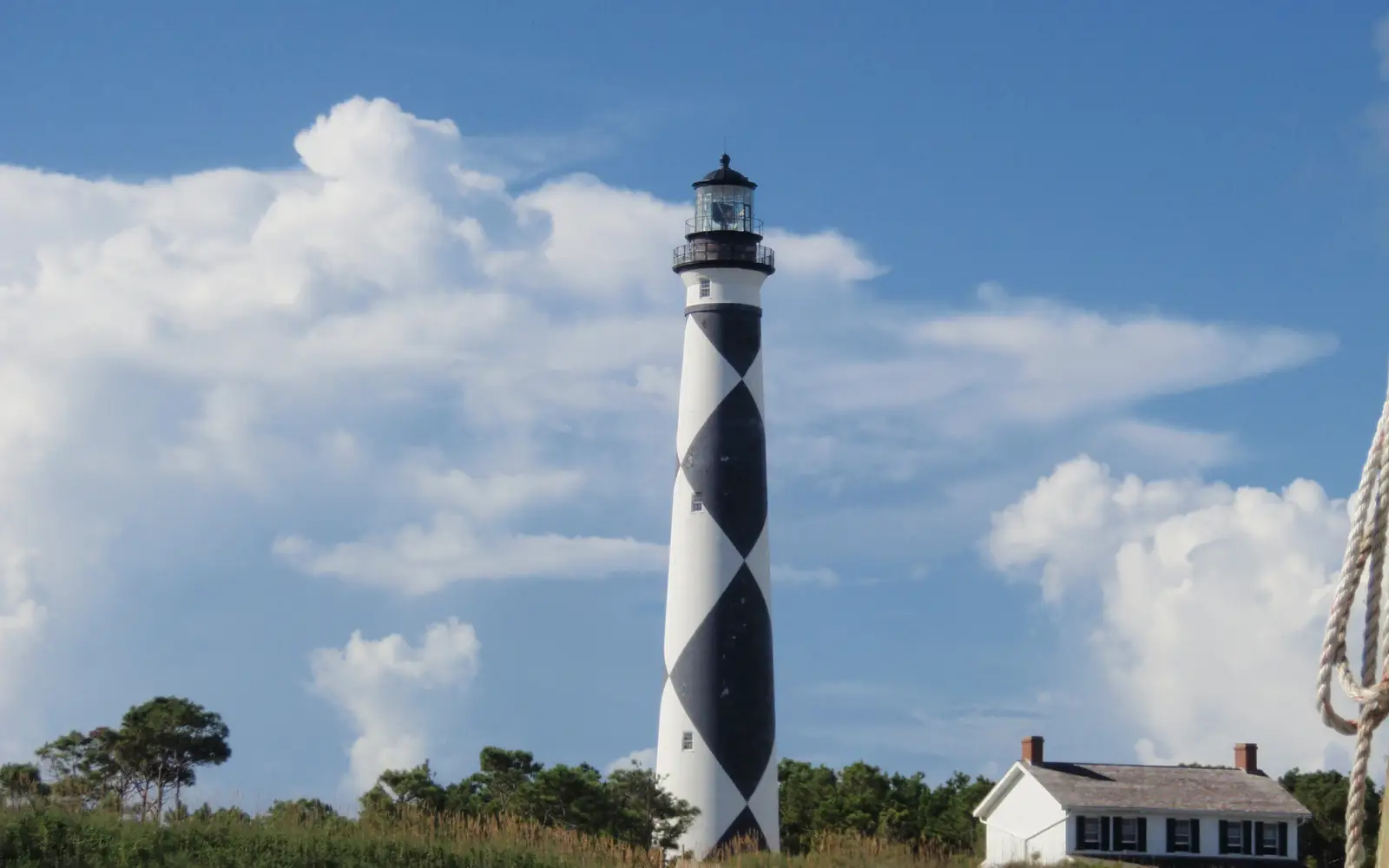
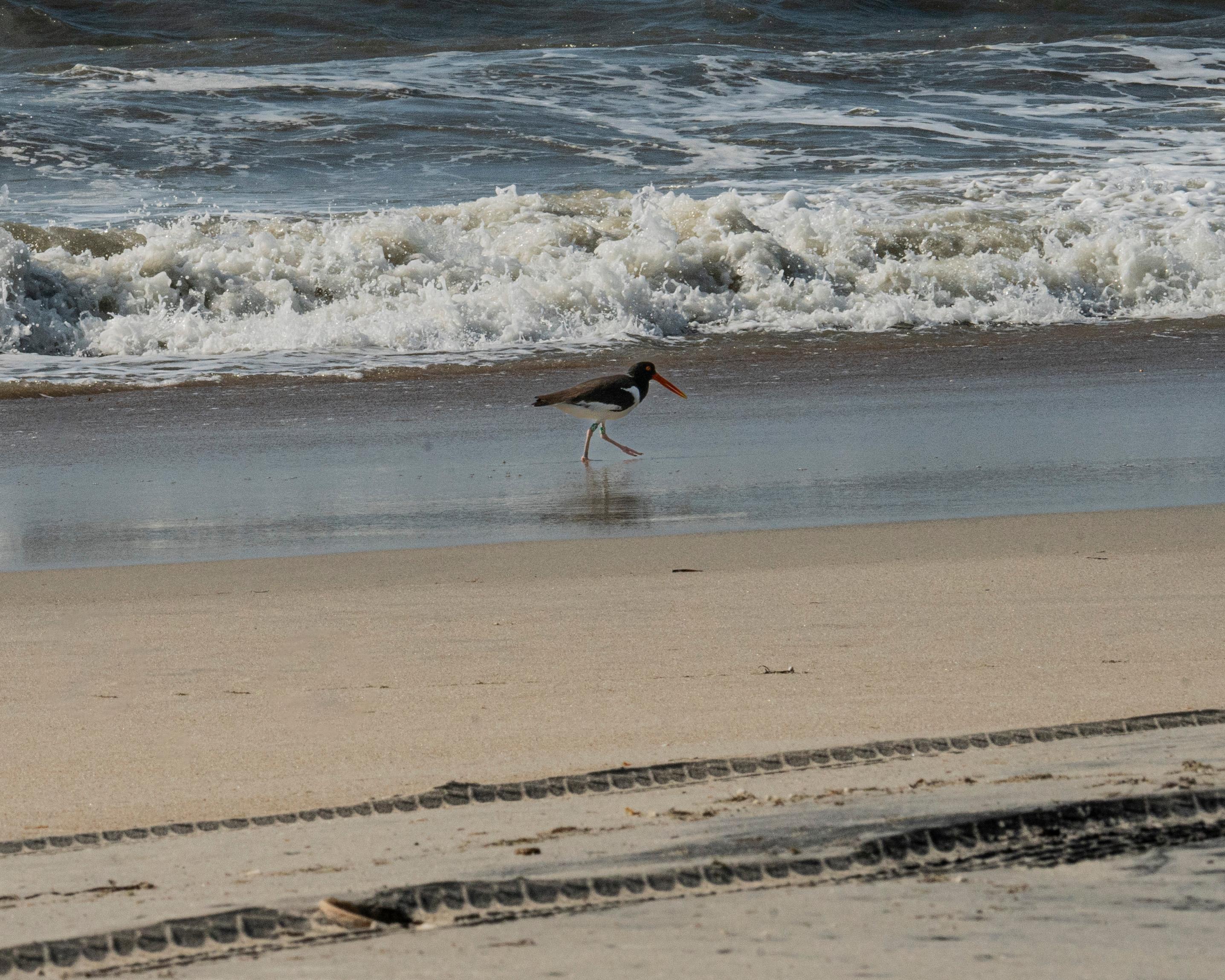
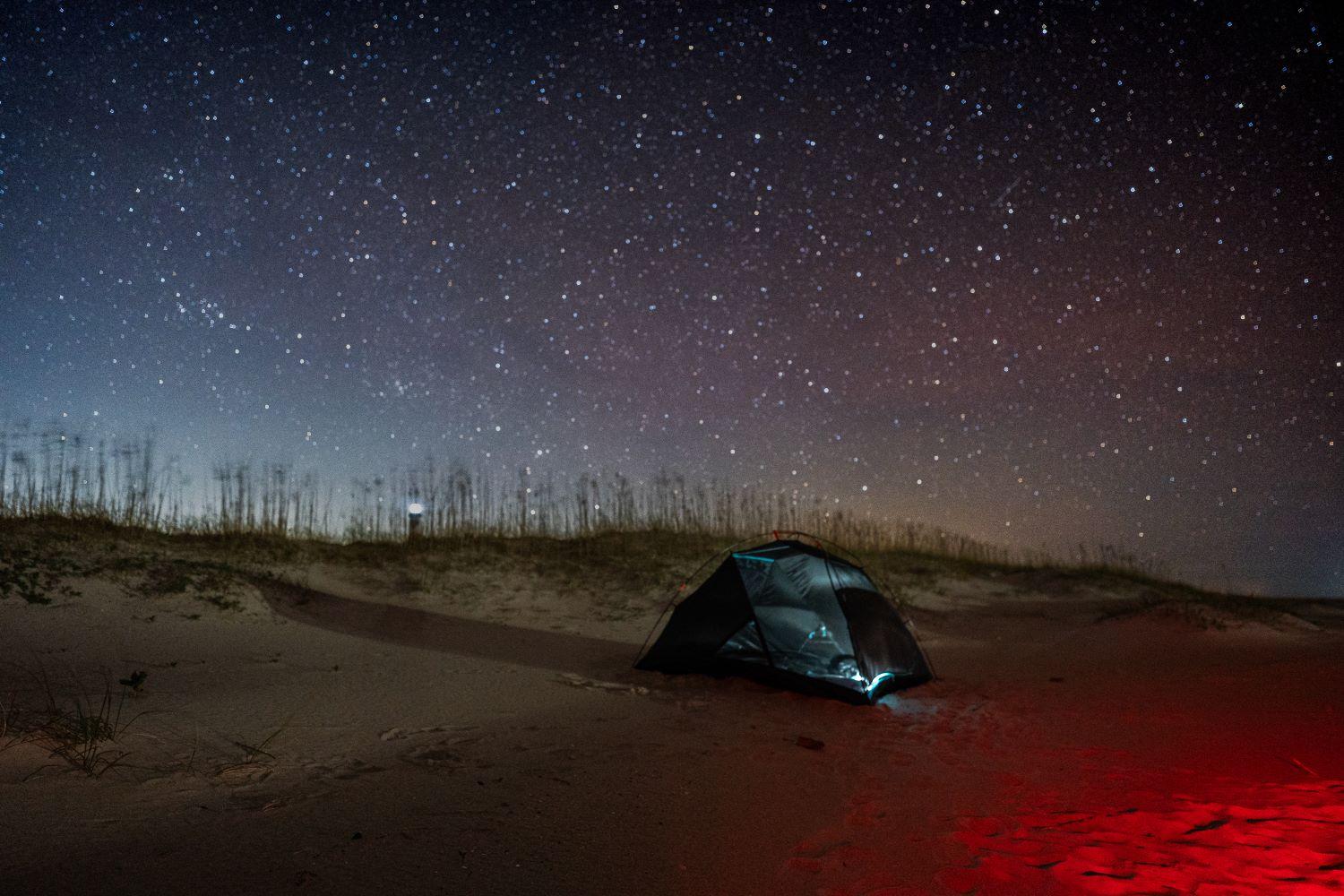
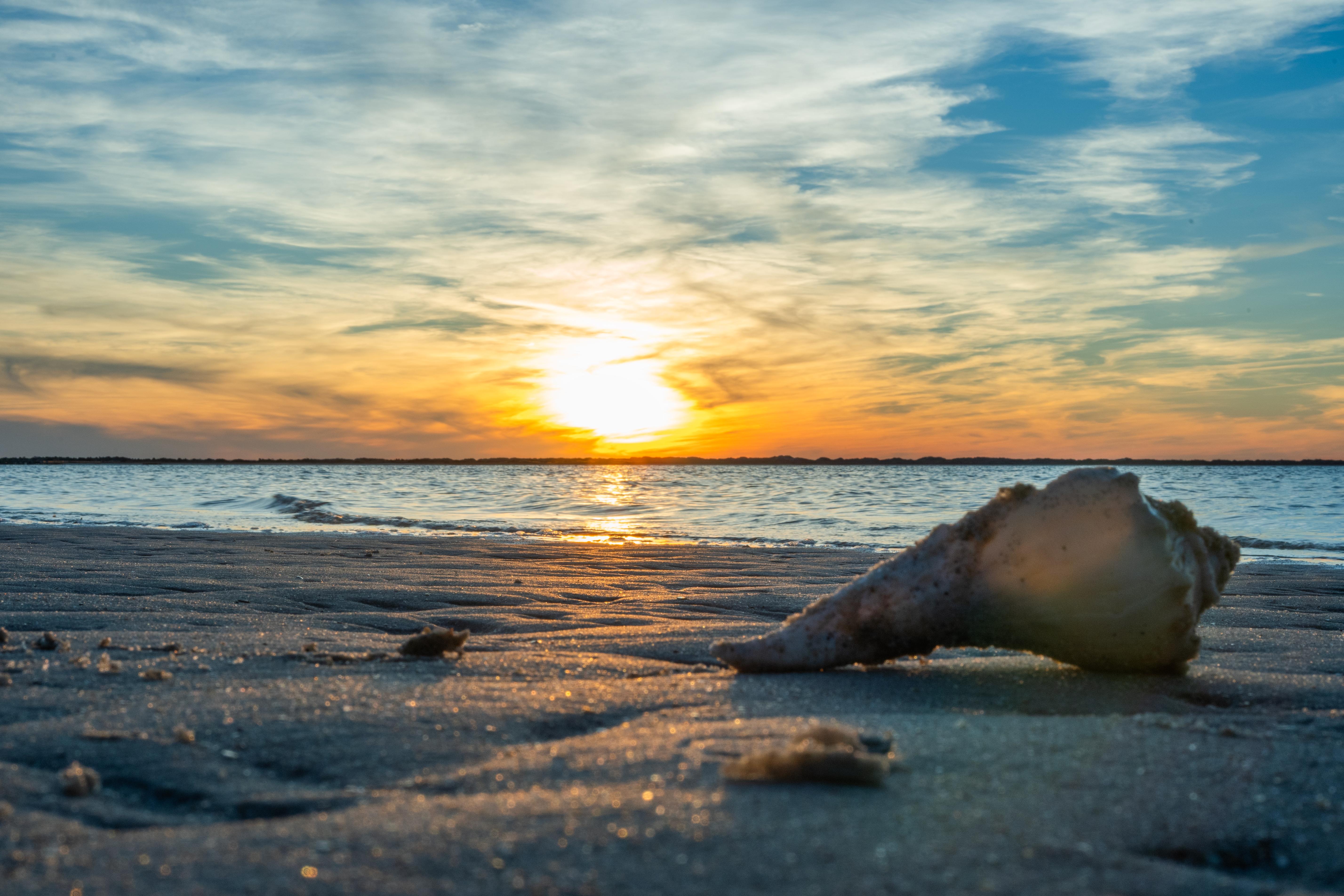
: Black & white patterned tower of the Cape Lookout Lighthouse stands against a blue & white cloud fA bird with orange bill and orange legs runs along the tide line. Waves in the backgroundA red light illuminates a tent on the sand, with a star filled sky behind it.A seashell lays in the sand, with the sun setting in the background.
National SeashoreNC

Cape Lookout National Seashore

NPS / NPS photo
100/ 100DOES IT ALL
parkverdict Experience ScoreIndependent, not sponsored

100 of 100. Our independent breadth-and-access index. How we score

Our verdict

Should you visit Cape Lookout National Seashore?

Cape Lookout National Seashore covers three undeveloped barrier islands off the North Carolina coast, and you can only get there by ferry or private boat.

No bridges. No restaurants, no grid power, and almost no shade either. What you do get is one of the wildest stretches of Atlantic coastline still standing on the eastern seaboard: remote beaches, a working lighthouse, wild horses roaming free on Shackleford Banks, excellent shelling, and skies dark enough for real stargazing. The experience score of 100 reflects genuine range across ATV access, backcountry camping, kayaking, and saltwater fishing, but every single one of those activities requires you to take care of yourself out there. This is not a drive-up park. Bring enough water, or the place will remind you why that matters.

What makes it worth it

Grab an early ferry to Core Banks or Shackleford Banks. Fish the surf in the morning, or take a kayak or canoe around the sound side, then comb the beach for shells once the afternoon wind starts pushing things around. Spend the night if you can manage it. Neither island has any road connection to the mainland, and with no light pollution at all, the night sky over the Atlantic will genuinely stop you in your tracks. On Core Banks, ATVs let you cover miles of beach that you would never get through on foot. Shackleford Banks has a feral horse herd that has been living there for centuries. Plan the rest of your trip around the lighthouse at Cape Lookout.

Who should go

Serious campers, anglers, kayakers, and families ready to pack everything in and out will find the trip worthwhile. Birders and wildlife watchers will find it exceptional. If you need amenities, shade, or easy access, look elsewhere. Day-trippers can make it work, but the ferry schedule strongly favors staying overnight.

When to go

Late spring, roughly April through early June, hits the sweet spot: temperatures in the 50s to low 70s, manageable wind, decent fishing, and crowds that are nowhere near what summer brings. Summer has its appeal for swimming and camping, but you're looking at 80 to 100 degree heat with near-constant humidity and almost no shade to escape it. Fall is honestly underrated, especially for fishing and shelling once hurricane season quiets down.

Highlights

  • Wild horse watching on Shackleford Banks, a free-roaming herd with deep historical roots on the island
  • Backcountry and canoe or kayak camping on remote barrier island beaches with no facilities and no crowds
  • ATV and off-road vehicle access on Core Banks, covering stretches of beach unreachable on foot
  • Saltwater fishing from the surf or by boat in waters known for a wide range of coastal species
  • Dark-sky stargazing from the beach with zero light pollution from the mainland
  • Paddling the sound side by kayak or canoe, with calmer water and strong wildlife watching opportunities

Plan ahead

Admission is free, but the ferry will cost you something, and prices vary by operator and destination island. One thing worth knowing before you go: the islands have no stores, no food vendors, and no drinking water. Bring everything you need, water, sunscreen, and an umbrella for shade. Visitor center hours shift with the seasons, so check the current ferry schedule before you head out.

Editor's tipCamp on the sound side your first night. The ocean-facing beach catches the full coastal wind, and a 15 mph gust at 2 a.m. will fold your tent before you can do anything about it. The sound side stays calmer and gives you better paddling access first thing in the morning.

How we scored it

Behind the 100

The number is not a mood. It is a few things we can actually check in public records, added up and capped so no single one runs away with the total. It tracks how much a place has going on and how easy it is to reach, and nothing about scenery or crowds. Here is what added up to 100:

  • Activity breadth23 documented activities
  • Topic breadth14 topics
  • Official imagery6 public-domain images
  • Camping on sitedocumented
  • Entry costfree

No number is hand-adjusted and no unit pays for placement. The full weights, the floor at 18 and a worked example are on how we score.

The honest limits

What the number leaves out

Worth saying plainly: this number only knows what the data shows, which is breadth and access. It has no idea whether the scenery is jaw-dropping, whether the lot is a zoo in July, what shape the trails are in, or how good the guided walks are. So do not read a lower score as a worse day out. A focused little site can beat a big all-rounder for the right person. Compare the numbers for what is on offer, then read the verdict for who each place actually suits.

Overview

About Cape Lookout National Seashore

A ferry drops you three miles offshore at the barrier islands of Cape Lookout National Seashore. Wild horses roam the beaches, shells scatter the shoreline, and the lighthouse is open to climb. You can fish, bird-watch, camp, or tour the historic villages. Come prepared, though: pack all your food, water, and supplies before you board, and carry your trash back out when you leave.

On documented breadth and access, Cape Lookout National Seashore ranks 1st of 13 park and public-land units we score in North Carolina.

Climate note

Spring temperatures run from 50 F to 70+ F, with regular rain and wind to contend with. Summer is hot, often uncomfortably so, with temperatures between 80 F and 100 F and humidity that frequently sits between 80 and 90 percent. Winds average 10 to 15 mph. Bring plenty of water, and consider packing an umbrella for shade since the islands offer very little of it. Fall temperatures range from the upper 40 F up into the high 70 F. Winter conditions were not listed.

Things to do

What it offers

Auto and ATVATV Off-RoadingAuto Off-RoadingAstronomyStargazingBoatingCampingBackcountry CampingCanoe or Kayak CampingFishingSaltwater FishingHunting and GatheringHuntingPaddlingCanoeingCanoe or Kayak CampingKayakingJunior Ranger Program
Common questions

Cape Lookout National Seashore: quick answers

Is Cape Lookout National Seashore worth visiting?

Cape Lookout National Seashore covers three undeveloped barrier islands off the North Carolina coast, and you can only get there by ferry or private boat.

Is Cape Lookout National Seashore free to visit?

No charge at the gate.

What is Cape Lookout National Seashore best for?

It leans hardest toward stargazing, camping, good with kids, water activities, going by the 23 activities it actually documents.

When is the best time to visit Cape Lookout National Seashore?

Late spring, roughly April through early June, hits the sweet spot: temperatures in the 50s to low 70s, manageable wind, decent fishing, and crowds that are nowhere near what summer brings.

How is the Experience Score for Cape Lookout National Seashore calculated?

The 100 comes straight from public data on how much the place documents and how easy it is to reach, things like activities, topics, photos, camping and whether entry is free. It says nothing about scenery or how busy it gets.