Is Women's Rights National Historical Park worth your trip?
Women's Rights National Historical Park in Seneca Falls, NY offers a compact, purpose-built historic experience.
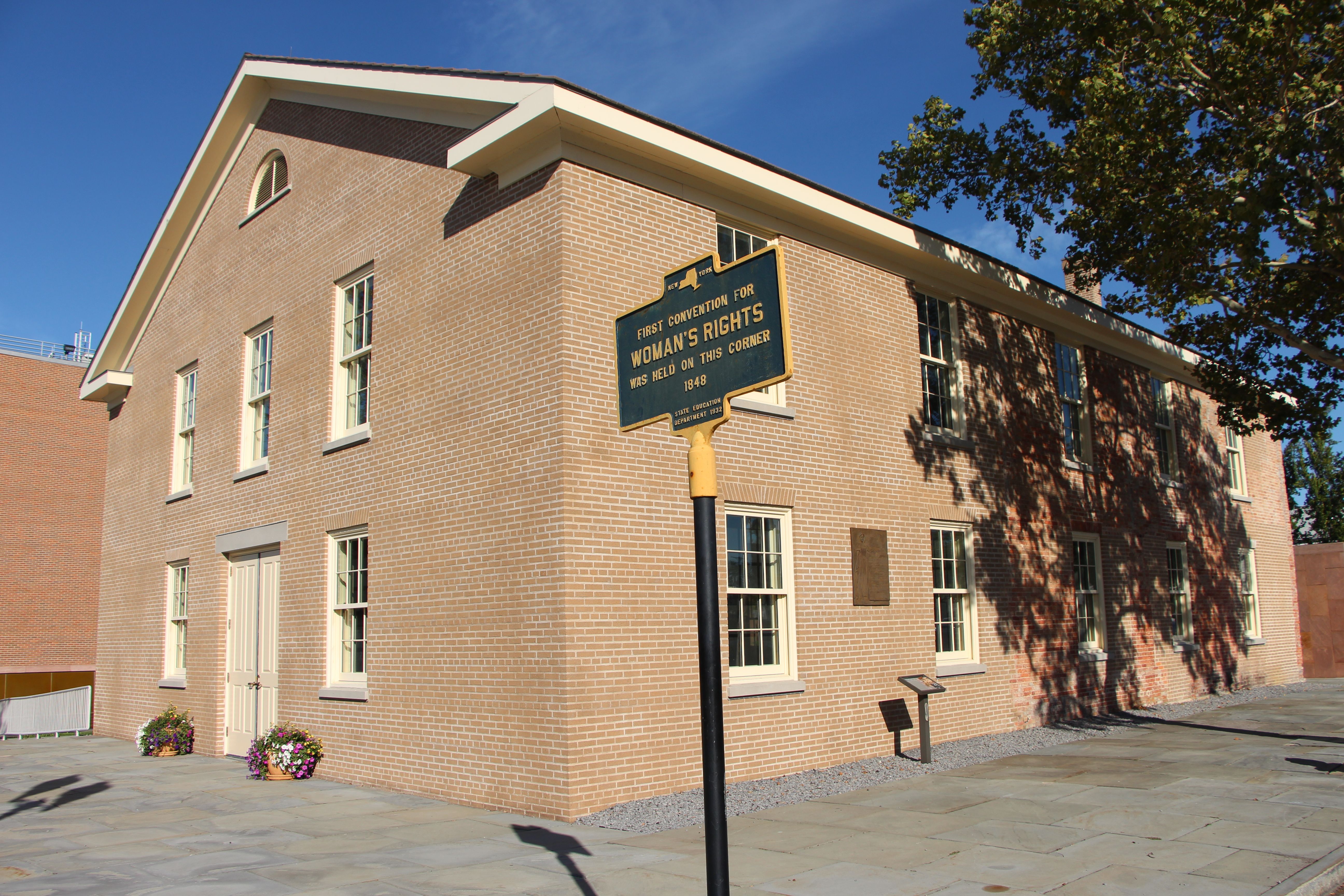
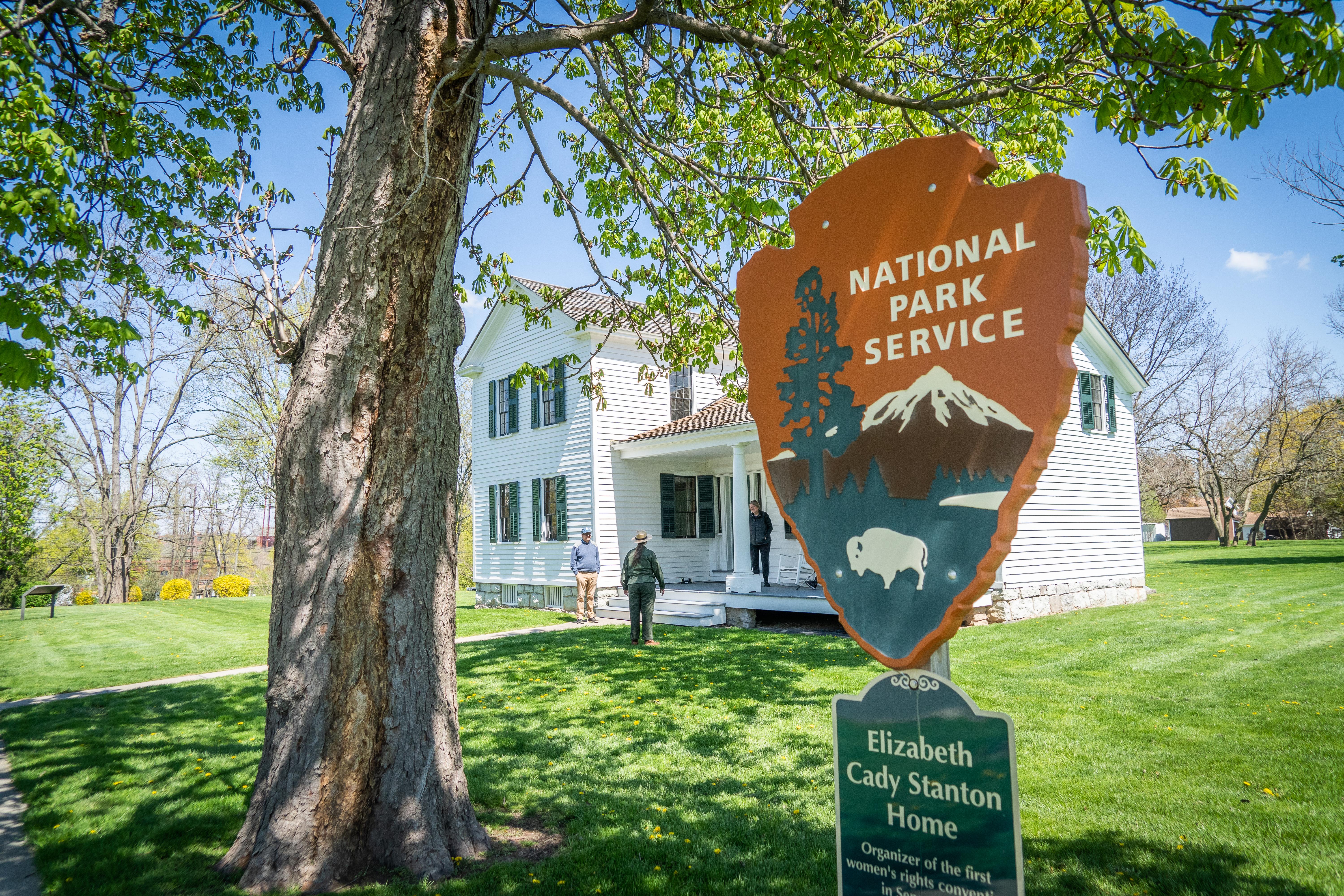
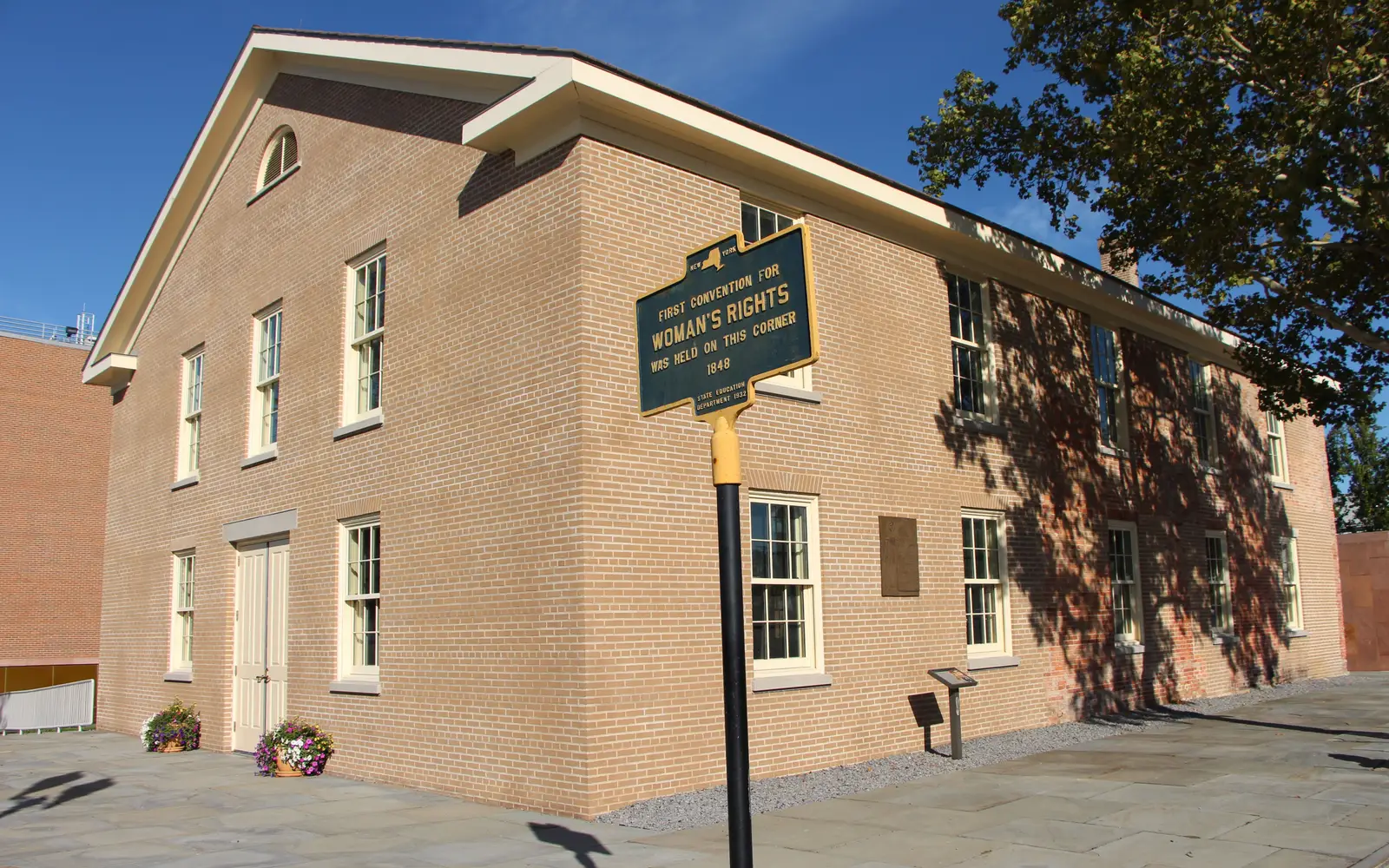
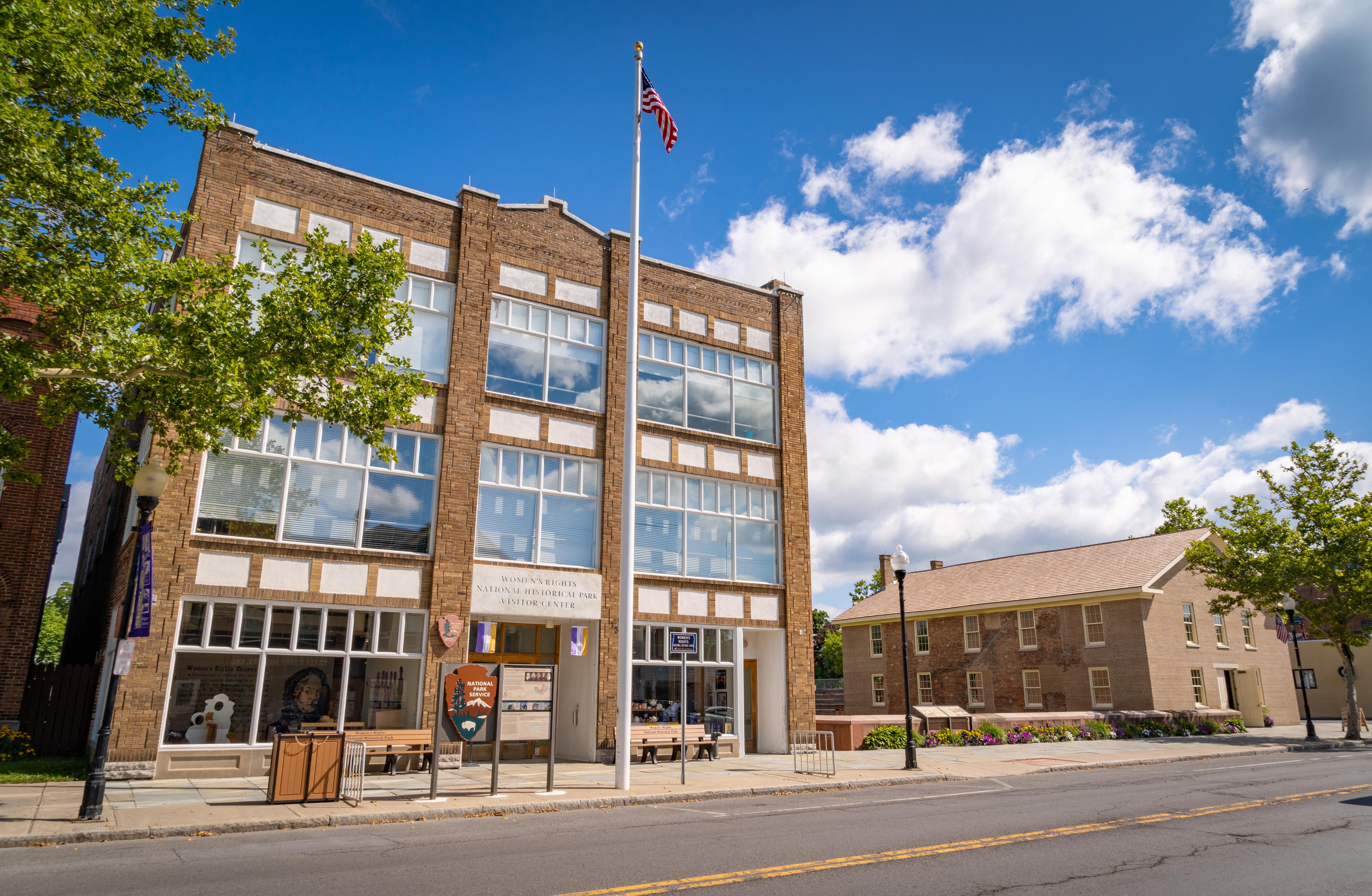
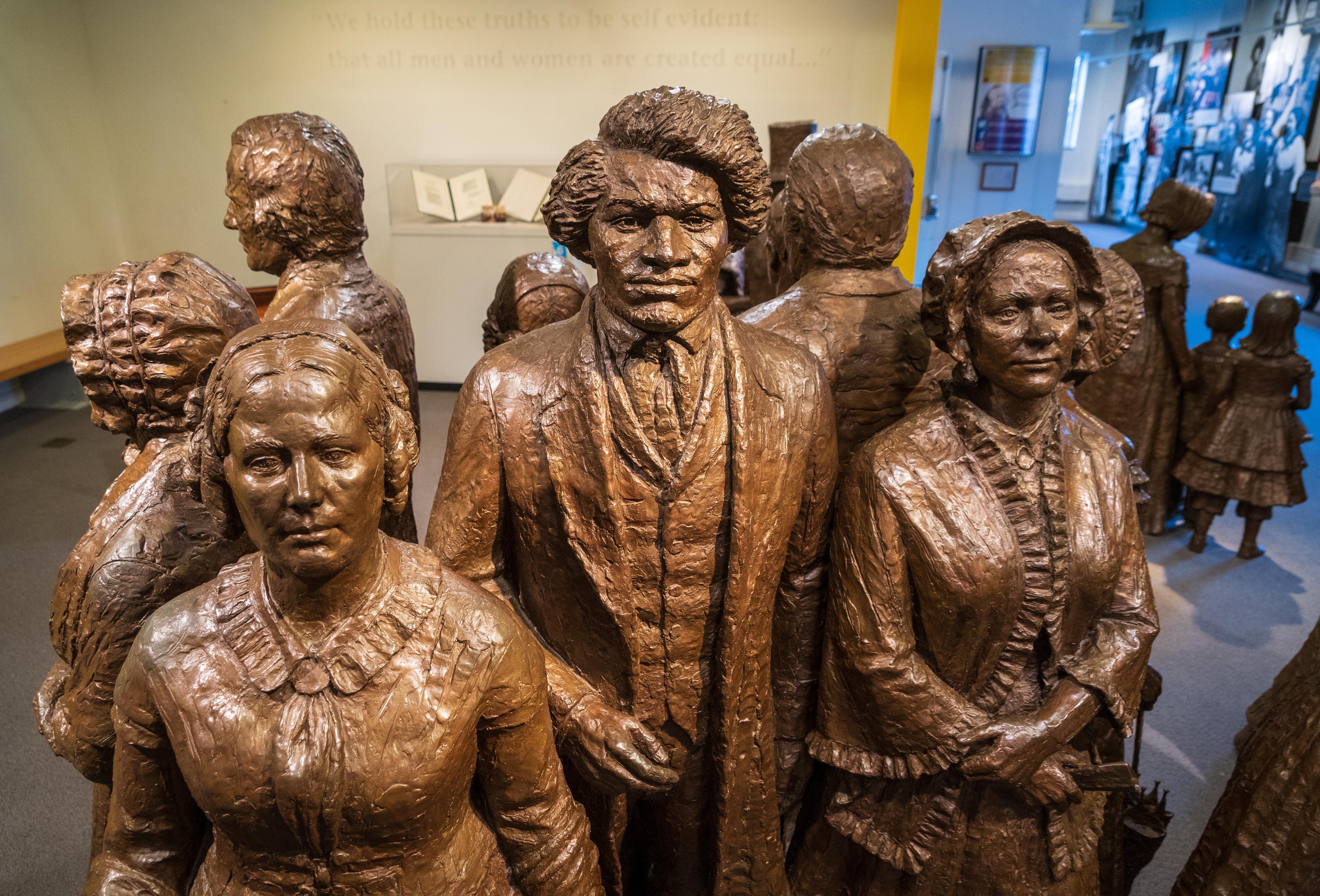
Its focus is the 1848 Women's Rights Convention, a pivotal event in American history. The visitor experience is primarily indoor and interpretive. Anchored by the visitor center, museum exhibits, and a park film, the site also preserves the Wesleyan Chapel, the convention's original venue. This park offers no hiking or expansive natural landscapes. It is a space for historical context, learning, and quiet reflection. Free admission and guided tours enhance accessibility. Staff-led programming provides depth beyond a self-guided visit. For those invested in civil rights history, 19th-century reform movements, or American political history, this park is a significant destination. Casual visitors seeking outdoor recreation will find a half-day museum experience, not a typical national park outing.
Why go
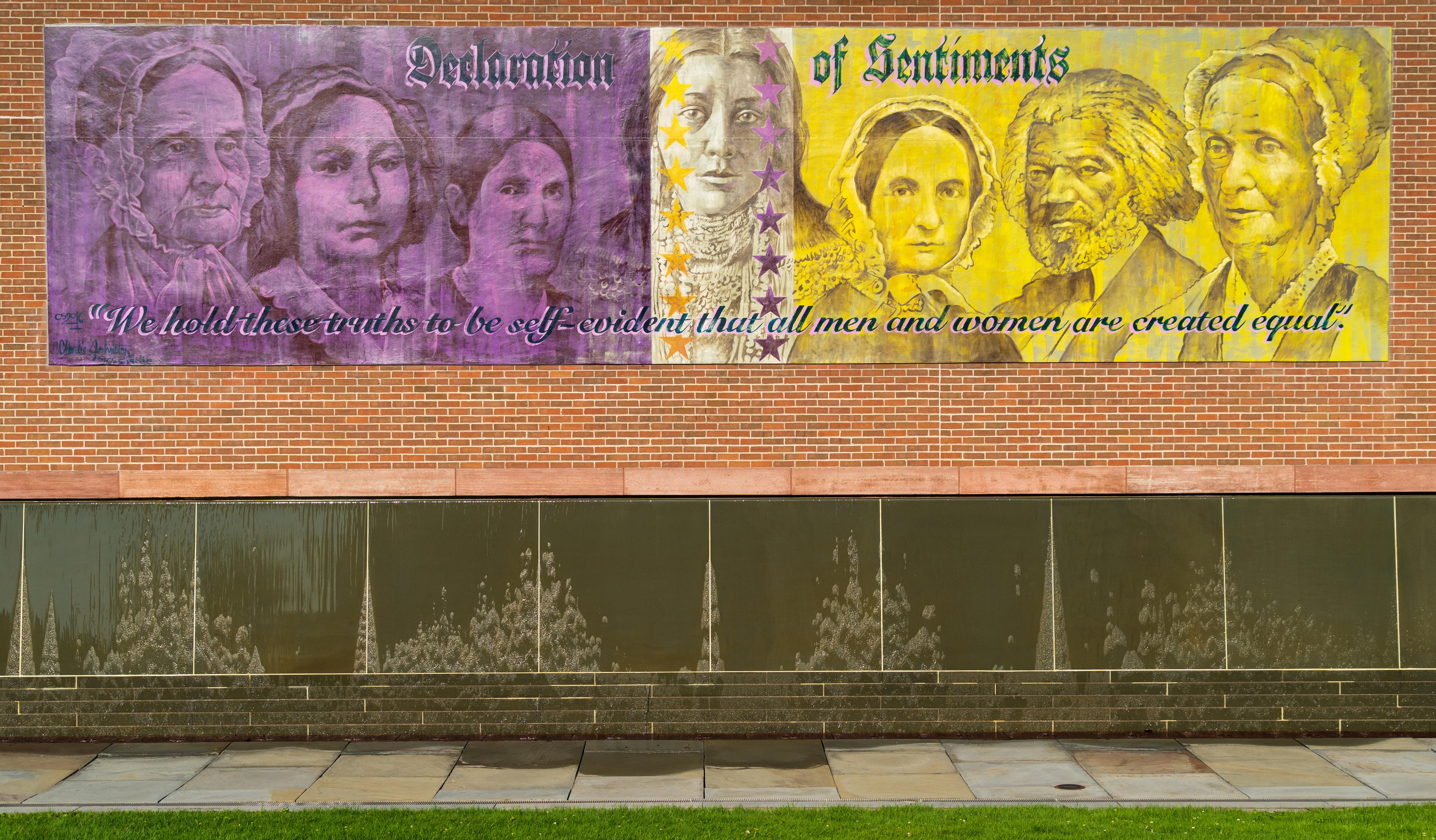
Seneca Falls offers a focused historical immersion. The park excels in detailing the 1848 Seneca Falls Convention, placing it precisely within 19th-century reform movements. Museum exhibits and the park film provide essential context. Guided tours enhance the interpretive experience; self-guided visits will lack this depth. Wesleyan Chapel stands as the site's emotional and historical centerpiece, marking where the Declaration of Sentiments was signed. Declaration Park provides an outdoor contemplative space. The Junior Ranger Program and hands-on activities effectively engage younger visitors, elevating the experience beyond passive observation. A half-day is sufficient for a thorough exploration, allowing time to visit other area historic sites. This destination is ideal for those seeking a detailed understanding of a pivotal moment in American history.
Best for
This unit delivers a genuinely rewarding experience for history enthusiasts, educators, and students of civil rights and women's suffrage. Families with school-age children will find solid programming options. Casual park-goers seeking trails, wildlife, or outdoor adventure should look elsewhere; this is not a traditional national park. This is a focused, indoor-leaning historic site.
Best season
The optimal visitation window extends from late spring through early fall. Summer temperatures, typically 60 to 85 degrees, are moderate, though humidity can be substantial. Winter brings cold and snow, with temperatures occasionally nearing zero. Building hours fluctuate seasonally; verify current schedules before arrival. A July visit coincides with the 1848 convention anniversary, potentially featuring unique programming.
The high points
- Wesleyan Chapel, the actual site of the 1848 Women's Rights Convention and signing of the Declaration of Sentiments
- Museum exhibits connecting the convention to abolitionism and broader 19th-century reform movements
- Guided tours that provide interpretive depth beyond the exhibits alone
- Park film offering a strong narrative introduction for first-time visitors
- Junior Ranger Program and hands-on activities for families with children
- Declaration Park, open dawn to dusk, providing an outdoor space at the same address
Know before you go
This site offers a focused half-day visit. Admission is free. The visitor center and Wesleyan Chapel at 136 Fall Street in Seneca Falls serve as primary access points, though operating hours vary seasonally; consulting the NPS site beforehand is essential. Declaration Park, located at the same address, remains accessible from dawn to dusk year-round. Parking is readily available near the site.
One more thingTo maximize a mid-July visit, check for programming related to the July 19-20 convention anniversary. Historically, the park marks this period, and a timed visit can provide a deeper layer of significance than a random weekday trip.