parkverdict
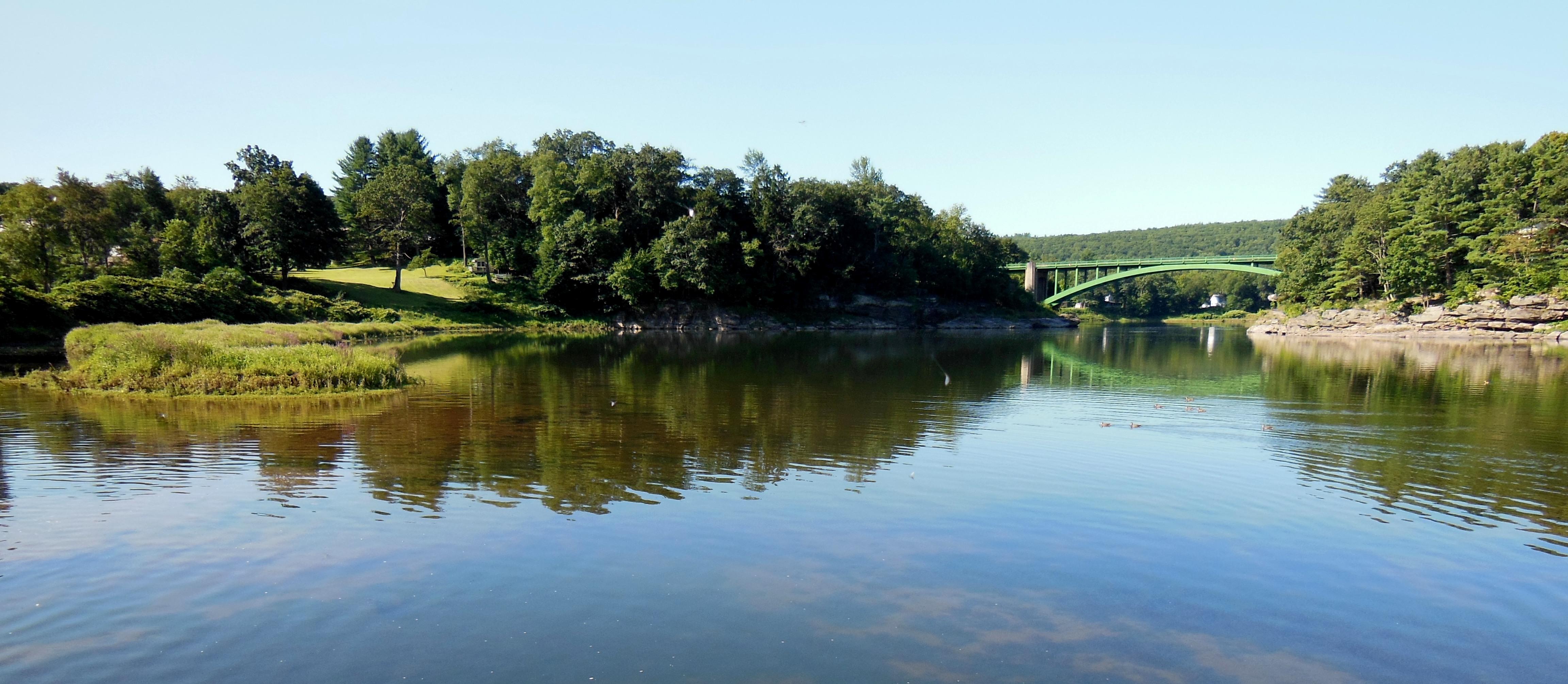
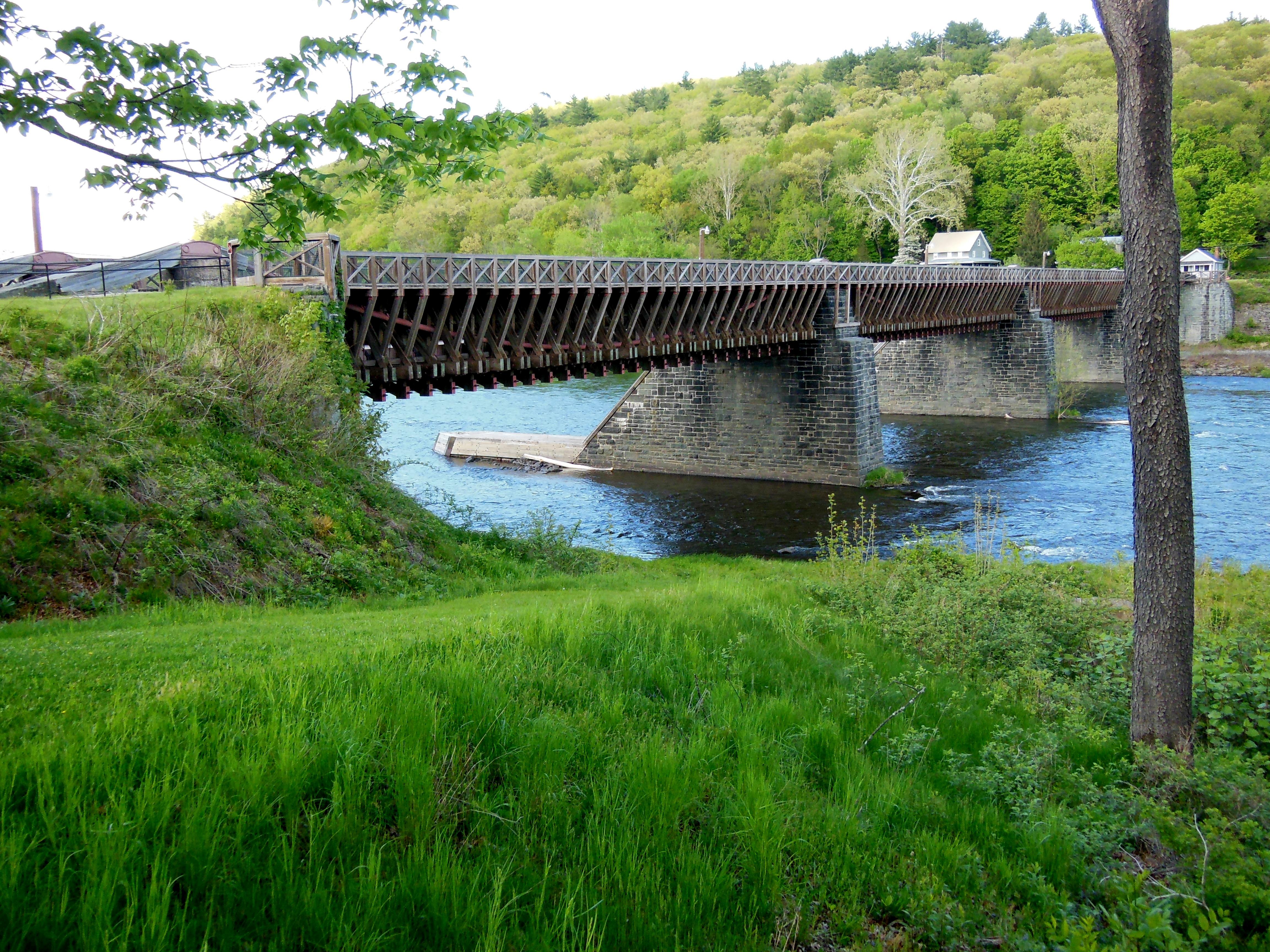
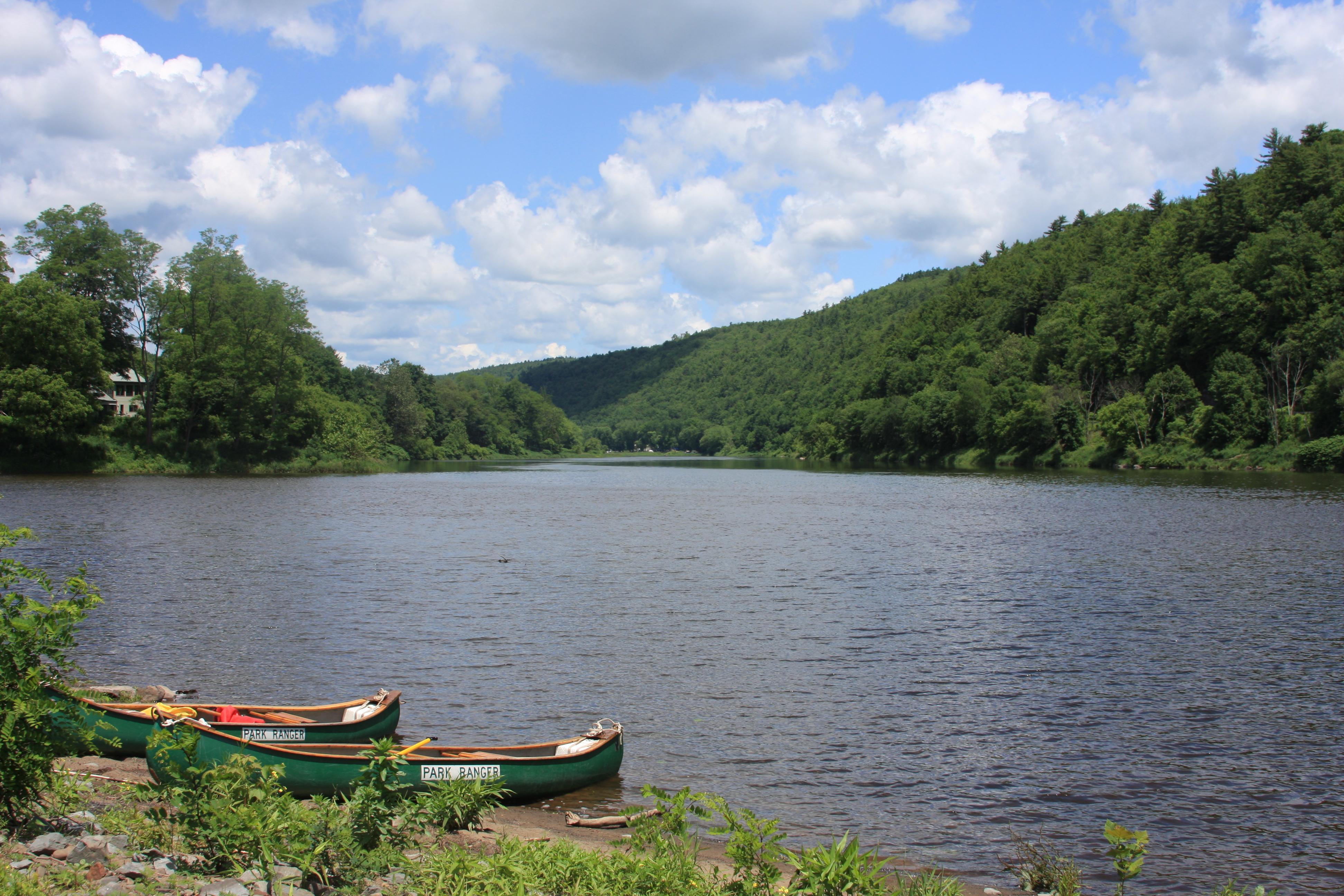
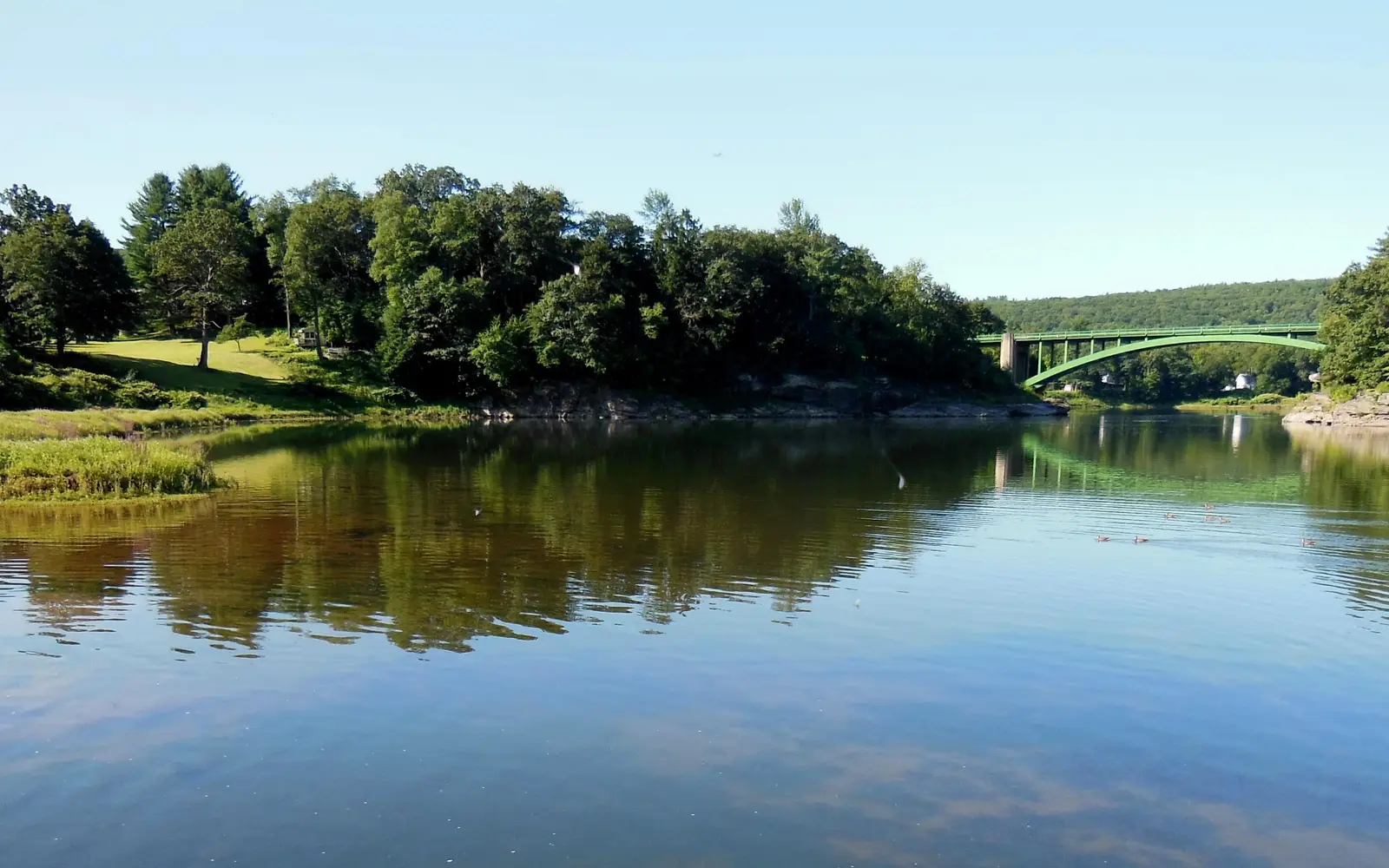
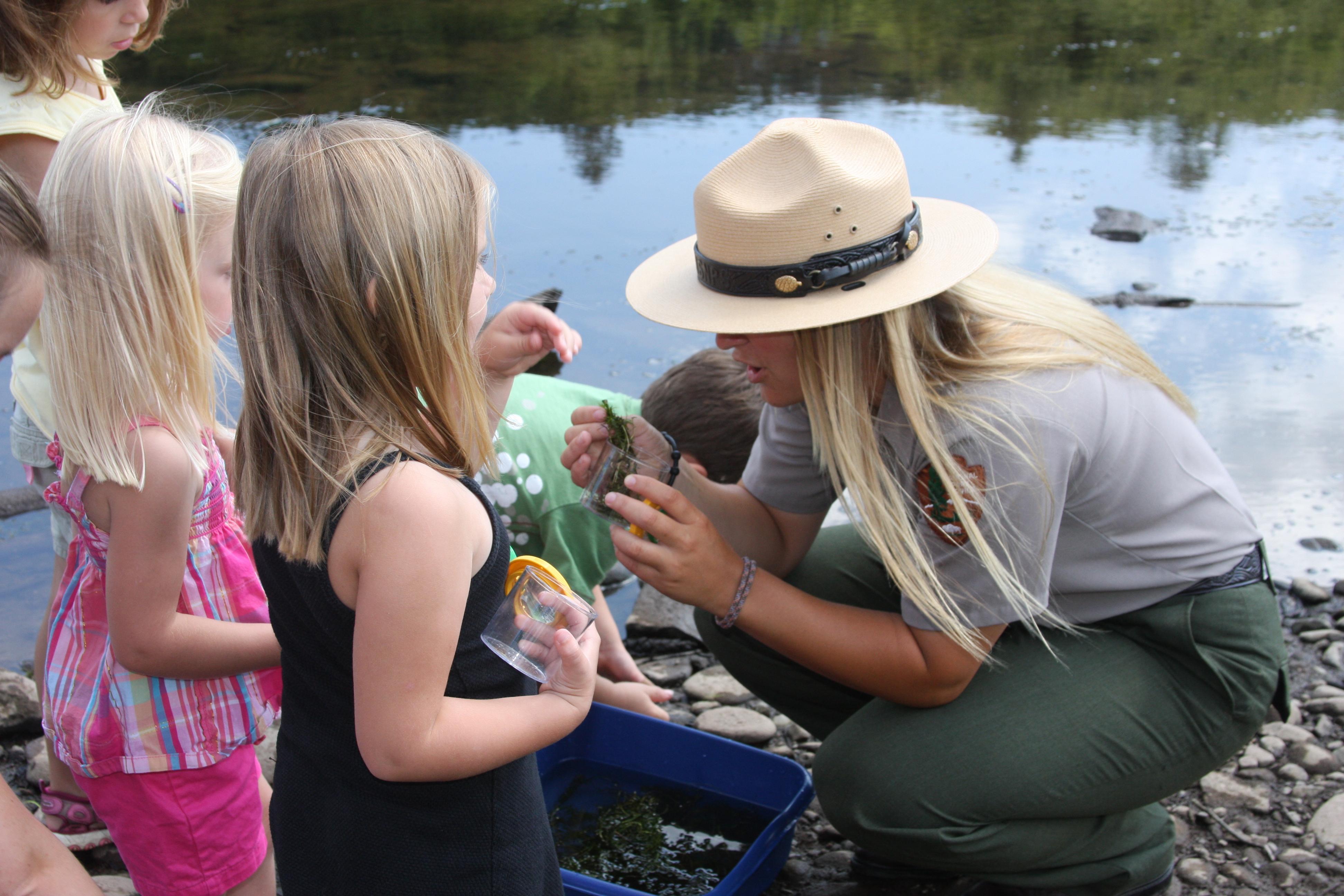
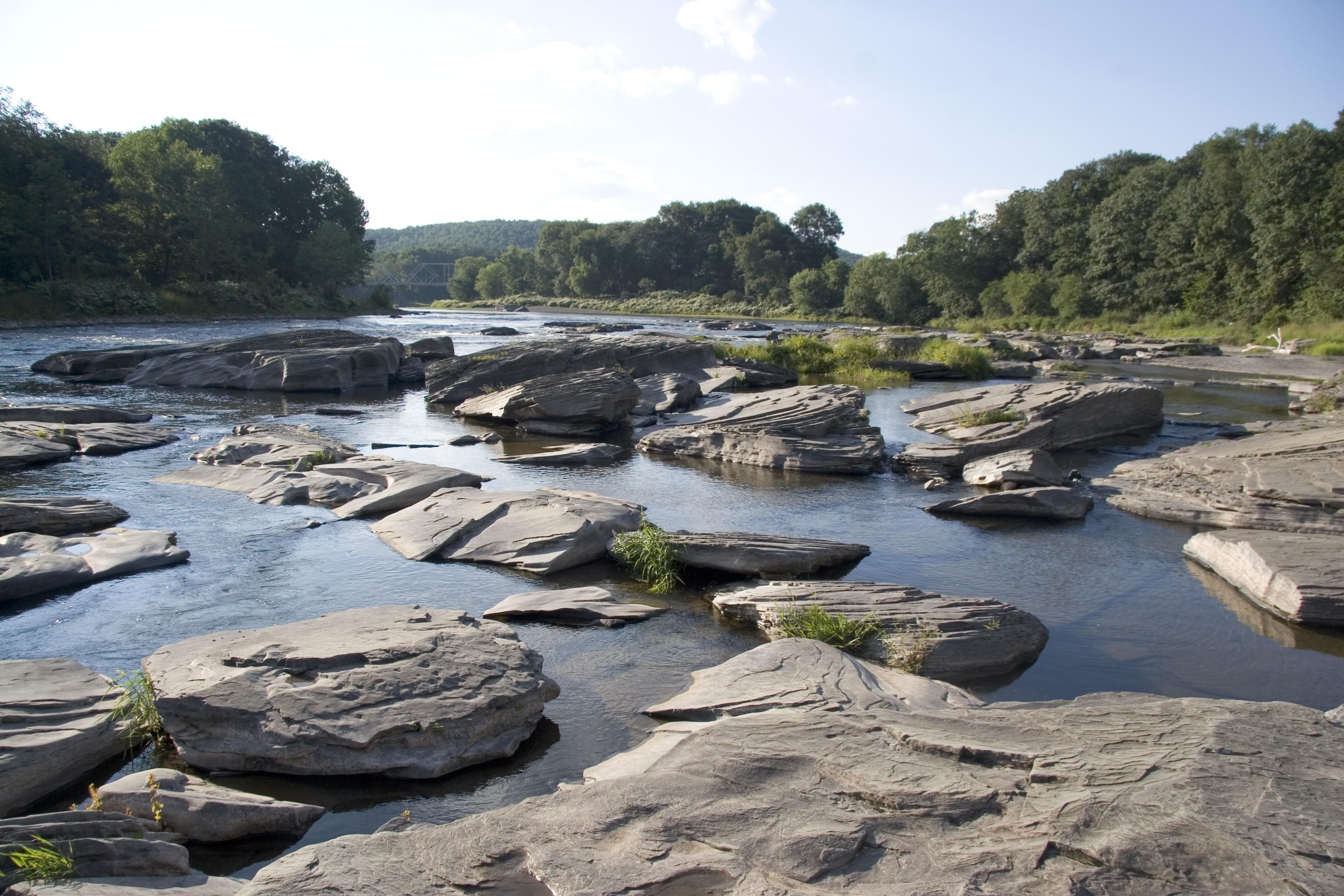
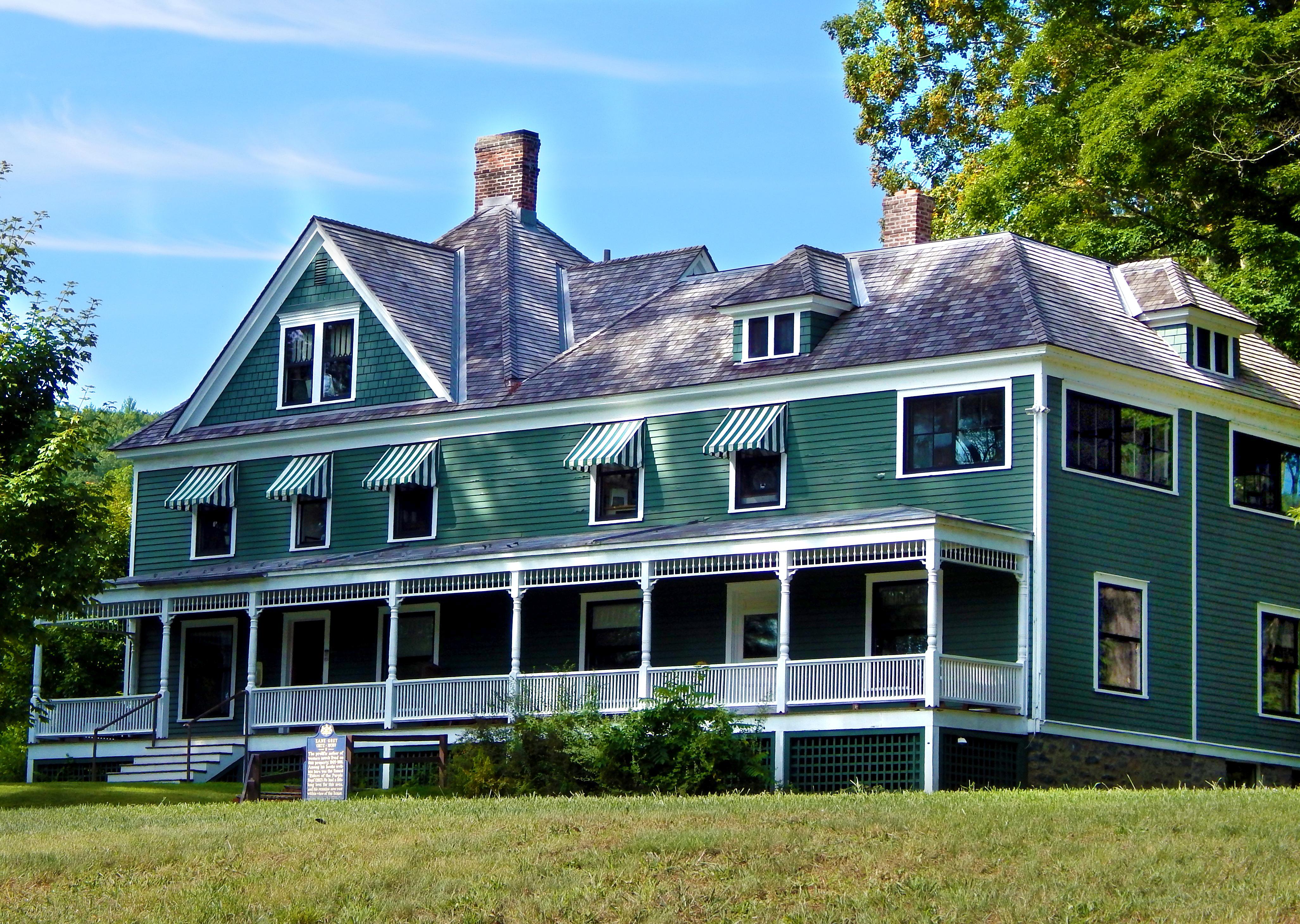
a view of the Delaware Rivera Park Ranger shows children the wonders of naturea rocky shore of the Delaware Riverthe Zane Grey Museum at Upper Delaware Scenic and Recreational River
Scenic & Recreational RiverNY / PA

Upper Delaware Scenic & Recreational River

NPS / NPS Photo
100/ 100DOES IT ALL
parkverdict Experience ScoreIndependent, not sponsored

100 of 100. Our independent breadth-and-access index. How we score

Worth it?

Is Upper Delaware Scenic & Recreational River worth it?

The Upper Delaware Scenic and Recreational River is a genuine rarity in the crowded Northeast: a free, 73-mile stretch of undammed, legitimately clean river running along the New York-Pennsylvania border, with real wilderness character and a full range of water-based activity.

This is not a monument or a museum park you check off in an afternoon. It is a working corridor where the experience depends almost entirely on what you bring to it, whether that is a canoe, a fly rod, a tent, or just a tube and a cooler. The river cuts through a valley of small towns and forested ridgelines, and because there is no dam, water levels and current actually behave the way a river should. For paddlers, anglers, and anyone wanting a multi-day float trip within driving distance of New York City or Philadelphia, this is one of the best public land assets in the region.

The case for it

Most good days here begin on the water. Paddlers can choose anything from calm flatwater pools to genuine whitewater, depending on the section and the season, and the river runs long enough that a multi-day canoe camping trip is worth putting on the calendar. Fly fishing on the Delaware has a serious reputation across the Northeast, fed by cold, clean water that holds strong populations of wild trout. Birdwatchers and wildlife watchers get the benefit of an intact riparian corridor running the full length of the valley. On land, trails climb to forested ridgelines above the river, and the small riverfront villages scattered along the corridor have a low-key, genuinely Catskills-and-Pocono-fringe feel. The Junior Ranger program makes a visit workable with kids in tow. There is no entrance fee, so the only real costs are gear and time.

Who it is for

Paddlers, anglers, and canoe campers are the ones who really get what this park offers. Families comfortable on moving water fit in naturally, and so do fly fishers planning a multi-day trip. If you need a visitor center to anchor your day, or one dramatic landmark to organize around, you may find the park feels spread out and loosely structured. Come with a plan.

Best time to visit

Summer is when most families show up, drawn by tubing, kayaking, and general paddling around. Temps hold in the 70s and 80s, and rain rarely causes problems. Spring brings higher, faster water, which experienced paddlers tend to prefer, and the fly fishing gets noticeably better. Fall is tough to top for scenery, with foliage peaking in October and cooler weather keeping crowds down. Once ice starts forming on the launches, winter shuts most access down pretty quickly.

Worth seeing

  • Multi-day canoe and kayak camping along one of the last undammed rivers in the eastern United States
  • Fly fishing and freshwater fishing in a cold, clean river with a strong regional reputation among anglers
  • Whitewater rafting and tubing options across varying sections and skill levels
  • Fall foliage paddling with peak color typically in October along the forested valley corridor
  • Birdwatching and wildlife watching along an intact, healthy riparian ecosystem
  • Free access with no entrance fee across the entire 73-mile corridor

Before you visit

Getting in costs nothing, but you will need to bring your own gear or pick up a rental from one of the outfitters in the towns nearby. River conditions shift with the season and how much rain has fallen, so call the park River Hotline before you head out. The park spans two states, with access points on both banks, so sort out your put-in and take-out locations before you show up.

Our tipBefore you paddle any section of the Delaware, call the river hotline and check current flow levels. Levels rise fast after rain. A stretch that feels like gentle tubing water at low flow can turn into serious whitewater within 48 hours of a storm.

How we scored it

Behind the 100

The number is not a mood. It is a few things we can actually check in public records, added up and capped so no single one runs away with the total. It tracks how much a place has going on and how easy it is to reach, and nothing about scenery or crowds. Here is what added up to 100:

  • Activity breadth20 documented activities
  • Topic breadth28 topics
  • Official imagery6 public-domain images
  • Camping on sitedocumented
  • Entry costfree

No number is hand-adjusted and no unit pays for placement. The full weights, the floor at 18 and a worked example are on how we score.

The honest limits

What the score cannot tell you

A quick honest note. The score tracks how much a place has going on and how easy it is to reach, both pulled from public records. What it cannot see is the stuff that often makes or breaks a day: whether the views stop you cold, how packed it gets in season, what the trails are like after rain, or whether you catch a great ranger talk. A small, single-focus site can land below a sprawling park here and still be the better call for your trip. Use the number to compare what places offer on paper, and the verdict up top to tell if it is your kind of place.

Overview

About Upper Delaware Scenic & Recreational River

The Delaware River curves through a valley where the scenery shifts constantly, moving from fast rapids to calm, drifting pools, and it holds some of the best fishing in the northeastern United States. The water stays clean partly because the Delaware draws from the last major undammed river system in the eastern United States, which keeps the ecosystem intact and draws in paddlers looking for a gentle float just as readily as those chasing whitewater.

On documented breadth and access, Upper Delaware Scenic & Recreational River ranks 3rd of 29 park and public-land units we score in New York.

Climate note

Spring temperatures swing between 26°F and 80°F, with around 5 inches of rain, so you can pack for almost anything. Summer is actually milder than most visitors expect, with lows around 55°F, highs around 85°F, and about 4 inches of rainfall. Fall stretches from 30°F to 83°F, and the foliage peaks sometime in October, pushed along by the sharp daily temperature swings that come with the elevation.

Things to do

What it offers

BoatingCampingFishingFreshwater FishingFly FishingHikingPaddlingCanoeingCanoe or Kayak CampingKayakingWhitewater RaftingJunior Ranger ProgramTubingRiver TubingWildlife WatchingBirdwatchingMuseum ExhibitsShopping
Common questions

Upper Delaware Scenic & Recreational River: quick answers

Is Upper Delaware Scenic & Recreational River worth visiting?

The Upper Delaware Scenic and Recreational River is a genuine rarity in the crowded Northeast: a free, 73-mile stretch of undammed, legitimately clean river running along the New York-Pennsylvania border, with real wilderness character and a full range of water-based activity.

Is Upper Delaware Scenic & Recreational River free to visit?

No charge at the gate.

What is Upper Delaware Scenic & Recreational River best for?

It leans hardest toward hiking, camping, good with kids, water activities, going by the 20 activities it actually documents.

When is the best time to visit Upper Delaware Scenic & Recreational River?

Summer is when most families show up, drawn by tubing, kayaking, and general paddling around.

How is the Experience Score for Upper Delaware Scenic & Recreational River calculated?

The 100 comes straight from public data on how much the place documents and how easy it is to reach, things like activities, topics, photos, camping and whether entry is free. It says nothing about scenery or how busy it gets.