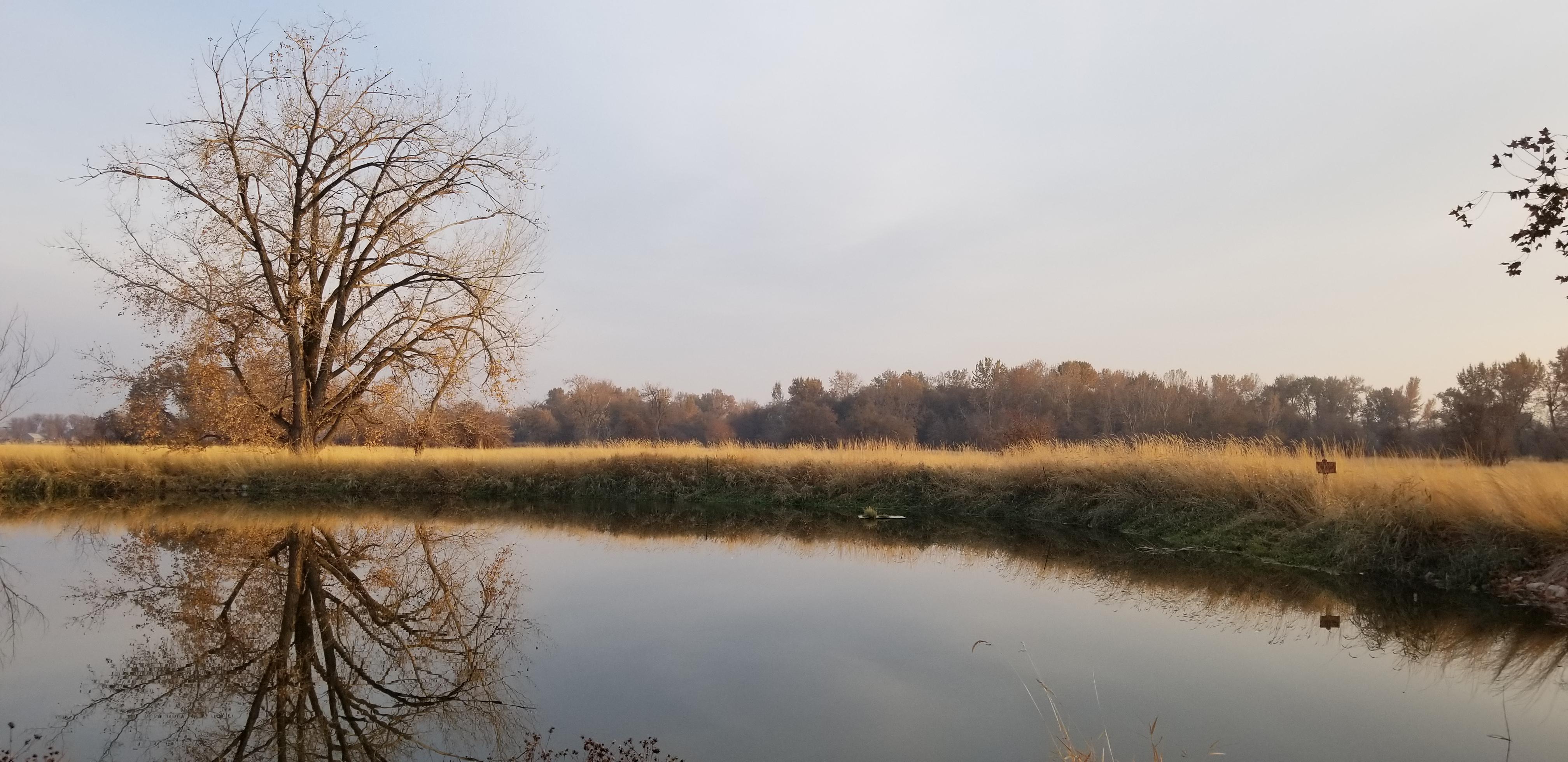
Is Whitman Mission National Historic Site worth your trip?
Whitman Mission National Historic Site near Walla Walla, Washington, offers a potent, if sober, experience.
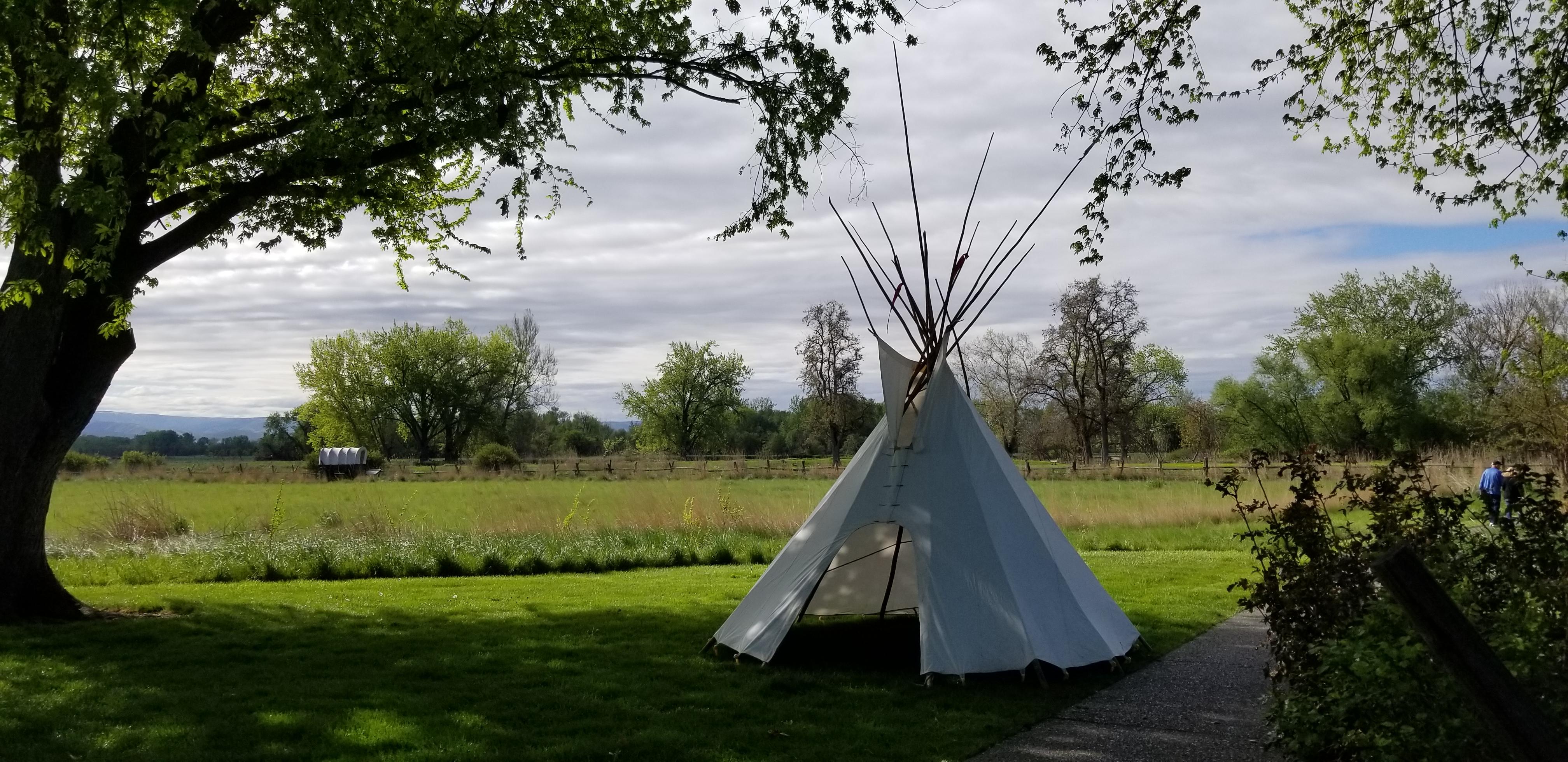
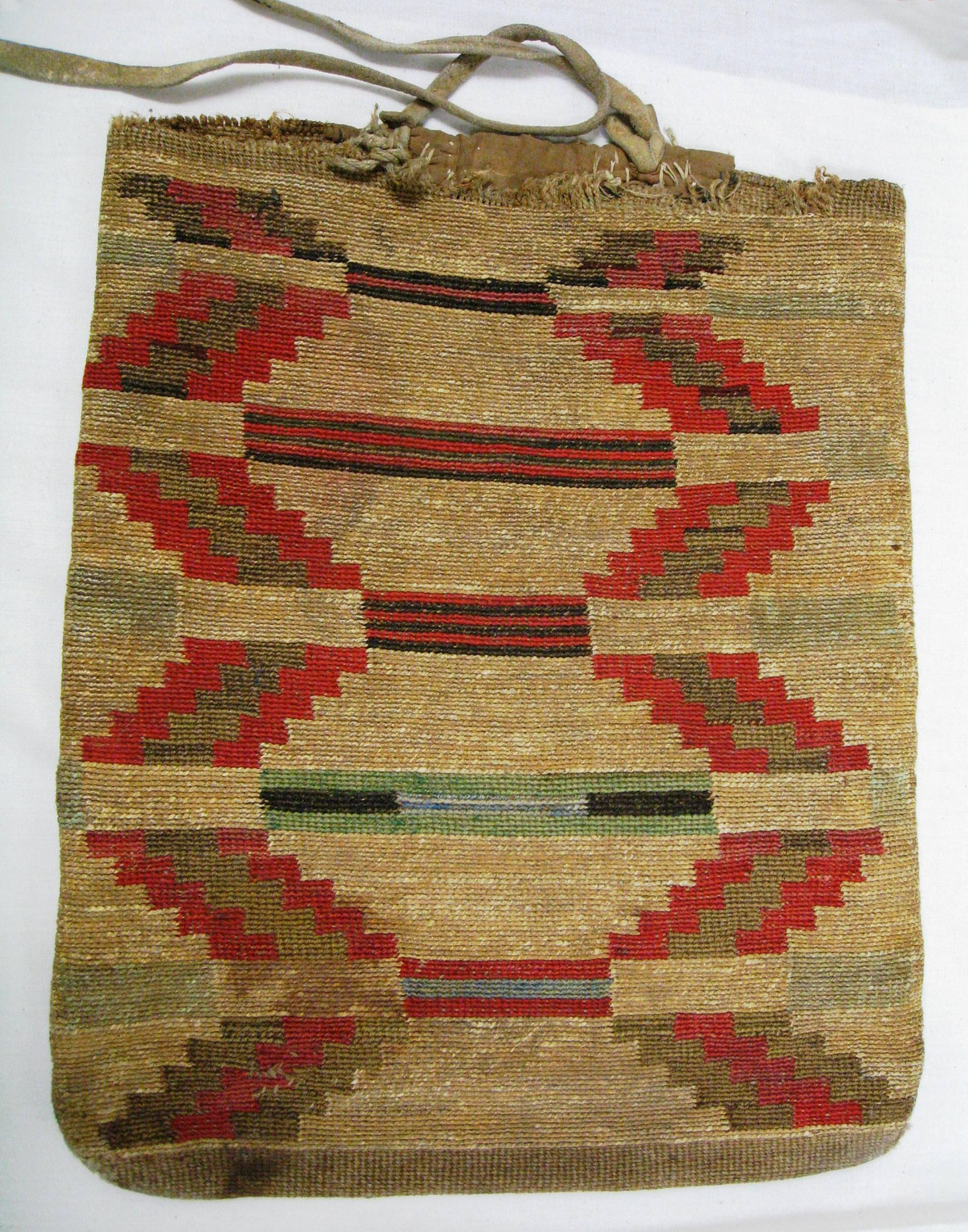
This is not a grand scenic destination. Its modest physical footprint centers on interpretive exhibits and open landscapes, demanding engagement with complex historical narratives rather than natural spectacle. The site directly confronts the collision of Cayuse Nation sovereignty, missionary settlement, Oregon Trail migration, and epidemic disease, culminating in a pivotal, violent chapter of American history. A typical visit spans two to three hours, encompassing the museum, the park film, and a walk through the mission grounds. Free admission and a manageable scale allow for an accessible, impactful experience. For those travelers who prioritize historical depth and are prepared to grapple with morally intricate stories, this site delivers significant thematic weight. Casual sightseers should look elsewhere.
Why go
Whitman Mission presents a compelling interpretive experience for its modest time commitment. Its museum and park film thoughtfully integrate Cayuse perspectives with missionary and settler narratives, a commendable breadth. While a self-guided walking route is available, guided tours enrich the historical context significantly. The grounds offer a tranquil setting for contemplation, open daily from sunrise to sunset. Birdwatching opportunities along the trail corridor provide an additional, understated appeal. A picnic area facilitates a pleasant break. The Junior Ranger program effectively engages younger audiences with intricate historical themes. Its well-appointed bookstore supports further exploration of the site's history. This mission delivers a substantial educational return for the time invested.
Best for
This unit offers significant value for history enthusiasts, particularly those interested in the Oregon Trail and its multicultural narratives, including the Cayuse Nation's perspective. Pacific Northwest road-trippers and educational groups will find it especially rewarding. However, those seeking dramatic landscapes, strenuous trails, or extensive outdoor recreation will be disappointed. This is an intellectual half-day stop, not a wilderness destination.
Best season
Optimum visiting conditions are found in spring and fall. Summer is feasible, but expect high temperatures on the exposed grounds; early arrival, water, and sun protection are essential. Winter brings mild but wet and occasionally snowy conditions, which detract from outdoor enjoyment. The indoor exhibits and film provide a worthwhile experience year-round.
The high points
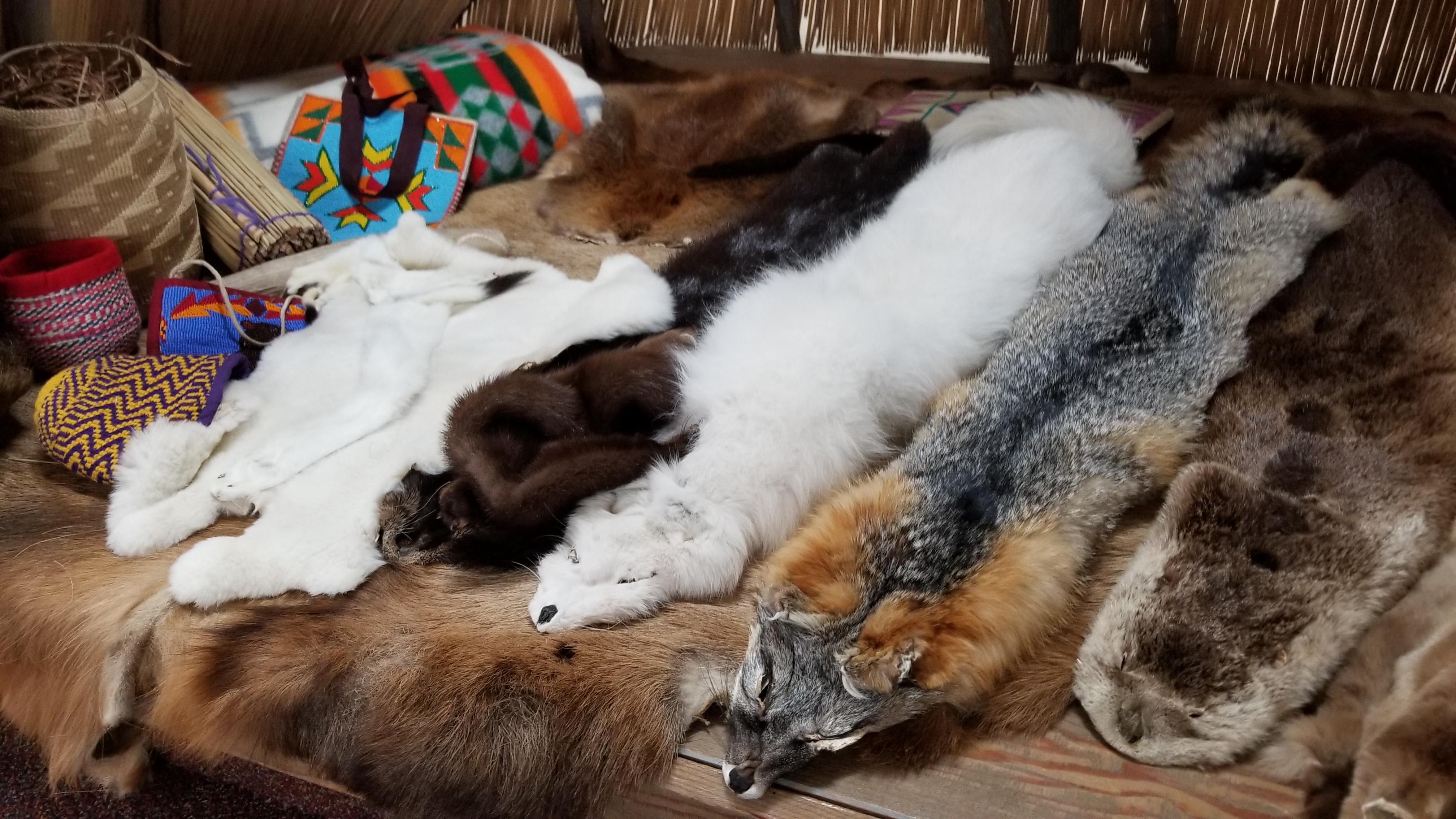
- Park film and museum exhibits presenting the Cayuse, missionary, and settler perspectives on a pivotal historical collision
- Guided tours that add interpretive depth beyond what the self-guided walking route covers alone
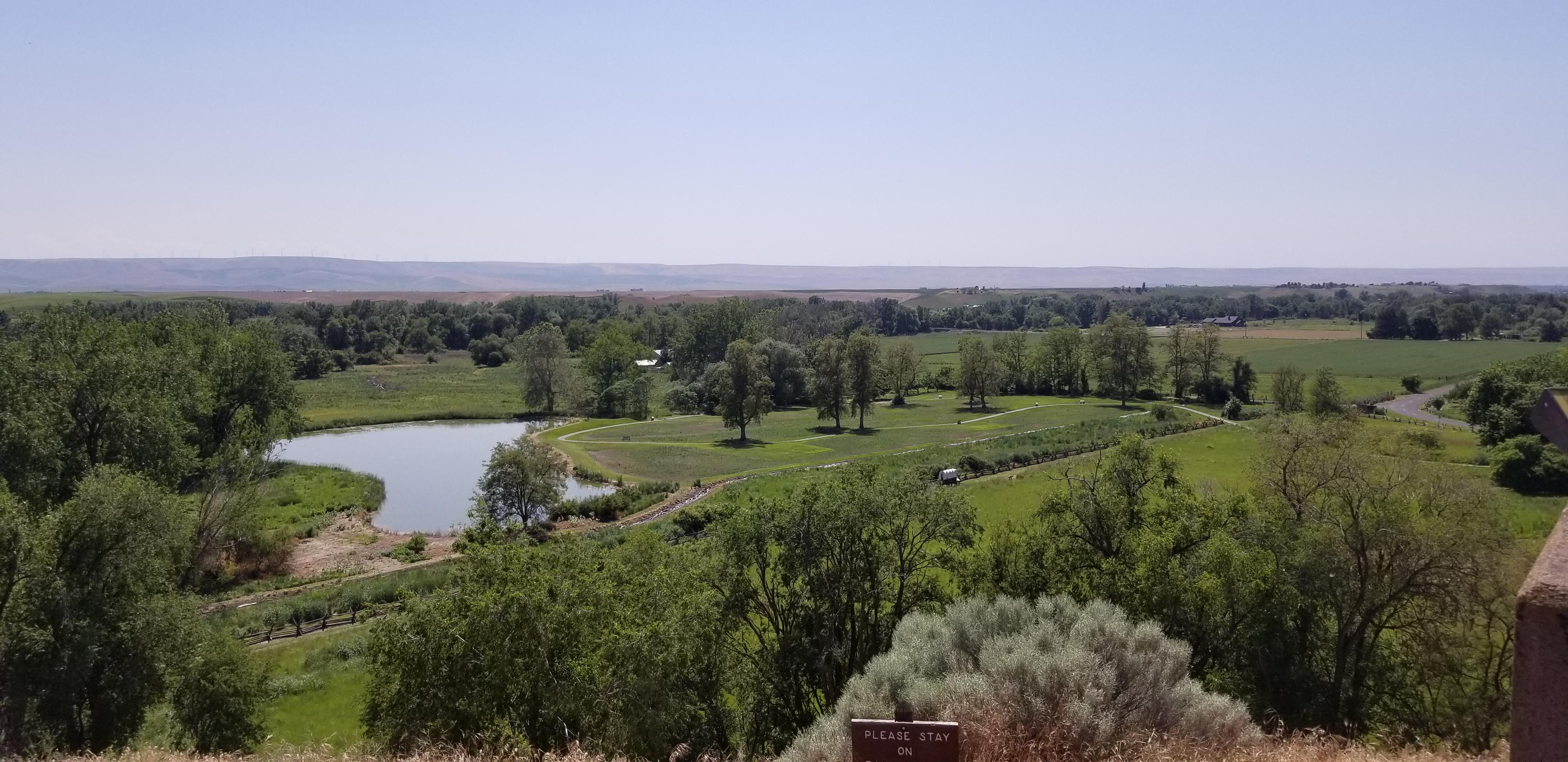
- Self-guided walking trail through the historic mission site grounds, open daily from sunrise to sunset
- Birdwatching and wildlife watching opportunities along the trail corridor in a quiet, open landscape
- Junior Ranger Program that engages kids with complex, real history in a structured way
- Well-stocked bookstore for visitors who want to continue exploring Cayuse and Oregon Trail history after leaving
Know before you go
This unit offers a free, accessible day out, ideally combined with a visit to Walla Walla. The grounds accommodate casual exploration from sunrise to sunset. While no specialized gear is essential, summer visits necessitate water and sun protection. Confirm visitor center and museum hours with NPS in advance, as indoor schedules vary.
One more thingThis park unit rewards preparation. Viewing the park film before walking the grounds reframes the landscape, deepening its meaning considerably. For those able to time it correctly, a guided tour further enhances this experience. This is not a unit for casual, unguided exploration.