Wheeler National Wildlife Refuge: our verdict
Wheeler National Wildlife Refuge presents a compelling destination for dedicated naturalists.
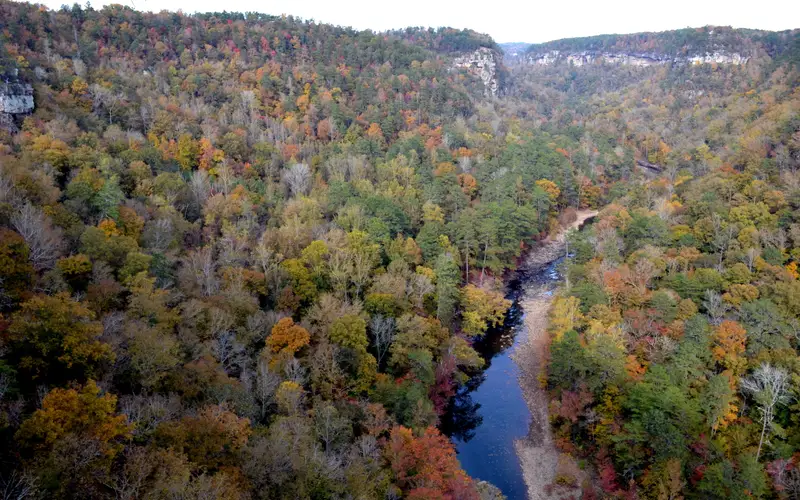
Spanning 35,000 acres of the Tennessee River valley in northern Alabama, this 1938 establishment pioneered the overlay of a wildlife refuge onto a hydroelectric impoundment. Its original mission in waterfowl management has matured, rendering it a premier migratory bird stopover in the Southeast. The refuge documents over 295 bird species. Habitat diversity is a key asset: river channels, tupelo swamps, bottomland hardwoods, pine uplands, and agricultural fields all converge. This is not a park defined by grand vistas; it demands a focused approach. Visitors seeking dramatic landscapes or waterfall hikes will likely find it underwhelming. However, for birders, paddlers, and wildlife photographers, the refuge offers a free, well-supported, and ecologically rich experience. Patient observation is rewarded here.
Why visit
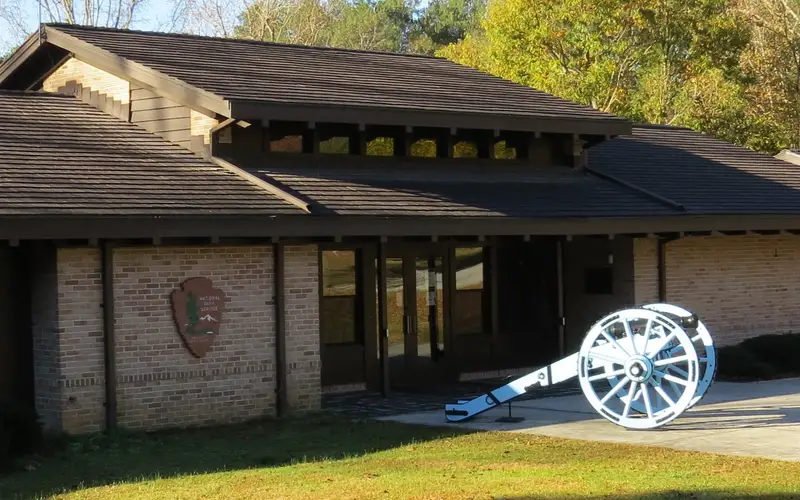
Wheeler offers a compelling natural experience, particularly for those with specific interests. The visitor center provides valuable interpretive programs. Its landscape transitions rapidly from open water to swamp to upland forest. This diversity supports excellent birding and wildlife viewing. Motorized and non-motorized boating are both permitted. Kayaks and canoes allow access to backwater embayments and tributary creeks, reaching areas inaccessible on foot. Fishing is permitted; varied angling opportunities exist across deep river channels and shallow wetlands. Hiking and biking trails cover drier upland sections. During peak waterfowl migration, the impoundment hosts a significant staging area for ducks and geese, a notable and free spectacle in the Southeast.
Who it suits
Wheeler provides a focused experience for specific outdoor enthusiasts. Birders and waterfowl observers, particularly during fall and winter migration, constitute the primary audience. Paddlers, anglers, and wildlife photographers will also find ample opportunities. Documented access exists for horseback riders. However, those seeking dramatic scenery, strenuous trail systems, or brief scenic overlooks should consider other destinations. The scale here is the draw. Casual sightseers should look elsewhere.
Timing your visit
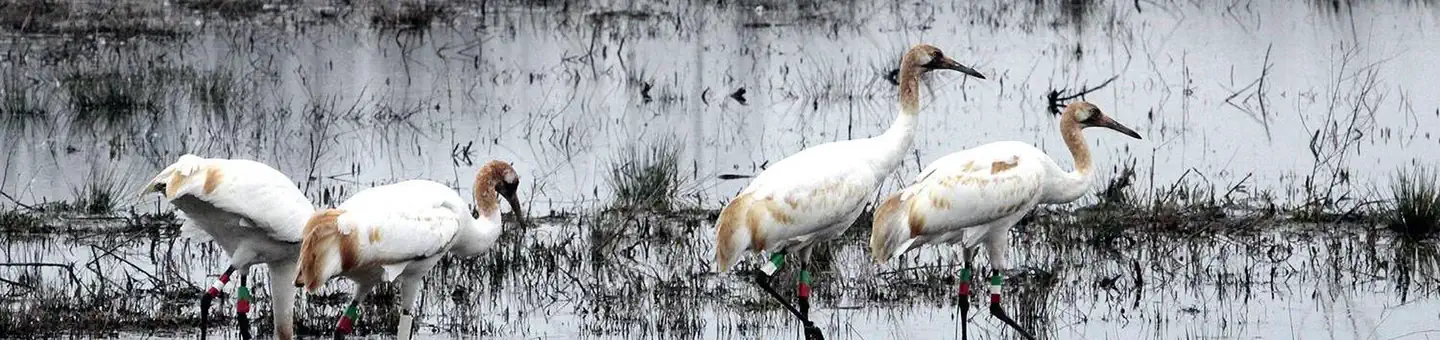
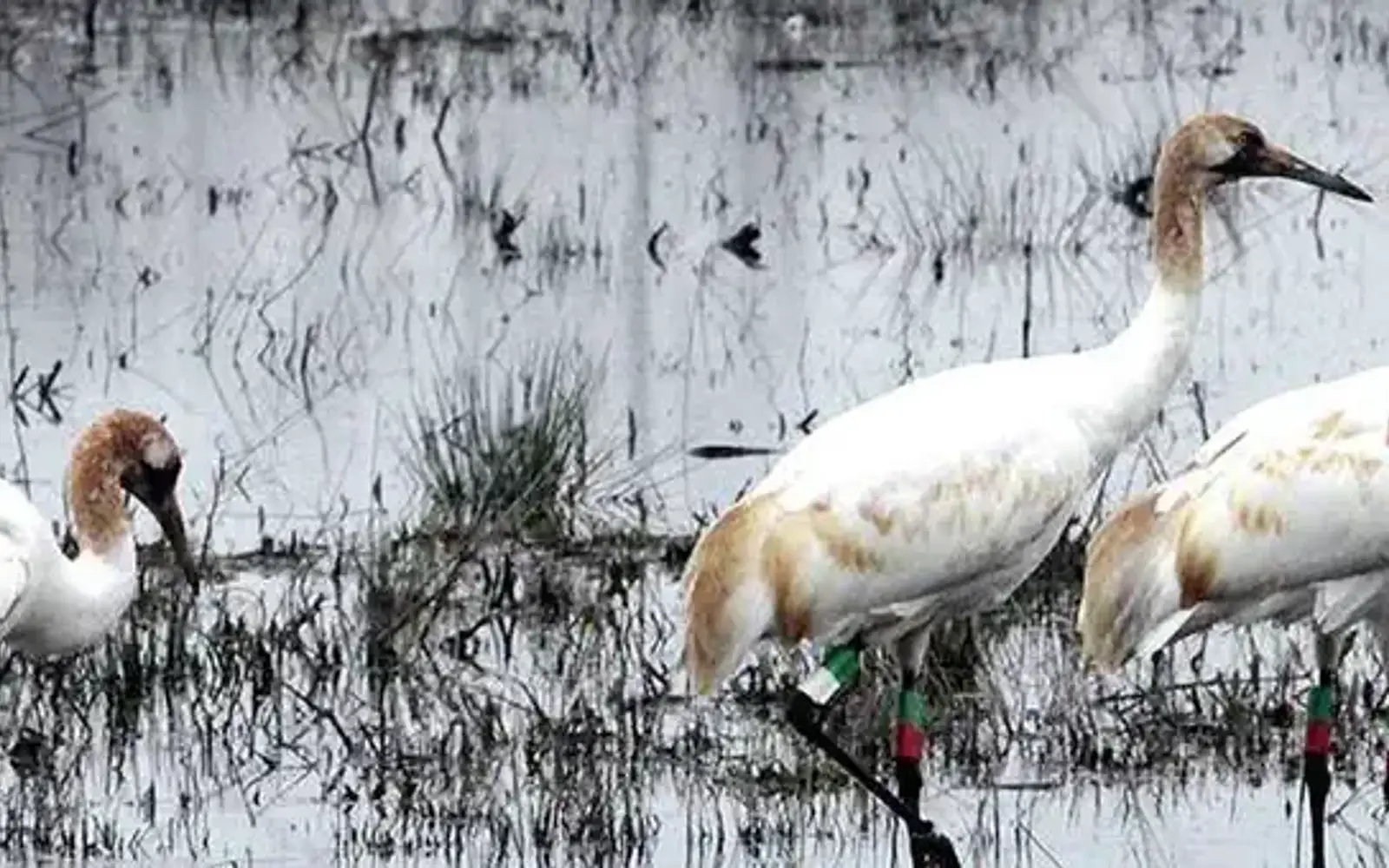
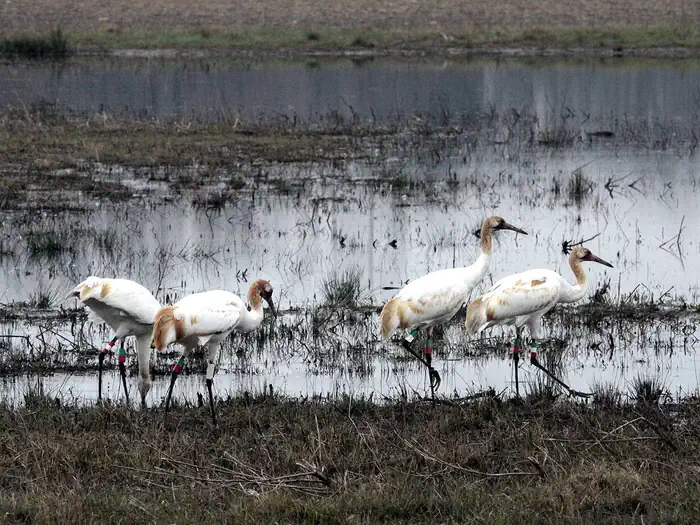
Wheeler's most compelling draw is its seasonal birdlife. Peak viewing for migratory waterfowl runs from October through February, when large numbers congregate on the impoundment. Spring offers a secondary, distinct viewing opportunity with neotropical migrants. Summer is the least active period for birdwatching. However, the unit remains suitable for fishing, paddling, and observing resident species year-round. Prioritize fall and winter for a prime birding experience.
What stands out
- Over 295 documented bird species, with peak waterfowl concentrations on the impoundment in fall and winter
- Paddling the backwater embayments and tupelo swamps by kayak or canoe
- Interpretive programs at the visitor center that frame the refuge's history as a New Deal-era conservation experiment
- Fishing across a diverse mix of river channels, creeks, and open water
- Biking and hiking through upland pine and bottomland hardwood habitat
- Free access to 35,000 acres of managed wildlife habitat in northern Alabama
Good to know
Entry requires no fee. The visitor center offers essential resources: maps, program schedules, and current wildlife data. Consult the refuge hunt schedule before traversing unfamiliar sections, as hunting occurs in designated areas and seasons. Boaters must confirm launch access points; not all shoreline is open.
Insider tipBetween November and February, organized crane and waterfowl viewing programs run from the visitor center. These programs position visitors at proven observation points during peak activity windows. Checking the refuge's program calendar before a visit is advised. These structured programs significantly improve the odds of witnessing large waterfowl concentrations.