Is Horseshoe Bend National Military Park worth it?
Horseshoe Bend National Military Park commemorates a pivotal, bloody American battle.
On March 27, 1814, Andrew Jackson's forces defeated the Red Stick Creek, resulting in over 800 Creek warrior deaths and the cession of 23 million acres. The park's experience score of 88 indicates surprising breadth for a historical site. This is more than a simple monument. Visitors can engage in hiking, paddling, fishing, and scenic drives, with direct access to the Tallapoosa River. Living history programs further enrich the experience. Both history enthusiasts and outdoor recreationists will find reward here. The site’s profound emotional and political weight, marking the near-annihilation of a people and the rise of a future president, imbues the landscape with a lasting gravity. Admission is free. While it lacks dramatic geological features, it offers a deeply layered historical and natural encounter.
The case for it
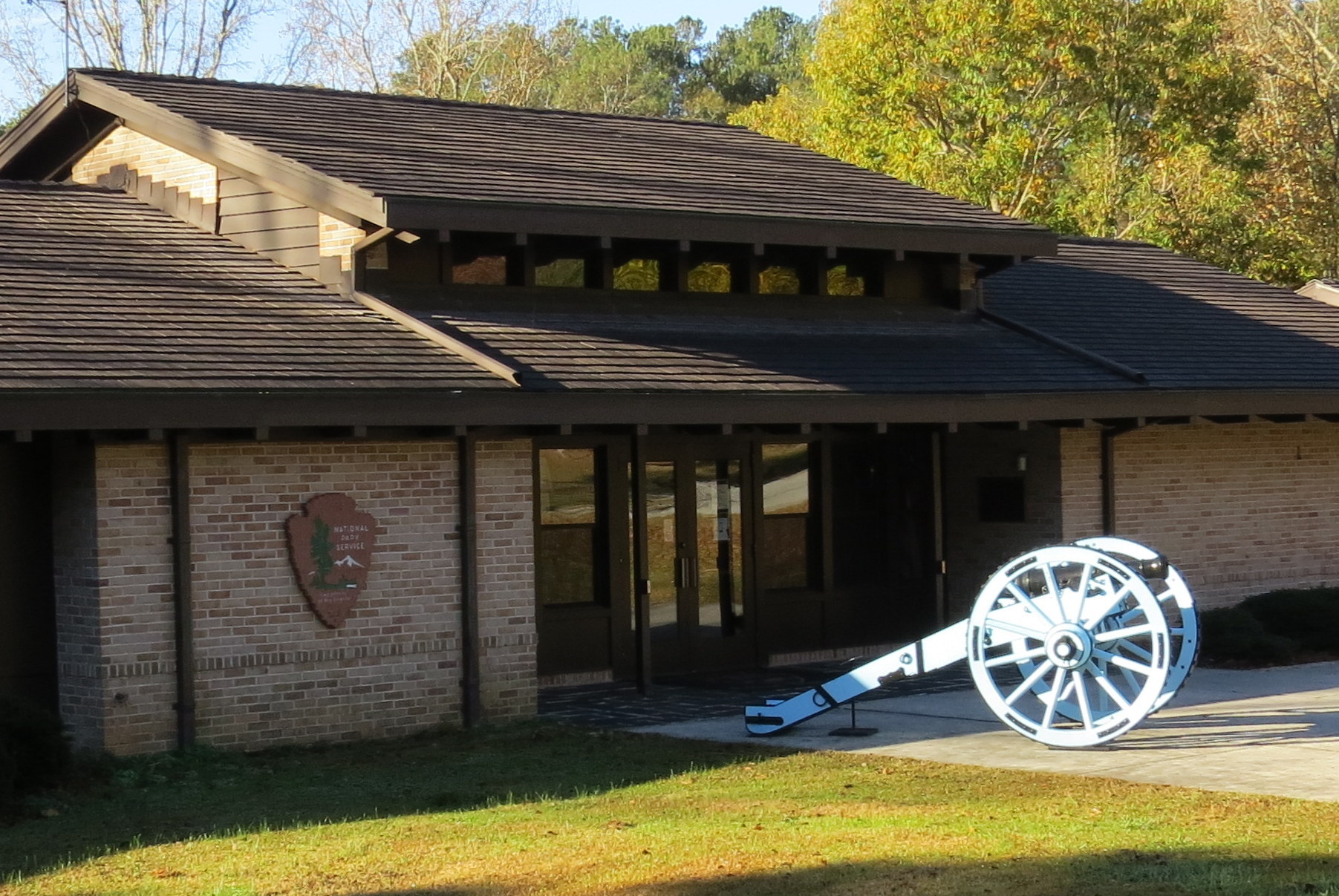
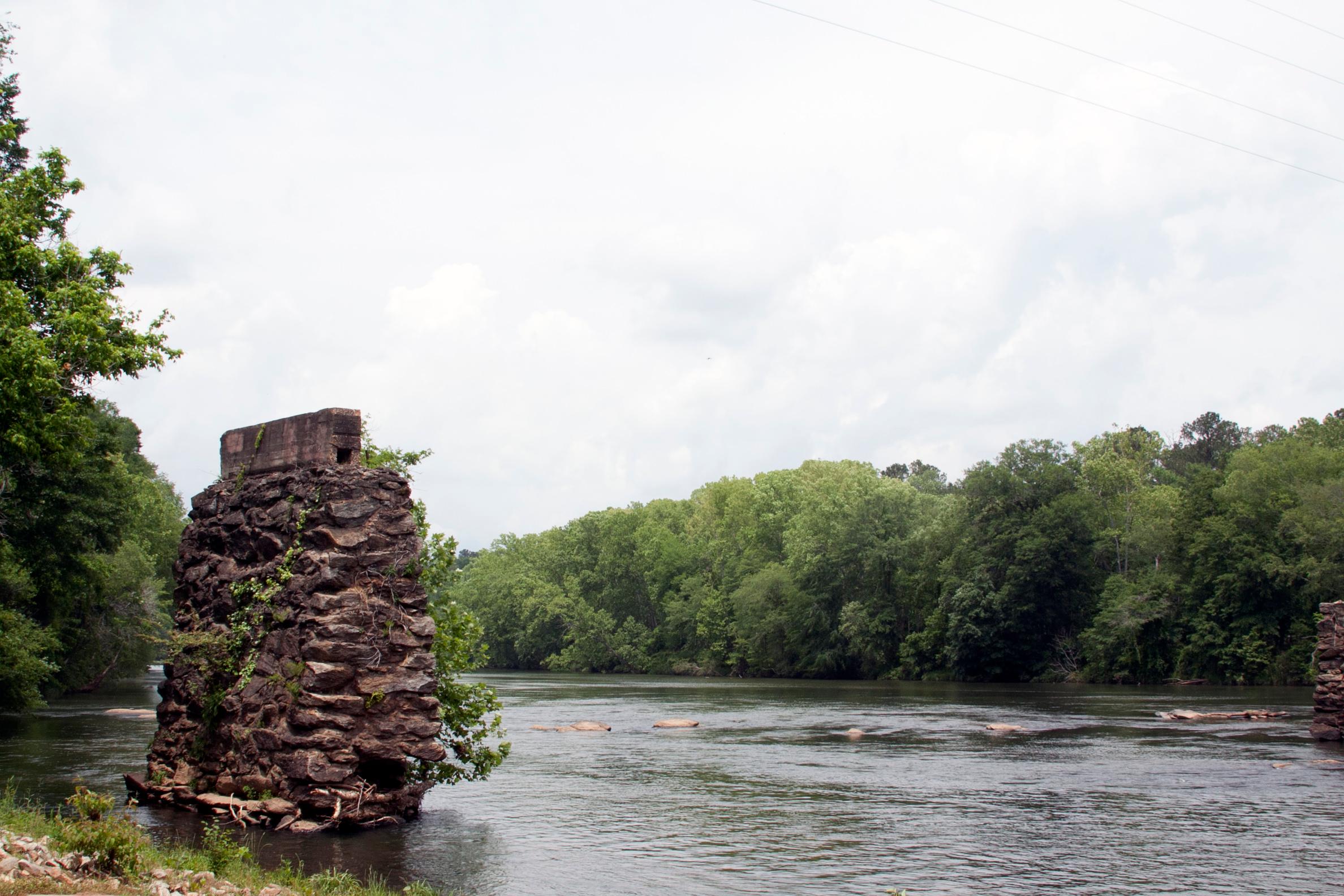
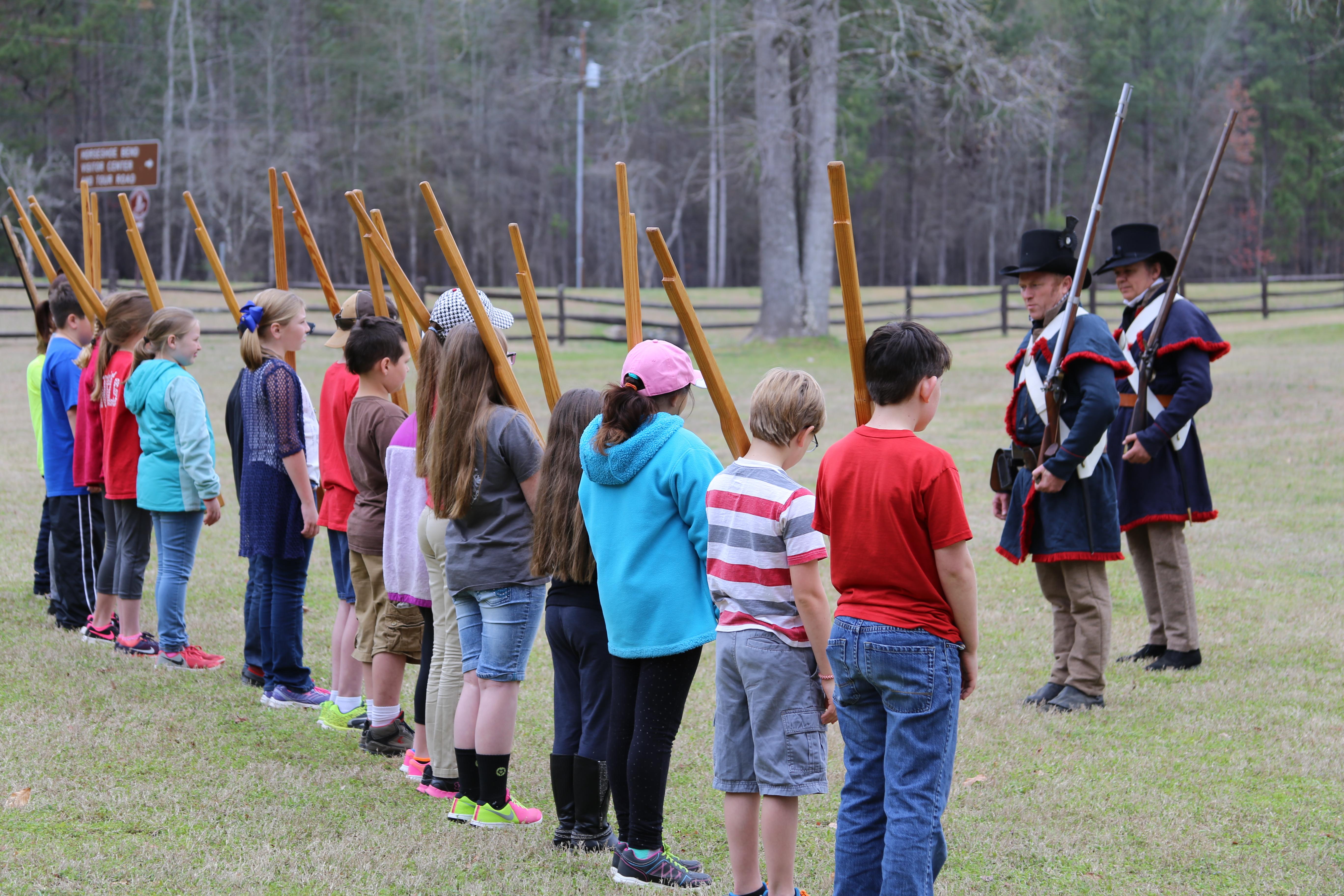
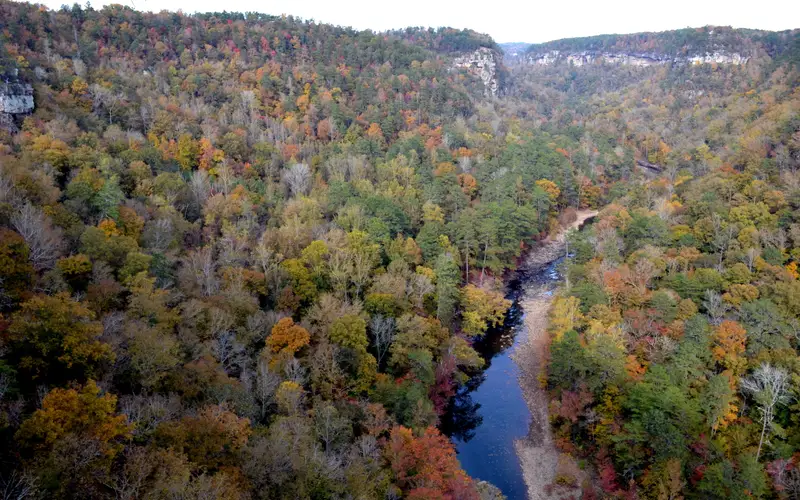
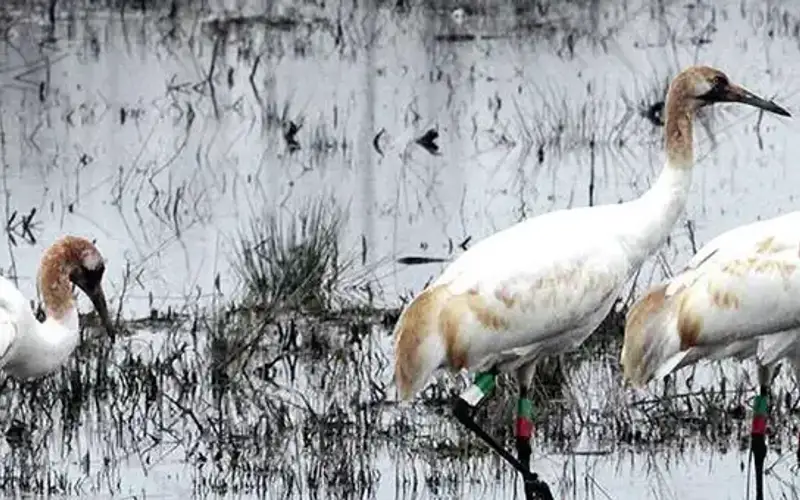
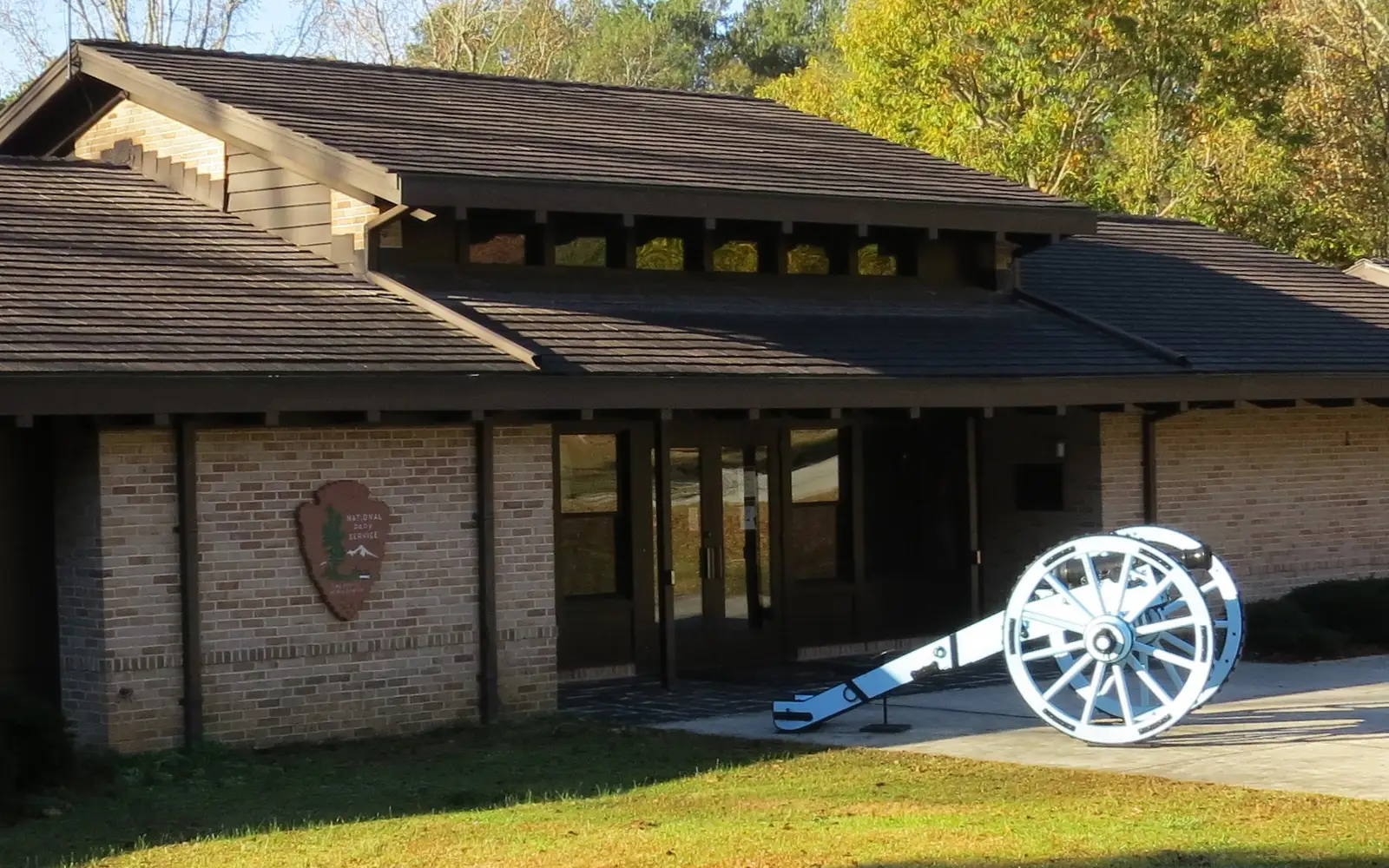
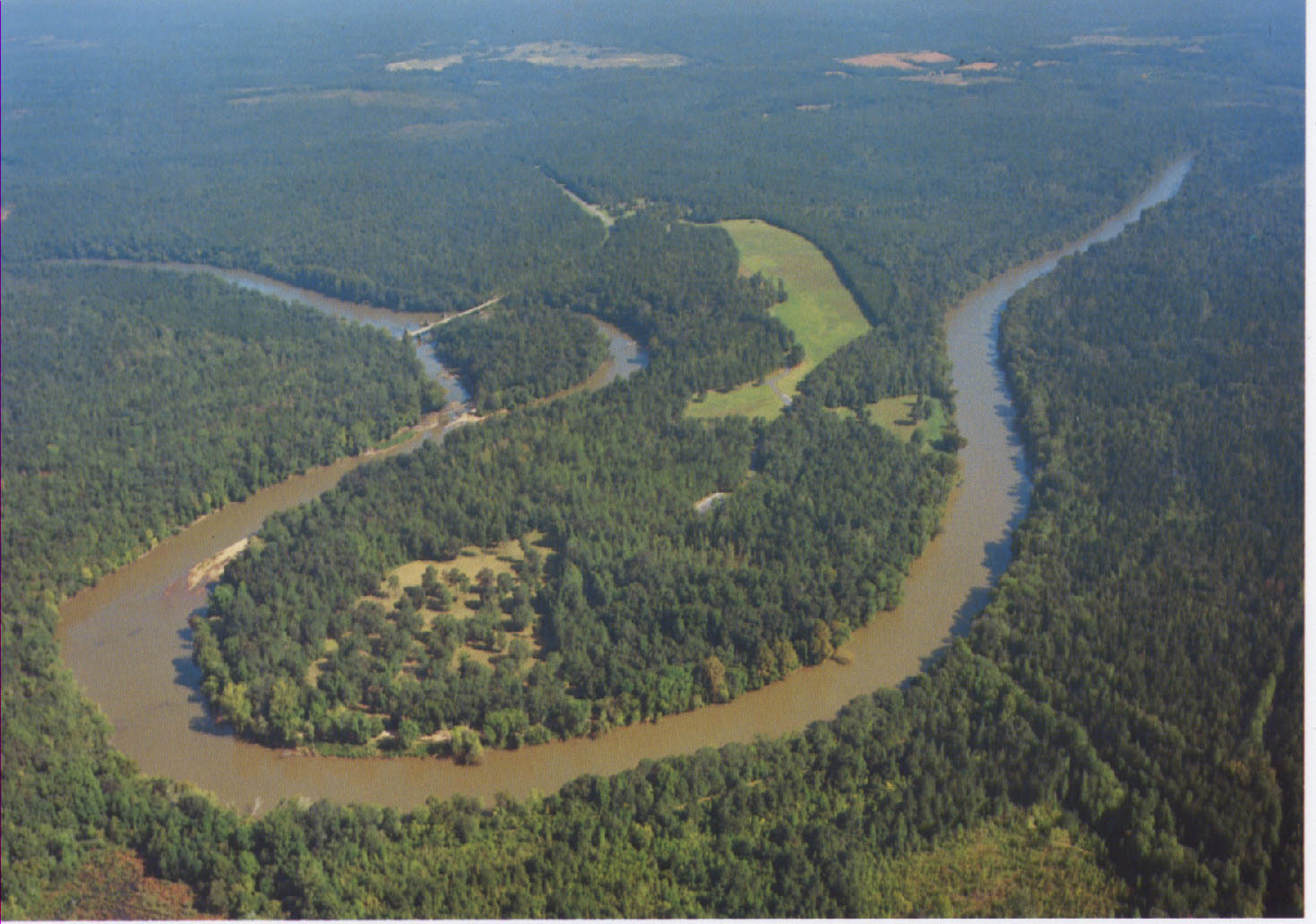
Horseshoe Bend National Military Park offers a potent blend of history and natural recreation. The visitor center provides essential context through its film and exhibits on the Creek War, preparing visitors to engage with the battlefield itself. Self-guided walking and auto tours allow for individual pacing. A significant advantage is river access: the Tallapoosa River, forming the park's namesake bend, is open for canoeing, kayaking, and freshwater fishing, adding an uncommon water-based dimension for a military park. Scheduled living history events, reenactments, and weapons demonstrations elevate the educational impact significantly. The river corridor also supports birding and wildlife watching. Picnic areas and a boat launch enhance the amenities. The Junior Ranger program is available for families, while adults will find ample interpretive signage. This site serves those seeking a layered historical experience with outdoor activity.
Who it is for
For those with a deep interest in the Creek War, Andrew Jackson, or early American expansion, this unit is essential. Paddlers and anglers will find a meaningful historical backdrop for their river activities. Families are well-served by free admission, a Junior Ranger program, and diverse activities. Casual tourists seeking dramatic landscapes without a historical focus may find the flat river terrain underwhelming.
Best time to visit
Optimal visitation falls in spring and autumn. During these seasons, temperatures are mild, humidity remains manageable, and wildlife along the Tallapoosa is active. Peak summer brings punishing Alabama heat and humidity, especially by midday, and aggressive insects; this period is best avoided. Winter visits are feasible on clear days. However, cold and damp conditions significantly limit comfort. For an enhanced experience, research living history and reenactment event schedules in advance.
Worth seeing
- Paddling or kayaking the actual horseshoe bend of the Tallapoosa River where the battle took place
- Museum exhibits and park film contextualizing the Creek War and its massive land consequences
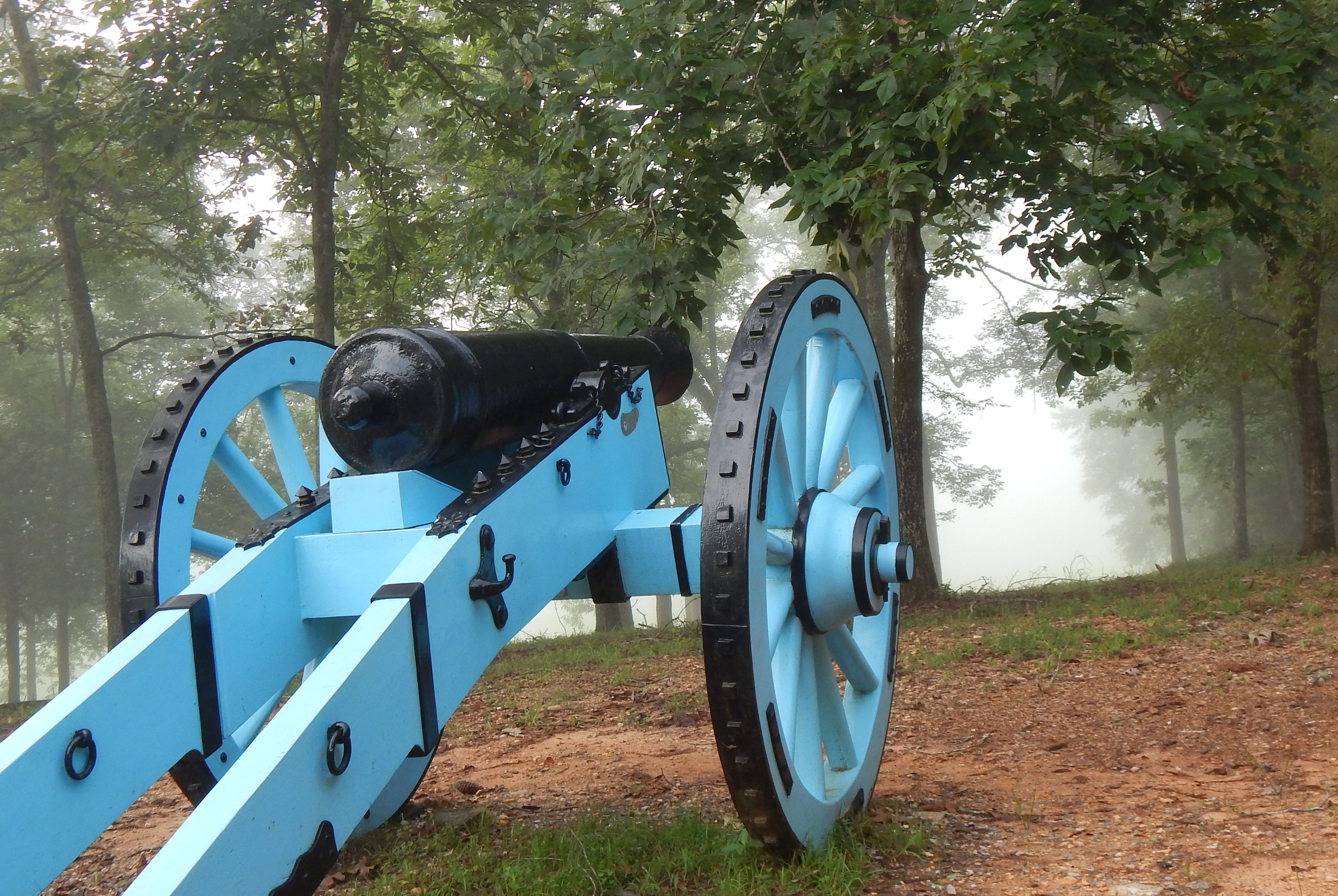
- Living history demonstrations including historic weapons presentations
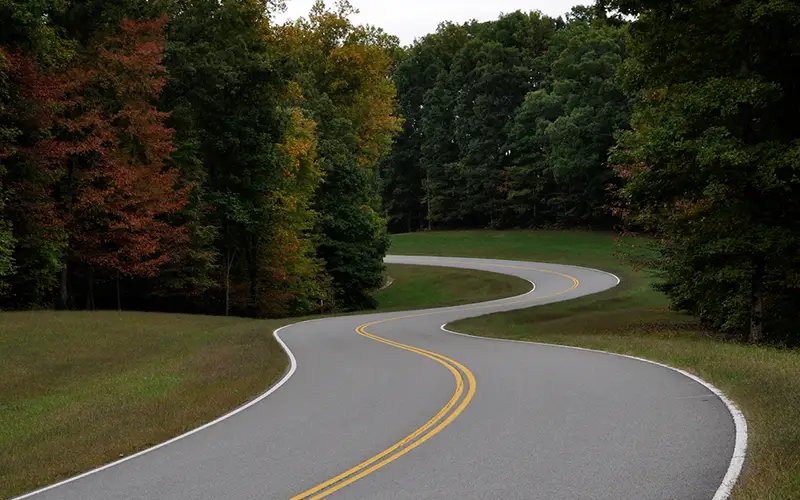
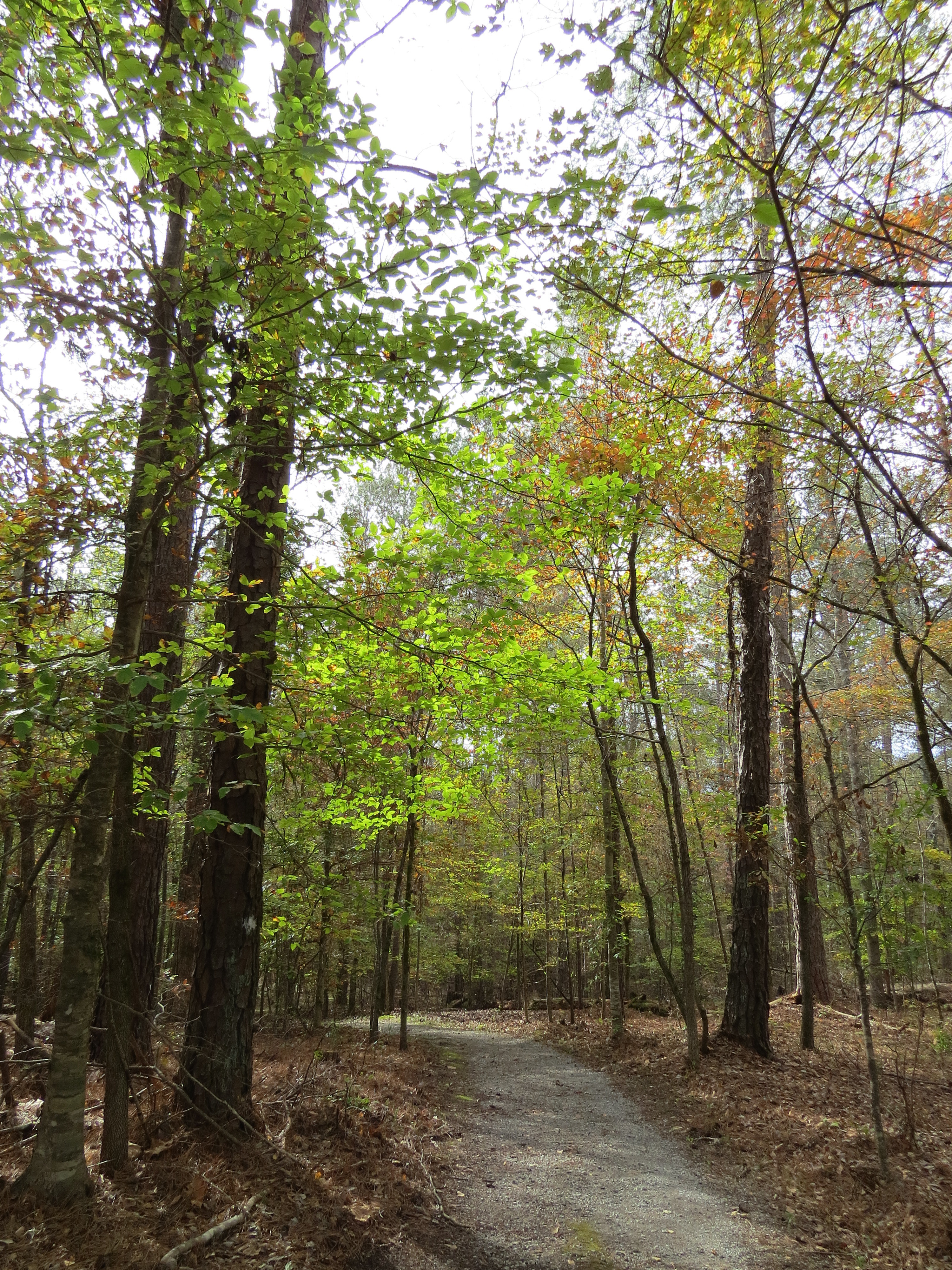
- Self-guided auto and walking tours across the battlefield terrain
- Freshwater fishing and boat launch access on the Tallapoosa
- Stargazing potential in a rural Alabama setting away from major urban light pollution
Before you visit
This park caters to day visitors. Admission is free, with grounds and trails open 8 a.m. to 5 p.m. CST, aligning with the visitor center's 9:30 a.m. to 4:30 p.m. hours. A sunset boat launch closure extends water access for paddlers and anglers. Practical advice for warm months includes insect repellent and sunscreen; summer visits require early starts to avoid midday heat. Plan accordingly for a full day of activity, but do not expect extended evening access.
Our tipThe bend offers a compelling paddle, ideally undertaken early. Morning light best illuminates the river. This orientation provides context to the topography and the tactical challenges faced by Creek defenders. The geography itself serves as a primary exhibit.