parkverdict
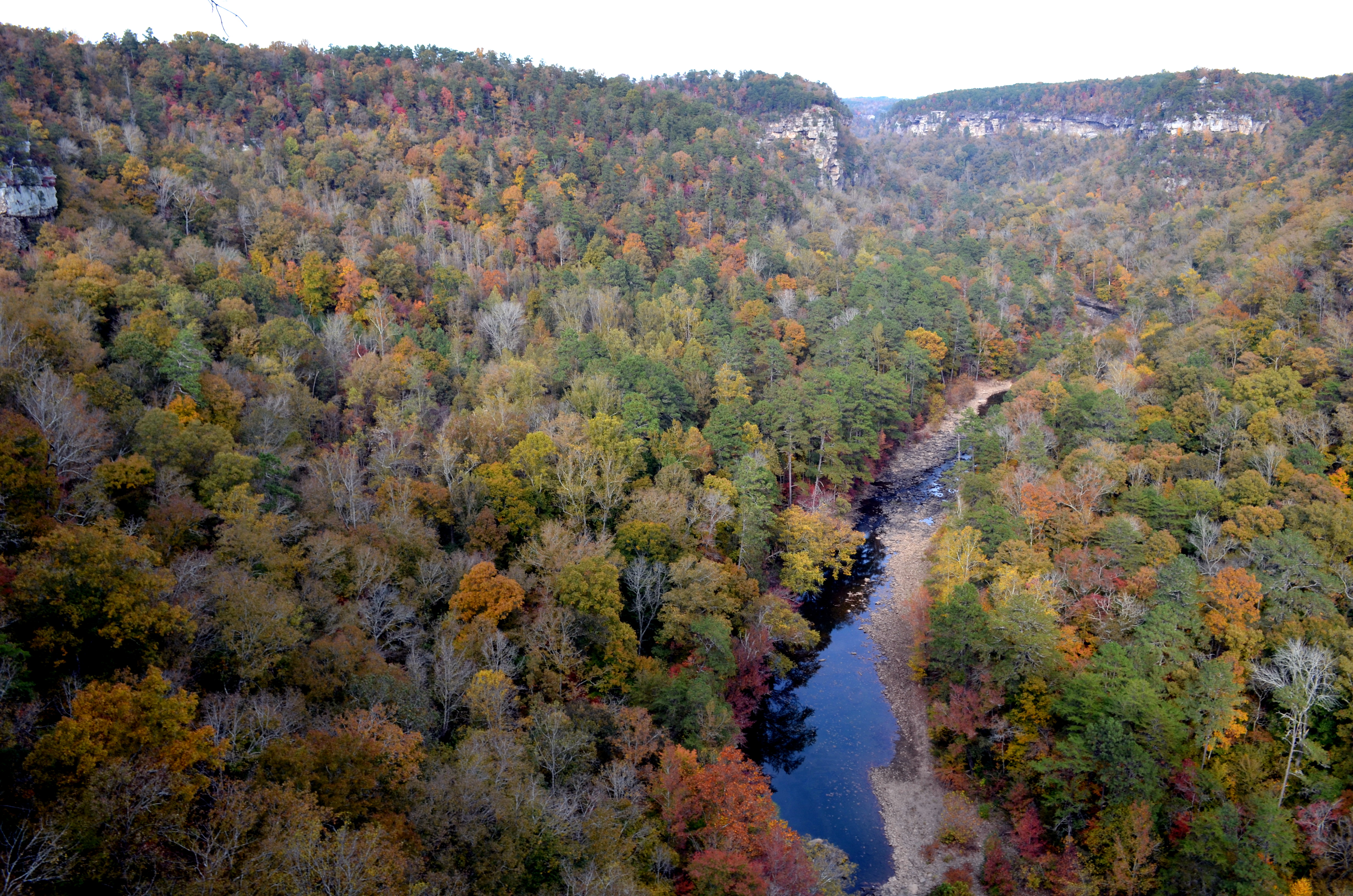
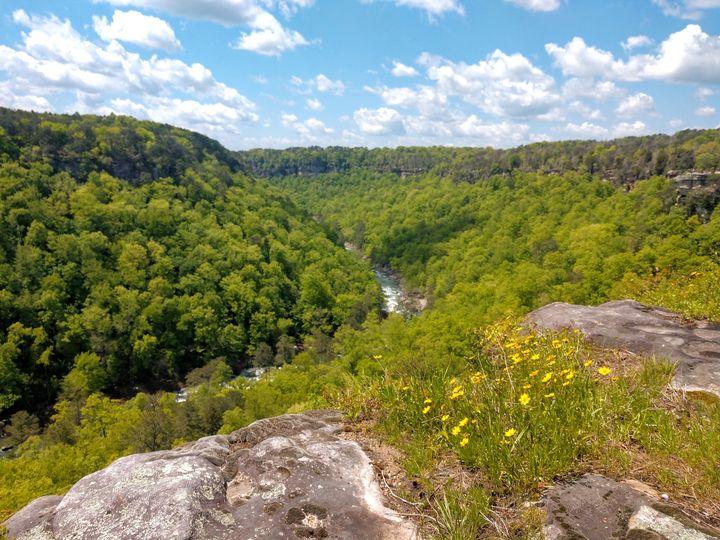
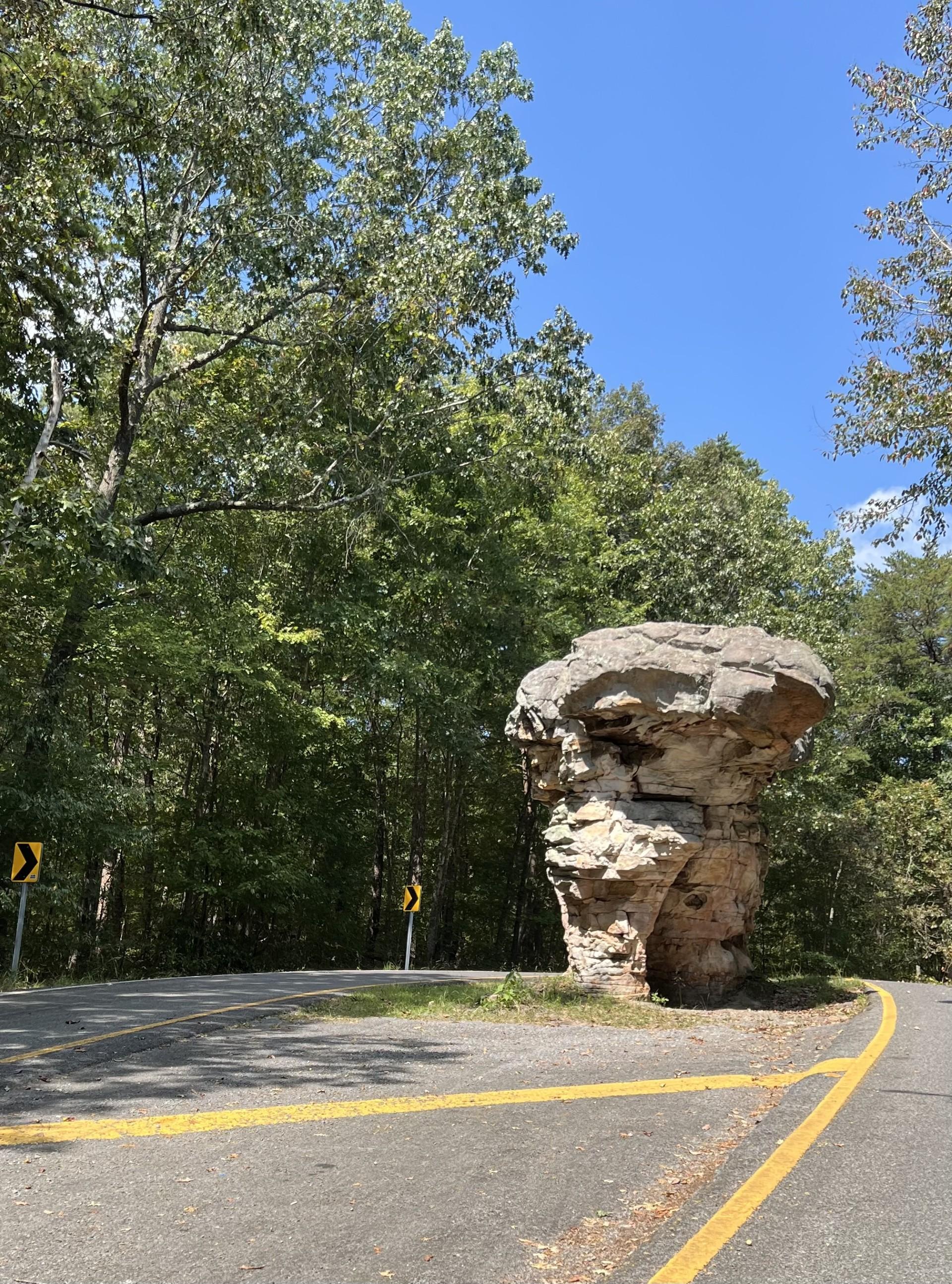
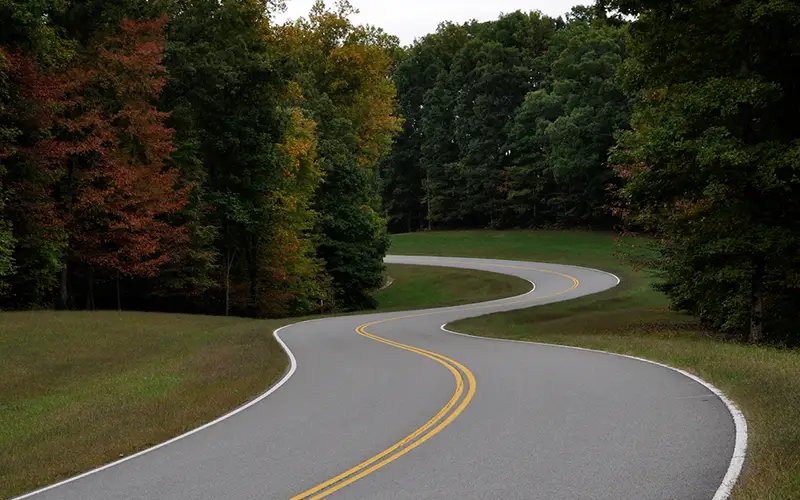
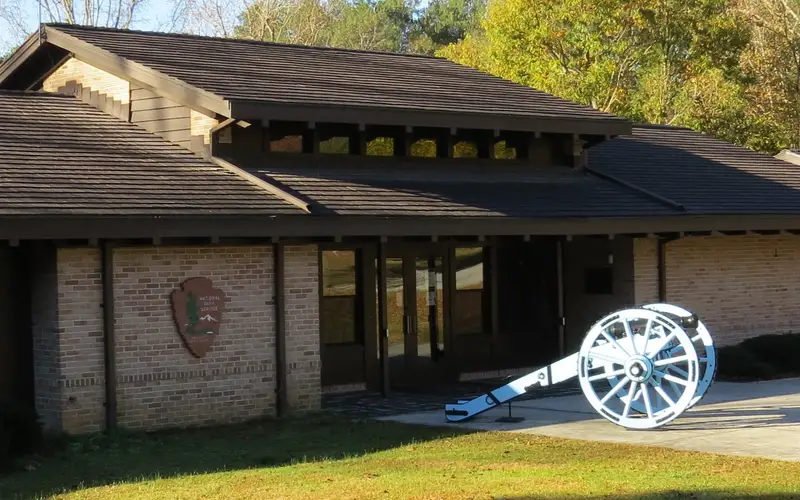
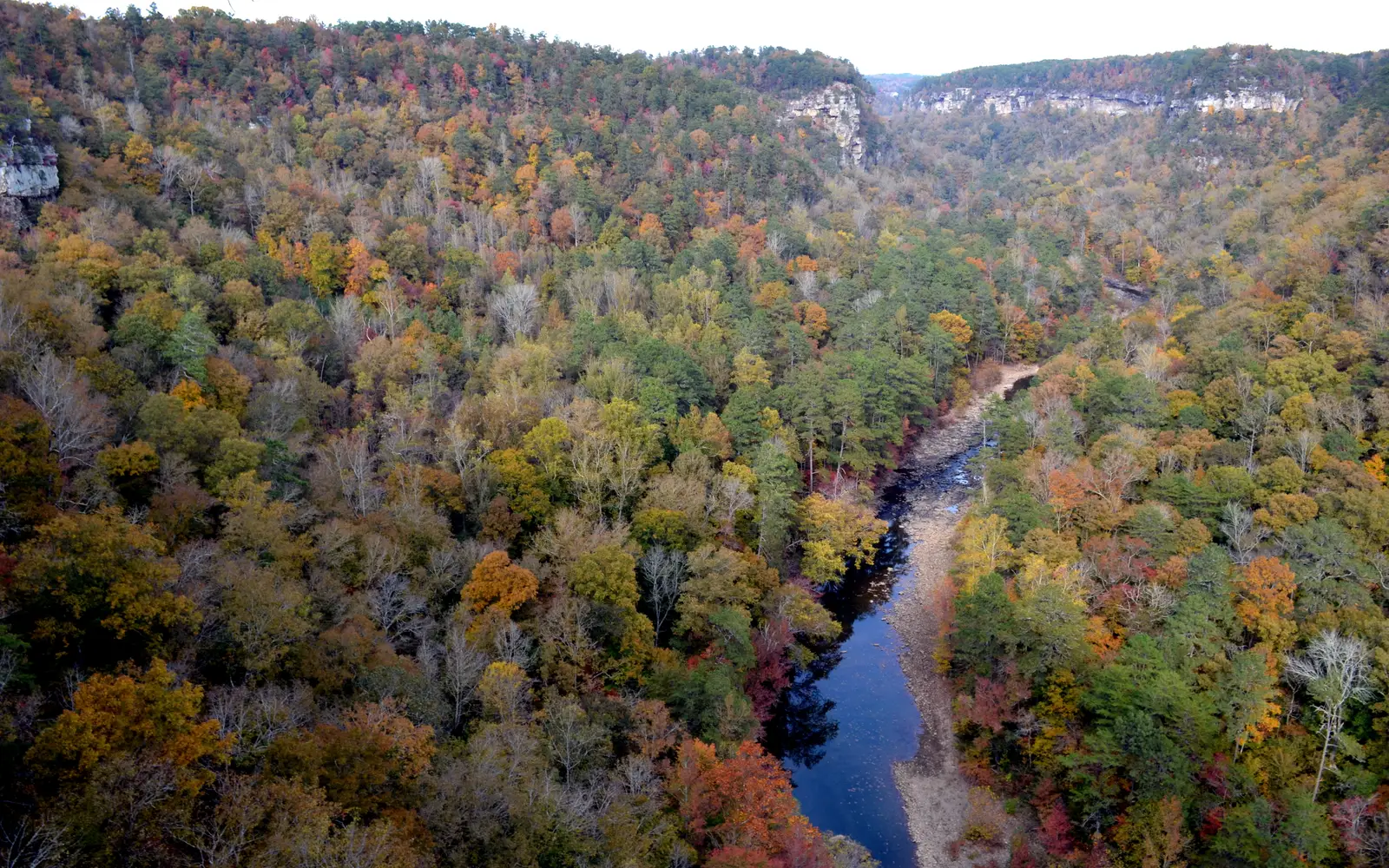
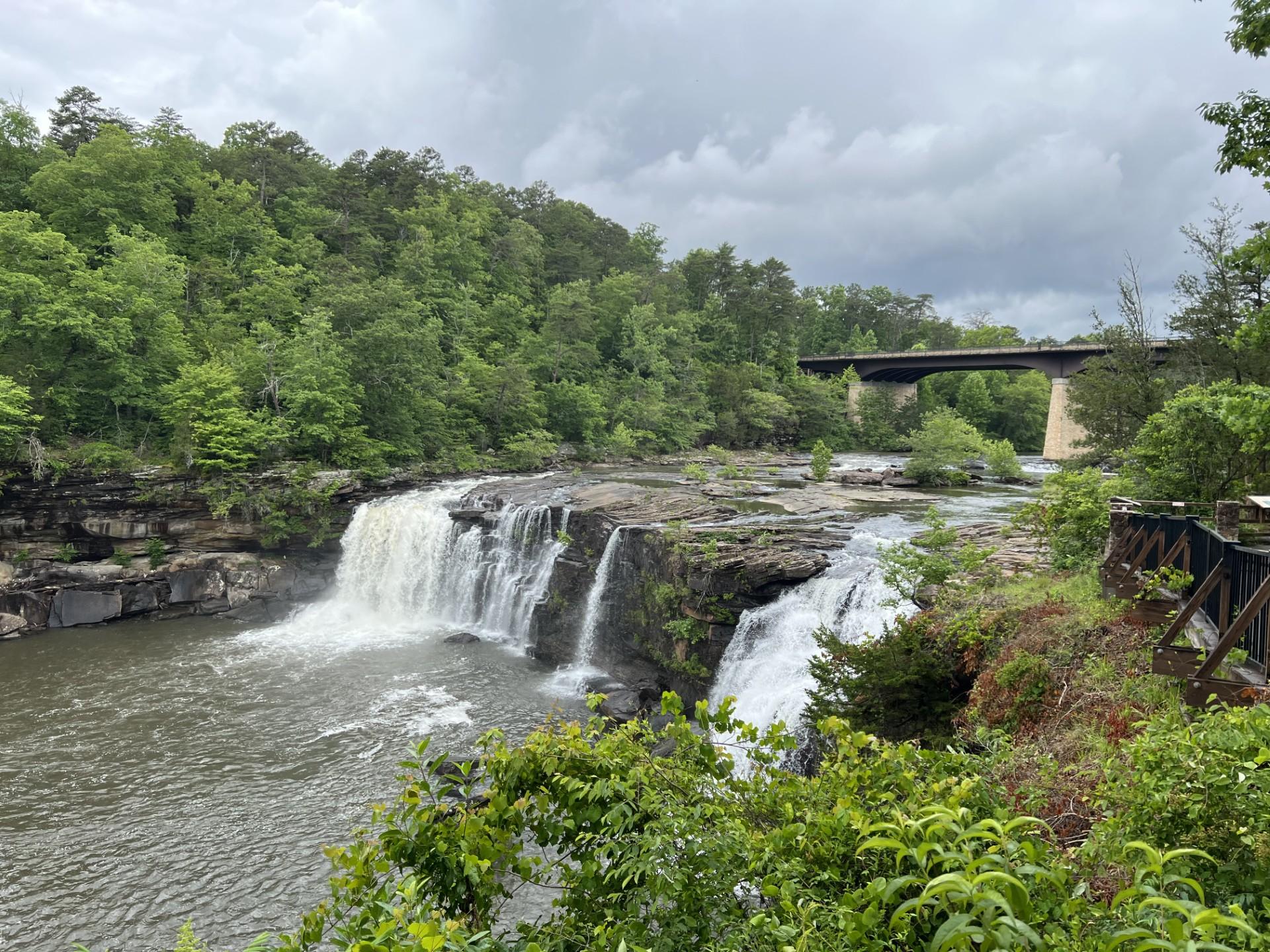
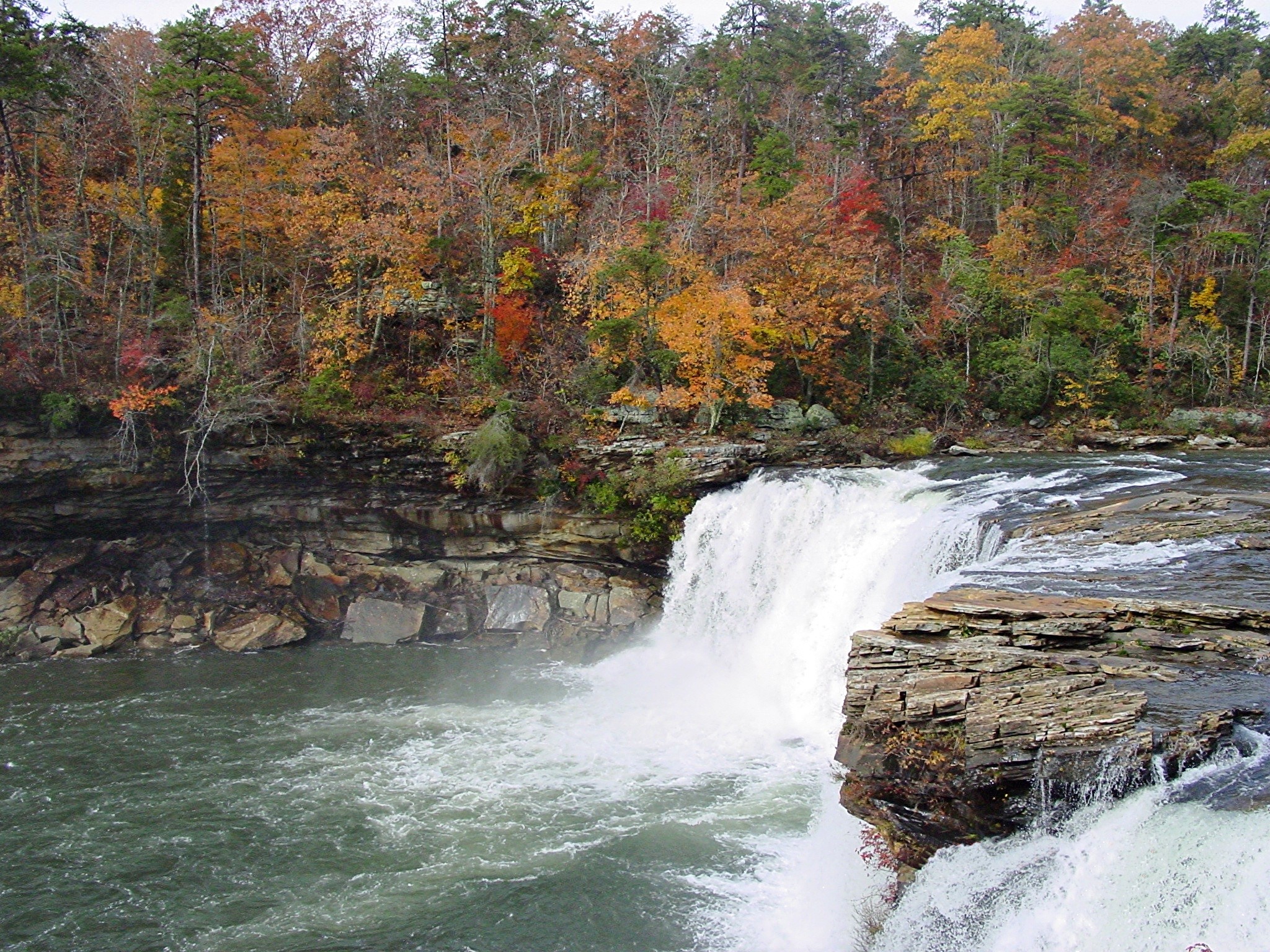
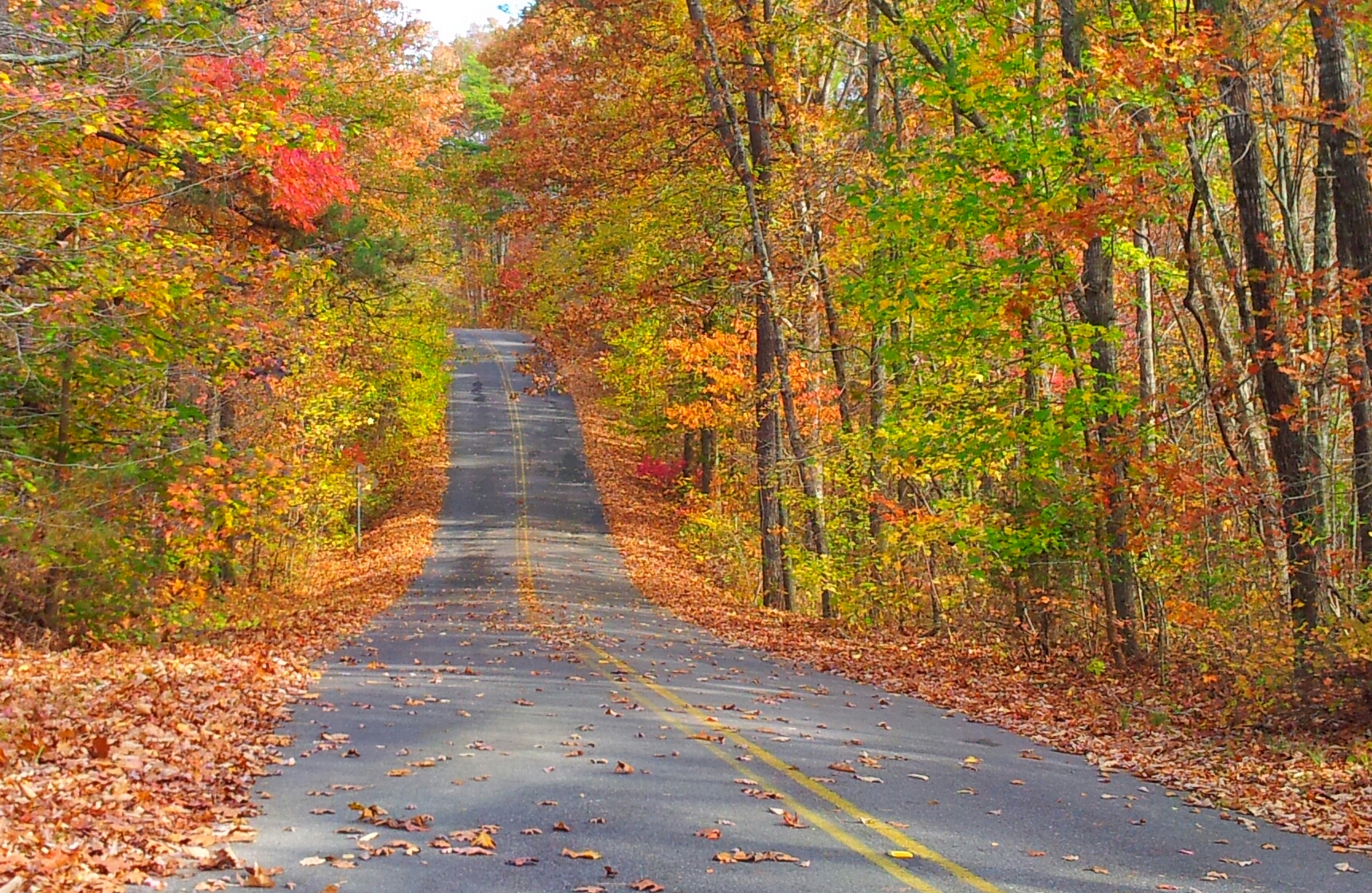
Fall Season in the CanyonLittle River Falls in the Spring, located on AL Hwy 35Little River Falls in the Fall, located on AL Hwy 35Scenic Driver (AL Hwy 176) in the Fall
National PreserveAL

Little River Canyon National Preserve

NPS / NPS Photo
78/ 100WIDE RANGE
parkverdict Experience ScoreIndependent, not sponsored

78 of 100. Our independent breadth-and-access index. How we score

The bottom line

Little River Canyon National Preserve: our verdict

Little River Canyon tends to catch first-time visitors off guard, and honestly that reaction makes sense.

Tucked into northeast Alabama, it sits inside one of the deepest canyons east of the Mississippi, carved by a river that runs almost entirely along the top of Lookout Mountain rather than at its base. That geological oddity is what separates this place from anything else in the Southeast. What the preserve actually delivers is canyon-rim scenery, water recreation, and a trail network worth taking seriously. At an Experience Score of 78, this is not some narrow single-purpose stop. Hiking, paddling, fishing, climbing, horseback riding, and scenic driving all hold up as real choices, not token additions to a brochure. The place rewards people who come ready to move. If your plan is to glance from a pullout and get back in the car, you will miss most of what makes it worth the drive. History and culture barely factor in here. This is outdoor recreation inside a dramatic natural corridor, and families, paddlers, hikers, and climbers each have concrete documented reasons to make the trip.

Why visit

The canyon has a way of organizing a good day on its own terms. The rim road follows the gorge and its waterfalls at elevation, giving you steady views without demanding much physically, so it works as a genuine scenic drive rather than a consolation prize for people who skip the trails. Step out of the car and the options multiply fast. Front-country trails run along the rim for casual walkers, backcountry routes push deeper in for anyone wanting solitude, and the sandstone cliffs pull in rock climbers. Down below, the Little River draws freshwater swimmers, kayakers, canoeists, and fly fishers, often sharing the same stretch of water at once. The forested uplands and canyon edges create varied enough habitat that birdwatching is well documented here. Picnic areas, a Junior Ranger Program, and a gift shop can round out a family day without much planning. Hunting is also permitted, which is rare among NPS units and follows directly from the preserve designation.

Who it suits

Paddlers, rock climbers, and hikers chasing Appalachian-scale scenery without a long drive to Tennessee or North Carolina will find this place worth the trip. Families with active kids have several solid entry points, and casual visitors who just want a scenic drive can do the rim road and leave happy. If you are mainly after cultural history, interpretive programs, or well-maintained facilities, though, this probably is not your stop.

Timing your visit

Spring gives you the strongest waterfall flow and mild temperatures, which is why it tends to make the best first visit. Fall cools things down for hiking and brings solid foliage color along the canyon rim. Summer is the right time for swimming and paddling, though humidity picks up and temperatures regularly hit the high 80s. Winter is mild by national park standards, averaging in the 50s with only rare, brief snow, so the park stays open for hiking and driving year-round.

What stands out

  • Rim road scenic drive above one of the deepest canyons in the eastern United States
  • Freshwater swimming, kayaking, and canoeing directly in the Little River
  • Sandstone cliffs and boulders providing documented rock climbing terrain
  • Fly fishing and freshwater fishing in a river running atop a mountain plateau
  • Backcountry and front-country hiking options for a range of fitness levels
  • Horseback riding and legal hunting access, rare among NPS units

Good to know

Entry is $15 per vehicle. The preserve is open every day, including holidays, from sunrise to sunset, so plan your arrival with enough daylight for whatever you want to do. Cell coverage gets unreliable inside the canyon, so download offline maps before you head out. Water access points and trailheads are scattered along the canyon. Check the NPS site to find the put-in or trailhead that matches your route.

Insider tipLittle River sits right on top of Lookout Mountain rather than running through a valley, which means you can drop from the rim down to the water and climb back out all in one afternoon. Hike the rim and swim the river on the same trip instead of choosing one and leaving the other behind.

How we scored it

Why Little River Canyon National Preserve scores 78

We keep the math boring on purpose. The same handful of public-data inputs, capped so none of them dominates, decide every score. What they measure is breadth and access, not beauty and not crowd levels. For Little River Canyon National Preserve, they shook out like this:

  • Activity breadth29 documented activities
  • Topic breadth24 topics
  • Official imagery6 public-domain images
  • Camping on sitenone recorded
  • Entry cost$15

No number is hand-adjusted and no unit pays for placement. The full weights, the floor at 18 and a worked example are on how we score.

The honest limits

Where the score goes quiet

One limit to keep in mind. Everything here comes from public records on what a unit documents and how reachable it is, so the score cannot judge beauty, crowds, trail conditions, weather, or how good any single program is. That is exactly why a small, specific place can score below a sprawling park and still be your better trip. Take the number as a like-for-like look at what is on paper, and lean on the verdict for the human read.

What you can do

Activities

Auto and ATVScenic DrivingBikingMountain BikingRoad BikingClimbingRock ClimbingFishingFreshwater FishingFly FishingFoodPicnickingHikingBackcountry HikingFront-Country HikingHorse TrekkingHorseback RidingHunting and Gathering
Background

The short version

Little River is unusual because it runs for most of its length along the top of Lookout Mountain in northeast Alabama. The area has forested uplands, waterfalls, canyon rims and bluffs, pools, boulders, and sandstone cliffs that draw visitors for a range of outdoor activities. The land and its history make this a distinctive spot in the Southern Appalachians.

On documented breadth and access, Little River Canyon National Preserve ranks 3rd of 8 park and public-land units we score in Alabama.

What the seasons are like

Fort Payne, Alabama sits in mild country. Winters hover in the 50s, summers climb into the high 80s with thick humidity, and the area pulls in about 55 inches of rain a year. Snow shows up occasionally but melts off within a few days.

Common questions

Little River Canyon National Preserve: quick answers

Is Little River Canyon National Preserve worth visiting?

Little River Canyon tends to catch first-time visitors off guard, and honestly that reaction makes sense.

Is Little River Canyon National Preserve free to visit?

Not free. Getting in runs about $15.

What is Little River Canyon National Preserve best for?

It leans hardest toward hiking, good with kids, water activities, wildlife watching, going by the 29 activities it actually documents.

When is the best time to visit Little River Canyon National Preserve?

Spring gives you the strongest waterfall flow and mild temperatures, which is why it tends to make the best first visit.

How is the Experience Score for Little River Canyon National Preserve calculated?

The 78 comes straight from public data on how much the place documents and how easy it is to reach, things like activities, topics, photos, camping and whether entry is free. It says nothing about scenery or how busy it gets.