Should you visit West Point Lake?
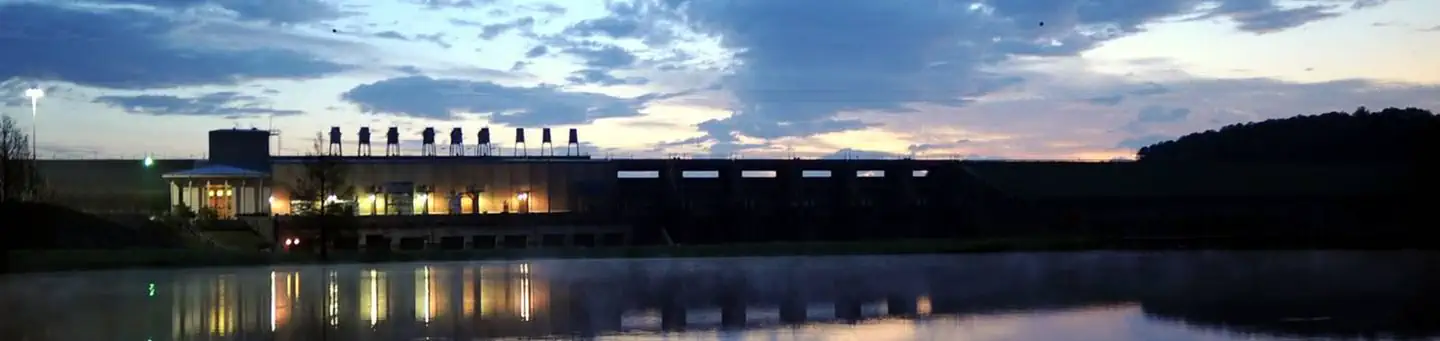
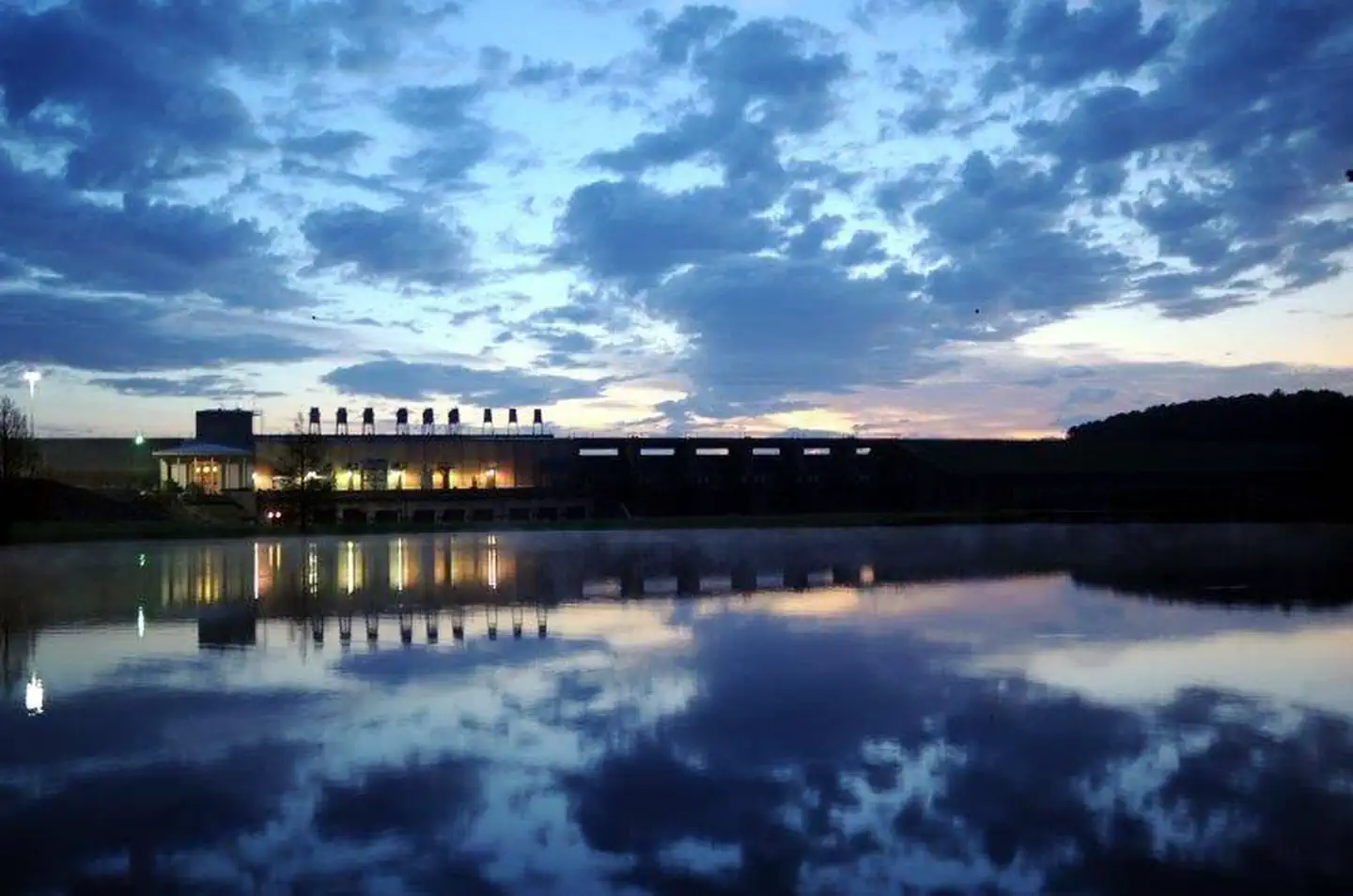
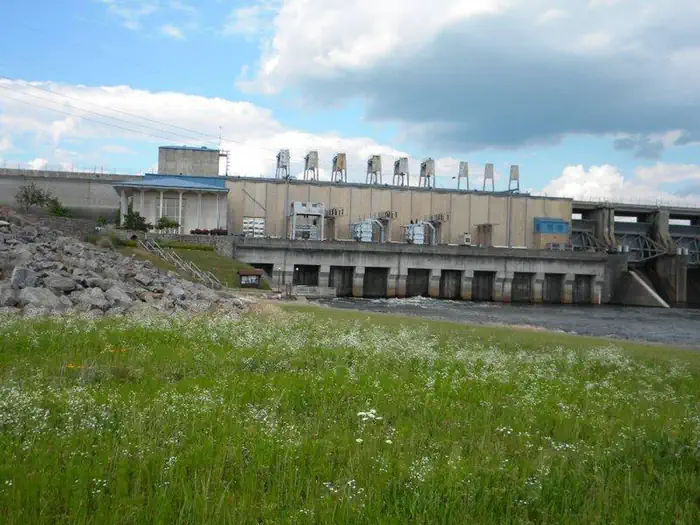
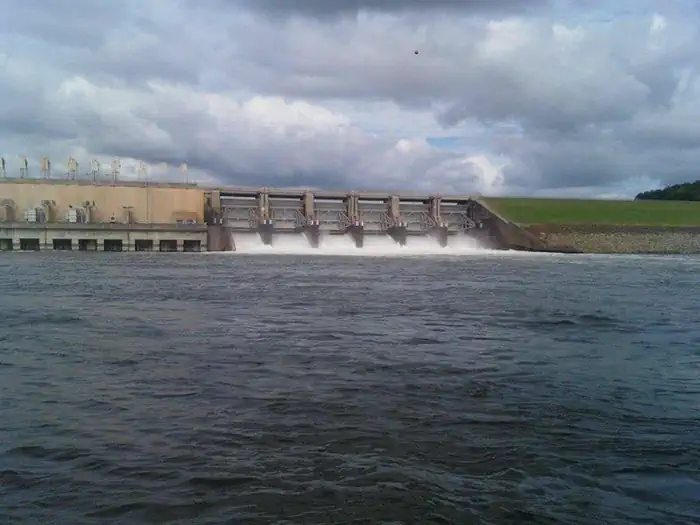
West Point Lake, a significant Army Corps of Engineers reservoir, spans the Georgia-Alabama border, managed cooperatively with the NPS.
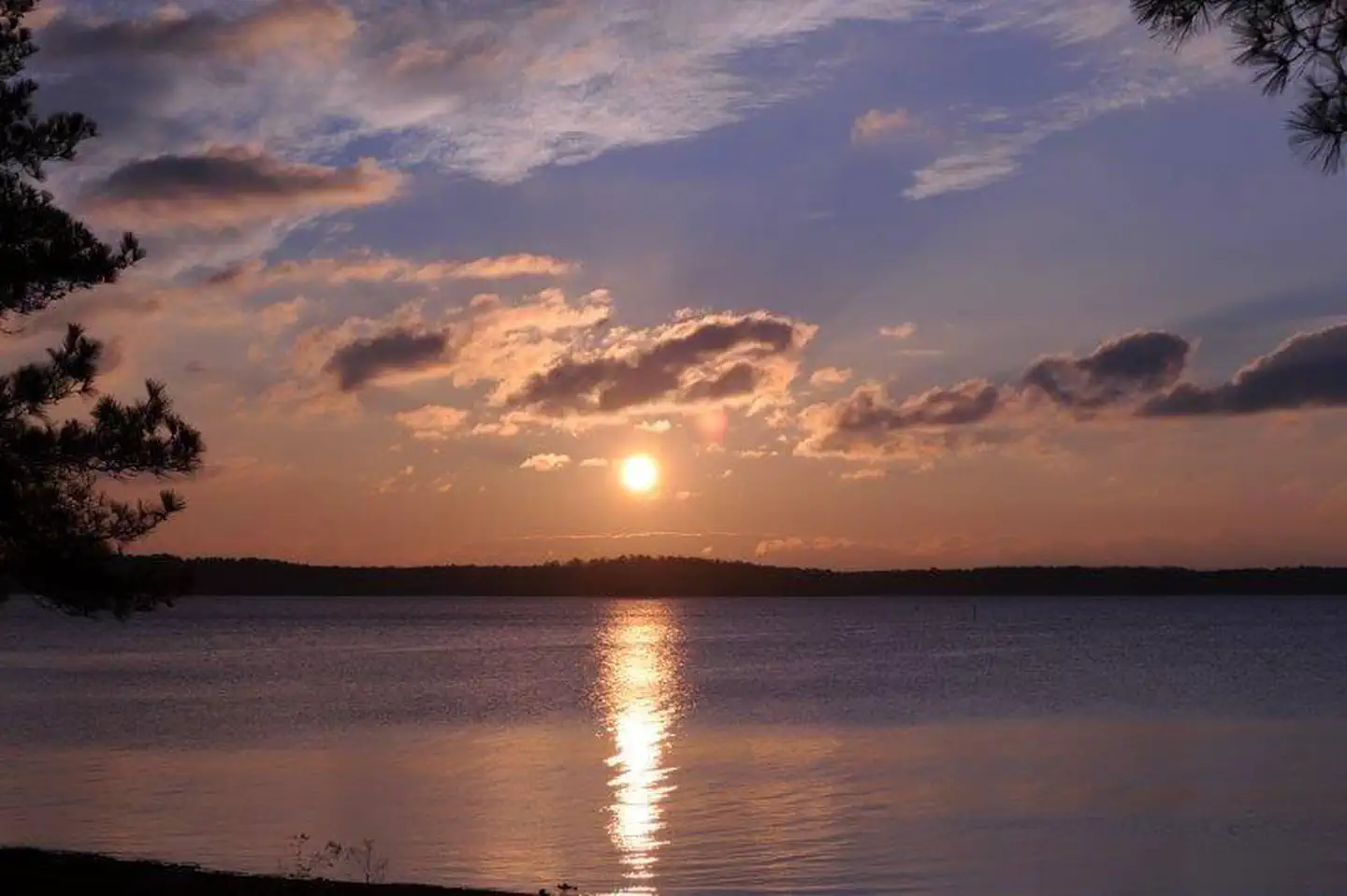
This expansive 40 square mile water body, fed by a dozen creek arms, functions as a multi-day outdoor destination. The primary focus is aquatic recreation. Fishing is a major draw. Boating, water sports, and camping facilities are extensive. Terrestrial options include hiking and wildlife viewing. The presence of private lodges and concession sites provides comfortable alternatives to primitive camping. With free entry and an experience score of 87, this unit offers substantial value. It lacks dramatic landscapes. However, for families, anglers, and water recreation enthusiasts residing near Atlanta or Columbus, the lake offers significant recreational returns.
What makes it worth it
This destination prioritizes aquatic recreation. Fishing is a major draw, with abundant bass, catfish, crappie, and bream. Public fishing piers at Hardley Creek, Rocky Point, and McGee Bridge offer access without a boat. Boating anglers will find dozens of creek coves. The lake's vastness supports sailing, water skiing, and general boating, ensuring space for all activities. Overnight camping is available at managed sites. Horseback riding and wooded trails for wildlife viewing provide land-based options. Environmental education programming makes it suitable for families with children. Private lodge and resort accommodations also allow access to all recreational offerings.
Who should go
This destination delivers a full-featured lake vacation for boaters, anglers, and families. Admission is free. Campers seeking water access directly from their site will find it particularly rewarding. However, those expecting dramatic scenery, iconic landscapes, or a traditional national park experience will be disappointed. This unit is recreational infrastructure, not wilderness.
When to go
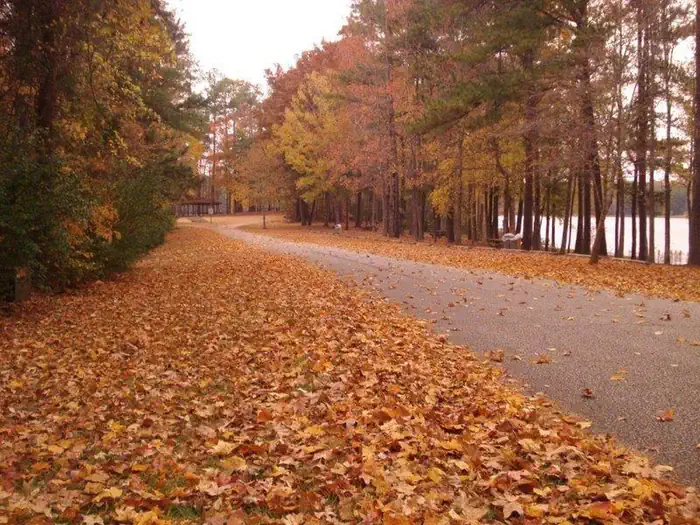
This park presents a clear seasonal identity. Peak use runs from late spring through early fall, driven by water sports, fishing, and camping. The lake itself is the primary draw in warm Georgia temperatures. Spring and fall afford milder conditions for hiking and wildlife viewing, free from summer's heat and crowds. Winter fishing for crappie and bass offers productive outings. The lake remains accessible year-round, though visitors should anticipate reduced amenity availability outside of peak seasons.
Highlights
- Fishing for bass, catfish, crappie, and bream across 40-plus square miles of lake and a dozen creek arms
- Accessible public fishing piers at multiple parks, including a dedicated pond suitable for preteens and visitors with disabilities
- Boating and water sports across a large, open reservoir with room to spread out
- Overnight camping with water access, plus private lodge and resort options for those who prefer comfort
- Horseback riding and hiking trails providing a land-based counterpoint to the water activities
- Environmental education programming making it a practical choice for school groups and family learning trips
Plan ahead
Free entry makes multi-day visits exceptionally accessible. The lake itself straddles the Georgia-Alabama state line, necessitating advance research into specific park units and boat ramps, as facilities are geographically dispersed. For summer weekends, private concessions and lodges require advance booking due to independent operation.
Editor's tipAnglers without a boat will find better results in creek arm parks such as Hardley Creek. These narrower, shallower sections concentrate fish, offering a distinct advantage for bank fishing over the open lake.