Okefenokee National Wildlife Refuge: our verdict
The Okefenokee National Wildlife Refuge is defined by its aquatic character; this is a paddler's destination, not a hiker's park.
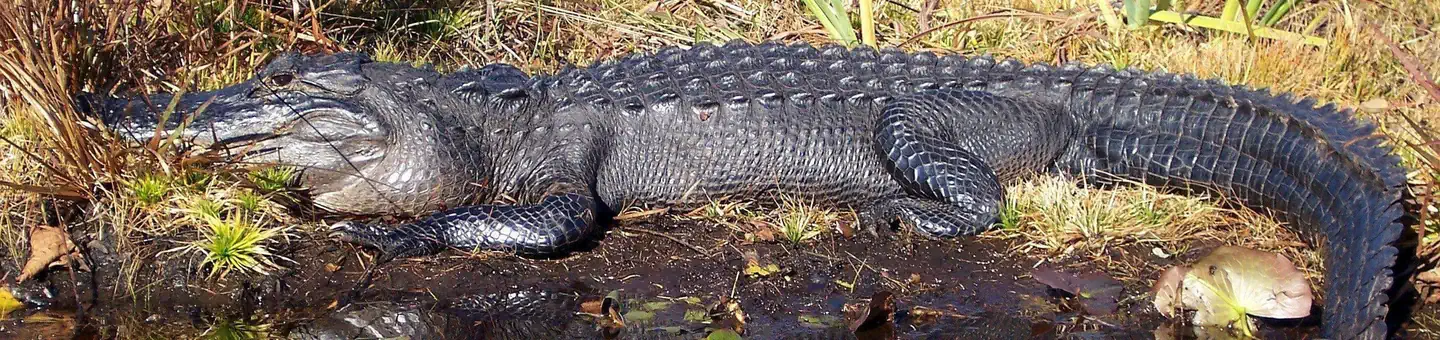
At 407,000 acres, it stands as the largest National Wildlife Refuge east of the Mississippi. This scale is fundamental to its offering. Its blackwater canals and open prairies host alligators, sandhill cranes, herons, and otters, alongside one of North America's most significant amphibian populations. While entry is free, the authentic Okefenokee experience necessitates a boat. Canoes or kayaks are ideal for navigating the designated water trails over multiple days, utilizing overnight platforms. Day visitors can still experience the refuge via auto tours, boardwalks near the visitor center, and motorboat rentals. This is a genuinely wild, remote ecosystem. It rewards patience and preparation. An Experience Score of 89 reflects its documented breadth, encompassing water access, camping, wildlife viewing, hiking, and educational programs.
Why visit
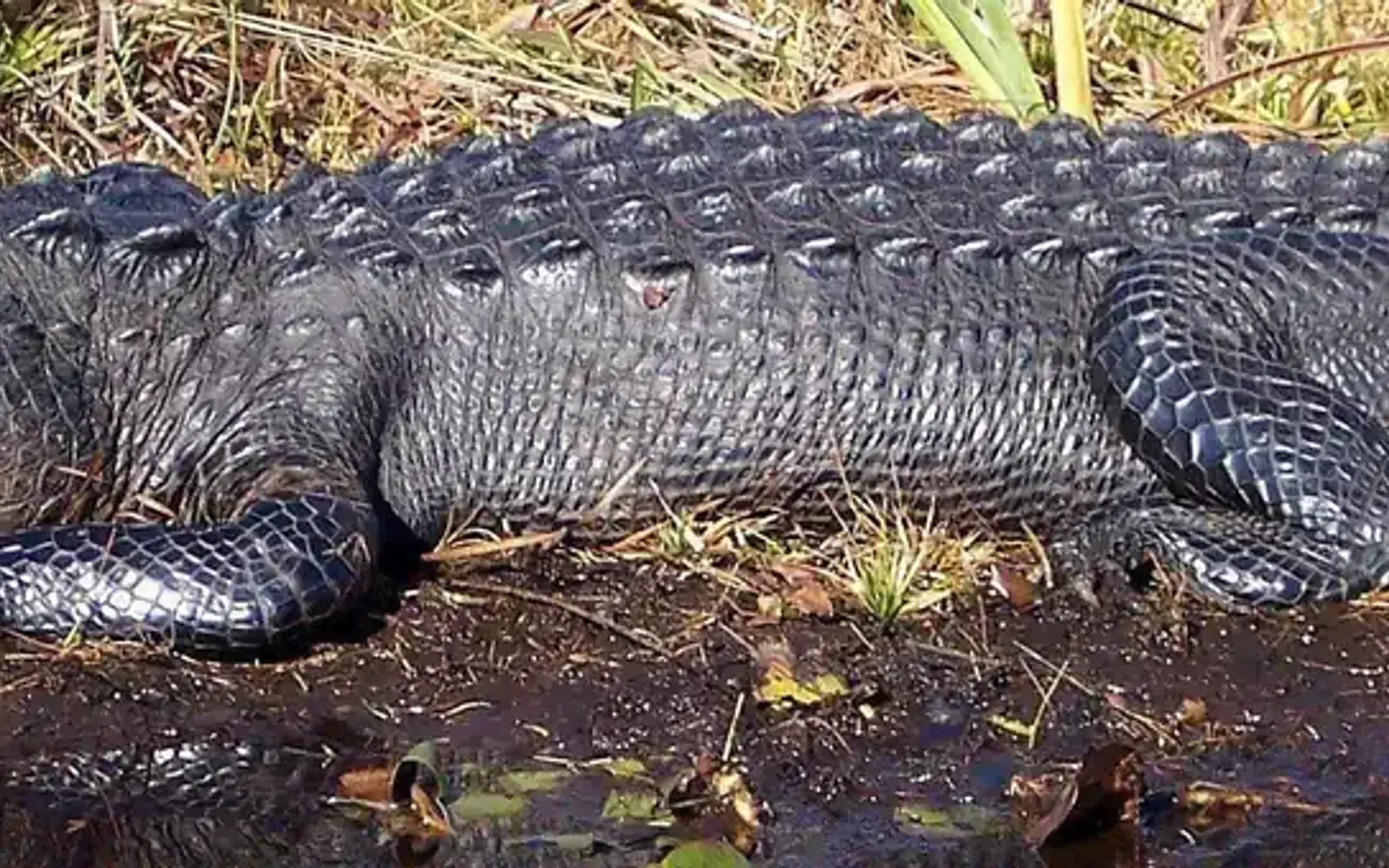
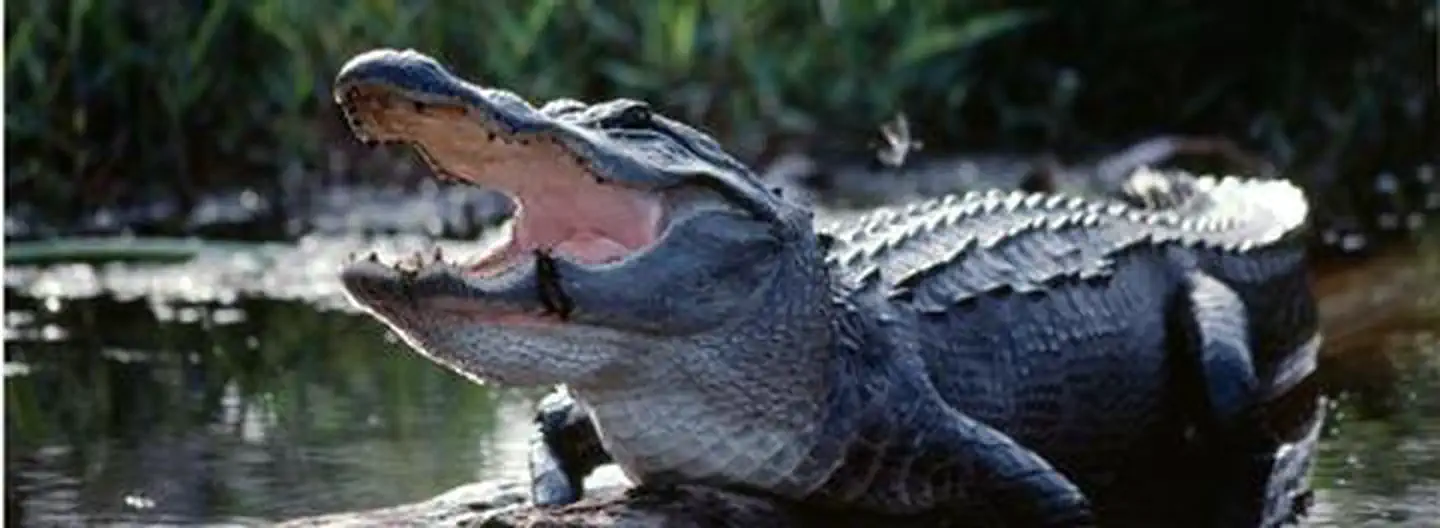
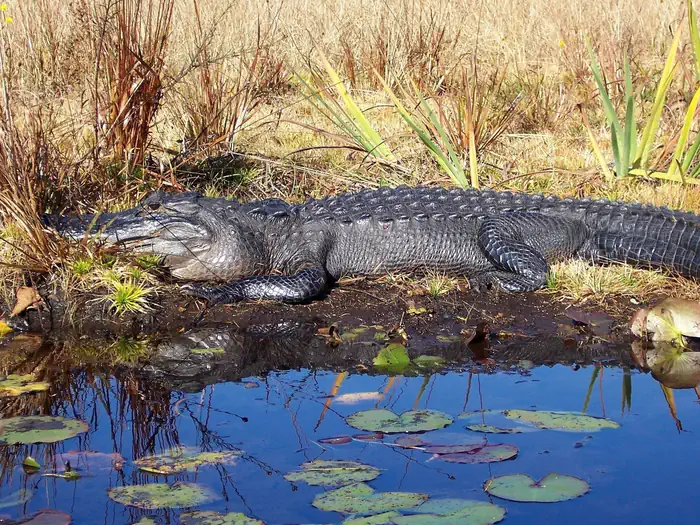
Okefenokee provides an intimate wetland experience for those prepared to engage with its aquatic environment. The refuge's extensive canal and lake system offers direct access to one of North America's oldest and largest peat-based swamps. Wildlife viewing, particularly for alligators and wading birds, is exceptional due to high animal abundance and unique photographic conditions created by the dark tannic water. For visitors disinclined to paddle, auto touring routes and designated fishing areas offer alternative ways to experience the refuge. Overnight camping on elevated wooden platforms within the swamp is a rare opportunity, providing immersion in an active wetland ecosystem. The scale is the draw here. This destination suits those prioritizing wildlife photography and a deep, quiet engagement with nature. Casual sightseers should look elsewhere.
Who it suits
For paddlers, wildlife photographers, and serious birders, Okefenokee offers an unparalleled wilderness experience east of the Mississippi. Families at home on the water and campers seeking truly unique nights will find deep satisfaction here. This refuge is not for casual sightseers. It lacks manicured trails, mountain vistas, or readily walkable access. Okefenokee rewards visitors who arrive prepared to engage with its aquatic environment.
Timing your visit
Optimal visitation is seasonal. From October to April, cooler temperatures prevail, with fewer insects. This window also offers the best wildlife viewing, including migratory birds. Spring provides the added benefit of wildflower blooms across the swamp prairies. Summer months, by contrast, present intense heat and humidity, along with significant insect activity, making extended outdoor pursuits difficult.
What stands out
- Multi-day paddling and canoe camping on designated water trails with overnight platform shelters inside the swamp
- Alligator and wading bird wildlife viewing from boats and boardwalks - populations are large and highly visible
- Photography opportunities on blackwater canals with mirror-like reflections unique to peat-stained swamp water
- Free entry to one of the most ecologically significant wetlands in the eastern United States
- Auto touring routes that provide accessible wildlife viewing without requiring a boat
- Interpretive and educational programs at the visitor center grounding the ecology of the swamp in a broader global context
Good to know
This refuge offers free entry, though overnight paddling mandates advance permits. These permits, especially for fall and spring, book quickly; plan weeks or months ahead. The Suwannee Canal Recreation Area in Georgia functions as the primary eastern hub, providing a visitor center and boat rentals. Serious insect repellent is essential, regardless of season.
Insider tipThis unit rewards early risers. Optimal wildlife viewing and photography opportunities occur within the first two hours of sunrise. These serene conditions precede the arrival of day-use crowds and afternoon winds. If water trail platform camping is unavailable, an early morning departure by motorboat or canoe from the eastern entrance is the recommended alternative.