
Andersonville National Historic Site: our verdict
Andersonville is among the most sobering units in the National Park System.
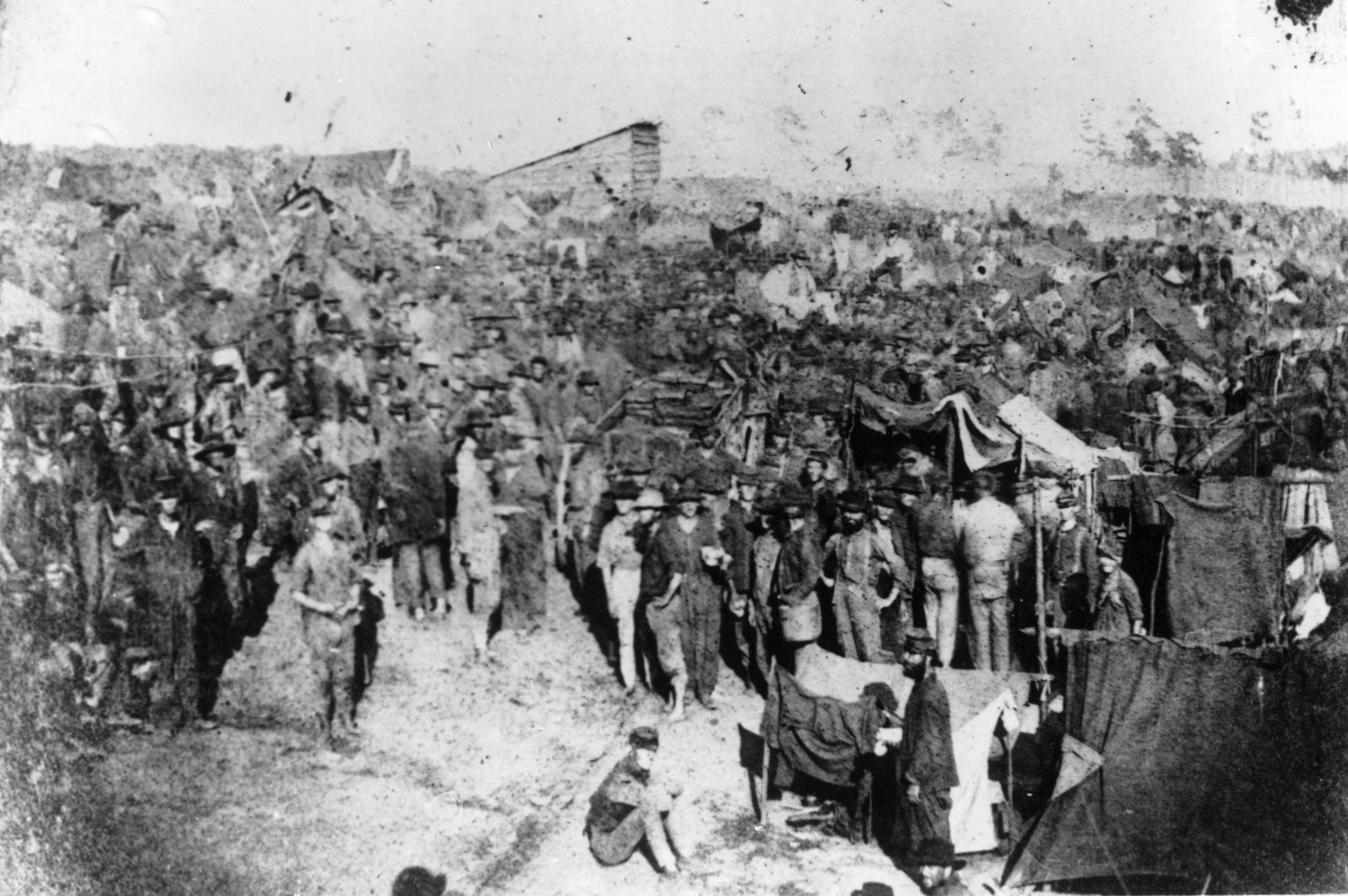
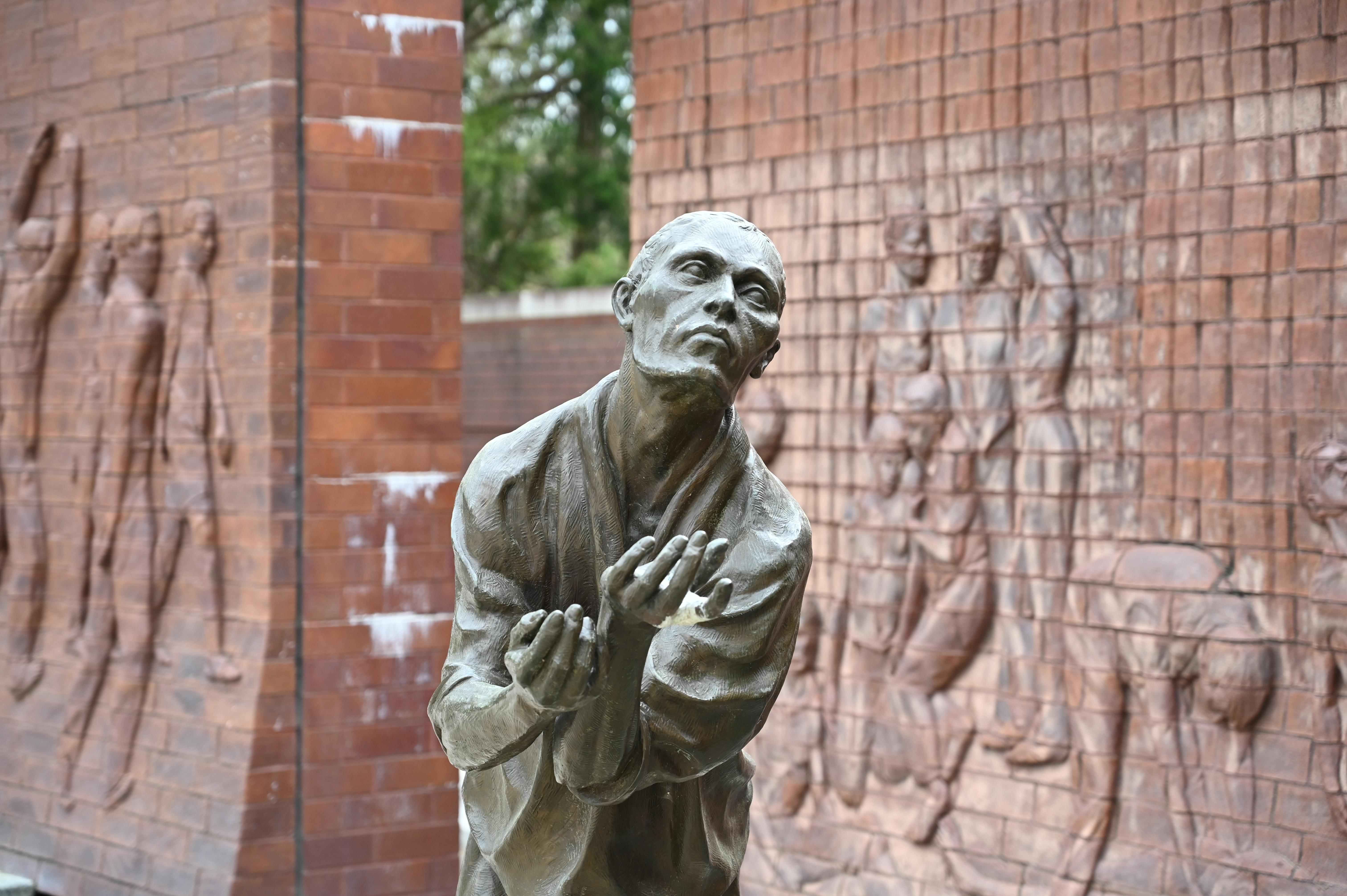
This is the former Camp Sumter, a Confederate prison where nearly 13,000 Union soldiers died during 14 months of operation. The grounds undeniably carry that weight. The National Prisoner of War Museum expands the narrative beyond the Civil War, honoring American POWs from every conflict. A National Cemetery, still an active burial ground, provides a living dimension uncommon at historic sites. With an experience score of 98, the interpretive infrastructure is exceptional. Museum exhibits, a park film, living history demonstrations, guided tours, first-person interpretation, and a self-guided auto route integrate seamlessly. This is not a casual scenic stop. It rewards visitors prepared for a serious engagement with difficult American history.
Why visit
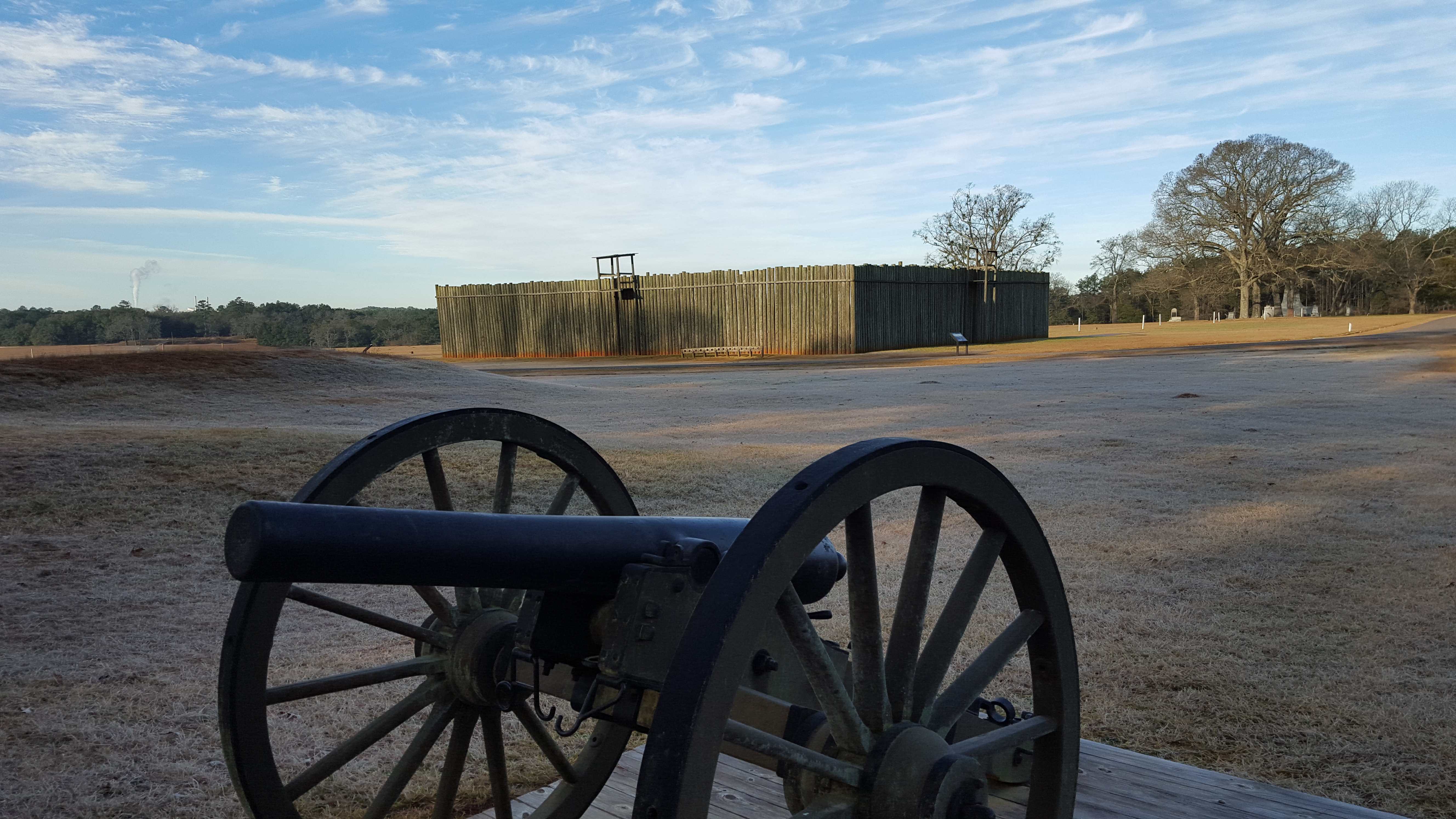
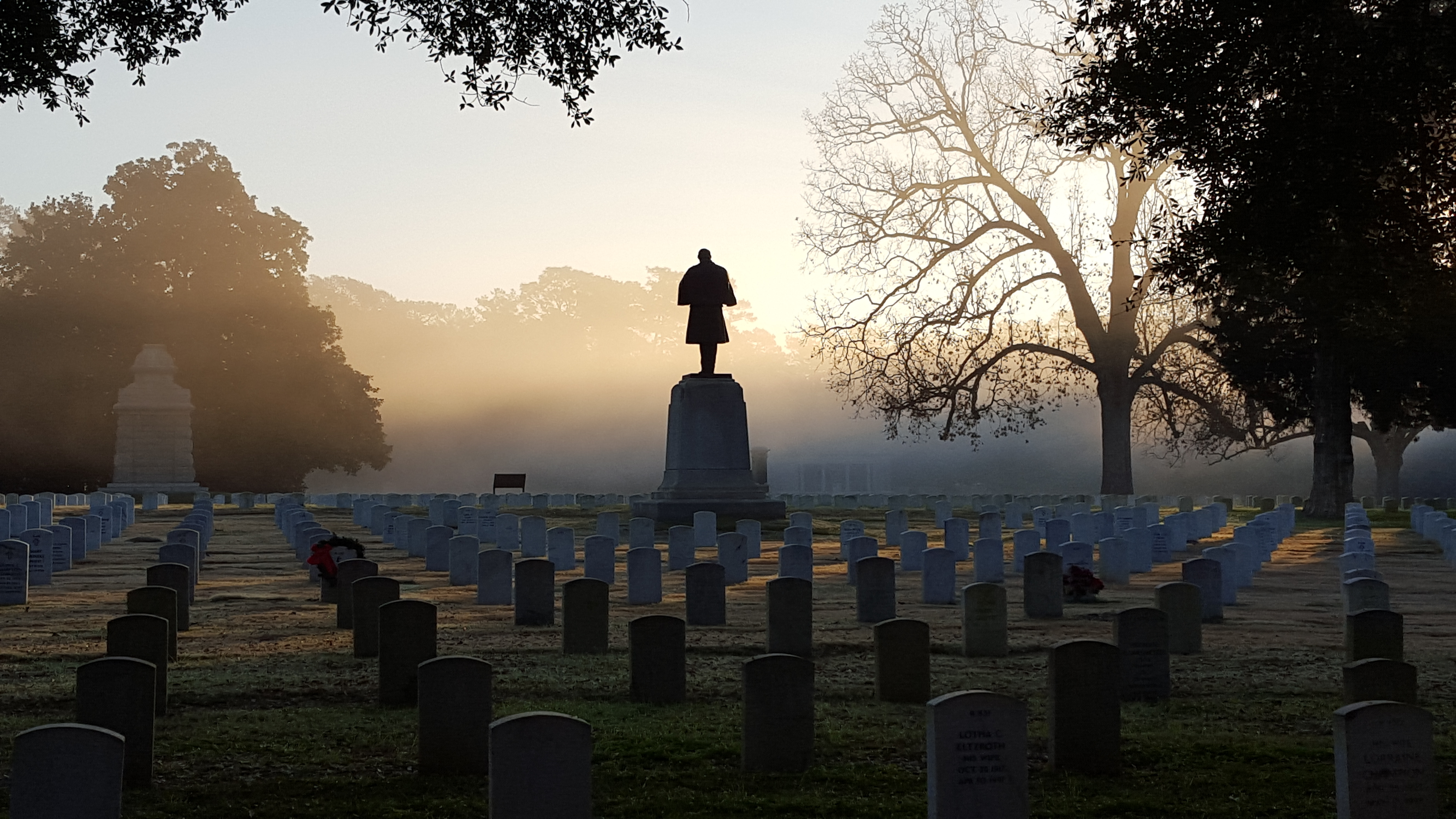
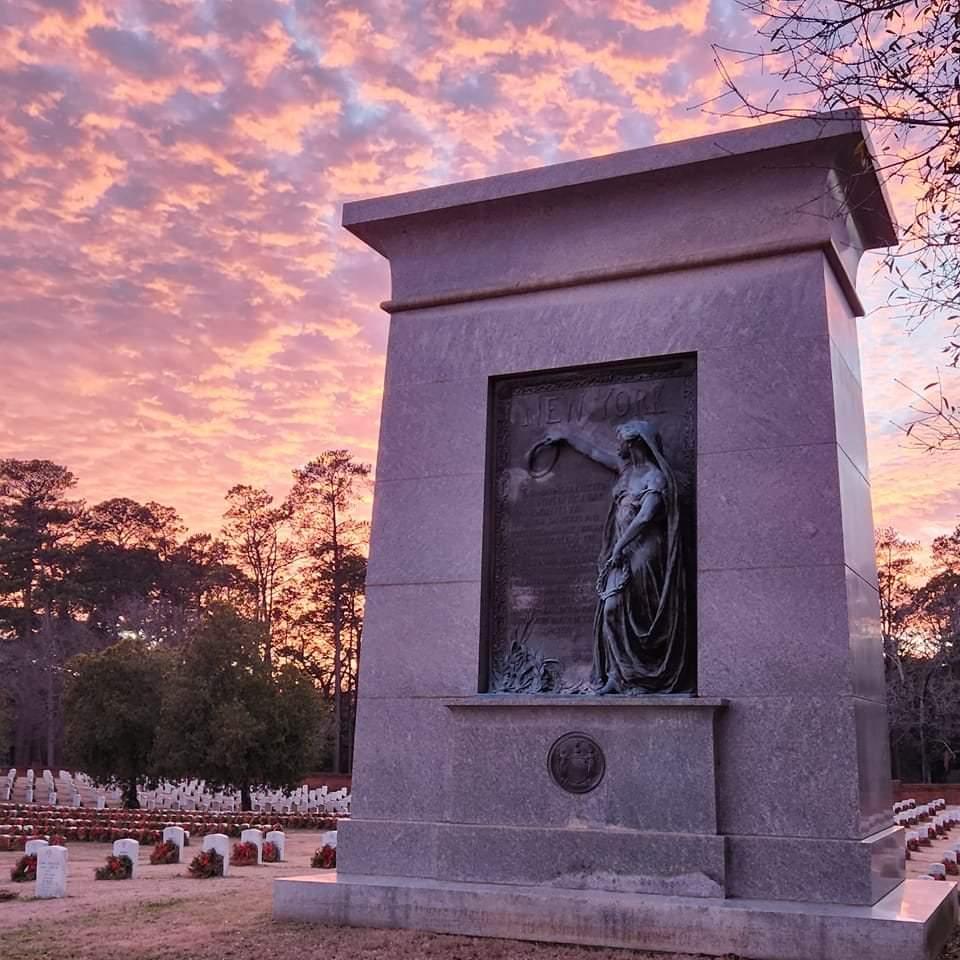
Andersonville offers a layered experience. Begin with the park film for essential context. The National Prisoner of War Museum, climate-controlled and thoughtfully curated, spans multiple American conflicts. It is a critical stop. Visitors should then walk or drive the historic prison site grounds. Earthwork remnants and monument markers convey the immense suffering in a way exhibits cannot. If available, living history or historic weapons demonstrations are highly recommended interpretive programs. The National Cemetery, with its rows of white markers and active veteran burials, provides a quiet and moving conclusion.
Who it suits
Andersonville National Site offers a somber destination. For those with a serious interest in American history, particularly the Civil War, this site provides profound educational value. Veterans, military families, and educators bringing student groups will find its offerings deeply resonant. The Junior Ranger program and guided tours provide accessible entry points for older, curious children. However, visitors seeking typical outdoor recreation, scenic vistas, or light sightseeing will be disappointed. This is not a park for casual engagement. Andersonville demands emotional and intellectual investment.
Timing your visit
Opt for spring or fall for the most comfortable visit. Summer temperatures routinely reach the 90s with high humidity, making outdoor exploration of the prison grounds arduous. The museum itself offers a cool respite, making summer visits feasible with strategic planning. Winter provides generally mild conditions suitable for outdoor walking, though occasional cold snaps are possible. The grounds and cemetery are particularly striking in early spring.
What stands out
- National Prisoner of War Museum covering American POW history across multiple conflicts
- Self-guided and guided tours of the original Camp Sumter prison site with earthwork remnants
- Living history demonstrations and historic weapons programs on select days
- Andersonville National Cemetery, still active for veteran burials
- Park film providing essential context before exploring the grounds
- First-person interpretation bringing individual prisoner stories to life
Good to know
Admission to Andersonville is free. The museum operates daily from 9:30 AM to 4:30 PM, closed on Thanksgiving, Christmas, and New Year's Day. The grounds open earlier, at 8:00 AM. Located in rural Sumter County, Georgia, approximately 60 miles south of Macon, the site requires a significant drive. Visitors should plan accordingly, bringing their own food and snacks due to limited local dining options. This is a destination demanding intention.
Insider tipFor optimal engagement, consult the park's schedule in advance of arrival, specifically for living history and reenactment dates. These events occur periodically, not daily. Witnessing a first-person interpretation or a historic weapons demonstration on the prison grounds elevates a visit from merely informative to profoundly affecting.