Wertheim National Wildlife Refuge: our verdict
Wertheim National Wildlife Refuge, a 2,550-acre coastal preserve on Long Island's south shore, centers on the Carmans River.
Its ecological breadth is notable, encompassing oak-pine woodland, grassland, and diverse freshwater, brackish, and saltwater wetlands. For a no-cost, accessible natural escape from the New York metropolitan area, the refuge provides significant value. The range of available activities is substantial: hiking, birding, fishing, and non-motorized boating on the Carmans River are all options. Seasonal hunting is permitted, and winter offers cross-country skiing and snowshoeing. This is not a destination for wilderness seekers. Those desiring dramatic scenery or profound solitude, particularly on a holiday weekend, will find it lacking. However, for birders, paddlers, and nature-oriented families within driving range of Long Island, it presents a legitimate half-day to full-day excursion. The ecological variety is real. The visitor center enhances the experience, offering valuable context and a sense of organized welcome to the managed landscape.
Why visit
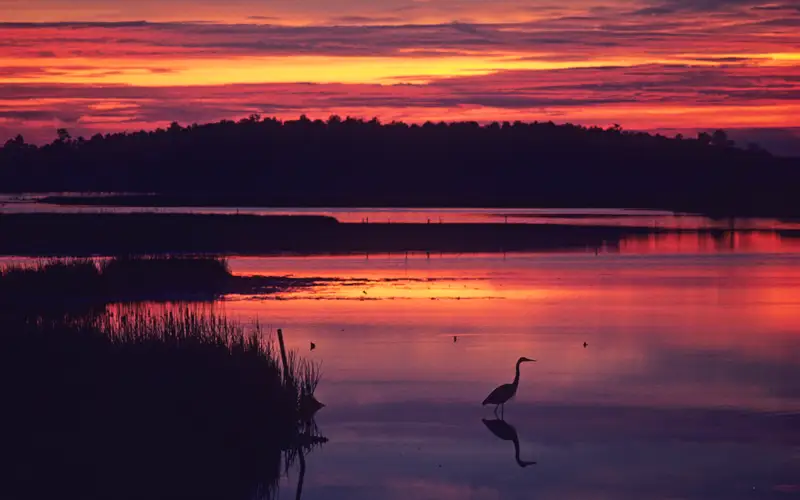
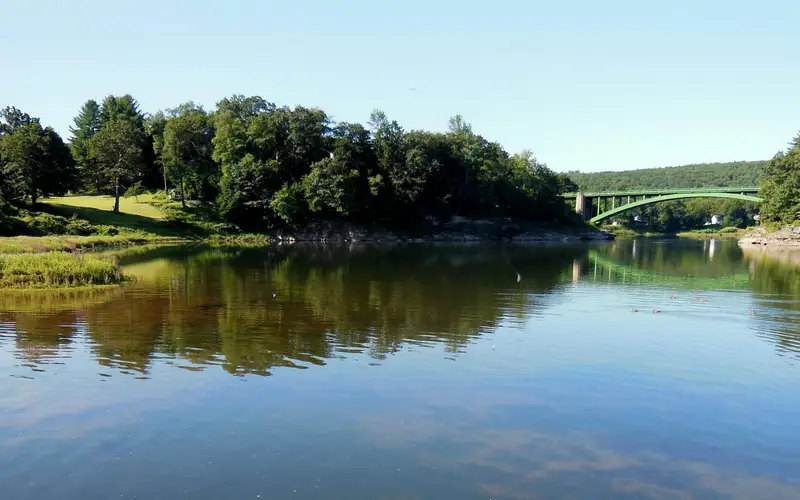
The core appeal of Wertheim lies with the Carmans River, a significant Long Island waterway and state-designated scenic asset. Kayakers and canoeists will find a compelling journey, transitioning quickly through freshwater, brackish, and salt marsh environments. The refuge offers substantial rewards for birders; its diverse habitats support ospreys, raptors, shorebirds, waterfowl, and various songbirds. This variety makes a single visit unusually productive for a refuge of this scale. Hikers can traverse oak-pine woodlands and grasslands. Anglers have access to the Carmans River. Winter transforms the trails for cross-country skiing and snowshoeing. A visitor center provides interpretive and educational programs, proving useful for orienting first-time visitors.
Who it suits
This destination offers significant appeal for birders, paddlers, and families seeking structured, free nature outings accessible from Long Island and New York City. Anglers and hunters will also find value during their respective seasons. However, those pursuing long backcountry hikes, iconic landscapes, or remote, uncrowded experiences on peak summer weekends should consider other options.
Timing your visit
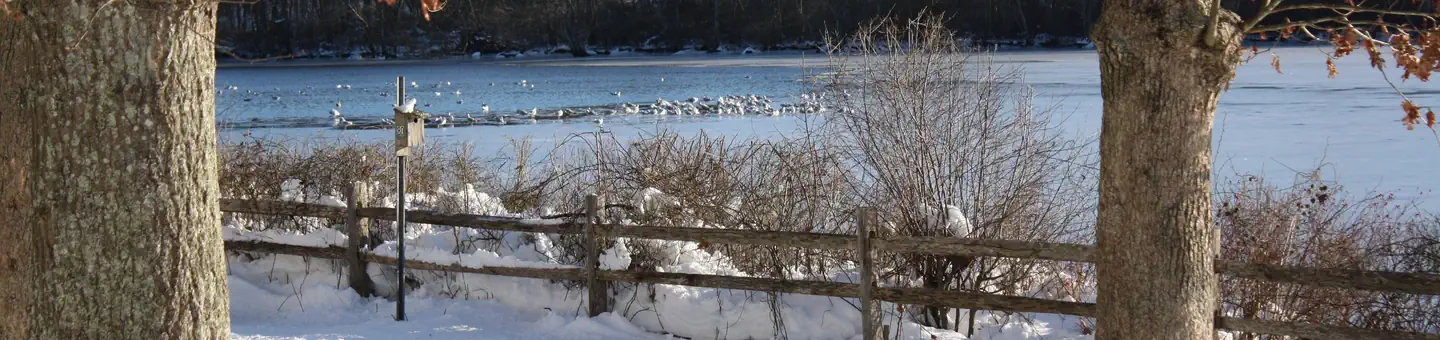
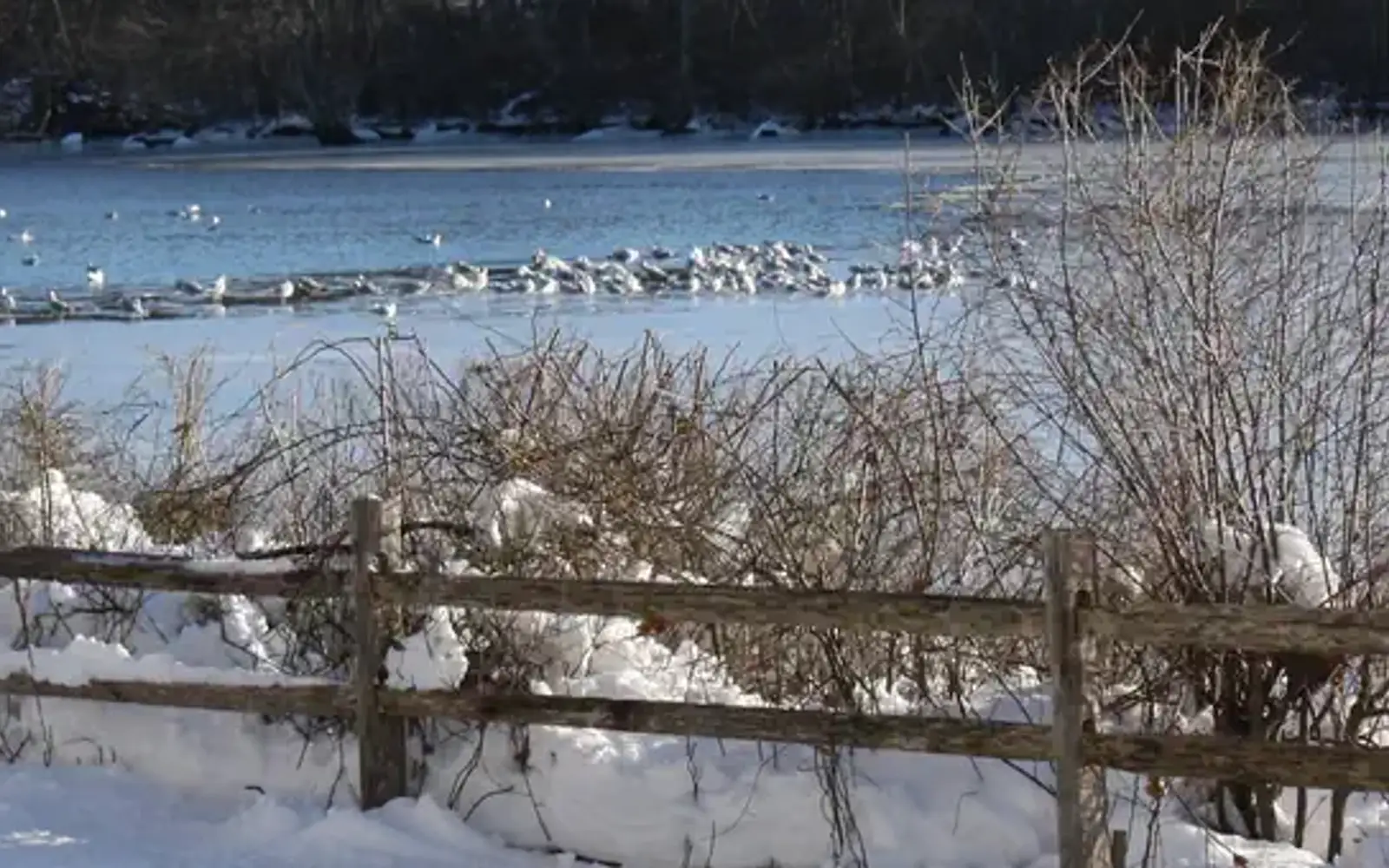
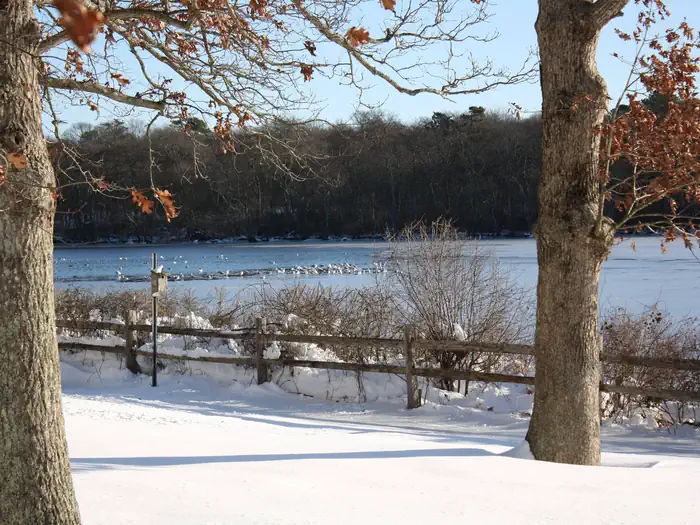
The refuge's wetland diversity makes spring and fall migration windows prime times to visit, supporting large numbers of shorebirds, raptors, and waterfowl. Summer offers paddling and fishing, though it can be busy. Winter is underrated; cross-country skiing and snowshoeing are available. The absence of foliage improves wildlife sightlines significantly.
What stands out
- Non-motorized paddling on the Carmans River through shifting freshwater, brackish, and saltwater habitats
- Birding across multiple distinct ecosystems - woodland, grassland, and wetland - in a single visit
- Free admission with an on-site visitor center and interpretive programs for orientation
- Winter trail use for cross-country skiing and snowshoeing on the same trail network
- Fishing and hunting opportunities in designated areas and seasons
- Wildlife viewing for osprey, white-tailed deer, fox, turtles, and muskrat alongside resident and migratory birds
Good to know
Entrance is free. The refuge operates under the U.S. Fish and Wildlife Service, distinct from direct National Park Service management. Prospective visitors should consult the USFWS site for current hours, seasonal closures, and hunting season dates. Those planning to paddle the Carmans River must confirm boat launch access and the necessity of bringing their own craft, as on-site rental availability is not assured.
Insider tipThe informed visitor will time their arrival for the shoulder seasons, specifically late April or mid-October. This strategy maximizes the potential for both active bird migration and reduced crowds. Weekday mornings further enhance the experience. This calculated approach provides access to the full breadth of the refuge's diverse habitats. Solitude is key here. Such quiet conditions are essential for meaningful wildlife encounters.