Waquoit Bay National Estuarine Research Reserve: our verdict
Waquoit Bay is a working National Estuarine Research Reserve on Cape Cod's south shore.
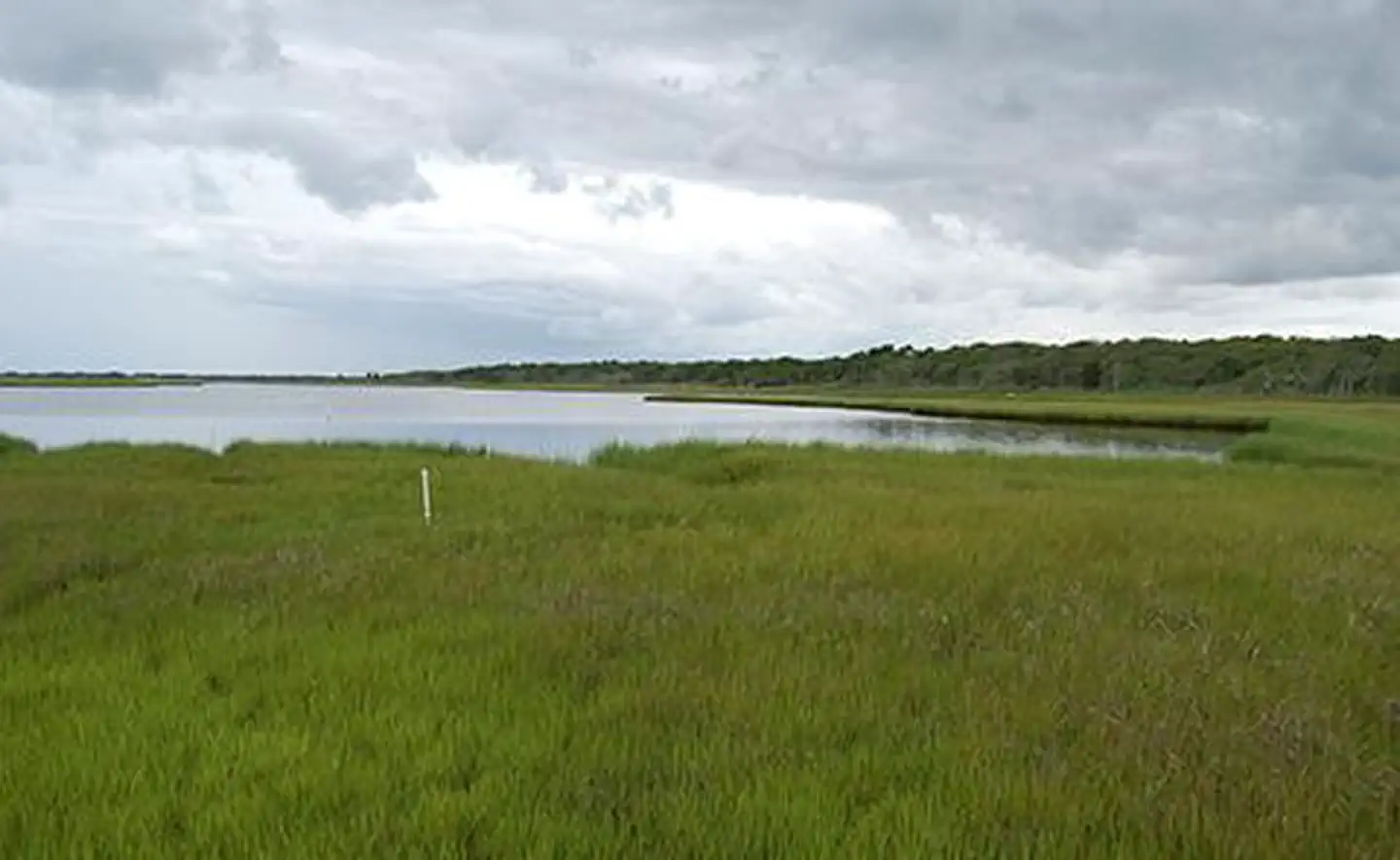
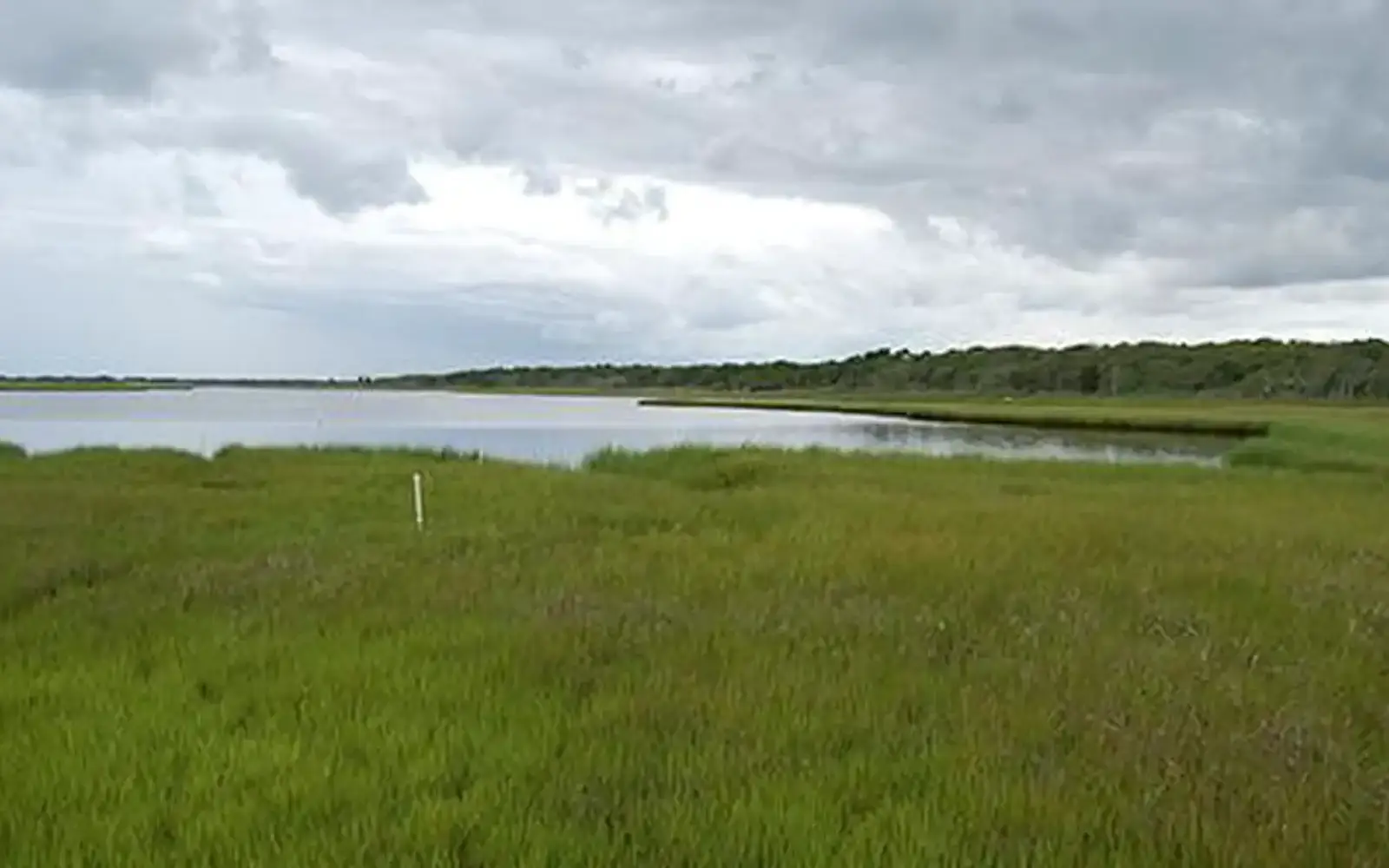
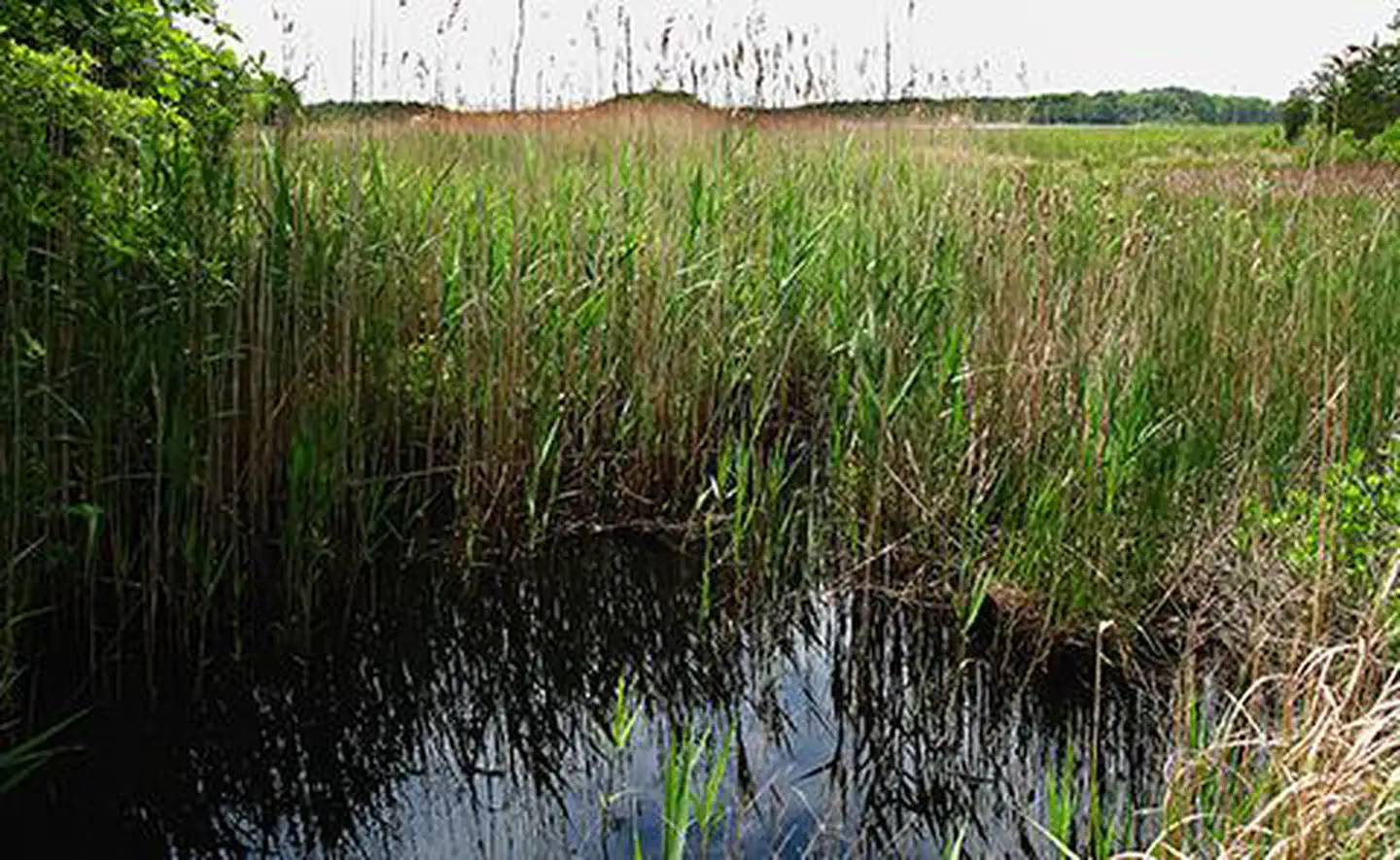
This functions as a living laboratory first, a recreation destination second. Yet it delivers a genuinely impressive outdoor experience. The reserve integrates open bay waters, salt marshes, barrier beaches, and the undeveloped Washburn Island. This entire unit is free to access. The island is the crown jewel, accessible only by paddling or private boat. It offers primitive camping amidst oak and pine forest, with minimal development. South Cape Beach provides a swimming strand and surf casting during seasonal fish migrations. Between paddling the estuary, island camping, marshland wildlife watching, and visitor center interpretive programs, this site offers considerable depth. It rewards visitors arriving with a kayak and a plan far more than casual drive-through sightseers.
Why visit
This national reserve excels as a water-centric destination. Its prime feature is Waquoit Bay, offering exceptional paddling opportunities. Navigate the estuary's salt marsh channels to Washburn Island, a rare undeveloped barrier island on Cape Cod. Overnight camping on the island transforms a day trip into a singular experience. On the mainland, South Cape Beach provides swimming and surf casting. This spot is particularly productive during seasonal bluefish and striped bass migrations. The visitor center offers interpretive programs, enhancing the understanding of the estuary's ecology and its wildlife, from shorebirds to fish. Upland trails through coastal forest cater to hikers. For those seeking paddling, camping, fishing, swimming, and educational programming, all within a free reserve, Waquoit Bay offers a combination difficult to equal in the region.
Who it suits
Washburn Island presents a compelling draw for specific outdoor enthusiasts. This is a destination for paddlers, kayakers, and anglers seeking an active Cape Cod experience, free from entry fees or significant crowds. Campers prepared to paddle to a primitive island site will discover Washburn Island exceptional. Families at home on the water and visitors primarily focused on natural pursuits will find ample reward. Travelers seeking a passive beach resort experience, or those without access to a kayak or boat, will find the island largely inaccessible and their options constrained.
Timing your visit
Late spring through early fall offers the practical access window, with summer providing the warmest water for swimming and peak paddling conditions. Fall merits serious consideration for the bluefish and striped bass migrations, bringing productive surf casting to South Cape Beach. Crowds thin considerably then. The oak and pine forest on Washburn Island turns. Winter access is limited, and the reserve's coastal character is fully exposed to storm activity.
What stands out
- Paddling or boating to Washburn Island, one of the last undeveloped coastal properties on Cape Cod
- Primitive island camping surrounded by barrier beach, coastal forest, and salt ponds
- Surf casting at South Cape Beach during the seasonal bluefish and striped bass migrations
- Wildlife viewing and photography across open bay, salt marsh, and upland habitats
- Interpretive programs at the reserve visitor center that explain the estuarine ecosystem
- Swimming at South Cape Beach with no entrance fee
Good to know
This reserve offers free entry, but its prime Washburn Island camping demands a reservation and watercraft access; a kayak or canoe is essential. The visitor center and South Cape Beach State Park fall under Massachusetts state regulations; verify their specific reservation requirements. Those planning summer weekend visits should note that South Cape Beach parking frequently reaches capacity early.
Insider tipBooking early for Washburn Island is essential, as it ranks among the Cape’s most coveted primitive camping locales. Paddlers should time their approach with an incoming or slack tide to avoid battling strong outgoing currents across the bay. This strategic planning ensures a less strenuous journey to a sought-after destination.