Walnut Canyon National Monument: our verdict
Walnut Canyon offers a concentrated, historically rich experience east of Flagstaff, Arizona.
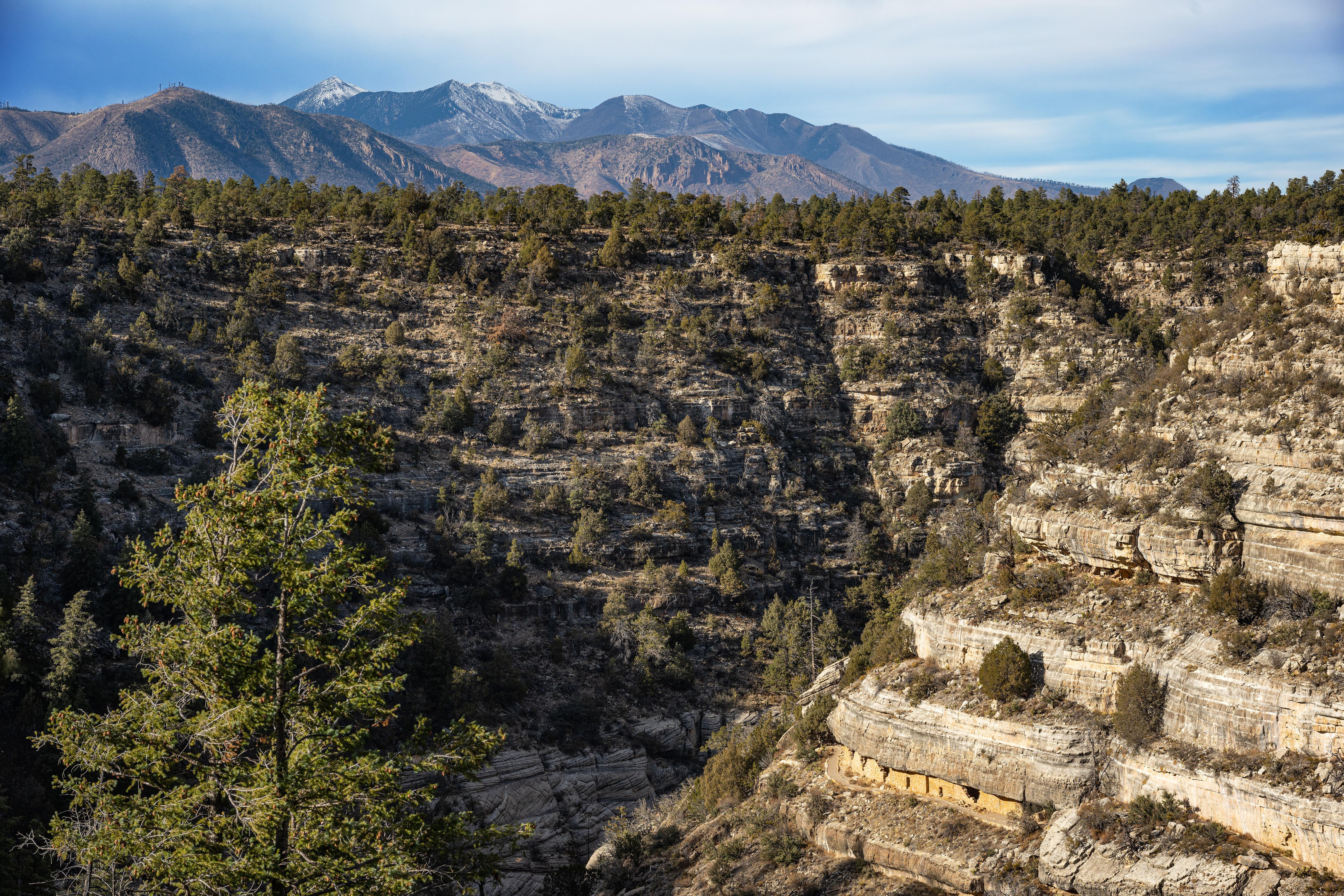
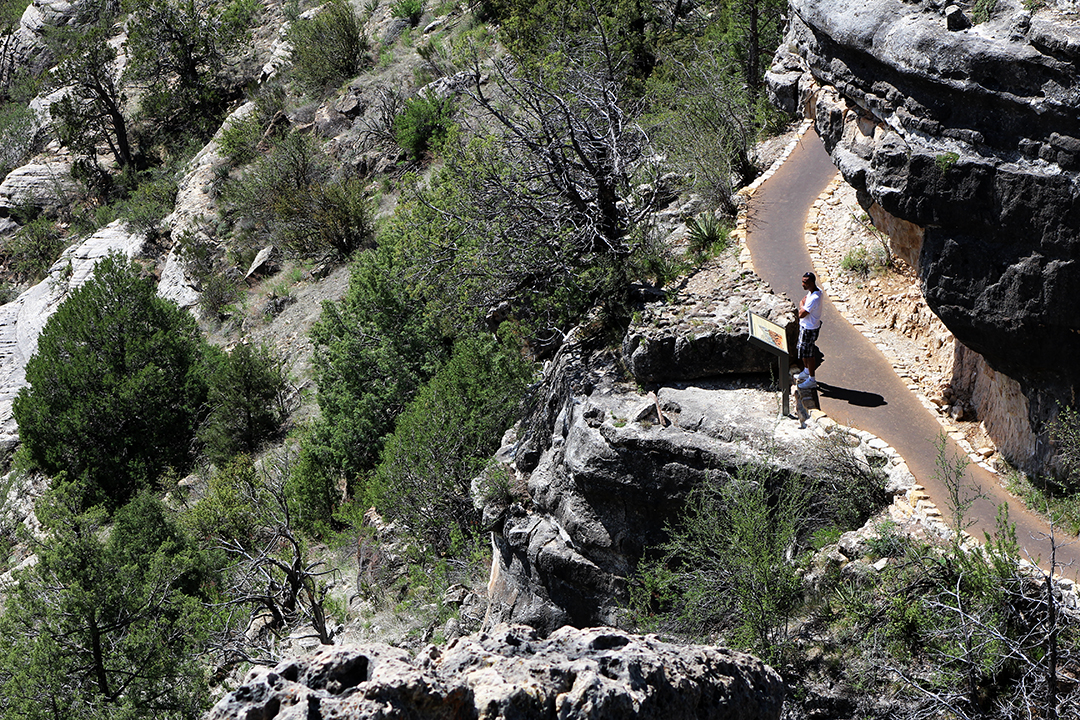
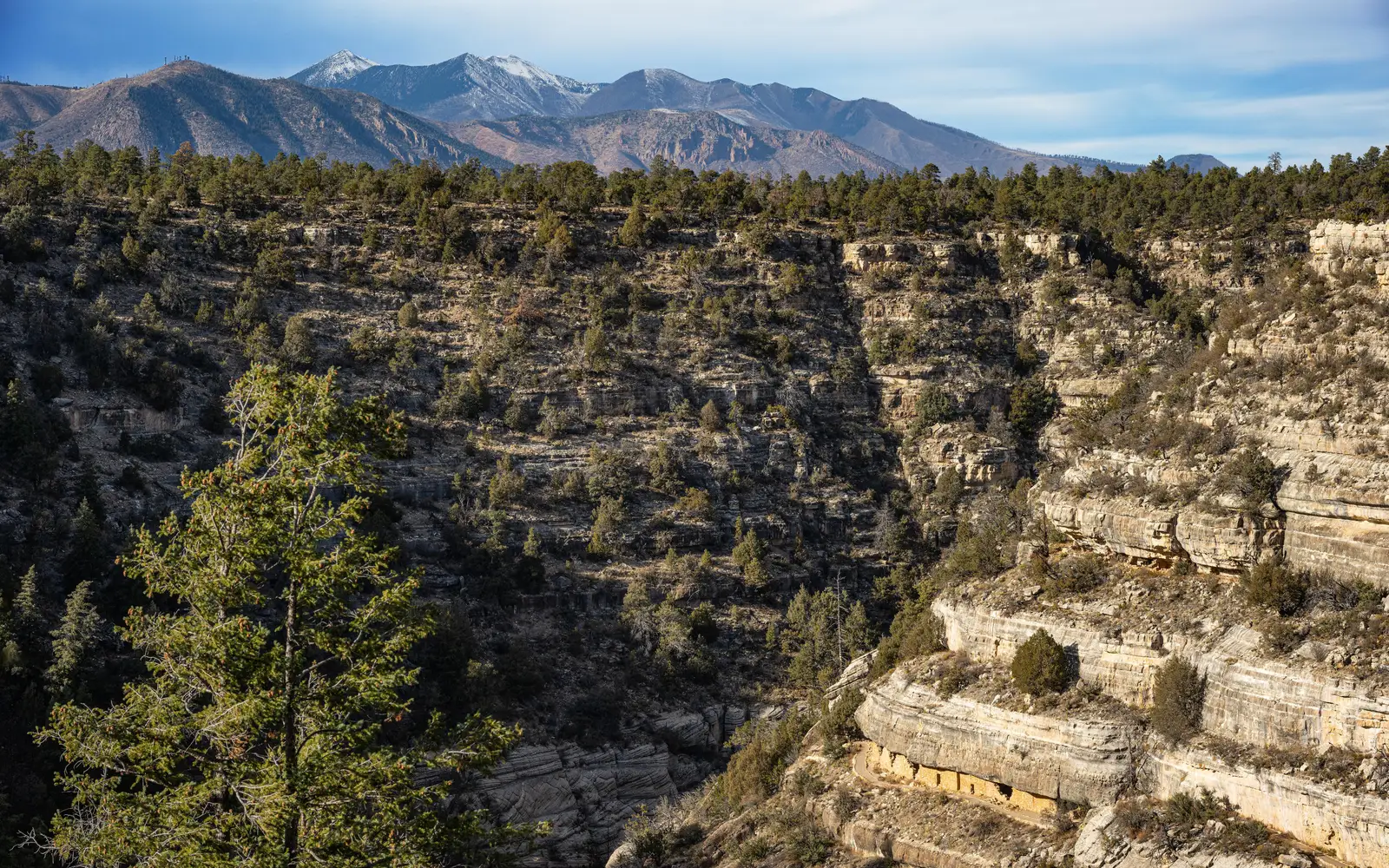
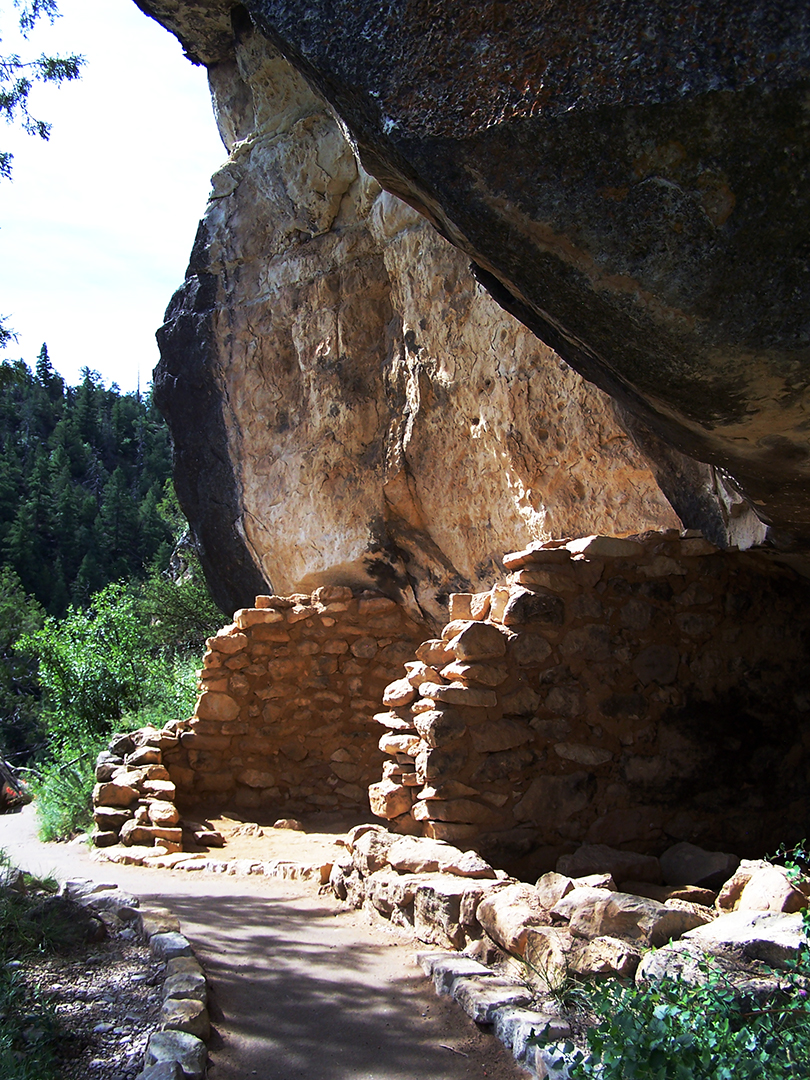
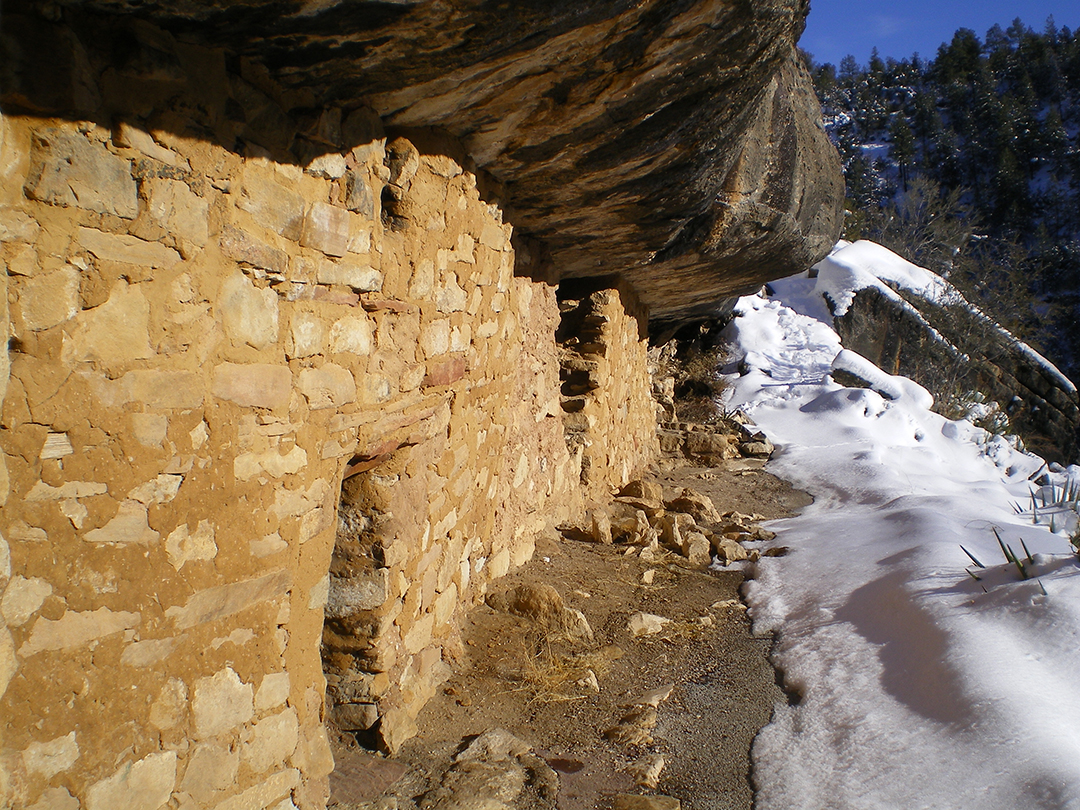
This site preserves Sinagua cliff dwellings, constructed into limestone ledges during the 12th and 13th centuries. The Island Trail forms the core experience, descending into the canyon to provide direct access to preserved cliff rooms. This loop is short but steep. Visitors can complete the monument in two to three hours. It is not a wilderness destination. For those in the Flagstaff area, it serves as an accessible and free addition. Dedicated archaeology enthusiasts will find it a compelling standalone destination. Casual visitors seeking extensive outdoor recreation should adjust expectations.
Why visit
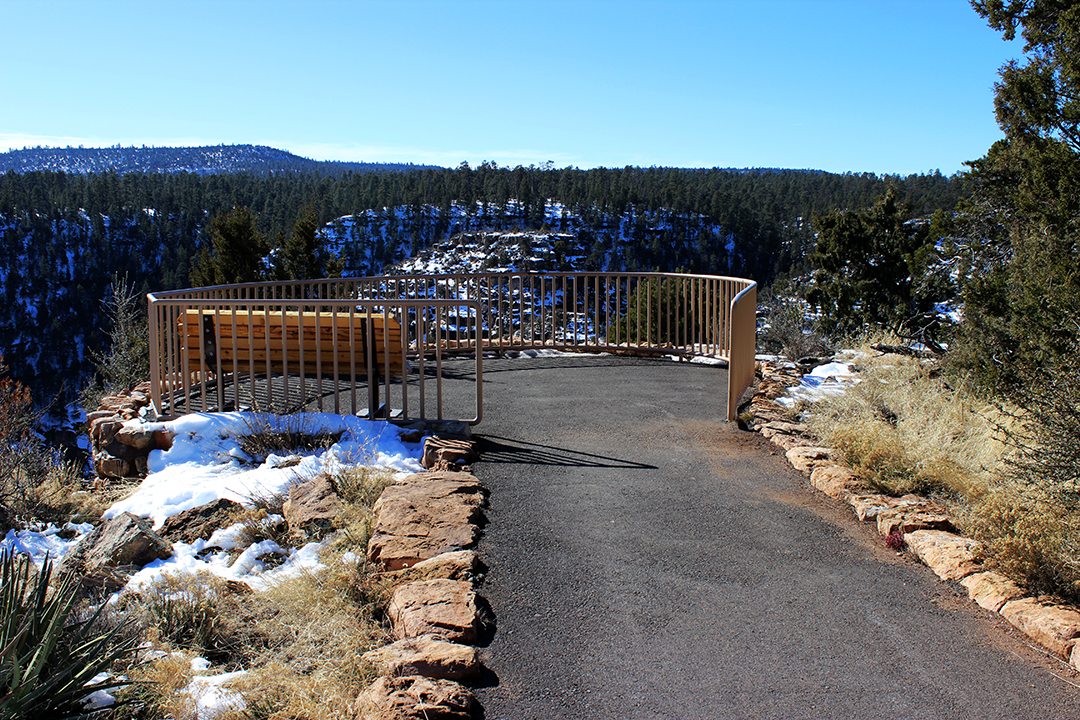
Walnut Canyon offers immediate immersion in its archaeological sites. The Island Trail brings visitors to eye level with cliff dwellings, an experience distinct from more distant archaeological viewing. For broader context, the Rim Trail offers panoramic views of the canyon, rich with ponderosa pine and juniper. The absence of an entry fee supports even brief visits. Families benefit from the Junior Ranger Program, and a visitor center film provides historical background. Guided tours further illuminate Sinagua agricultural practices and the canyon's Indigenous history beyond static signage.
Who it suits
This site caters primarily to those with an interest in history and archaeology. Families with children capable of navigating a moderately steep, short trail will find genuine engagement. For casual visitors already in Flagstaff, it presents a compelling itinerary addition. Those seeking extensive backcountry hiking or wildlife observation should consider alternatives, such as the Coconino National Forest.
Timing your visit
Optimal hiking conditions prevail in spring and fall, with mild temperatures and clear skies. Summer, from July through September, sees afternoon thunderstorms and temperatures over 95 degrees Fahrenheit; morning arrivals are essential. Winter snows make trails slippery but offer dramatic scenery. The Island Trail closes daily at 4:00 p.m.; plan accordingly.
What stands out
- Walking directly alongside preserved Sinagua cliff dwellings on the Island Trail
- Rim trail views across the forested canyon from above
- Free admission with no reservation barrier to entry
- Informative park film providing archaeological and cultural context
- Junior Ranger Program for hands-on engagement with younger visitors
- Optional guided tours for deeper interpretive detail on Sinagua history
Good to know
Admission is free; however, a late arrival significantly curtails the experience. The monument operates daily from 9:00 a.m. to 5:00 p.m., but the Island Trail closes at 4:00 p.m. This trail features a notable elevation change with steps. Visitors with mobility considerations should factor this into their plans. Situated just east of Flagstaff off Interstate 40, this makes for an accessible roadside stop.
Insider tipThis park is best experienced on weekdays, arriving at 9:00 a.m. The Island Trail has narrow sections. Crowds impede progress. Cliff dwelling alcoves offer more immersion without queues. Avoid peak times for a superior visit.