Should you visit Voyageurs National Park?
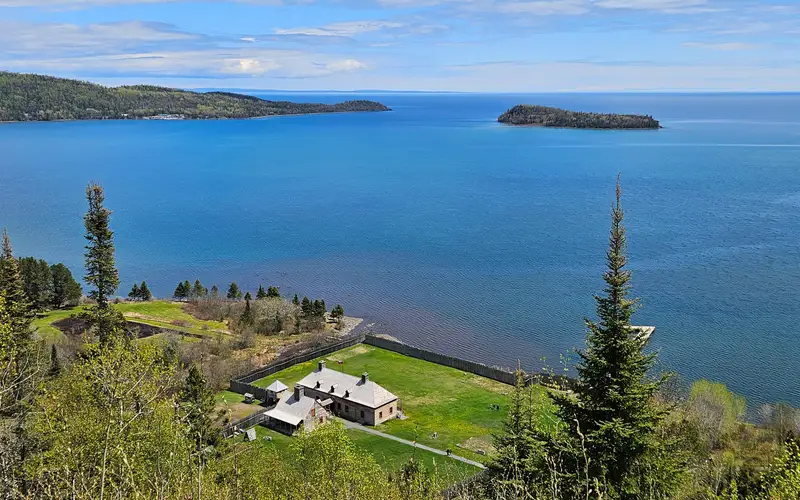
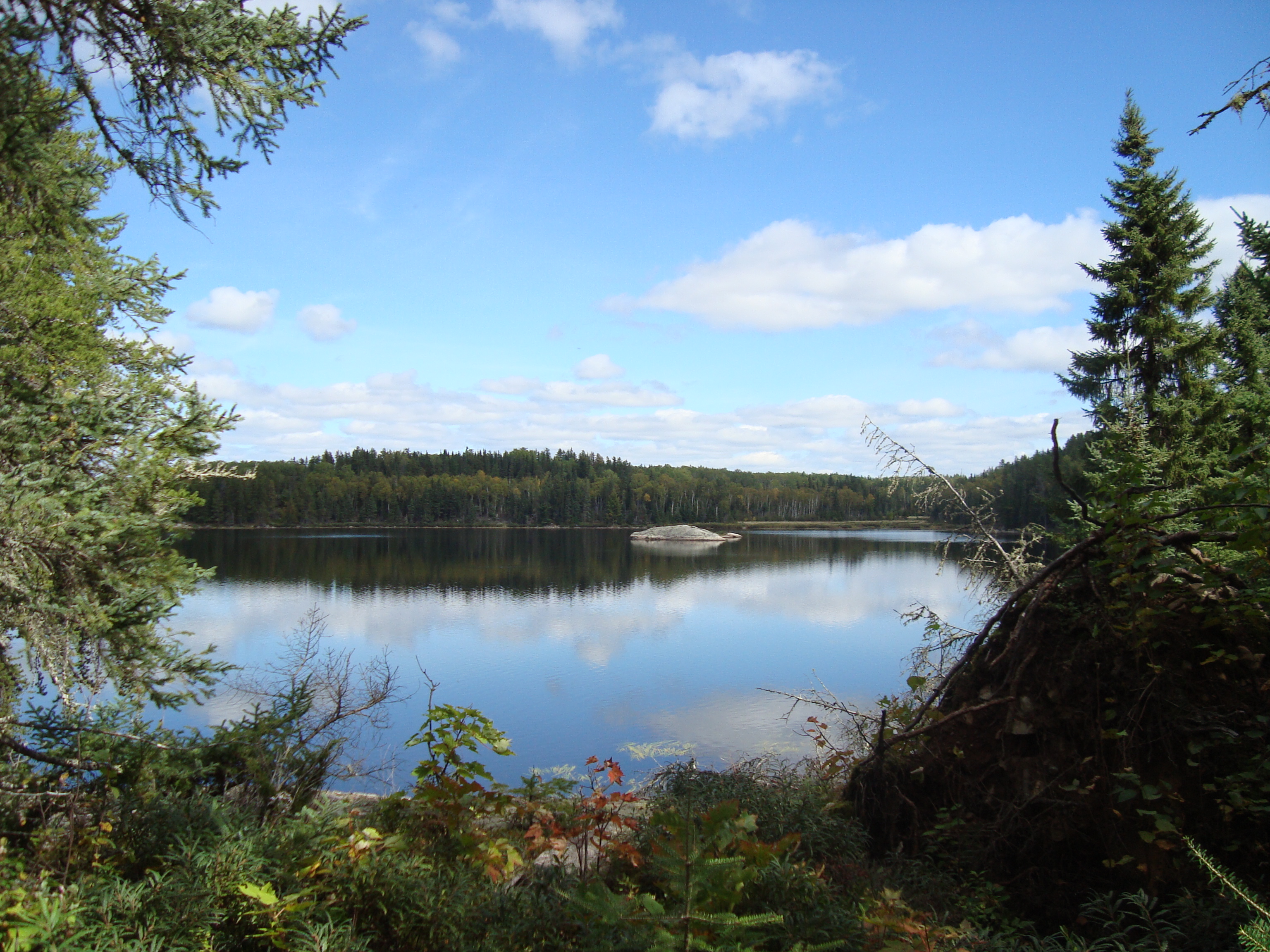
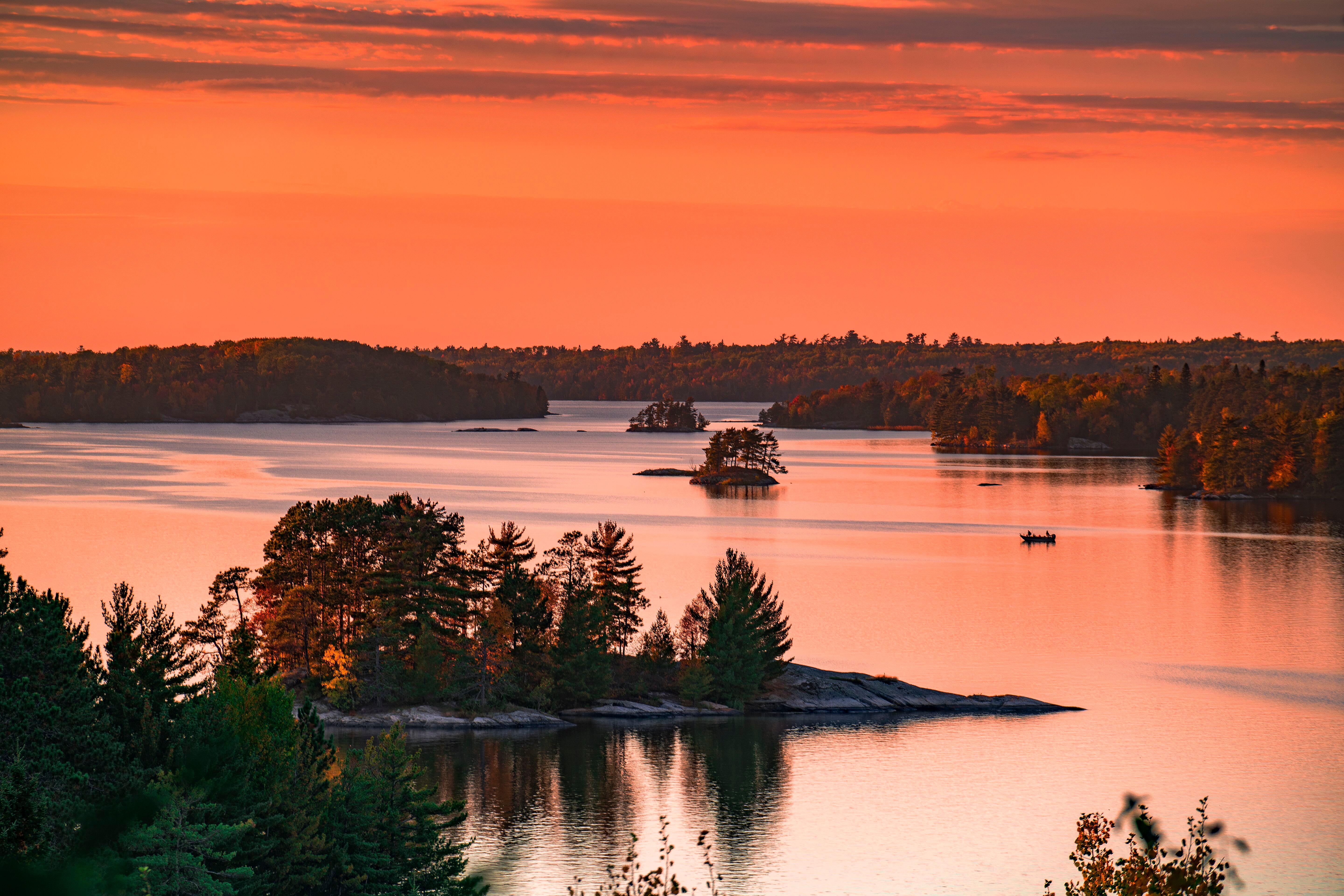
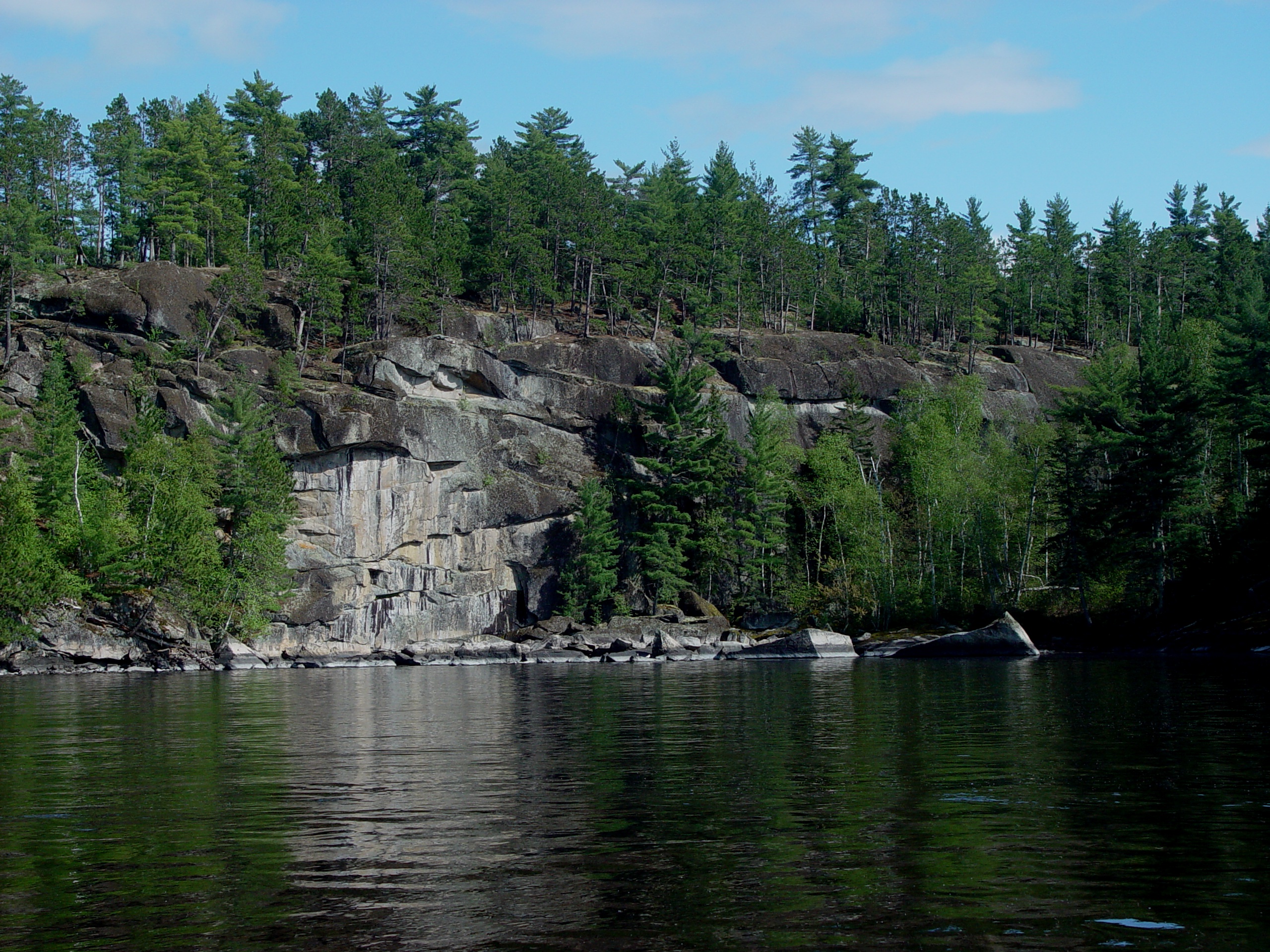
Voyageurs National Park, a 218,000-acre expanse of interconnected lakes and boreal forest in northern Minnesota, stands out among Lower 48 parks.
Its identity is uniquely water-based. The park's interior lacks roads, making on-water access essential. While hiking and cycling options exist, they are secondary to boating, paddling, and fishing. The park's Experience Score is perfect, reflecting its year-round breadth from summer open-water camping to winter snowmobiling and cross-country skiing on frozen lakes. Admission is free. This park rewards active planning and punishes passivity. Bring a boat.
What makes it worth it
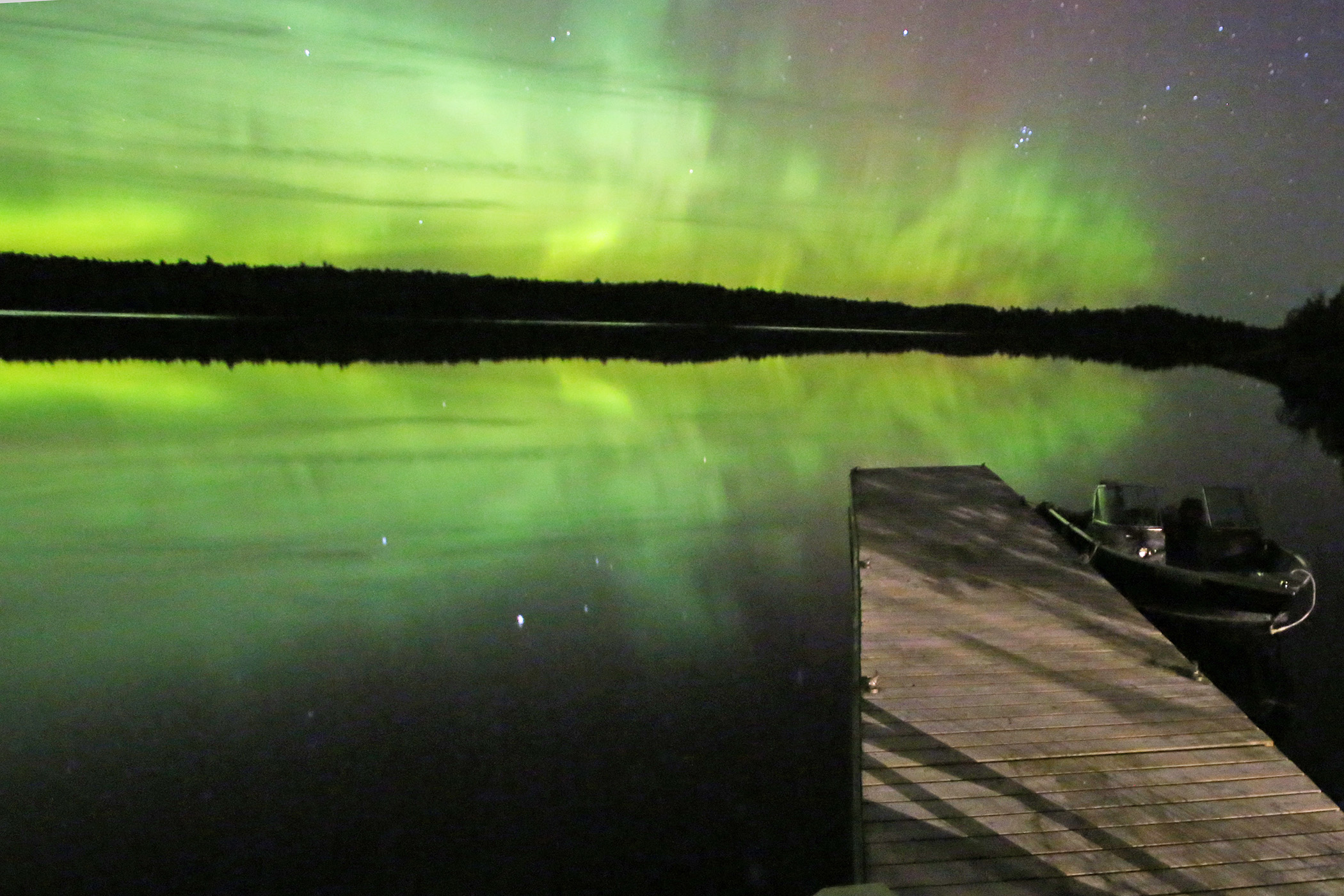
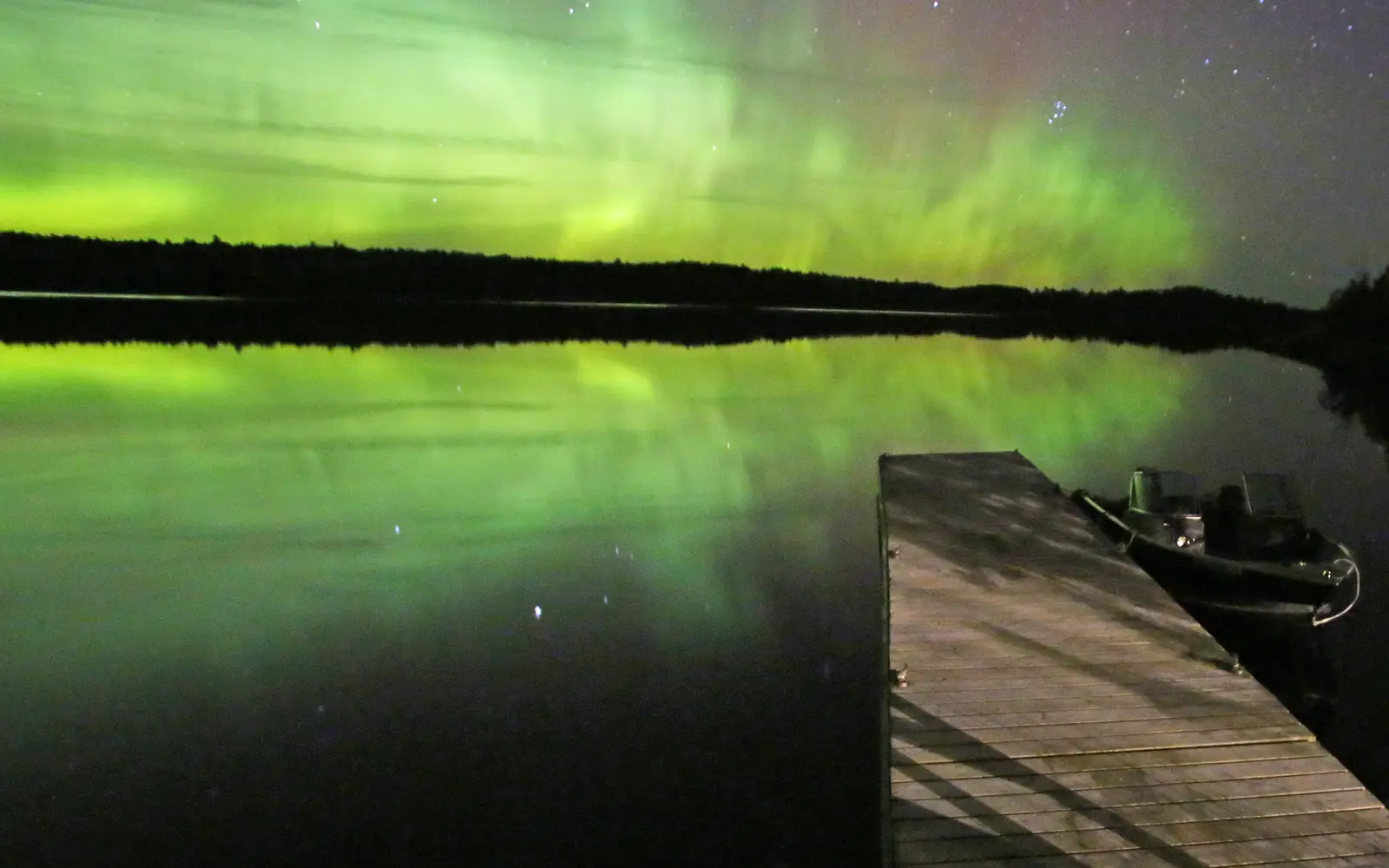
Voyageurs National Park is ideal for paddlers and boaters. Its water-access-only campsites offer a rare chance to experience a true dark-sky environment, with stargazing a premier activity. Guided boat tours provide historical context for those without a personal craft. Winter transforms the park into a network of snowmobile routes and groomed ski trails. Year-round, the boreal forests and shorelines support diverse birdwatching. This park strongly favors self-sufficient, water-based exploration.
Who should go
This park caters to a specific, active visitor. Boaters, anglers, paddlers, and winter sports enthusiasts will find exceptional opportunities. Families ready for canoe camping or boat-based exploration can make lasting memories. However, casual day hikers or those expecting traditional road access will find the park's offerings limited. Without personal or rented watercraft, the visitor experience is significantly curtailed.
When to go
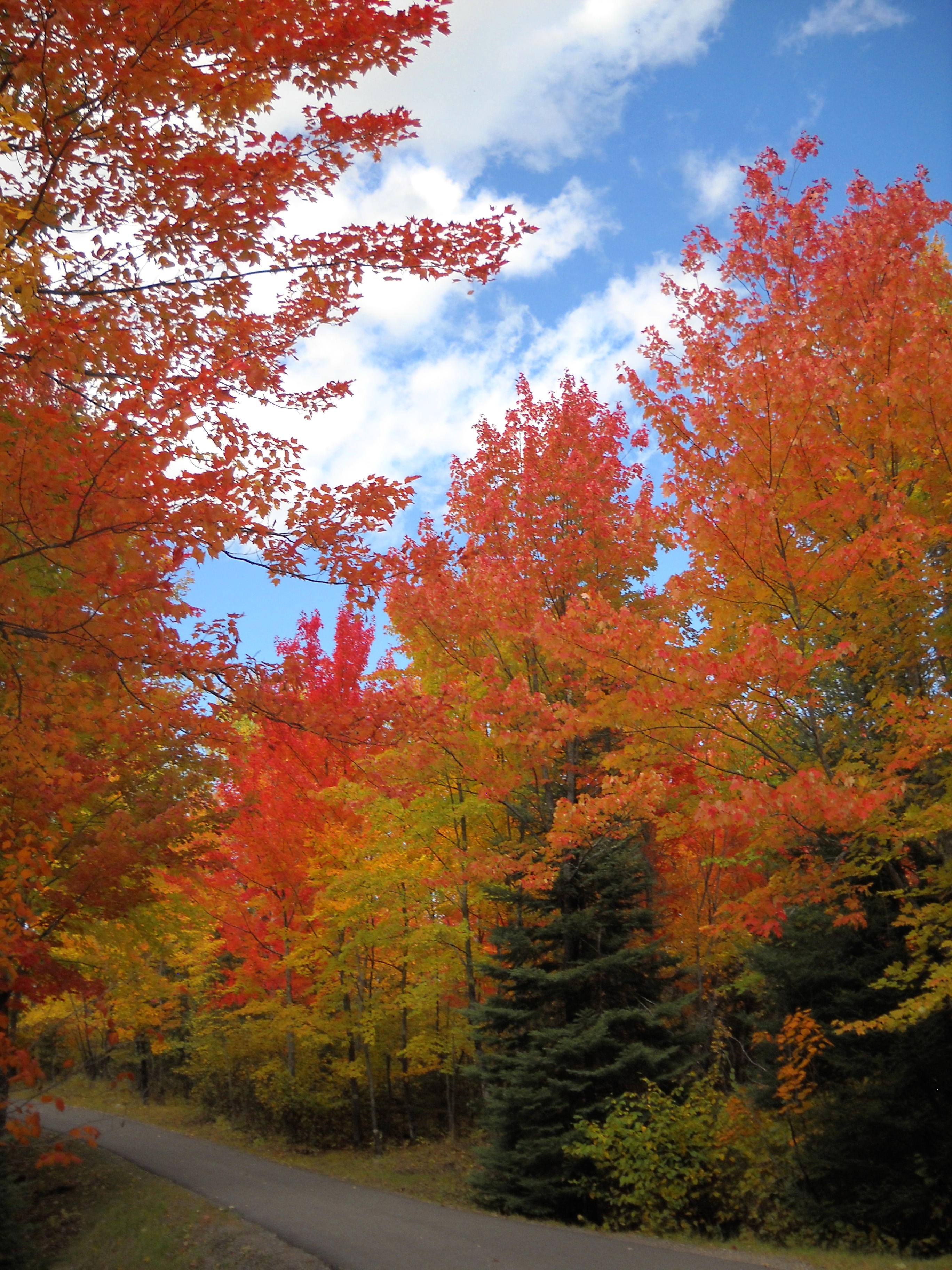
The park's most dependable weather occurs from mid-June through August, with a 120-day frost-free average. Late May presents transitional conditions, as ice-out generally occurs around May 3. Autumn provides visual appeal, but falling temperatures introduce thin-ice hazards. From November through March, winter recreation excels, with exceptional snowmobiling, skiing, and snowshoeing across frozen lakes. This season requires thorough cold-weather readiness.
Highlights
- Water-access-only backcountry campsites accessible by canoe, kayak, or motorboat
- Certified dark skies for stargazing, with ranger-led astronomy programs offered
- Winter lake travel by snowmobile and cross-country skis on frozen water routes
- Freshwater fishing for walleye and other species across interconnected lake systems
- Guided boat tours covering Voyageurs fur-trade history and natural features
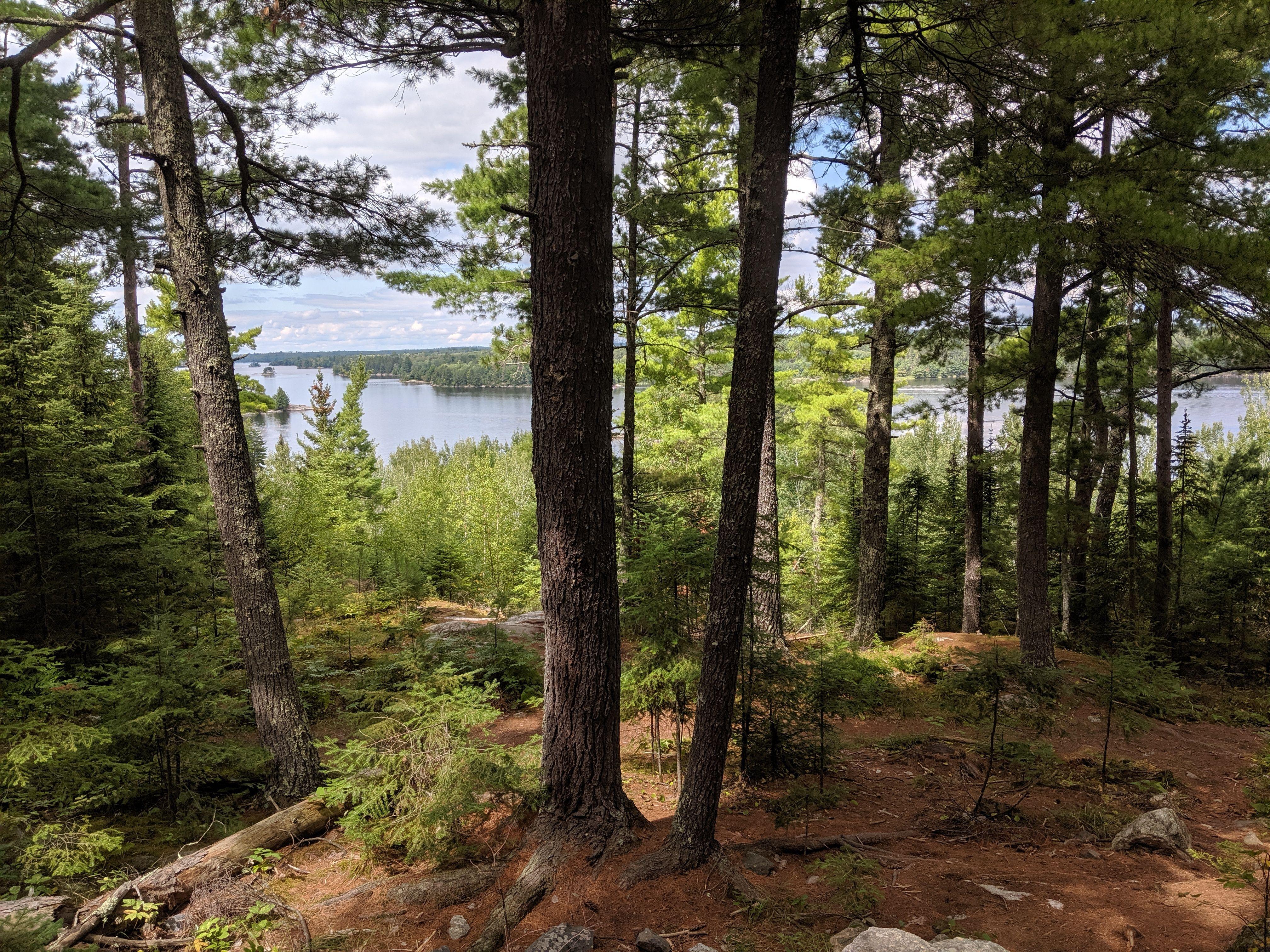
- Birdwatching through boreal forest and along extensive lake shorelines
Plan ahead
Entrance to this park is free year-round. However, the park's interior is largely inaccessible without watercraft. Boat rentals and outfitters operate near the park; these are not NPS-run, so summer visitors must book ahead. The park features multiple, separate entry points lacking road connections between them. Plan your chosen activity zone, then select your access point accordingly. This is a park for paddlers and boaters. Casual sightseers should look elsewhere.
Editor's tipA summer visit without a boat demands early booking of a guided tour. These excursions access significant park sections unreachable on foot. They fundamentally reframe the landscape. This context makes subsequent shoreline exploration far more meaningful.