589 units scored Refreshed on a schedule Independent, no sponsored rankings
National Wildlife RefugeND
Upper Souris National Wildlife Refuge
NPS / Jennifer Jewitt/USFWS
60/ 100GOOD RANGE
parkverdict Experience ScoreIndependent, not sponsored
60 of 100. Our independent breadth-and-access index. How we score
Worth it?
Is Upper Souris National Wildlife Refuge worth it?
Upper Souris National Wildlife Refuge prioritizes conservation.
Extending 35 miles along the Souris River Valley in northwestern North Dakota, it offers significant waterfowl viewing during migration. The remote location and limited infrastructure require visitor planning. Free admission is a notable benefit. Casual sightseers seeking extensive amenities will find it lacking. This is a destination for those who appreciate a quiet, uncrowded auto tour and understand its primary function as a refuge.
Who it is for
This refuge serves a specific audience. Birders pursuing waterfowl migrations, hunters, and anglers seeking a low-pressure North Dakota river corridor will find it worthwhile. Casual sightseers should look elsewhere. There are no developed trails, interpretive centers, or dramatic scenery.
Worth seeing
Auto touring the 35-mile Souris River corridor during spring and fall waterfowl migrations
Boating and fishing on the river, with both motorized and non-motorized options available
Birding focused on the Central Flyway migration route, one of the continent's most significant waterfowl pathways
Seasonal hunting opportunities managed specifically within the refuge's wildlife-first framework
Our tipTiming a visit to coincide with spring or fall migrations is essential for experiencing this refuge at its most dynamic. Prospective visitors should consult the U.S. Fish and Wildlife Service website prior to arrival, as the
How we scored it
How Upper Souris National Wildlife Refuge earned its 60
Where does a 60 come from? One formula, run the same on every place we cover, built only from public data on what a unit offers and how reachable it is. It says nothing about how pretty a spot is or how busy it gets. This is what fed it:
Activity breadth10 documented activities
Topic breadth0 topics
Official imagery2 public-domain images
Camping on sitenone recorded
Entry costfree
No number is hand-adjusted and no unit pays for placement. The full weights, the floor at 18 and a worked example are on how we score.
The honest limits
What the score cannot tell you
A quick honest note. The score tracks how much a place has going on and how easy it is to reach, both pulled from public records. What it cannot see is the stuff that often makes or breaks a day: whether the views stop you cold, how packed it gets in season, what the trails are like after rain, or whether you catch a great ranger talk. A small, single-focus site can land below a sprawling park here and still be the better call for your trip. Use the number to compare what places offer on paper, and the verdict up top to tell if it is your kind of place.
The Upper Souris National Wildlife Refuge is one of more than 565 refuges and 38 wetland management districts in the National Wildlife Refuge System. The U.S. Fish and Wildlife Service manages this network of lands for wildlife conservation. The Refuge System aims to conserve wildlife and habitat.
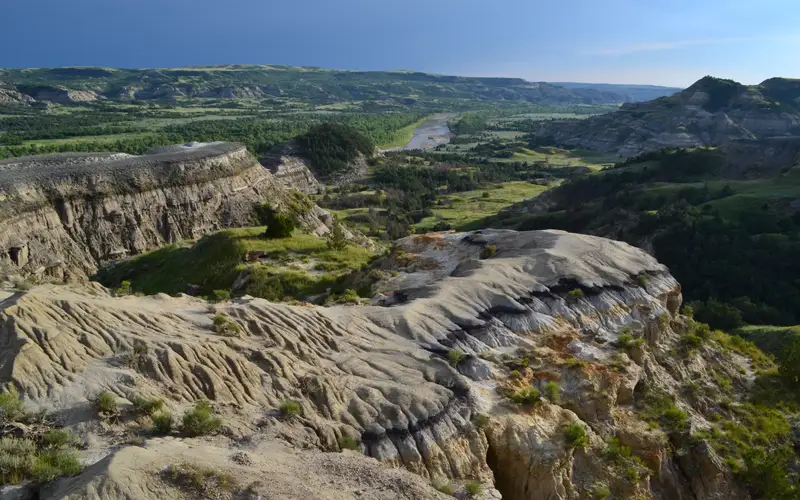
Upper Souris National Wildlife Refuge is located in the Souris River Valley of northwestern North Dakota. It stretches for 35 miles along the Souris River corridor. The U.S. Fish and Wildlife Service manages this refuge. It is part of a series of national wildlife refuges within the Central Flyway, a waterfowl migration corridor.
The refuge was established in 1935. Its purpose was to serve as "a refuge and breeding ground for migratory birds and other wildlife." Refuge habitats are managed for diversity, meeting the needs of all wildlife. Grasslands are periodically grazed, hayed, burned, and rested. This provides nesting and escape cover for wildlife and rejuvenates vegetation.
Lake Darling is the largest of several water impoundments on the Refuge. This 9,600-acre lake was named after Ding Darling. Its main purpose is to provide a regulated water supply to smaller marshes downstream. It also supplies the larger marshes on the J. Clark Salyer Refuge, located 110 miles downstream.
On documented breadth and access, Upper Souris National Wildlife Refuge ranks 7th of 7 park and public-land units we score in North Dakota.
On offer
Documented activities
Auto TouringBoatingInterpretive ProgramsFishingHikingHuntingWildlife ViewingMotor BoatBirdingNon-Motorized Boating
Upper Souris National Wildlife Refuge: quick answers
Is Upper Souris National Wildlife Refuge worth visiting?
Upper Souris National Wildlife Refuge prioritizes conservation.
Is Upper Souris National Wildlife Refuge free to visit?
Yes, there is no entrance fee.
What is Upper Souris National Wildlife Refuge best for?
It leans hardest toward hiking, water activities, wildlife watching, scenic drives, going by the 10 activities it actually documents.
How is the Experience Score for Upper Souris National Wildlife Refuge calculated?
The 60 comes straight from public data on how much the place documents and how easy it is to reach, things like activities, topics, photos, camping and whether entry is free. It says nothing about scenery or how busy it gets.
Reviewed by Irene A. Taranina, founding editor/Checked against official public data/Published /Updated /Independent, no sponsored rankings
parkverdict is an independent digital publication. Not affiliated with the National Park Service.