Is Theodore Roosevelt National Park worth your trip?
Theodore Roosevelt National Park presents a compelling case as an underrated destination.
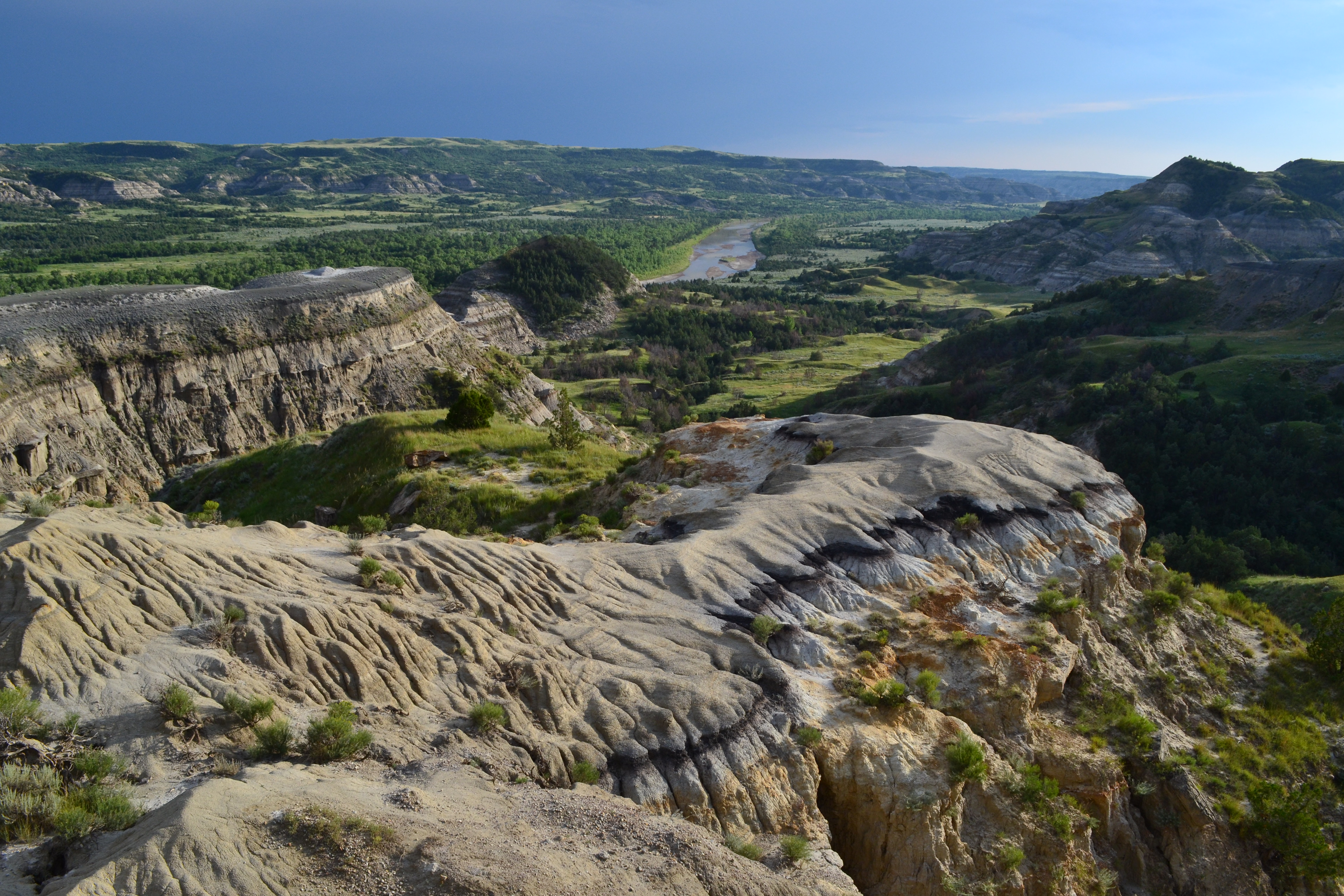
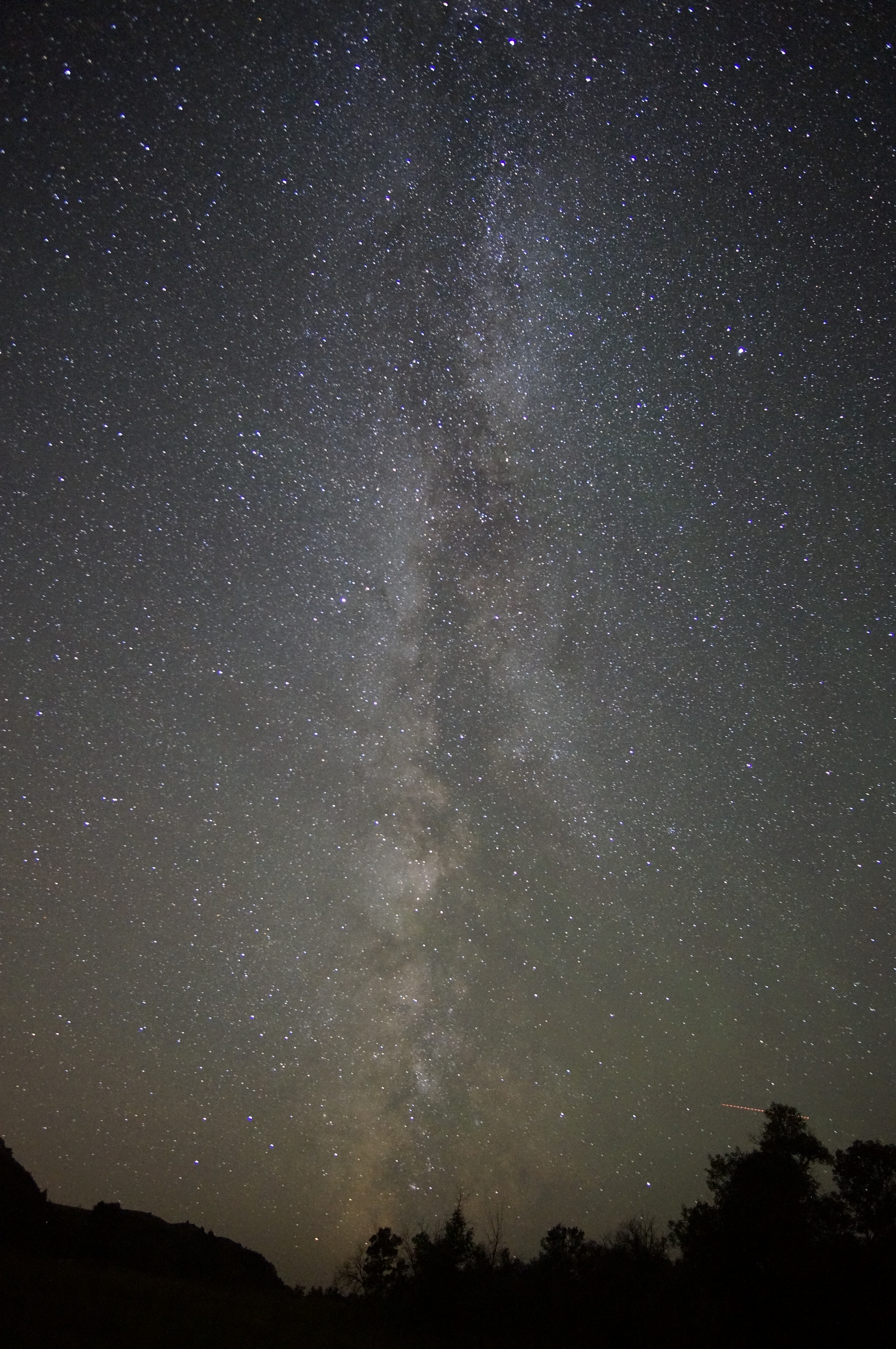
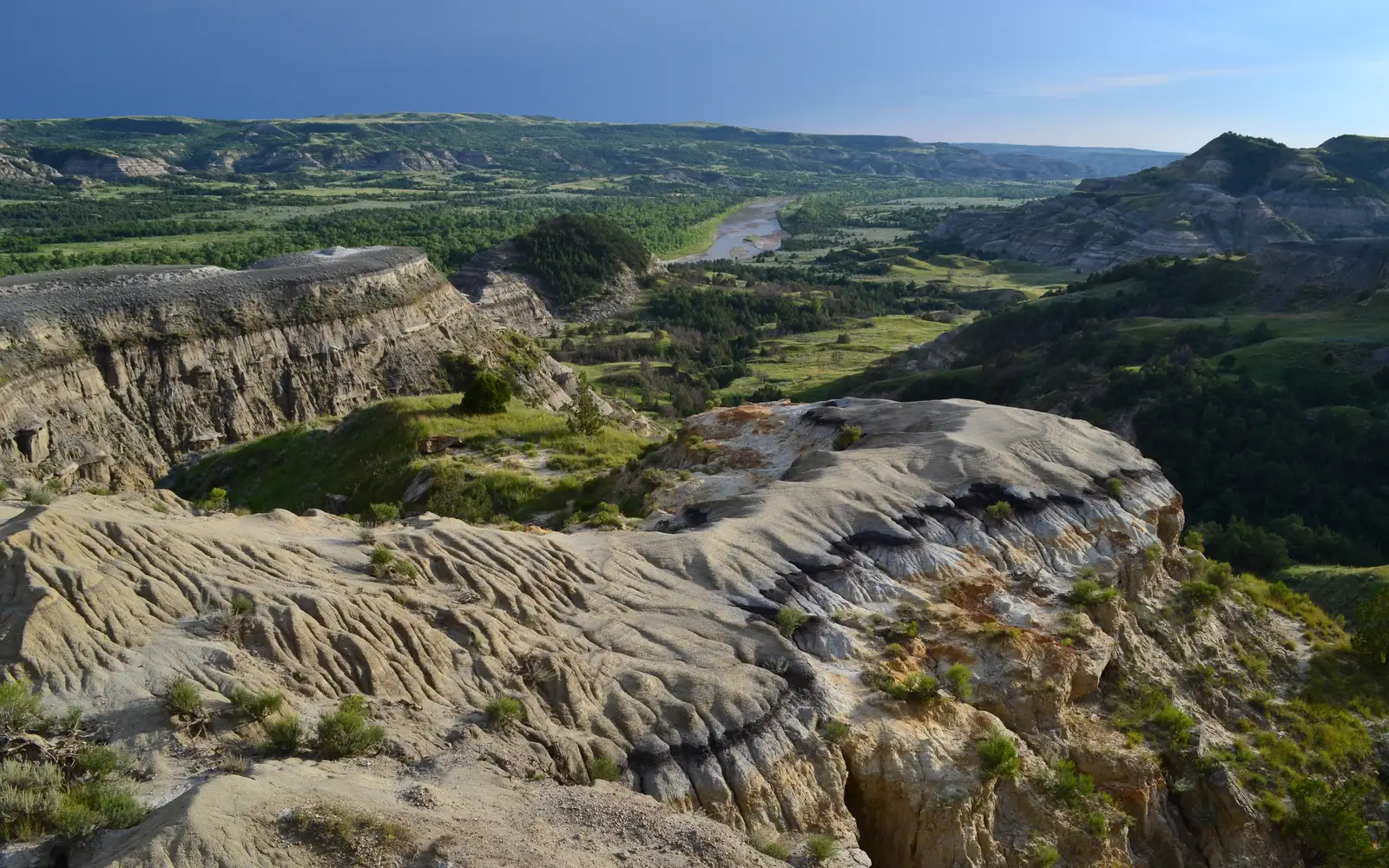
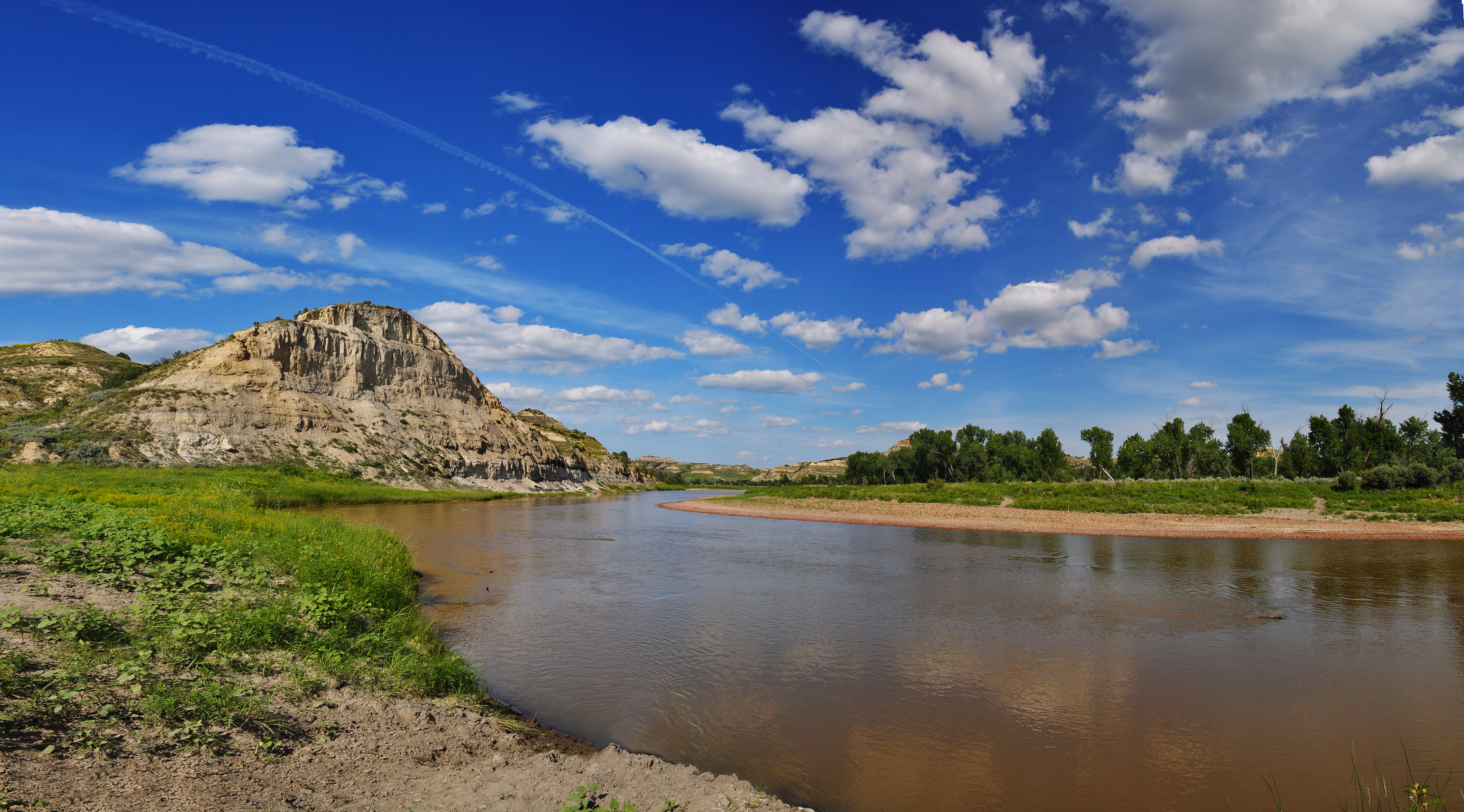
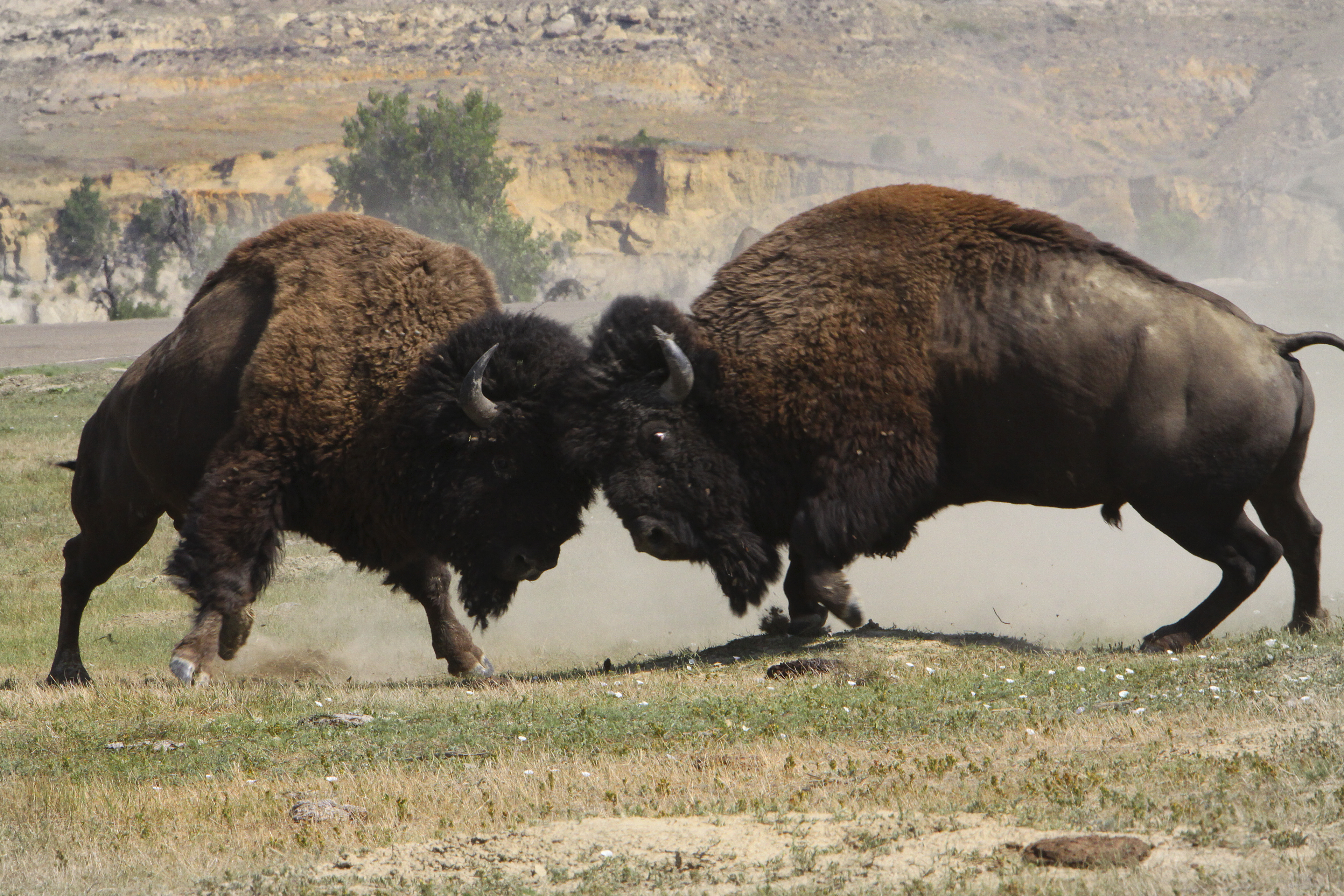
Across its three units in western North Dakota, it offers extensive badlands scenery, diverse wildlife, and significant stargazing opportunities. The park's documented breadth of activities, reflected in an experience score of 90, includes backcountry camping, guided tours, and horseback riding. A $15 entry fee provides access to these resources. Visitors prepared to engage with the landscape will find satisfaction. Driving the scenic loops, hiking through the painted buttes, and observing bison and wild horses are core experiences. Staying after dark reveals notably dark skies. This park is not for a brief stop; it demands and rewards an extended stay, particularly overnight.
Why go
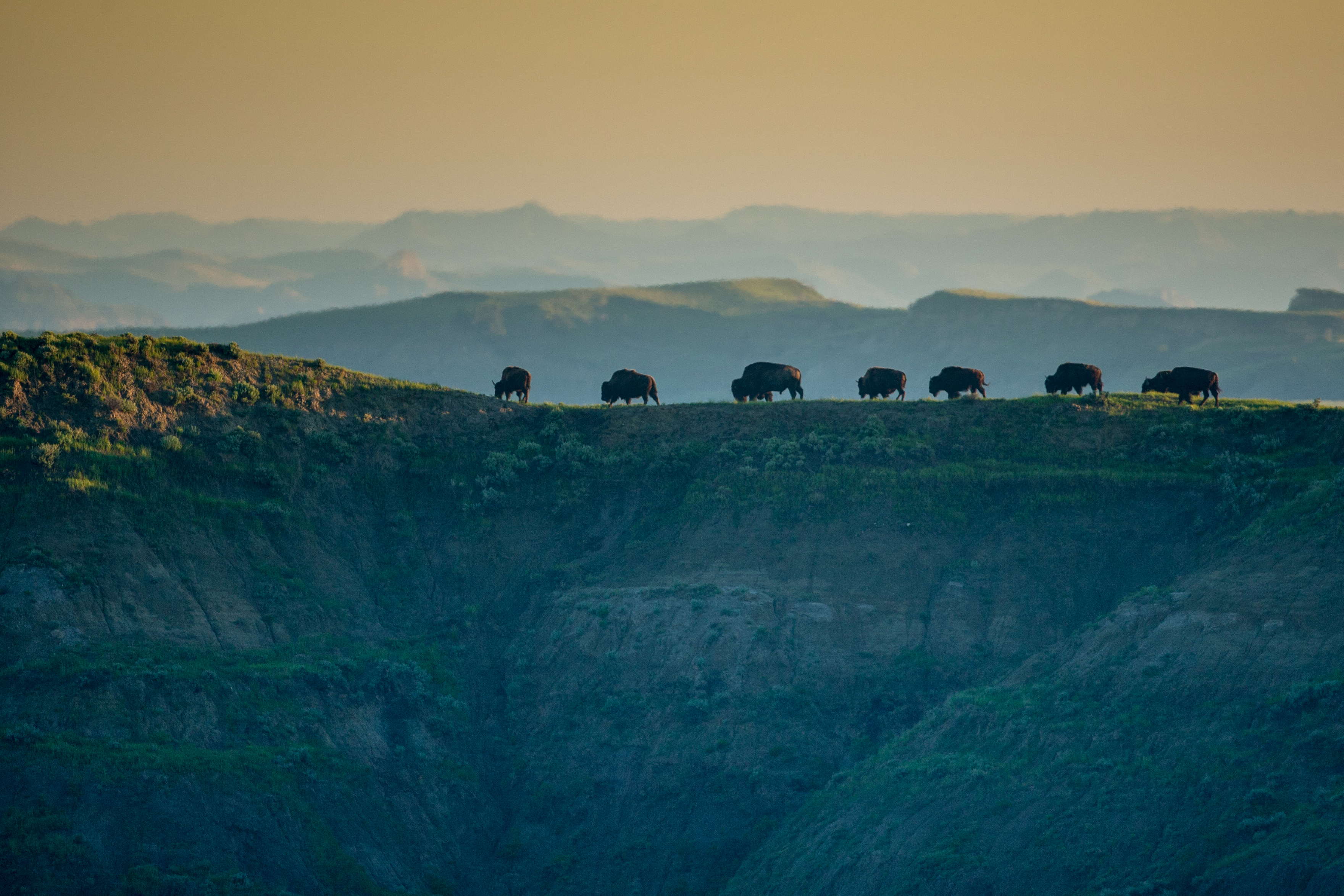
This unit rewards the prepared visitor. Early mornings offer prime wildlife viewing; the South Unit scenic loop provides access to active bison and excellent light on the buttes. Off-trail hiking is explicitly permitted in the badlands for those seeking solitude. For families, the visitor center offers museum exhibits and Junior Ranger booklets. Camping is available. This location in North Dakota provides world-class stargazing due to minimal light pollution. Equestrian and cycling access is well-accommodated. For its documented breadth and access, including wildlife, hiking, astronomy, and scenic drives, this park delivers a rare uncrowded experience.
Best for
This park best serves road-trippers crossing the Northern Plains. It offers a full-featured park experience. Wildlife enthusiasts, particularly those interested in bison and birds, will find much to engage with. It is also well-suited for serious dark-sky stargazing. Families, equestrians, and backpackers will find ample opportunities. Those seeking manicured facilities or iconic landmark photography should adjust their expectations. The park's appeal is immersive and cumulative, not centered on a single dramatic vista.
Best season
Late spring to early fall presents optimal conditions, with reliable road access across all three units and peak wildlife activity. Summer evenings afford prime stargazing opportunities after extended daylight. Fall delivers cooler temperatures and reduced visitor numbers. While the park remains open 24 hours year-round, winter travel is genuinely challenging; snow closures can isolate the Elkhorn Ranch Unit completely.
The high points
- Scenic driving loops through layered badlands buttes with frequent bison sightings
- Permitted off-trail hiking into the backcountry, with no need to stay on established paths
- Exceptional dark-sky stargazing well away from major light pollution
- Backcountry and horse camping for multi-day wilderness experiences
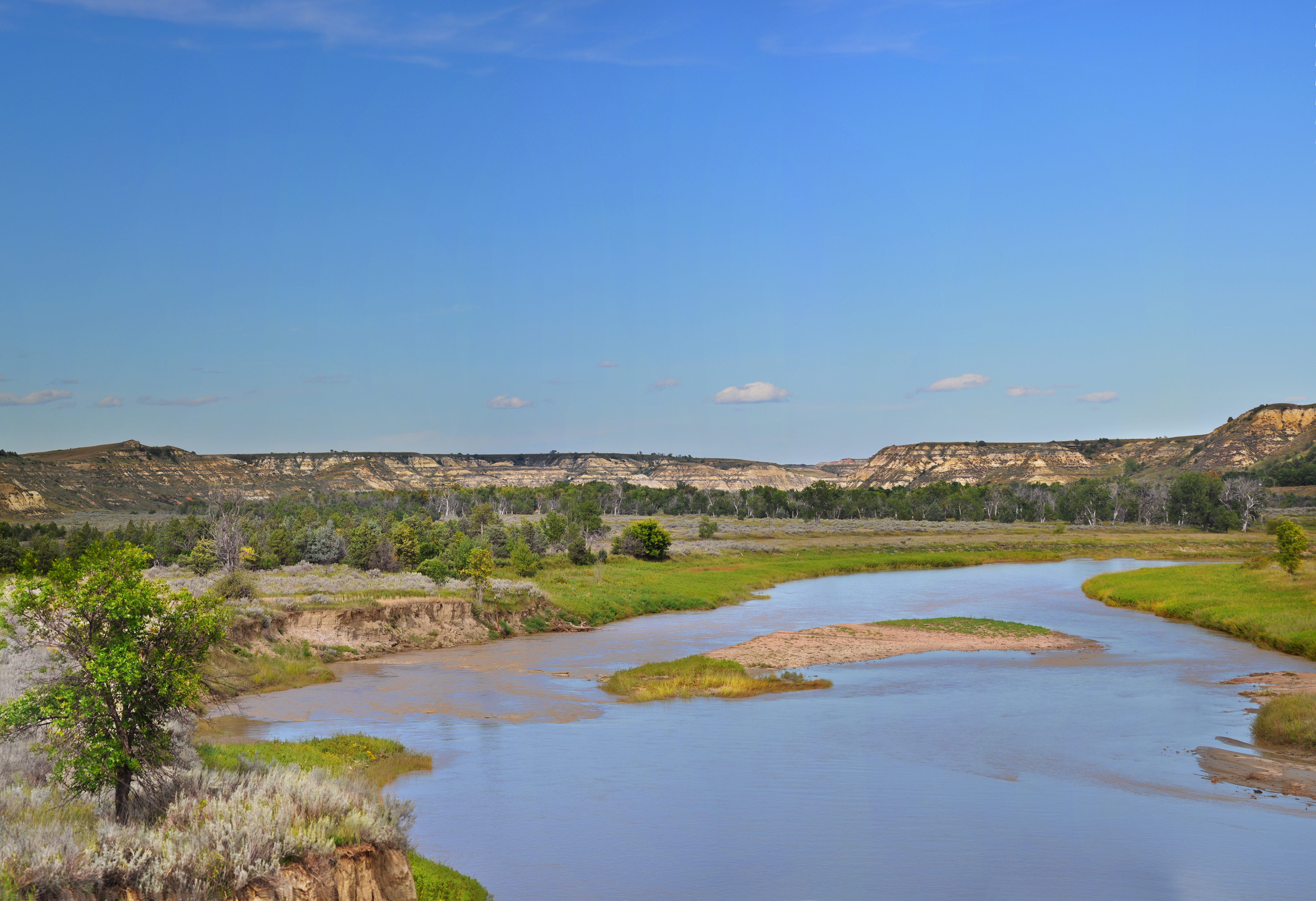
- Birdwatching and general wildlife watching across open grasslands and river breaks
- Guided tours and museum exhibits connecting the landscape to Roosevelt's conservation legacy
Know before you go
Entry is $15 per vehicle, covering all three units. The North and South Units are readily accessible via paved roads. The Elkhorn Ranch Unit requires a high-clearance vehicle. A river crossing there can become impassable after rain. Visitor centers and entrance stations operate on limited hours. Plan ahead: download maps and secure permits in advance.
One more thingFor the overnight camper, prioritizing the hour before sunrise over the period just after sunset is a clear advantage. The South Unit's badlands colors and wildlife activity at first light offer a superior experience compared to dusk. Furthermore, early risers will likely find the viewpoints deserted.