Knife River Indian Villages National Historic Site: our verdict
Knife River Indian Villages offers a legitimately absorbing historic experience on the North Dakota plains.
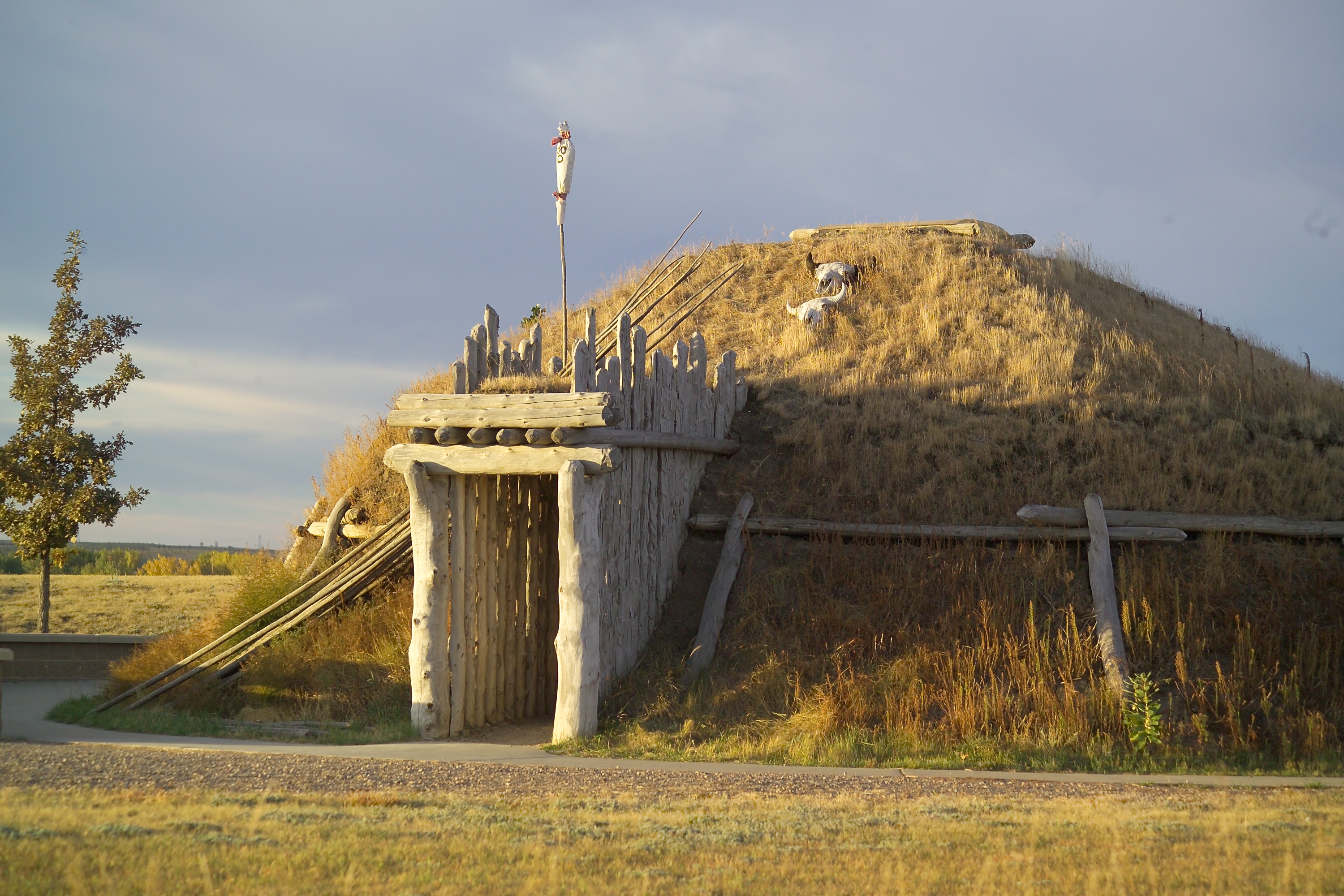
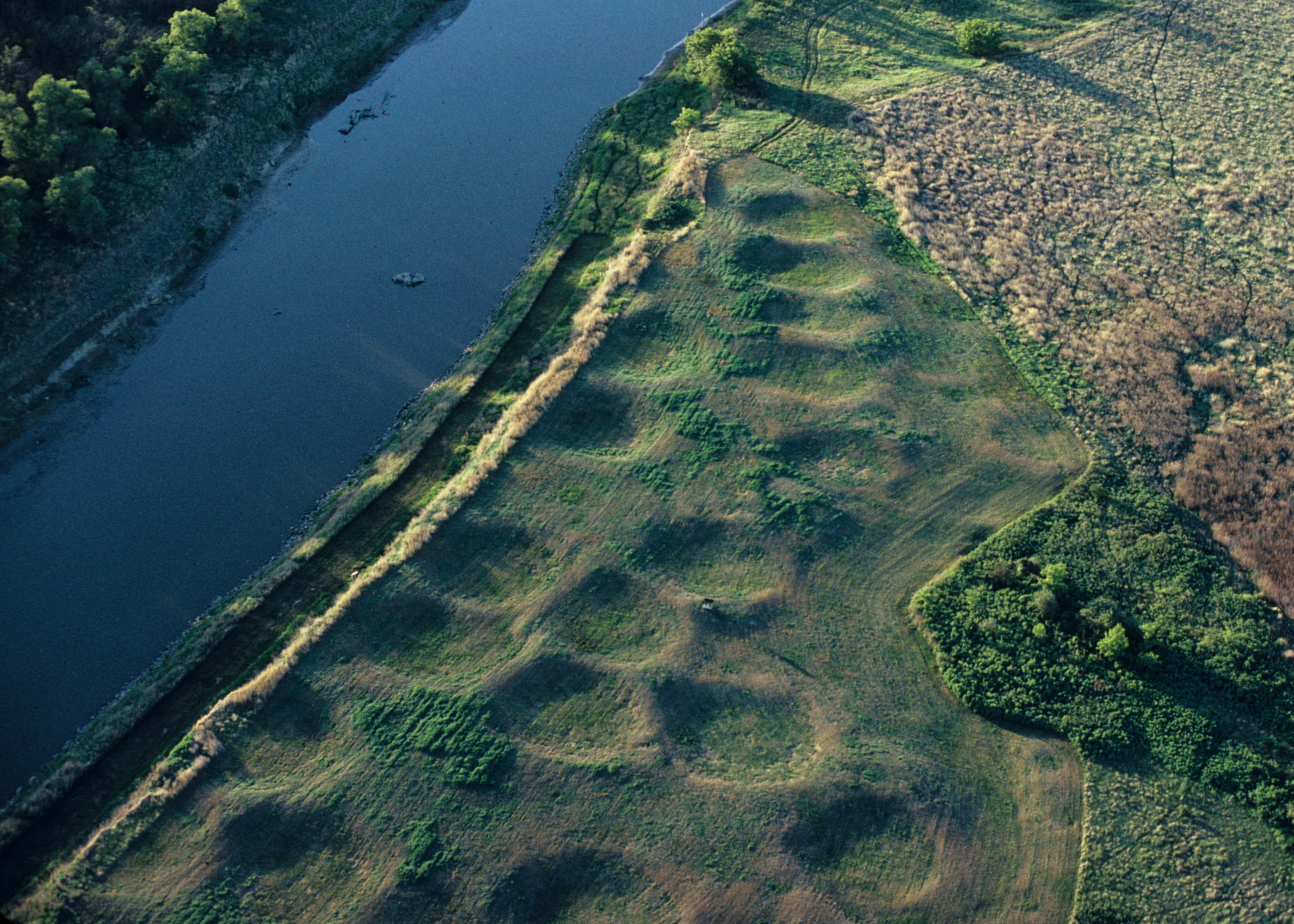
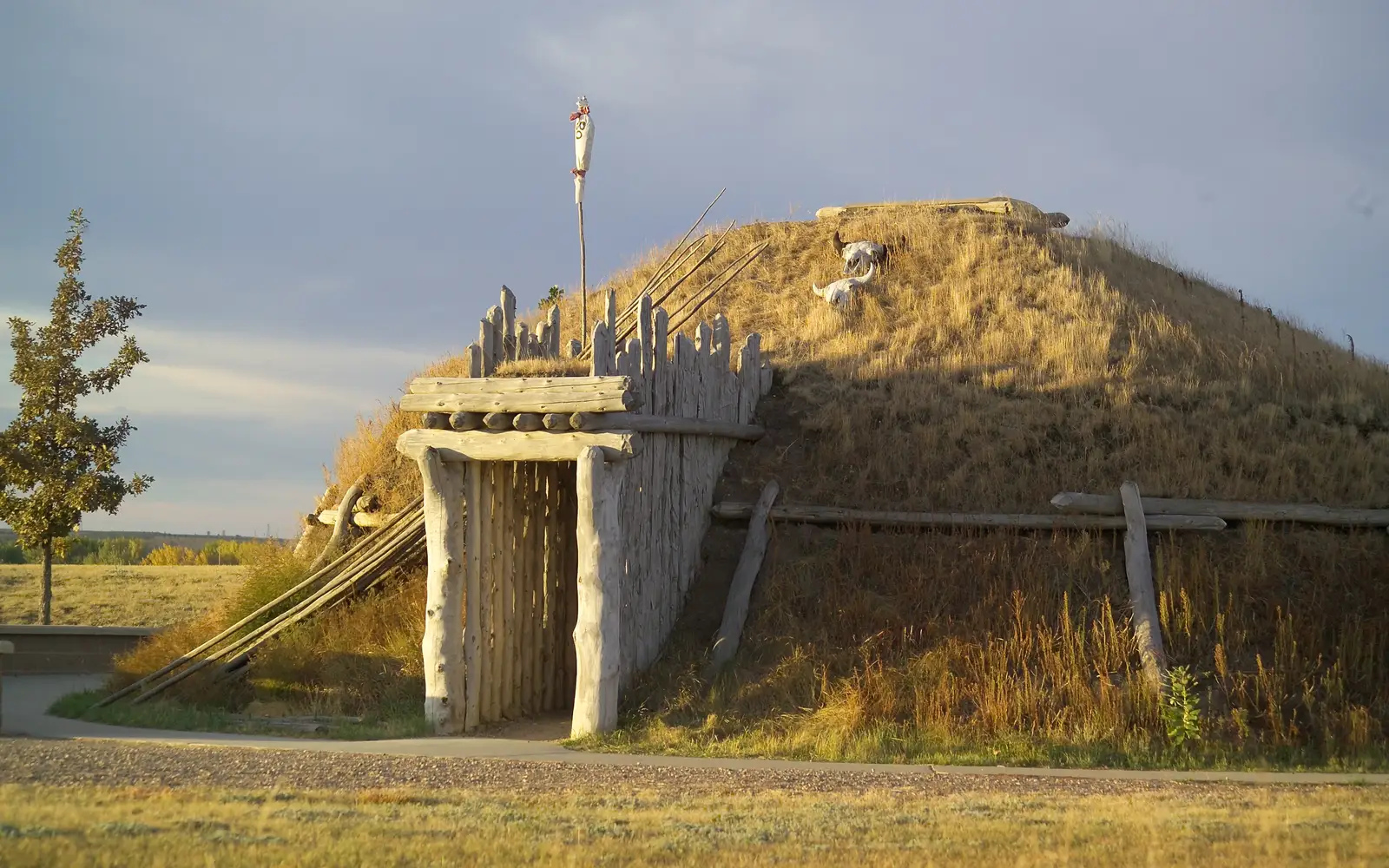
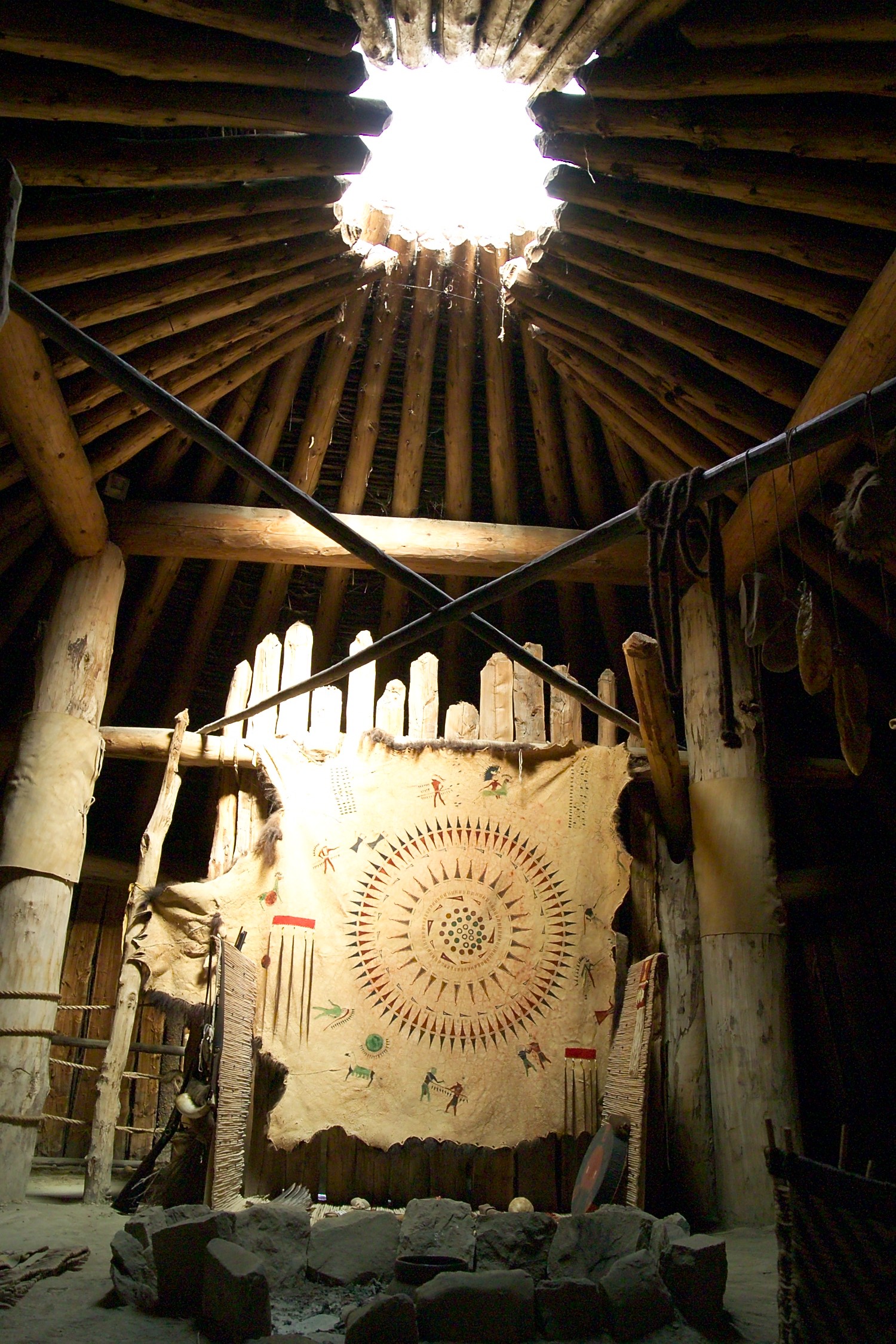
This site preserves the earthlodge village remains of the Hidatsa people, telling a story central to the upper Missouri River world. Visible earthlodge depressions still mark the landscape. The Knife and Missouri Rivers provide a natural setting. A well-stocked visitor center offers museum exhibits and a park film for context. This is not a passive roadside stop. With guided tours, hands-on programming, and cultural demonstrations, the park offers substantial engagement. A trail system leads visitors through actual village sites. Plan for a half-day or more. The absence of an entrance fee removes any barrier to access. History enthusiasts, families with curious children, and those following the Lewis and Clark trail will find significant value in this modestly sized site.
Why visit
This unit serves as a vital historical and cultural interpretive site. The visitor center provides essential context through museum exhibits and a park film, detailing the Hidatsa people and the Knife River's significance as a pre-contact trade center. Self-guided walking trails lead to distinct village sites where earthlodge depressions remain clearly visible. Scheduled ranger-led tours and cultural demonstrations animate these archaeological features, bringing history to life. For broader outdoor engagement, the Knife River offers fishing, and birdwatching is a prominent activity along the riparian corridor. Picnicking facilities are available. The Junior Ranger program and hands-on activities effectively engage younger visitors. A park store and bookstore offer regional titles. This is a destination for historical immersion.
Who it suits
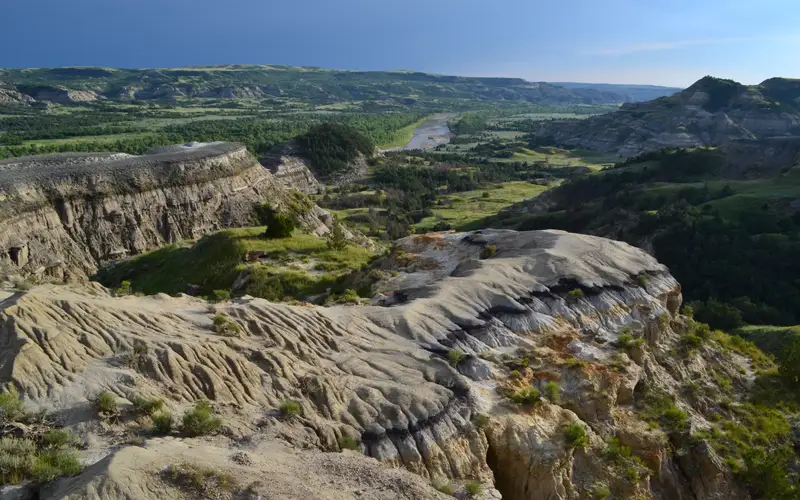
This site delivers significant value for history and archaeology enthusiasts. It serves as a substantive, free stop for Lewis and Clark corridor travelers and families in western North Dakota. Birders and anglers will find secondary appeal along the river. Visitors seeking dramatic scenery, strenuous backcountry hiking, or a full multi-day wilderness experience should consider this a complement to Theodore Roosevelt National Park, not a primary destination.
Timing your visit
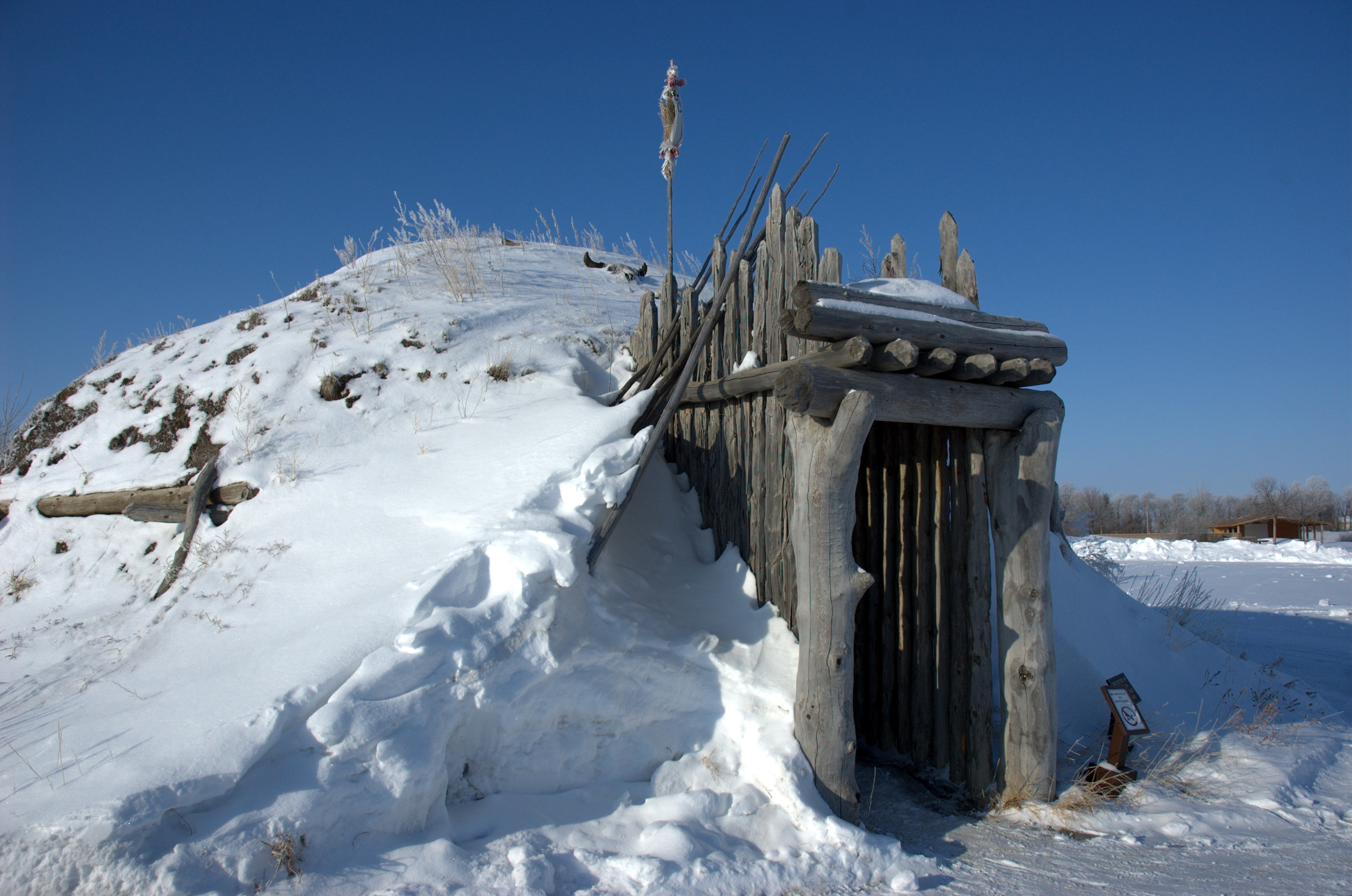
For optimal conditions and programming, target late spring to early fall. This period offers extensive daylight and a full schedule of visitor center activities, including cultural demonstrations and guided tours. Summer afternoons frequently see rapid thunderstorm development. Fall provides cooler weather, ideal for birdwatching along the river. Winter temperatures plunge to minus 35 degrees. The park remains accessible year-round for those prepared for extreme cold.
What stands out
- Visible earthlodge depressions marking the actual footprints of Hidatsa villages along the Knife River
- Ranger-led guided tours that bring the archaeology and trade history to life
- Craft and cultural demonstrations connecting visitors to Hidatsa material culture
- Freshwater fishing and birdwatching along the Knife River riparian corridor
- Hands-on activities and Junior Ranger program designed for younger visitors
- Free admission with a well-developed museum and park film in the visitor center
Good to know
This destination offers unfettered access, operating sunrise to sunset daily with no entrance fee. The visitor center, offering films, exhibits, and ranger programs, maintains set hours and is subject to intermittent closures; confirm its schedule via the NPS website before arrival. Be advised that cellular service in rural Mercer County is often limited. Travelers should download all necessary maps and schedules beforehand. Summer visits necessitate bringing water and adequate sun protection.
Insider tipCultural demonstrations distinguish Knife River from a mere trail system. These programs are not daily occurrences. Consult the park calendar in advance. Timing a visit to coincide with a scheduled demonstration enriches the earthlodge landscape significantly.