Is Upper Mississippi River National Wildlife and Fish Refuge worth your trip?
The Upper Mississippi River National Wildlife and Fish Refuge presents an immense, multi-state natural area.
Spanning 261 miles along the Mississippi River across Minnesota, Wisconsin, Iowa, and Illinois, it encompasses over 240,000 acres. This is not a conventional park unit with centralized amenities. Rather, it functions as a vast river corridor, its primary management focus on wildlife and migratory birds. Recreational access is significant, though largely self-directed. Visitors should arrive prepared for independent exploration. The refuge demands a boat, binoculars, fishing gear, or skis; engagement is about finding one's own space within the floodplain. Casual sightseers or those seeking a guided experience will find it diffuse. For individuals prioritizing genuine wildness and exceptional wildlife observation along a major North American river, this refuge offers a profoundly rewarding experience.
Why go
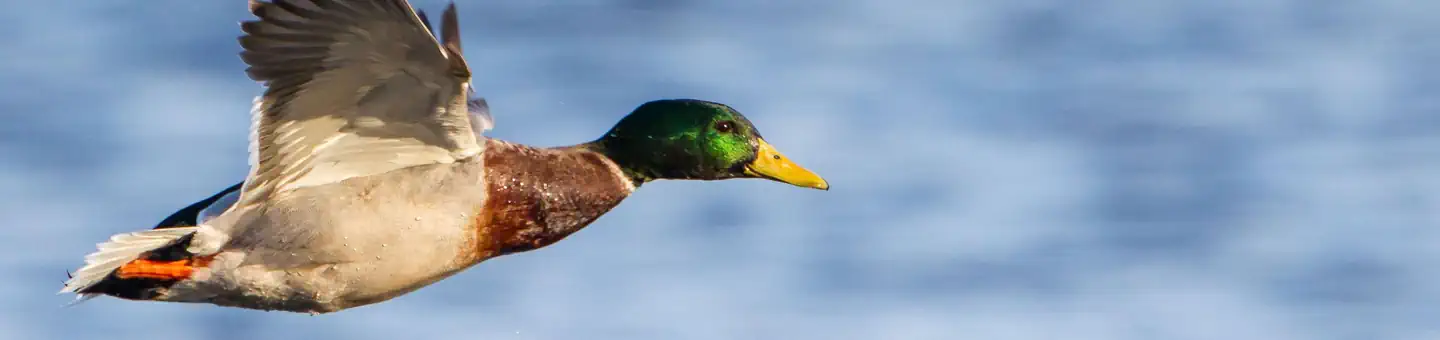
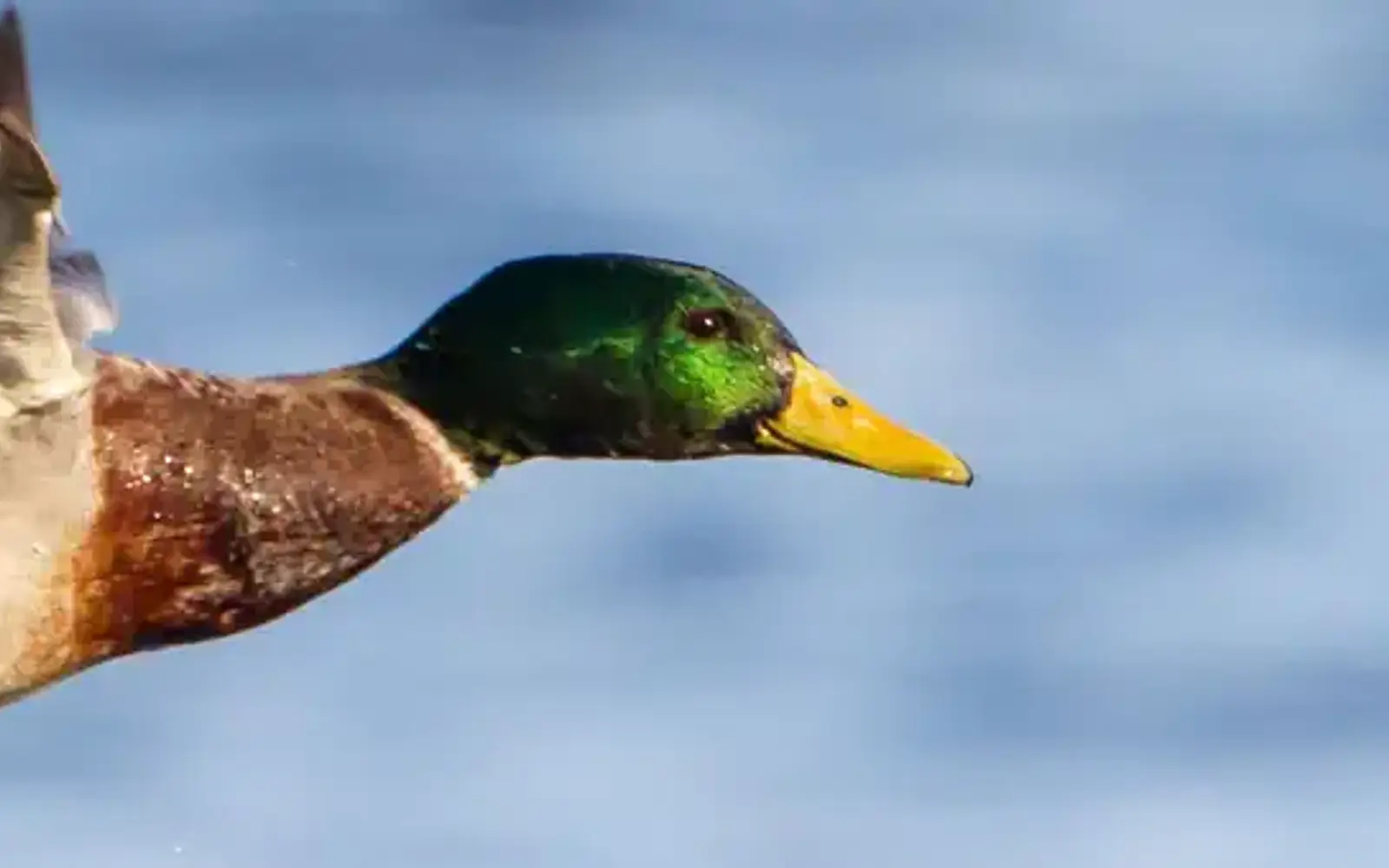
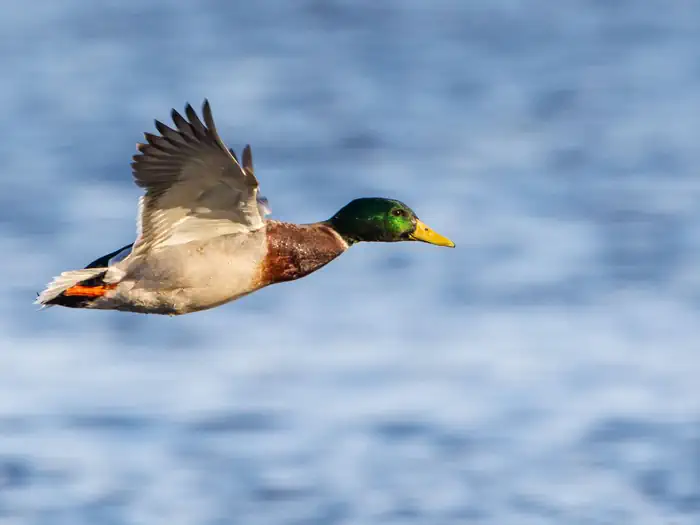
This park's core identity is its riverine environment. Its 290 bird species and exceptional fall waterfowl migration, drawing 40 percent of the nation's fall waterfowl through this corridor, confirm its ecological significance. Anglers and motorboaters will find a productive system of backwater channels and islands. Paddlers can access quieter sloughs, away from motorized traffic. Winter transforms the landscape for snowmobiling, cross-country skiing, and snowshoeing. Hunters can utilize the area during legal seasons. For hikers and bikers, bluff edges rise 100 to 600 feet above the floodplain, offering expansive views. This is a destination for active, season-aware visitors. Casual sightseers should look elsewhere.
Best for
This unit offers exceptional access for anglers, waterfowl hunters, serious birders, and paddlers. Those seeking multi-season outdoor recreation on a major river system will find it without an entrance fee. Winter recreationists seeking snowmobile or ski terrain near the river should also take note. Visitors anticipating a conventional national park experience with developed trails, interpretive rangers, and clear wayfinding will not find it here.
Best season
This refuge presents a clear seasonal rhythm. Autumn is the premier season. Waterfowl migration, particularly the September to November tundra swan concentrations, attracts birders. Spring likewise offers migratory bird viewing opportunities. Summer permits peak fishing and paddling, though visitors should prepare for significant heat and biting insects in river bottom areas. Winter completely transforms the refuge, enabling snowmobiling, skiing, and snowshoeing for a quieter, distinct experience.
The high points
- Fall waterfowl migration with tundra swans and major duck concentrations along the flyway
- 261-mile river corridor with motorized and non-motorized boating access across four states
- Fishing in a productive floodplain system of backwater channels and river sloughs
- Bluff-top hiking and biking with 100 to 600-foot elevation above the river valley
- Winter recreation including snowmobiling, cross-country skiing, and snowshoeing
- Legal hunting access during appropriate seasons across a 240,000-plus acre refuge
Know before you go
Entrance is free. The refuge spans four states and 261 miles. There is no single entry point; access varies by district. Visitors must identify their target pool or unit before arrival. A visitor center provides maps and current conditions. State fishing and hunting licenses are required for these activities.
One more thingFor tundra swan migration, consult the refuge visitor center. In November, peak concentrations shift, requiring current information on pool activity.