parkverdict
Twin Lakes Recreation AreaTwin Lakes Recreation AreaTwin Lakes Recreation AreaTwin Lakes Recreation Area
Lake & ReservoirWA

Twin Lakes Recreation Area

NPS / Bureau of Land Management
93/ 100DOES IT ALL
parkverdict Experience ScoreIndependent, not sponsored

93 of 100. Our independent breadth-and-access index. How we score

Our take

Is Twin Lakes Recreation Area worth your trip?

Twin Lakes Recreation Area sits in Washington's shrub-steppe country and costs nothing to visit.

It's built around two lakes that support a genuinely varied mix of activities. Paddle or fish in the morning, hike into upper Lake Creek Canyon or through the surrounding uplands in the afternoon, and camp overnight without paying a dime. The developed wetlands north of the lakes pull in real wildlife, which pushes the place well past what you'd expect from a basic reservoir stop. It scores a 93 for experience, which is surprisingly high given how low-key the whole setup is. Amenities are minimal, as you'd expect from a primitive area, but if you want water access, trails, wildlife, and free camping together in one spot, Twin Lakes checks every box without a fee gate anywhere on site.

Why go

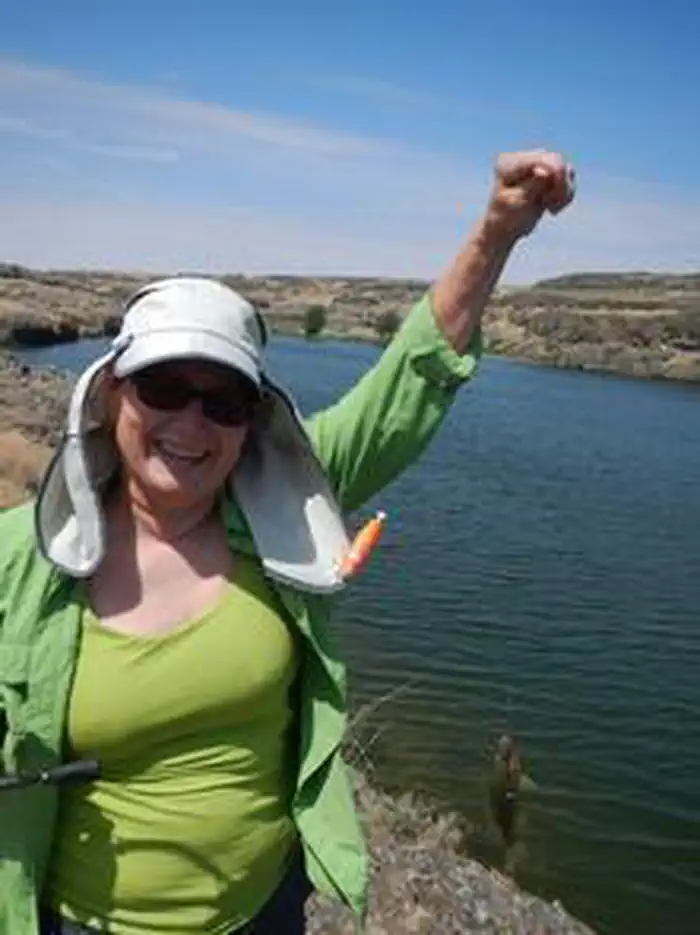
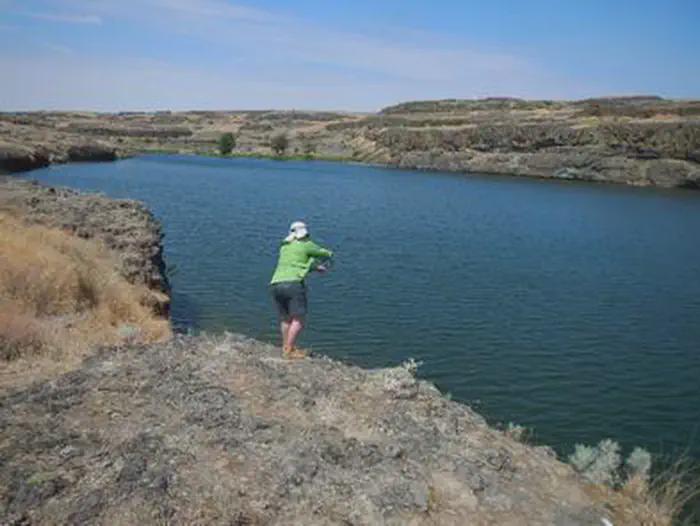
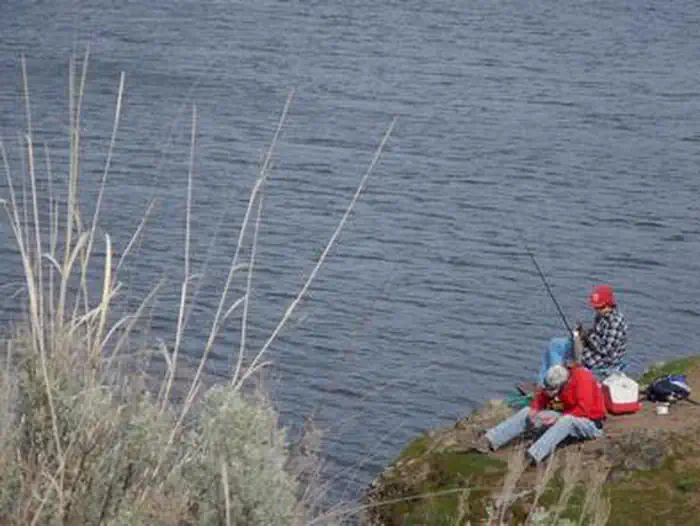
A good day here begins on the water. Both lakes have primitive boat launches, and the fishing is more varied than you might expect: stocked rainbow trout sharing space with largemouth bass, yellow perch, black crappie, yellow bullhead, and sunfish. Anglers with different styles and skill levels will find something worth casting toward. Paddlers get calm, manageable water that suits kayaks and canoes well. Away from the shore, trails push through shrub-steppe uplands and into upper Lake Creek Canyon, giving hikers a real feel for the regional landscape beyond the lakeshore. The developed wetlands north of the lakes pull in birders and photographers on a regular basis, with several bird populations depending on them across the seasons. In spring, balsam root blooms yellow across the hillsides, which is reason enough to bring a camera. Stay overnight to catch early morning light on the water and watch quieter wildlife moving through before the day heats up.

Best for

Anglers, paddlers, birders, and campers who want free, multi-activity access without crowds will feel at home here. Families comfortable with primitive camping and self-sufficient day-trippers are well suited. Visitors expecting developed resort-style infrastructure, paved trails, or interpretive programming should recalibrate expectations or look elsewhere.

Best season

Spring is the best time to visit. Balsam root blooms spread across the hillsides, migratory birds crowd the wetlands, and temperatures in eastern Washington stay mild before the summer heat arrives. Summer brings swimming and paddling, though the shrub-steppe environment can get genuinely hot. The area stays open year-round, and fall offers quieter fishing along with good waterfowl viewing as migration picks up again.

The high points

  • Fishing for six documented species including stocked rainbow trout, largemouth bass, and black crappie
  • Paddling calm lake water from primitive boat launches on both lakes
  • Hiking through shrub-steppe uplands and into upper Lake Creek Canyon
  • Developed wetlands north of the lakes supporting multiple bird populations
  • Spring balsam root blooms creating strong wildflower photography conditions
  • Free primitive camping in a serene lakeside setting

Know before you go

Entry is free. Camping is primitive, meaning you haul in your own water, pack out everything, and gear up for the real thing. Both lakes have basic boat launches, and the upper lake has a bit of extra access infrastructure on top of that. The area is open year-round, though services and conditions change depending on the season. Before you go, look up Washington state fishing license requirements, because a valid license is required regardless of the free park entry.

One more thingThe developed wetlands north of the lakes are easy to walk past in favor of the lakeshore, but bring binoculars or a long lens and give that area a proper look, especially on a spring morning when waterfowl numbers peak and the light is low and warm.

How we scored it

Why Twin Lakes Recreation Area scores 93

We keep the math boring on purpose. The same handful of public-data inputs, capped so none of them dominates, decide every score. What they measure is breadth and access, not beauty and not crowd levels. For Twin Lakes Recreation Area, they shook out like this:

  • Activity breadth13 documented activities
  • Topic breadth0 topics
  • Official imagery6 public-domain images
  • Camping on sitedocumented
  • Entry costfree

No number is hand-adjusted and no unit pays for placement. The full weights, the floor at 18 and a worked example are on how we score.

The honest limits

The honest blind spots

Read the score for what it is. It counts what a place documents and how reachable it is, and stops there. It will not tell you if a sunset floors you, if the crowds thin out by dusk, whether a washout closed your trail, or how a ranger tells the story. Plenty of quiet, focused spots score modestly and still win the weekend. Let the number rank what is on offer; let the verdict speak to the feel.

What you can do

Activities

BikingBoatingHistoric & Cultural SiteCampingFishingHikingPicnickingWildlife ViewingDay Use AreaInformation SitePhotographyPaddlingSwimming
Background

The short version

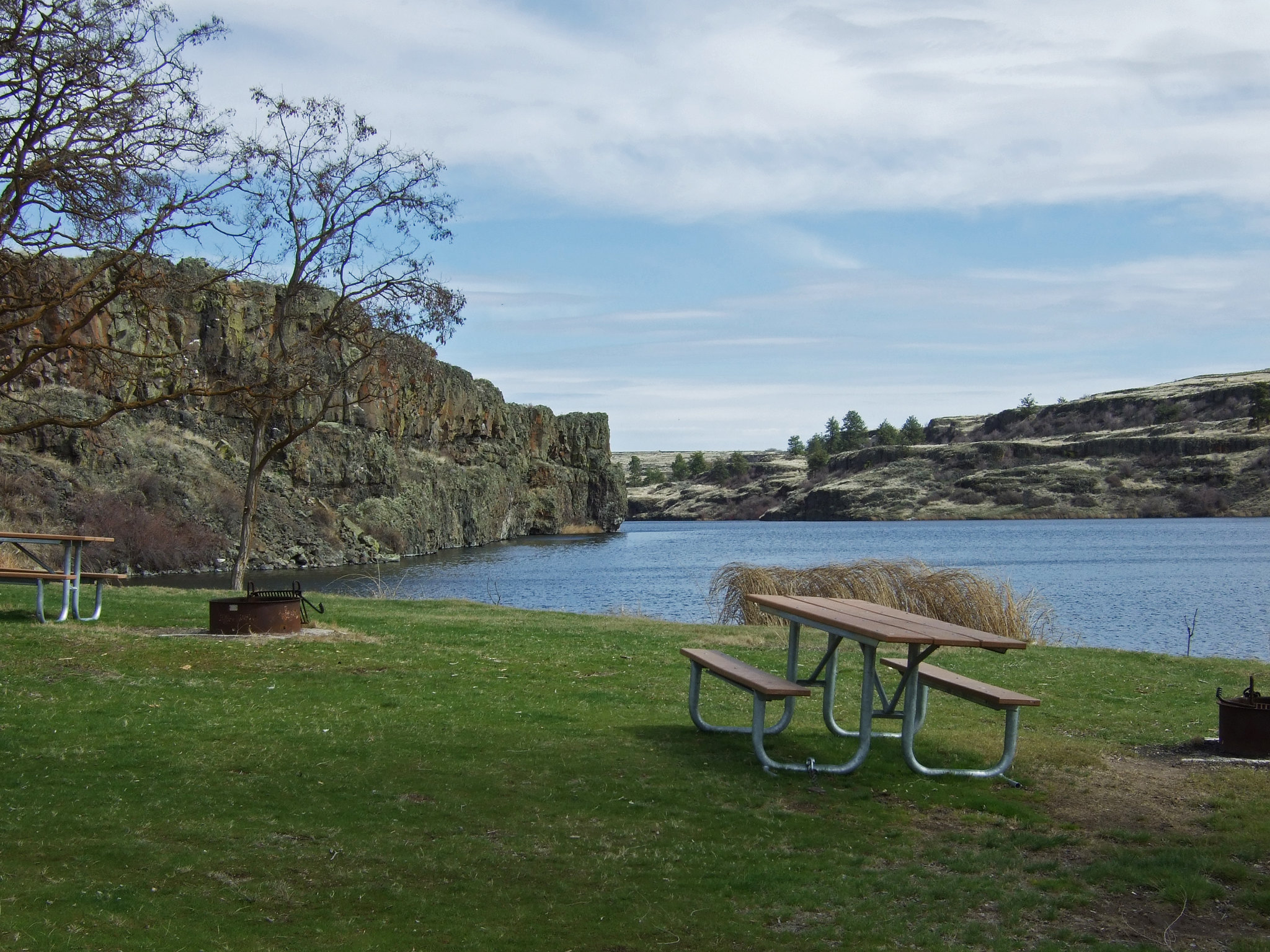
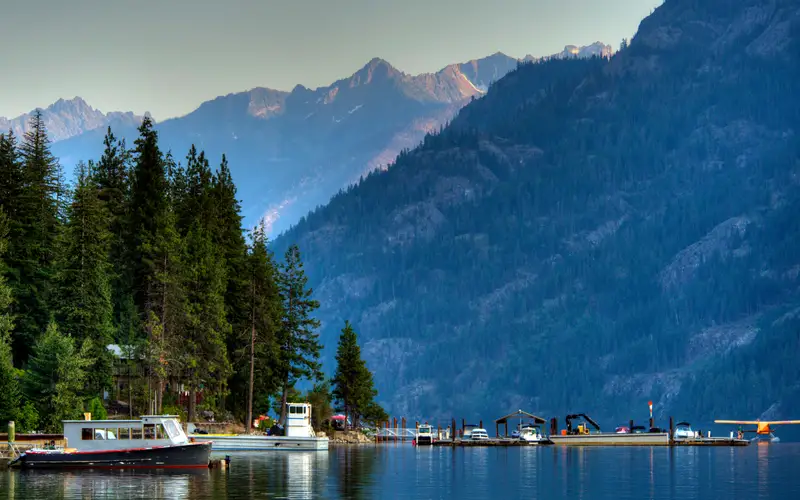
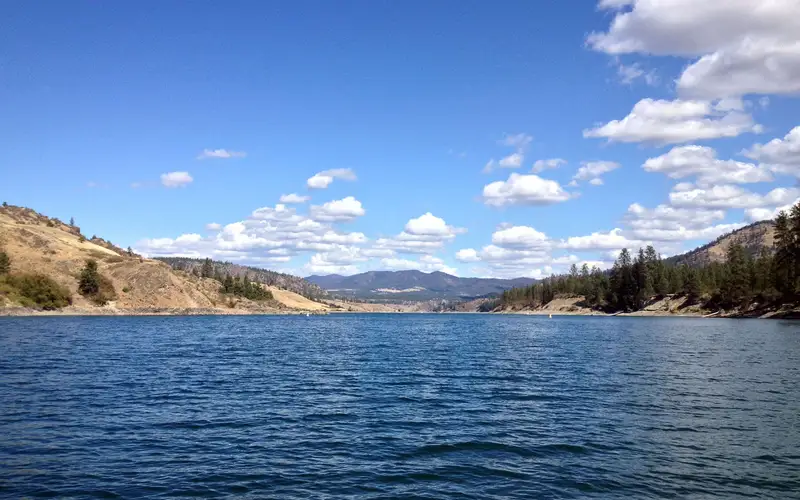
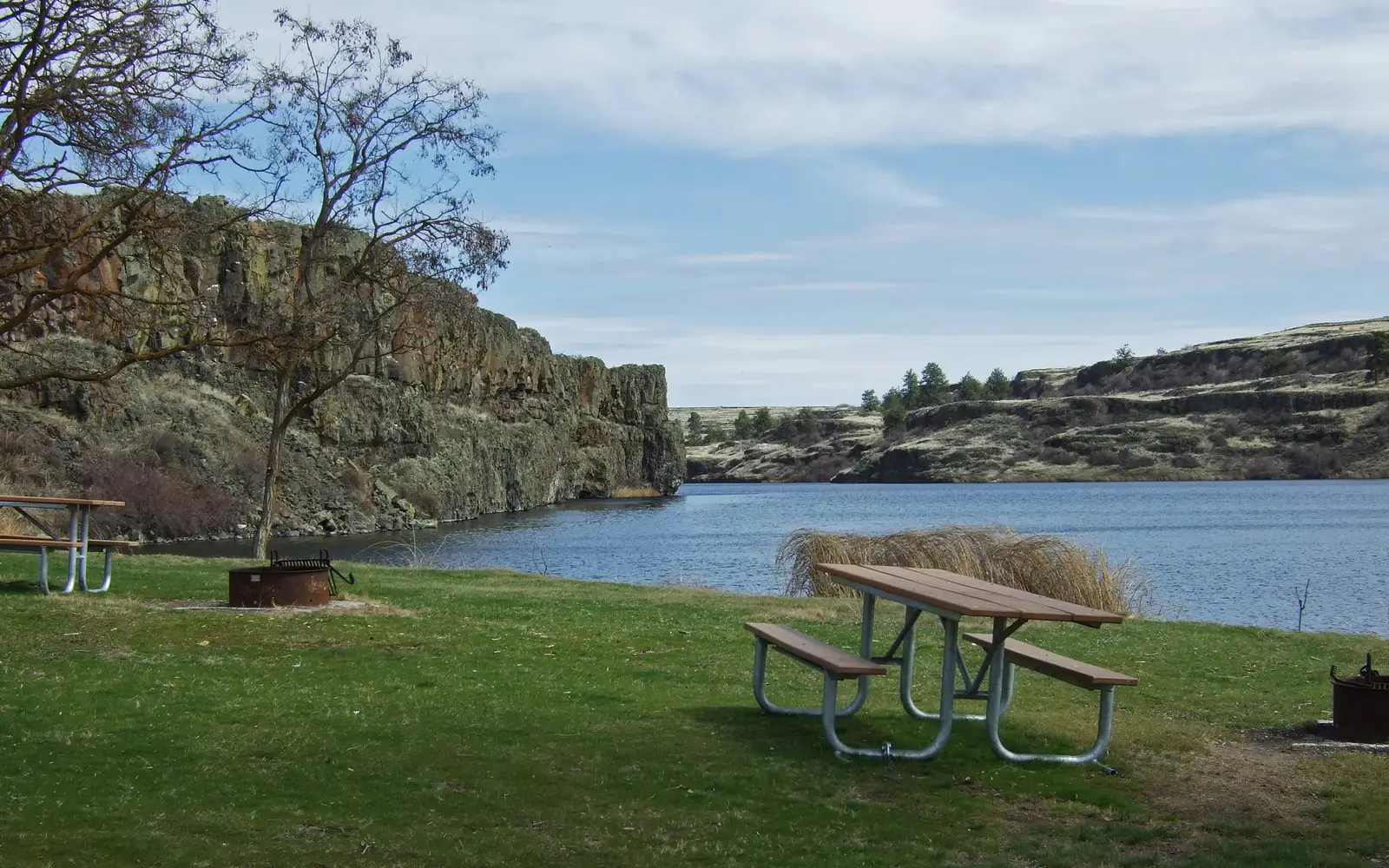
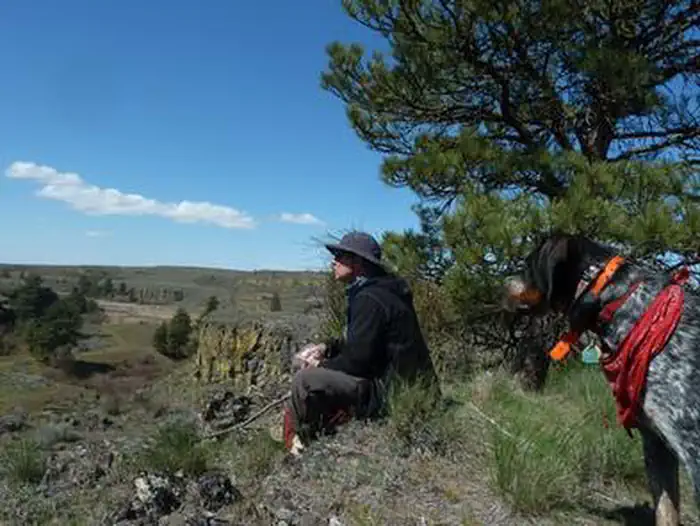
Sitting at the south end of Upper Twin Lake, this spot has a handful of primitive campsites and a picnic area. Come spring, bright yellow balsam root spreads across the hillsides. People come here to fish, paddle, hike, backpack, hunt, ride horses, watch waterfowl, and photograph wildflowers. The lakes are stocked with rainbow trout and also hold largemouth bass, yellow perch, yellow bullhead, black crappie, and sunfish. Trails run through shrub-steppe uplands and into upper Lake Creek Canyon. If you're hiking overland, the developed wetlands north of the lakes pull in large bird populations and are worth the side trip. The Twin Lakes Area is open year-round. Both lakes have primitive boat launches, and the upper lake has a small dock. There are no services on site. Watch for rattlesnakes, especially from May through October. For fishing and hunting regulations, contact the Washington State Department of Fish and Wildlife. The area sits within the Channeled Scablands and is part of more than 16,000 acres of BLM public land in Lincoln County, managed for recreation and wildlife habitat.

On documented breadth and access, Twin Lakes Recreation Area ranks 4th of 23 park and public-land units we score in Washington.

Common questions

Twin Lakes Recreation Area: quick answers

Is Twin Lakes Recreation Area worth visiting?

Twin Lakes Recreation Area sits in Washington's shrub-steppe country and costs nothing to visit.

Is Twin Lakes Recreation Area free to visit?

It is free to get in.

What is Twin Lakes Recreation Area best for?

It leans hardest toward hiking, camping, water activities, wildlife watching, going by the 13 activities it actually documents.

When is the best time to visit Twin Lakes Recreation Area?

Spring is the best time to visit.

How is the Experience Score for Twin Lakes Recreation Area calculated?

The 93 comes straight from public data on how much the place documents and how easy it is to reach, things like activities, topics, photos, camping and whether entry is free. It says nothing about scenery or how busy it gets.