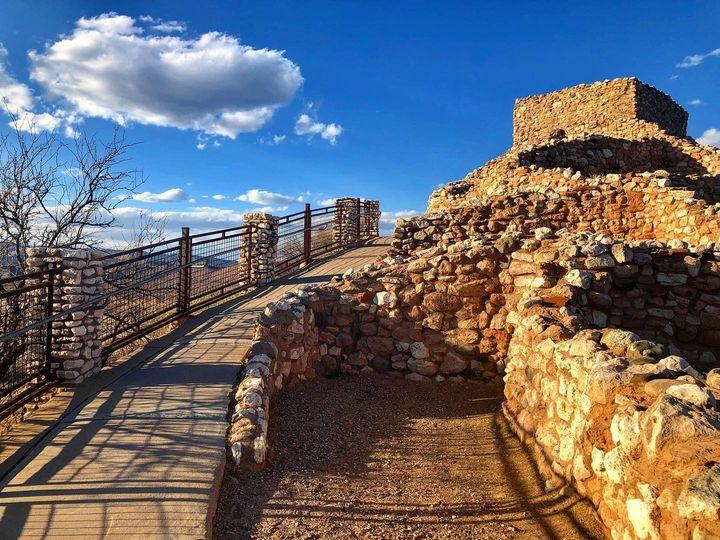
Tuzigoot National Monument: our verdict
Tuzigoot presents a genuinely striking archaeological site, compact and perched on a limestone ridge above the Verde Valley.
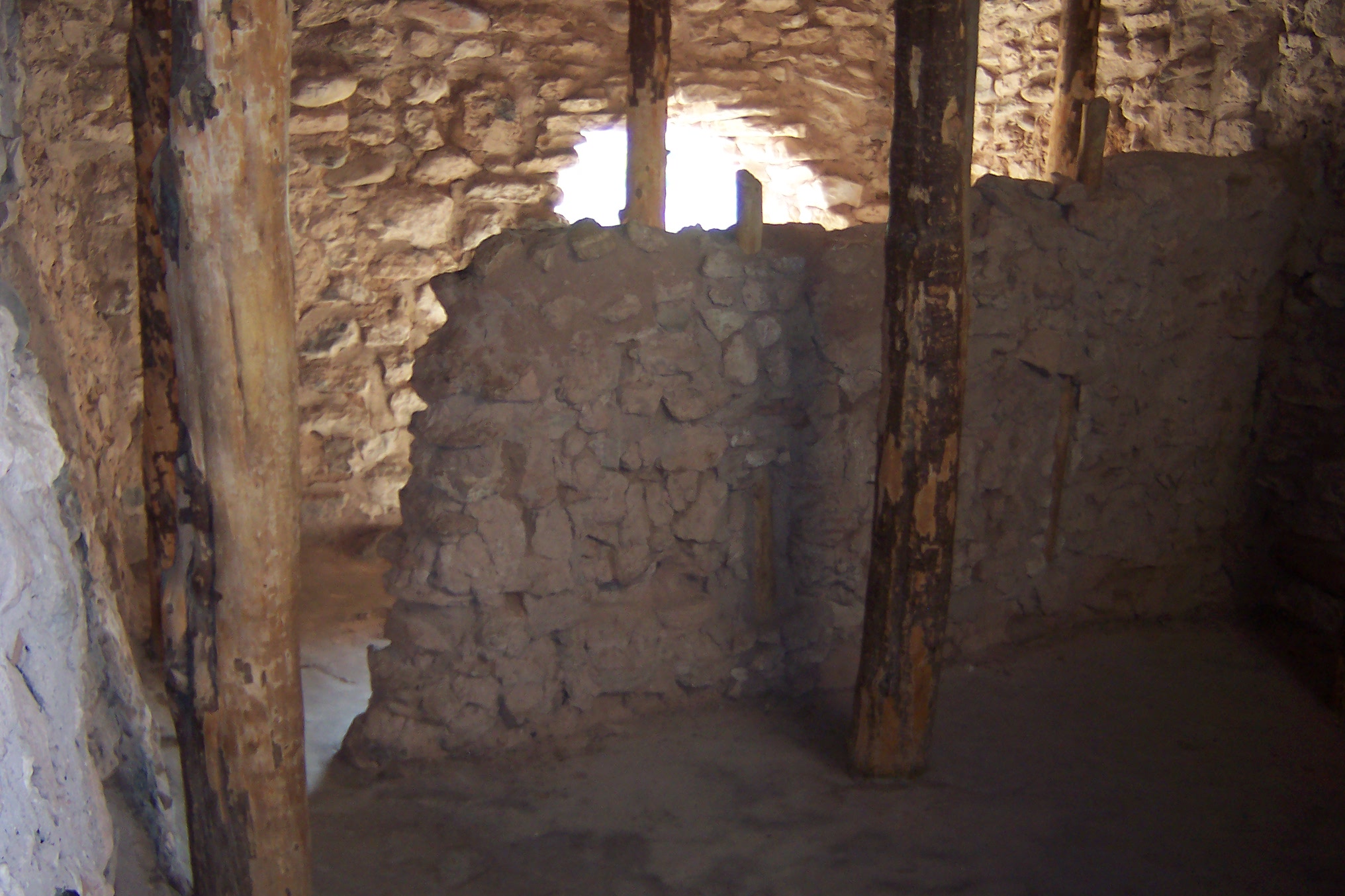
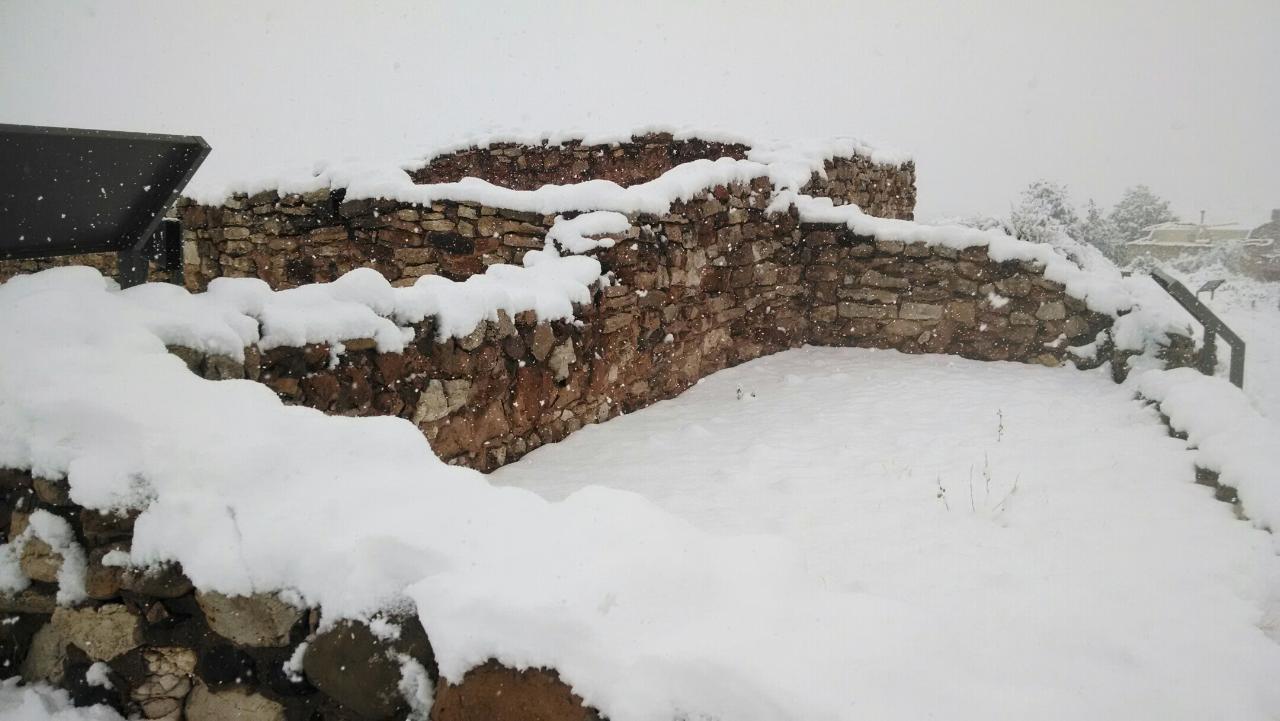
The central feature is a Sinagua pueblo, a multi-room hilltop village that expanded over centuries. Visitors experience the preserved stone walls as authentic, not reconstructed. A well-curated museum provides essential context and artifacts, making the ruins legible. Entry costs $10. A typical visit lasts one to two hours, indicating it is not a full-day destination. This site rewards those with a genuine curiosity for ancestral Southwest cultures. Birdwatchers will appreciate the adjacent Tavasci Marsh. Families will find a tangible, walkable history lesson here. For those already traveling through the Cottonwood or Sedona corridor, Tuzigoot comfortably earns its stop. As a standalone destination requiring significant travel, it should be bundled with other nearby attractions like Montezuma Castle.
Why visit
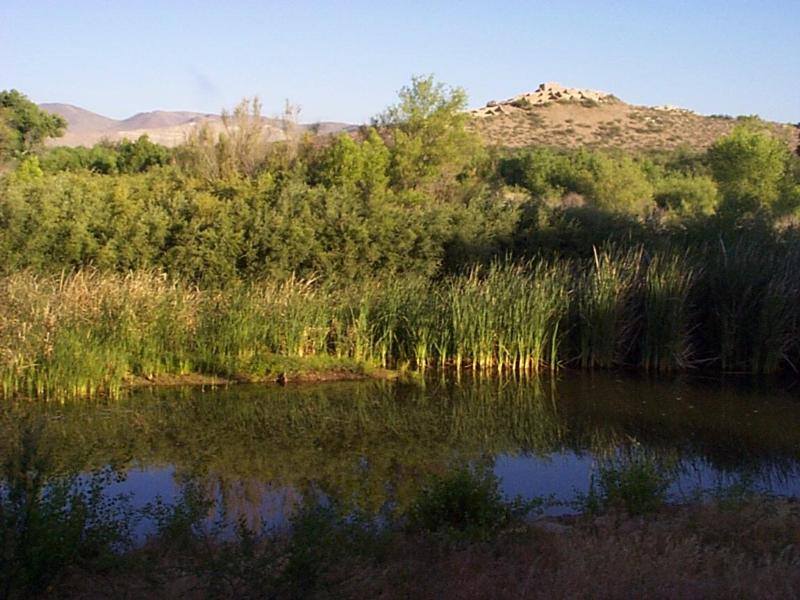
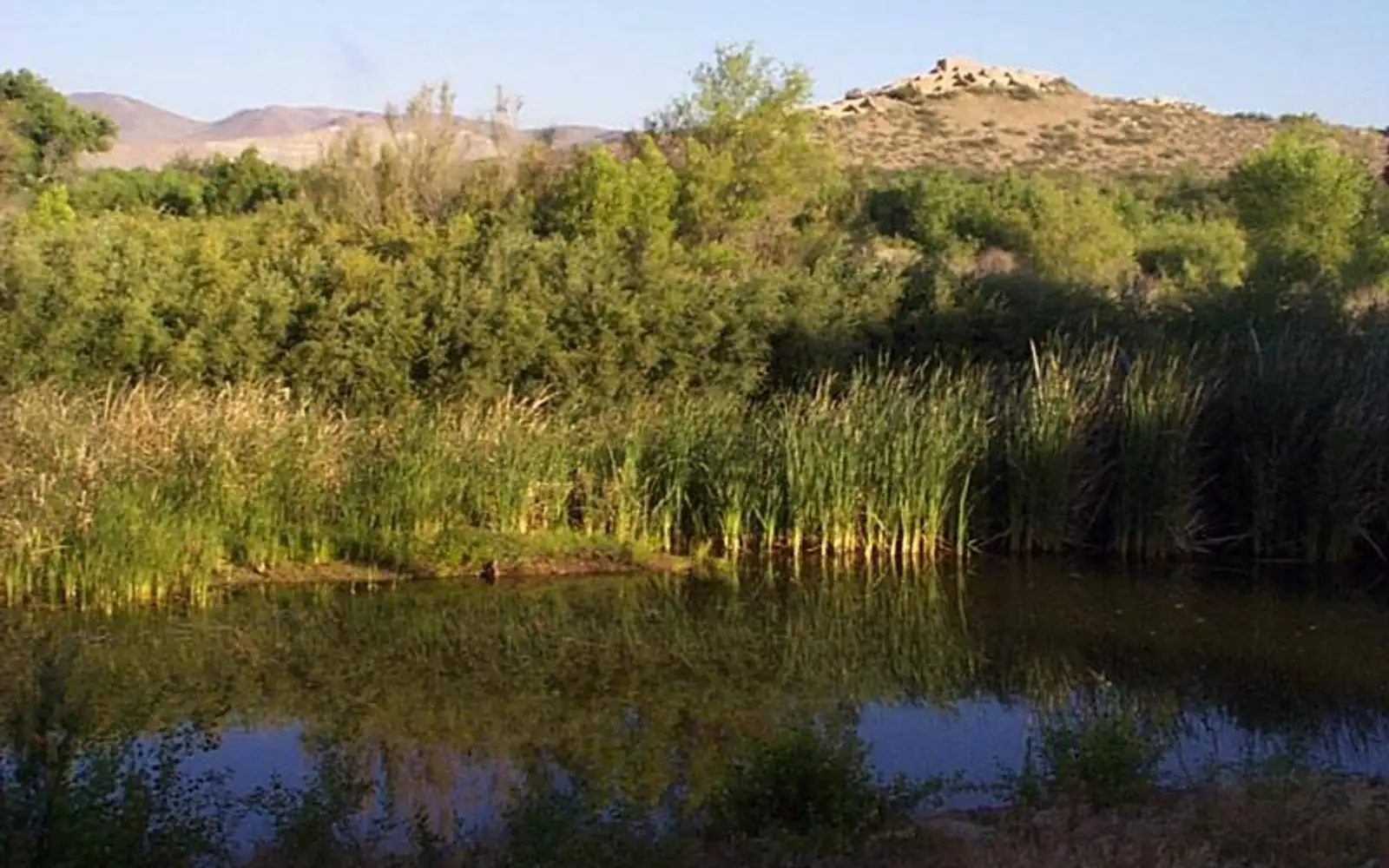
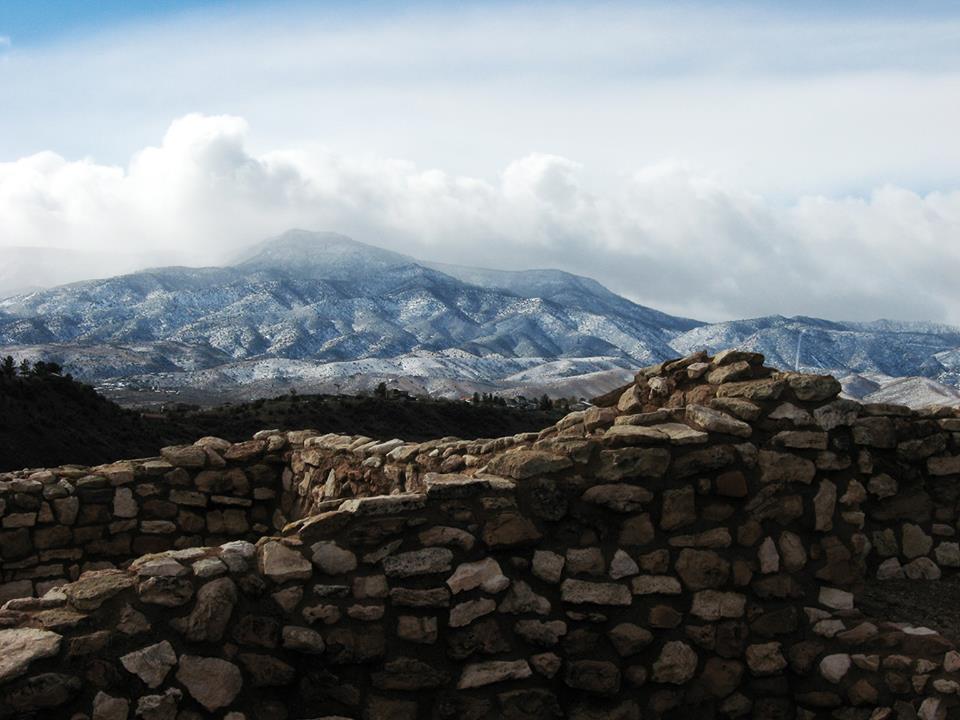
A visit here unfolds in three distinct layers. Begin at the museum, where exhibits introduce Sinagua culture and the Verde Valley's water ecology. Then ascend the Pueblo Trail. The stone rooms and rooftop views over the valley convey a genuine sense of scale and setting. Finally, detour to the Marsh Overlook. Scan Tavasci Marsh for herons, egrets, and other wetland birds. This is a surprisingly productive birdwatching stop in an otherwise arid landscape. Both ranger-led and self-guided options are effective. The Junior Ranger program encourages children to engage with the ruins.
Who it suits
This destination proves ideal for archaeology enthusiasts, Southwest history buffs, and birdwatchers positioned to fully utilize the marsh overlook. Families with curious children will appreciate its accessible scale. For hikers expecting strenuous activity or visitors seeking a full day of outdoor engagement, this site functions best when combined with other Verde Valley attractions. It is not a standalone destination for such pursuits.
Timing your visit
For comfortable conditions and active marsh bird viewing, March through May presents the optimal window. During these months, temperatures are agreeable and crowds remain manageable. Summer midday visits are to be avoided
What stands out
- Walking through the preserved multi-room Sinagua pueblo on the hilltop ridge
- Museum exhibits with original artifacts that contextualize the ruins before you see them
- Marsh Overlook Trail for birdwatching over Tavasci Marsh wetlands
- Ranger-guided tours that add interpretive depth to the pueblo layout
- Junior Ranger program structured specifically for younger visitors
- Sweeping Verde Valley views from the pueblo summit
Good to know
At $10 per person, this destination offers limited engagement. Its operational hours are constrained, with last entry at 4:45 pm daily; holiday closures include Thanksgiving, Christmas, and New Year's Day. The park features no shaded trails. Visitors must carry water, even on mild days. One to two hours is sufficient for a thorough exploration. This site prioritizes quick visits over extended stays.
Insider tipBirdwatching merits dedicated attention. Tavasci Marsh, a rare freshwater marsh in the Verde Valley, attracts distinct bird species not found at the pueblo ruins. For this reason, pack binoculars specifically for the Marsh Overlook. It is a separate, worthwhile reward within a short visit.