Should you visit Tumacácori National Historical Park?
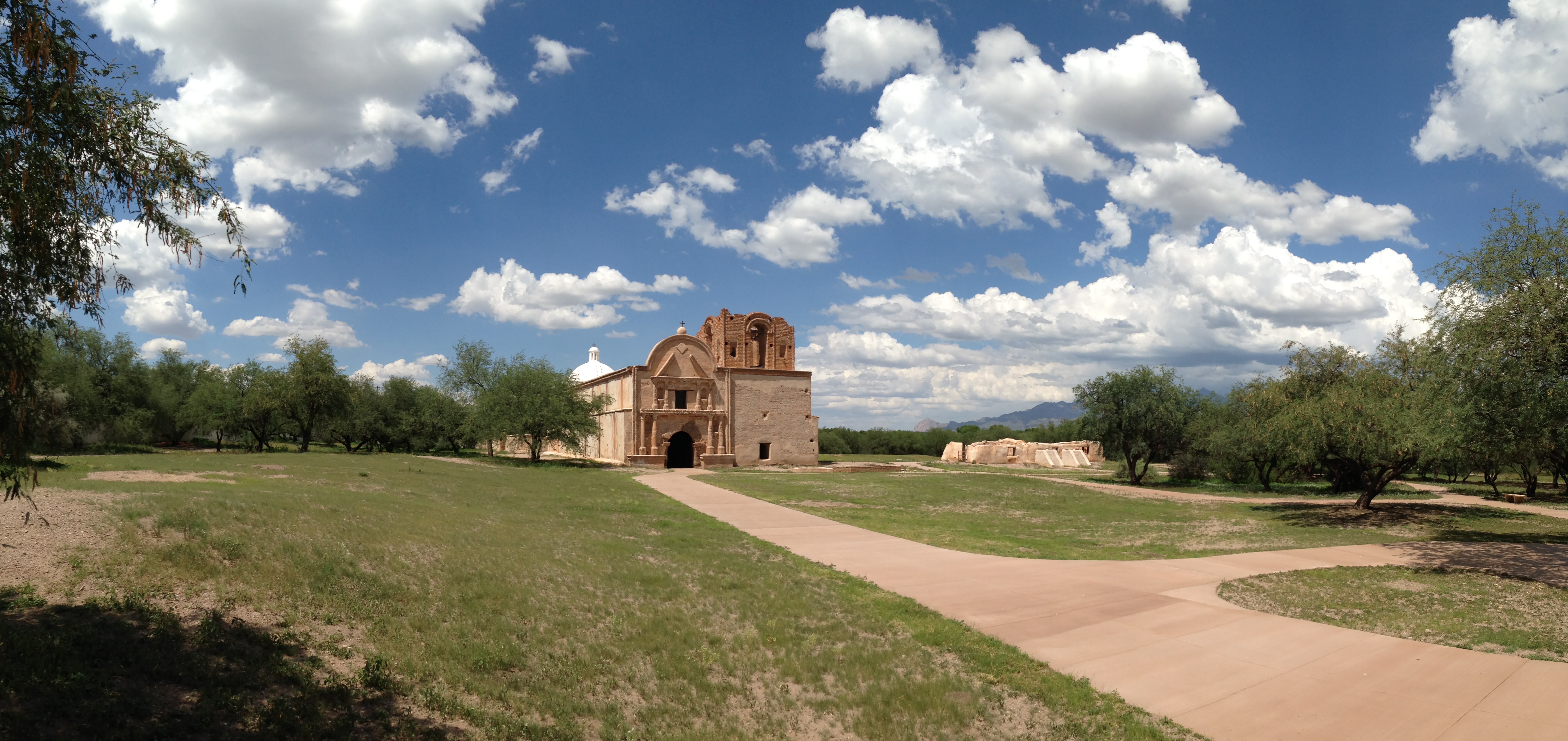
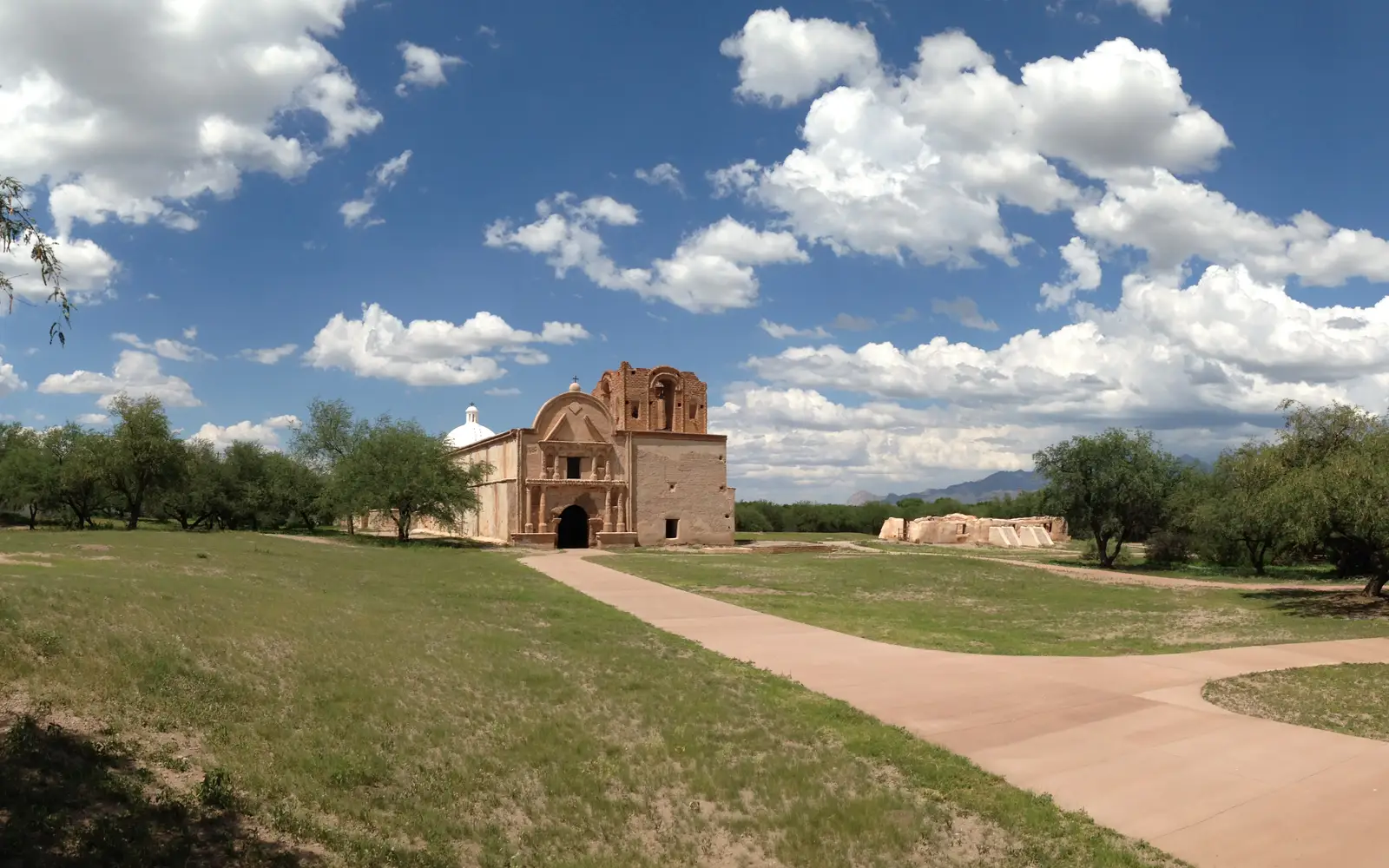
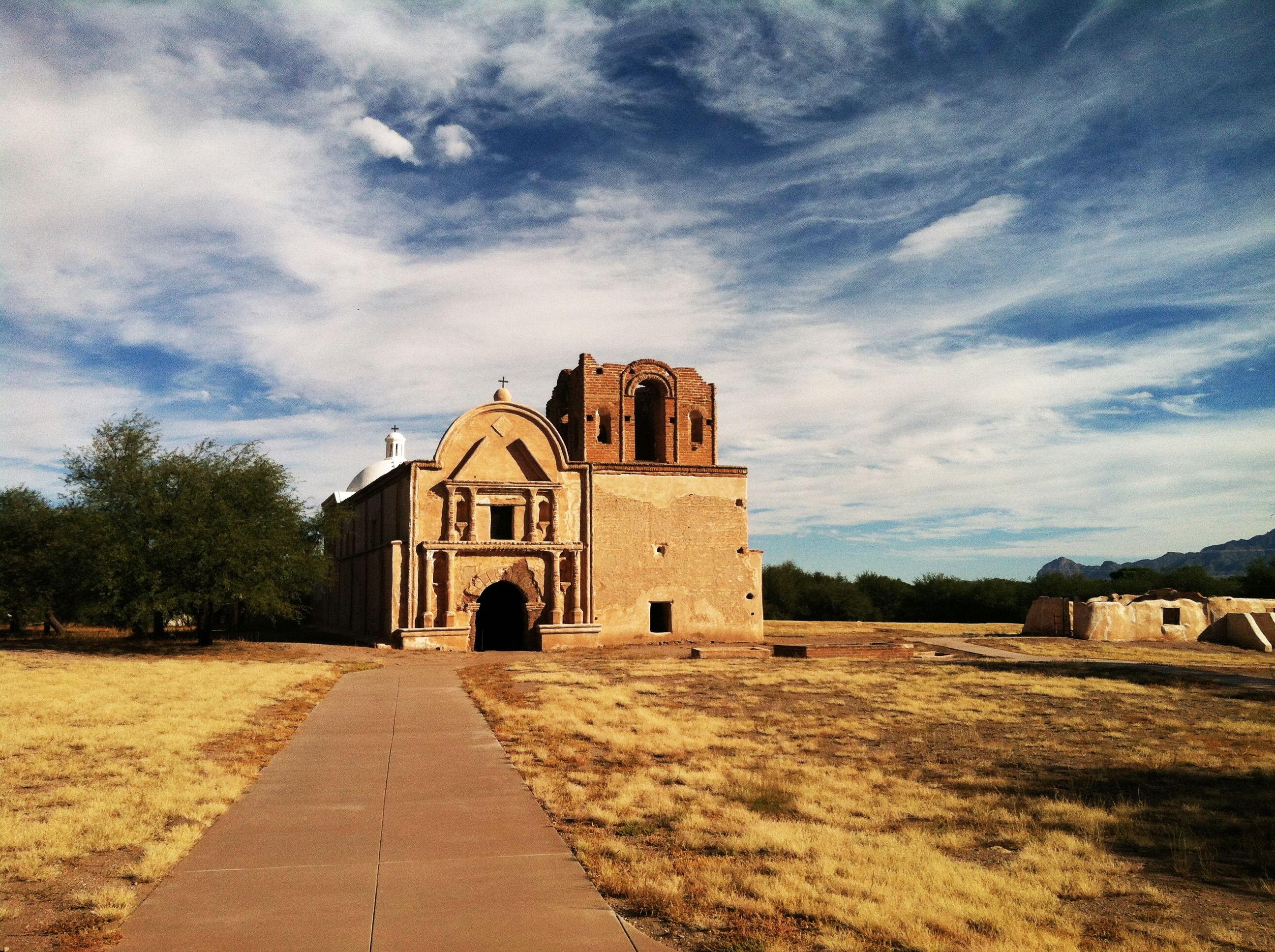
This compact park, anchored by the ruins of an 18th-century Spanish colonial mission in southern Arizona's Santa Cruz River valley, offers genuine depth.
Visitors encounter more than adobe walls; they stand at a documented cultural crossroads where O'odham, Yaqui, and Apache peoples intersected with Jesuit and Franciscan missionaries across centuries. The park transcends its physical size through programming density. Craft demonstrations, living history, guided tours, astronomy events, and birdwatching all find a place here. Entrance is free. At 3,300 feet elevation, it offers a comfortable reprieve from Tucson's desert heat. This is not a backcountry adventure. For those drawn to indigenous and colonial Southwest history, or traveling the I-19 corridor, this unit provides a substantive half-day to full-day stop.
What makes it worth it
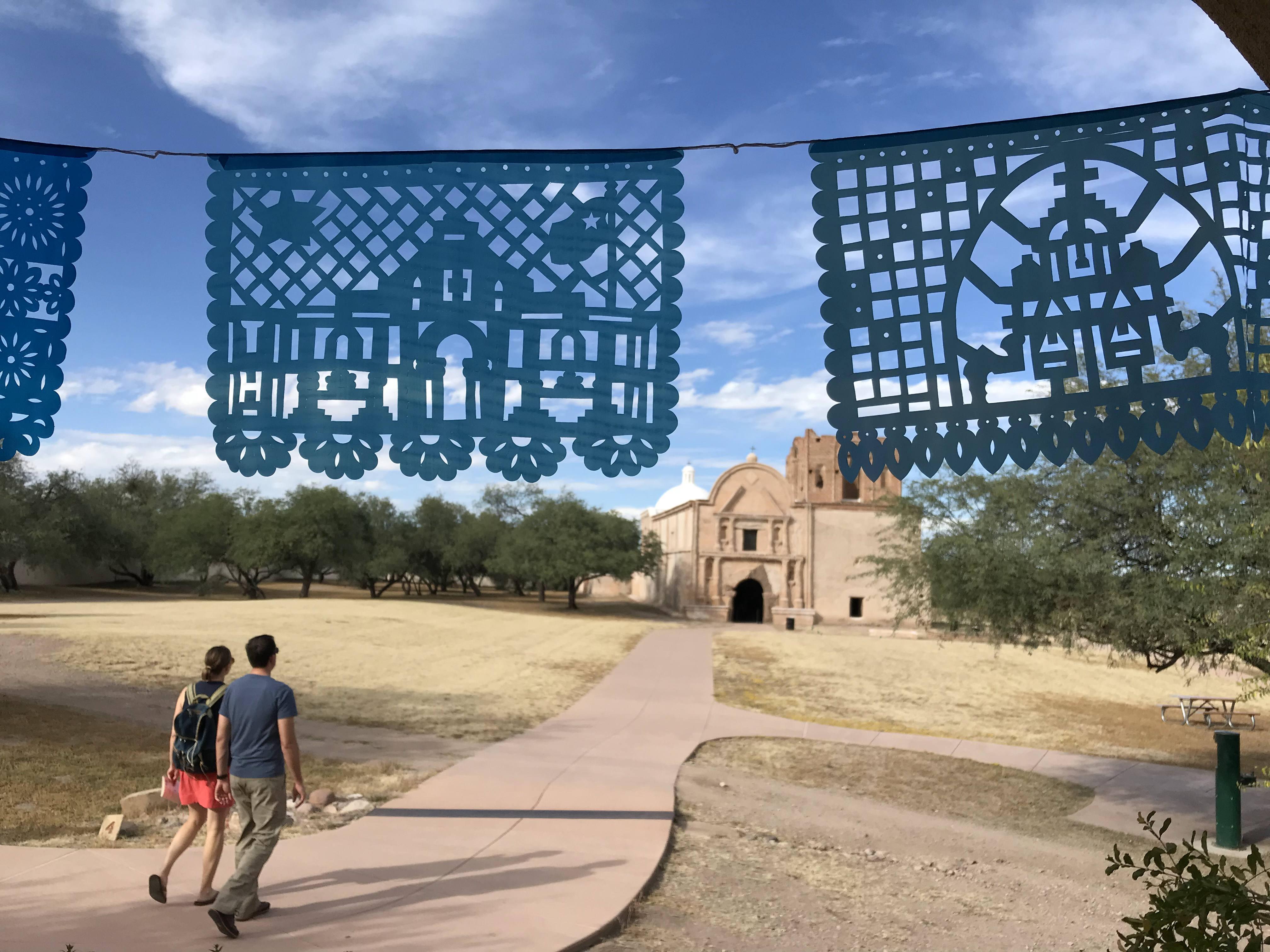
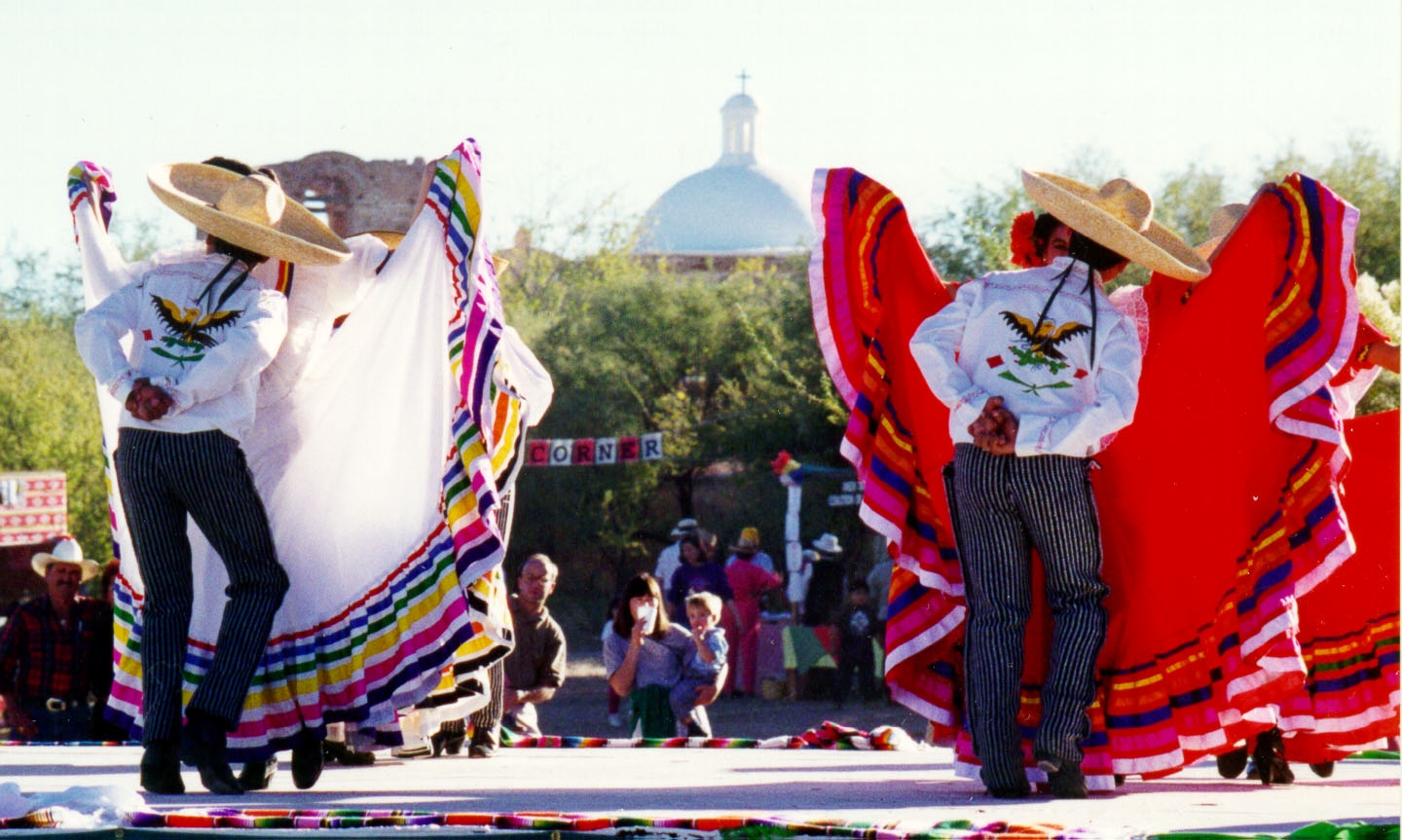
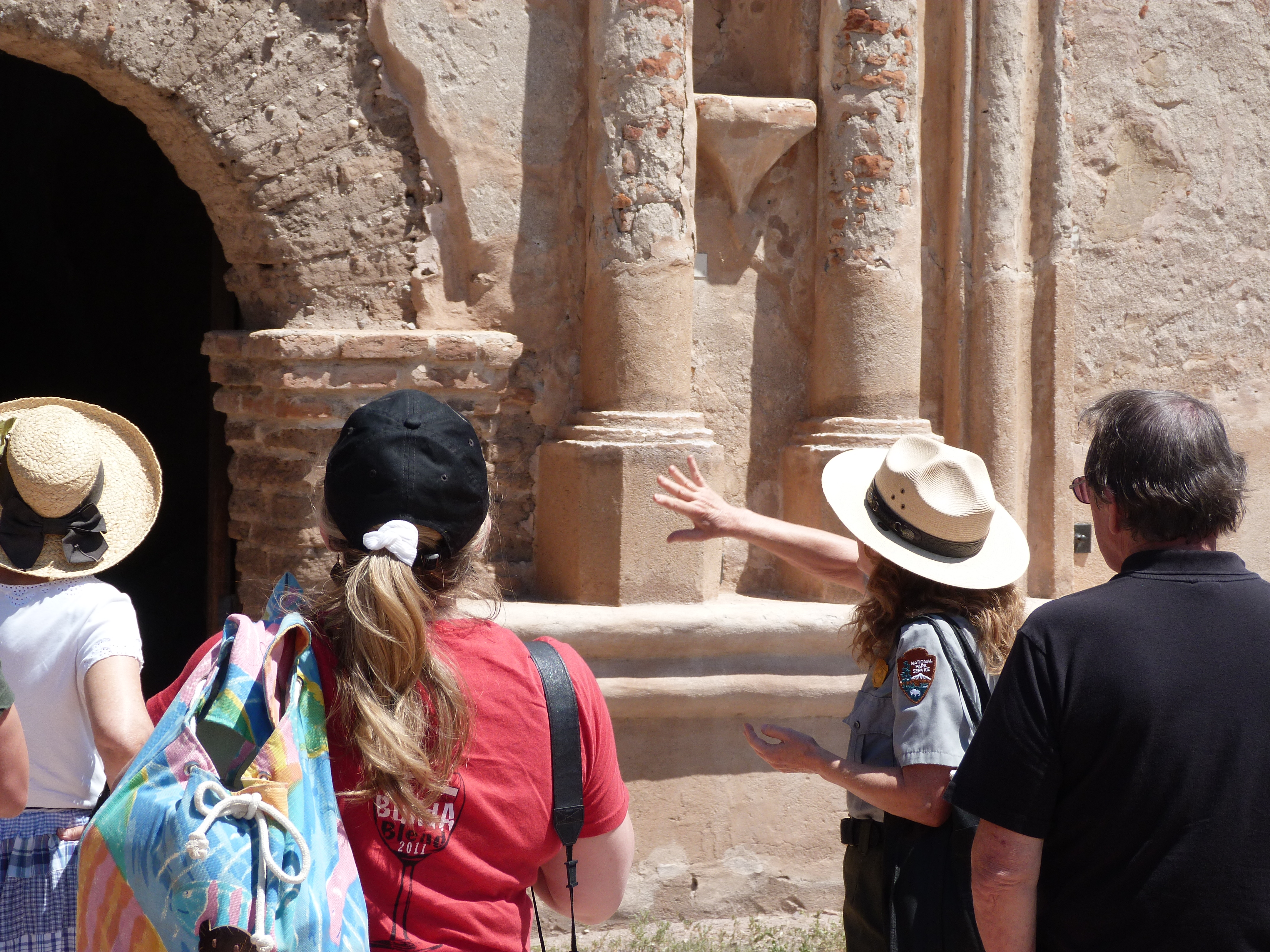
This unit delivers a rich historical experience. Beginning with the park film and a self-guided tour of the mission ruins establishes critical context. Ranger-led programs then deepen the understanding, providing human stories beyond static interpretive signs. The inclusion of O'odham and Yaqui craft and cultural demonstrations, encompassing weaving, pottery, and foodways, offers a vital, living dimension often absent from historical sites. For naturalists, the riparian corridor along the Santa Cruz River is a significant birdwatching destination, attracting species rare in other parts of Arizona. Astronomy evenings leverage the park's elevation and dark skies for a notable experience. The Junior Ranger program effectively engages families. This park offers substantive engagement for a diverse range of visitors.
Who should go
This destination particularly rewards those with an interest in Spanish colonial history, indigenous Southwest cultures, or mission architecture. Birders and families with young children will find it well suited. Casual road-trippers on I-19 between Tucson and Nogales should certainly plan a stop. Pure outdoor adventurers seeking significant trail mileage, however, will find better options at nearby Coronado National Memorial or Saguaro National Park.
When to go
This park presents a consistent draw across all seasons. Its 3,300-foot elevation ensures year-round pleasant conditions, remaining 5-10 degrees cooler than Tucson. Spring offers mild temperatures,
Highlights
- Free admission to a well-preserved Spanish colonial mission ruin with documented O'odham, Yaqui, and Apache cultural history
- Regular craft and cultural demonstrations tied to living indigenous traditions, not just static exhibits
- Birdwatching along the Santa Cruz River riparian corridor within the park boundary
- Astronomy programming that takes advantage of the elevated, darker skies of the mesquite highlands
- The Juan Bautista de Anza National Historic Trail runs through the park and is accessible 24/7
- Museum exhibits and a well-stocked bookstore that support serious engagement with the history
Plan ahead
Entry is free. The Anza Trail trailhead is always accessible from outside the main entrance, though the visitor center and mission grounds operate with set hours. Check current times before arrival. This site offers no significant food options; plan accordingly. The nearby town of Tubac, a few miles north, serves as a suitable half-day companion stop.
Editor's tipThe park's calendar, published on the NPS site, details living history and cultural demonstrations. Aligning your visit with one of these scheduled events transforms it. The mission ruins alone warrant an hour. These demonstrations extend that to a full afternoon, making the case for a truly memorable experience.