Is Tule Lake National Monument worth it?
Tule Lake National Monument offers a sobering, singular experience.
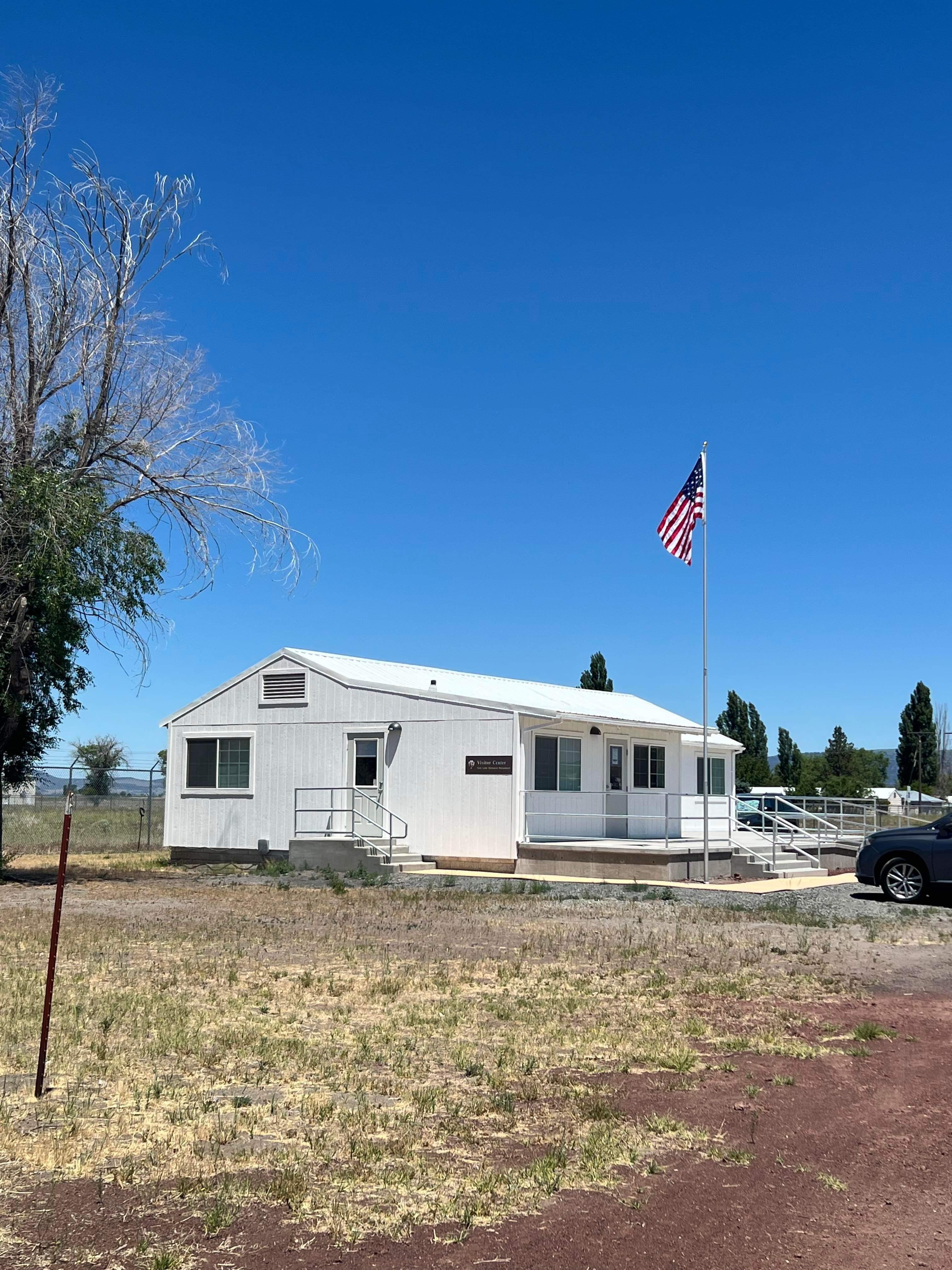
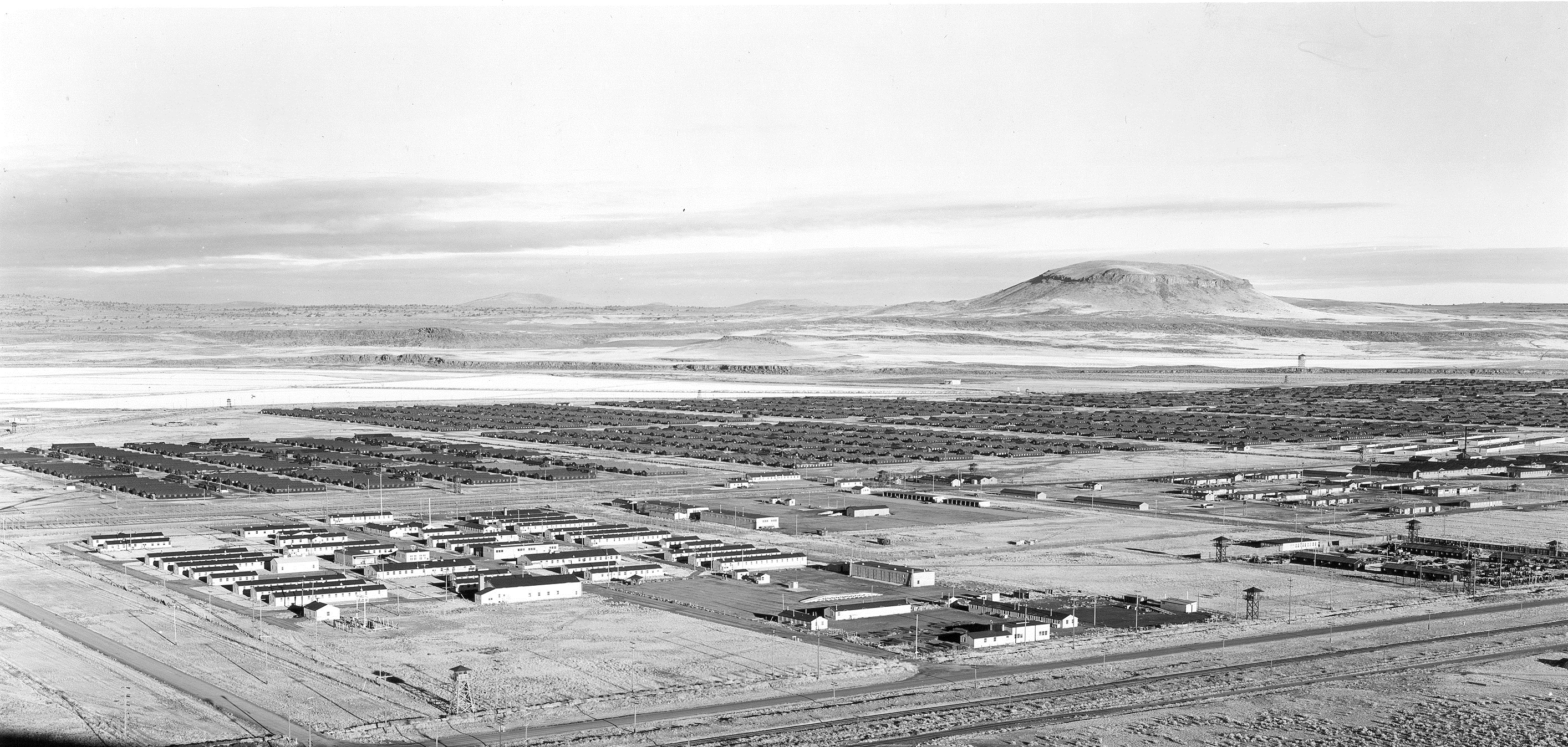
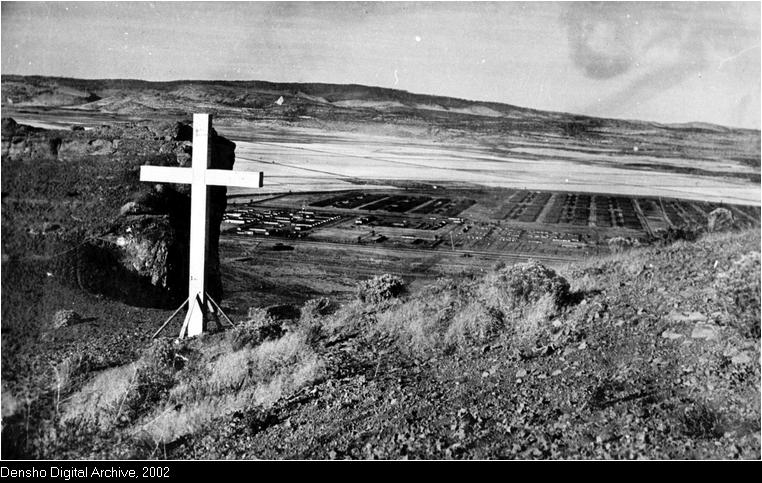
It preserves the Tule Lake Segregation Center and Camp Tulelake, sites central to the forced incarceration of Japanese Americans during World War II. This is not a scenic park unit. The experience is primarily historical and interpretive. It focuses on guided tours, a museum, and self-guided walking and auto tours. The visitor center's limited Friday through Sunday hours present a significant planning constraint. This narrow focus earns an experience score of 45. However, for its specific purpose, the monument is irreplaceable. No other location conveys this history of segregation, resistance, and renunciation with comparable physical and documentary evidence. Casual sightseers should look elsewhere. Those seeking deep historical engagement will find it profoundly impactful.
The case for it
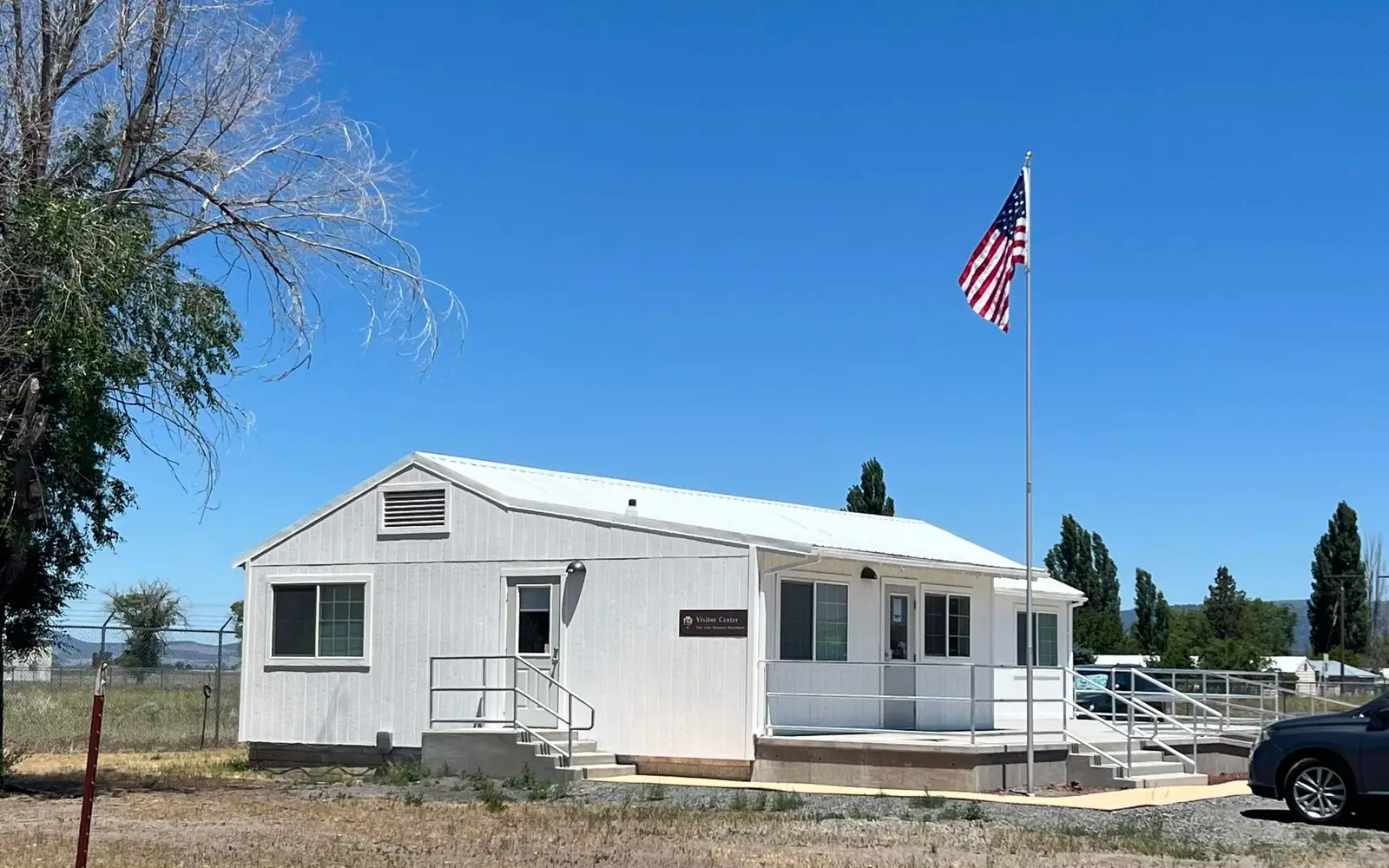
Tule Lake offers a substantive look into a fraught period of American history. Its visitor center provides essential context, detailing the policy decisions and human impact that defined this largest, most contested wartime incarceration camp. Guided tours are central to the experience, offering direct engagement with the physical remnants of both Tule Lake Segregation Center and Camp Tulelake. For those preferring independence, self-guided walking and auto tours are available. The park store and bookstore offer resources for deeper study beyond a single visit. Anyone seriously invested in World War II civil liberties, Japanese American history, or government internment policy will find a half-day to full-day visit here genuinely impactful.
Who it is for
This site caters specifically to those interested in history, civil liberties, and wartime policy. It holds particular significance for educators, students, and Japanese American families with incarceration connections. The scale is the draw here. Visitors seeking outdoor recreation, wildlife, or scenic vistas will find little to engage them. Casual sightseers should look elsewhere. For a broader outdoor experience, pairing this destination with other Klamath Basin sites is advisable.
Best time to visit
Summer offers the most practical window for visitation, with comfortable daytime temperatures in the mid-to-upper 70s. This season also provides the best chance of expanded visitor center hours. However, consult the NPS calendar before arrival; limited hours are confirmed through at least late June. Autumn through spring presents frequent morning fog and cold winters, with lows around 20 degrees F. These conditions can significantly affect road access and outdoor touring.
Worth seeing
- Guided tours of the Tule Lake Segregation Center, the largest and most contested Japanese American incarceration site of World War II
- Museum exhibits documenting the full arc of incarceration, segregation policy, and individual human stories
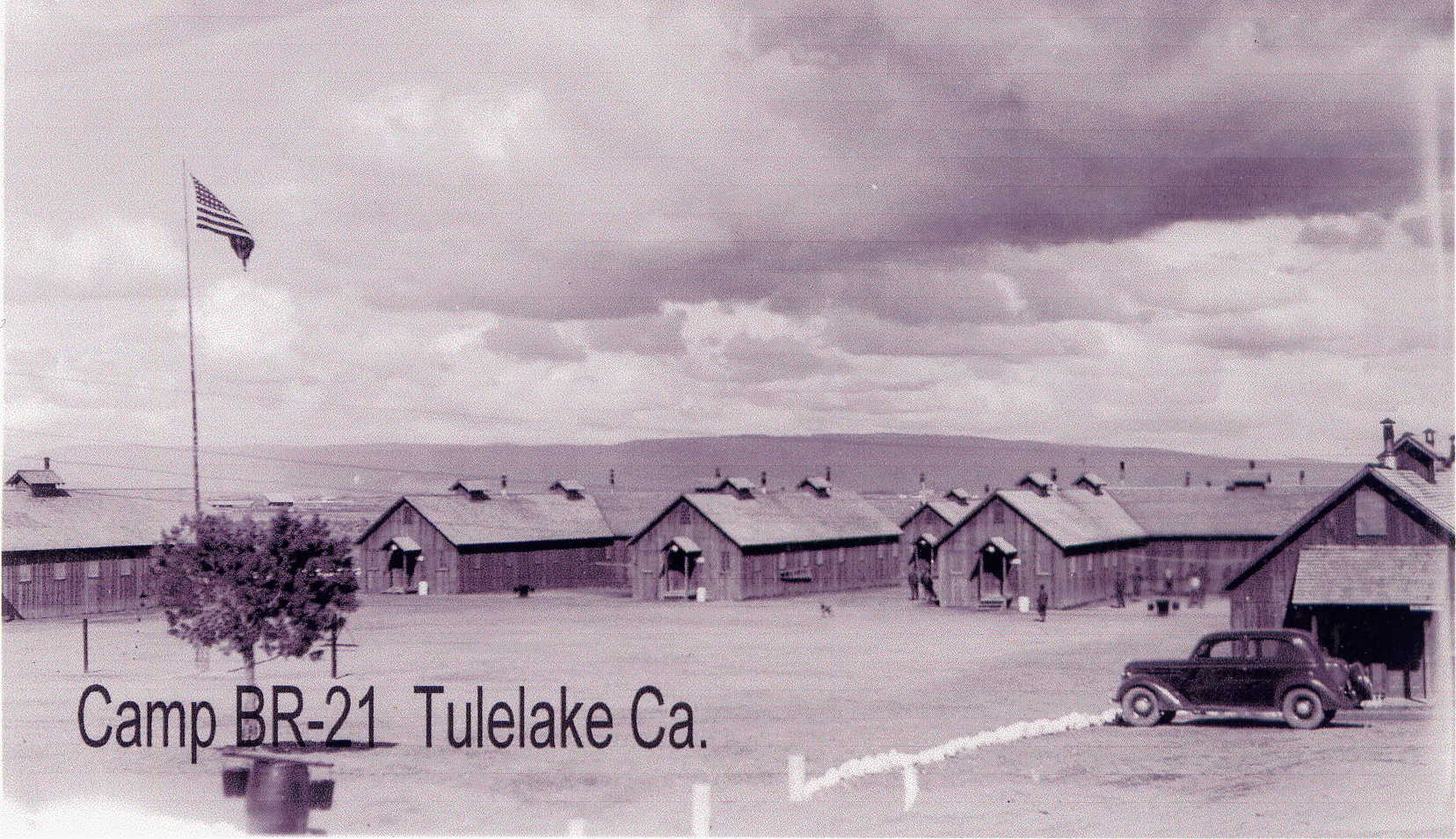
- Camp Tulelake, a single site with three distinct historical identities: CCC camp, Japanese American detention facility, and POW camp
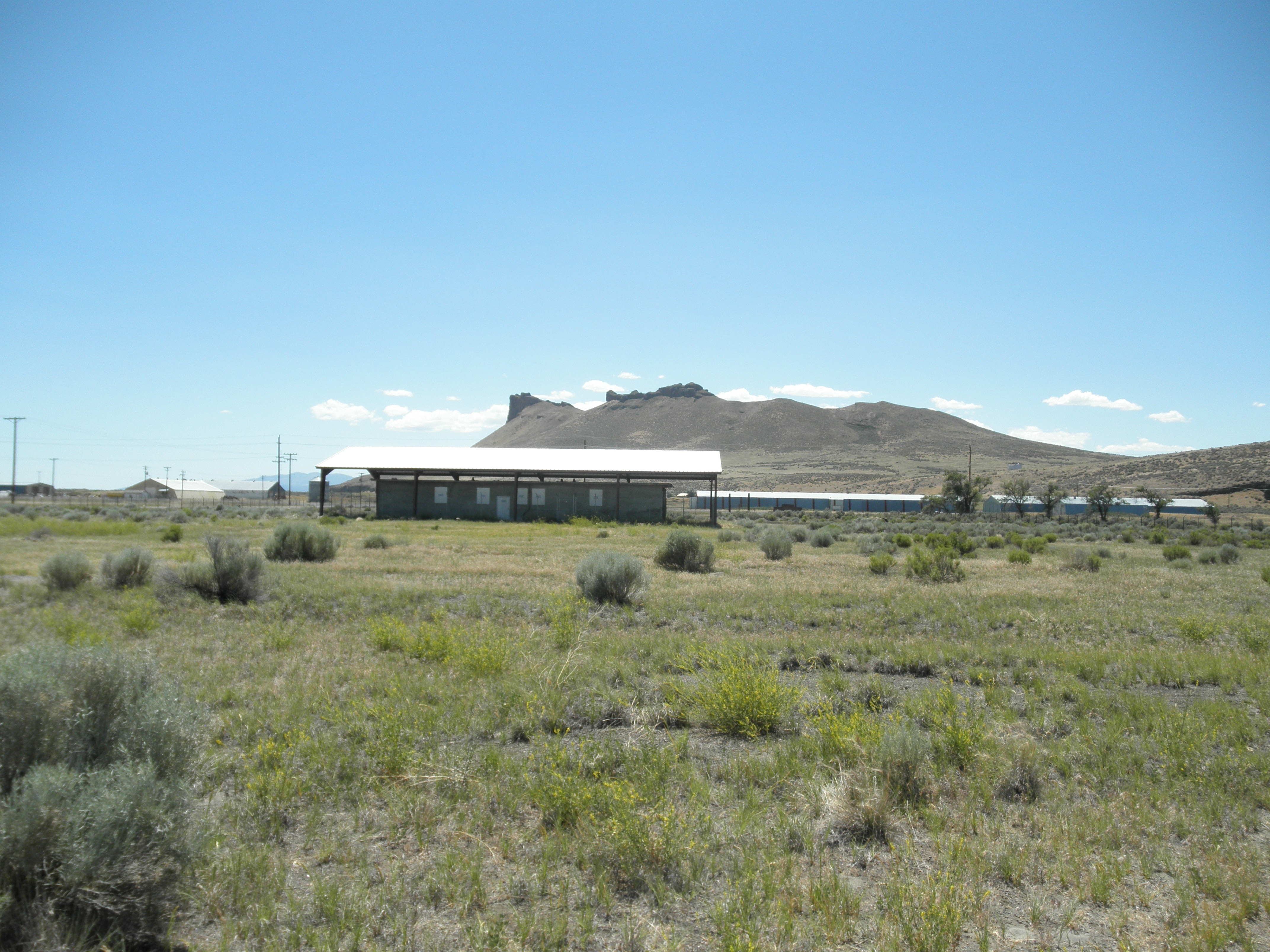
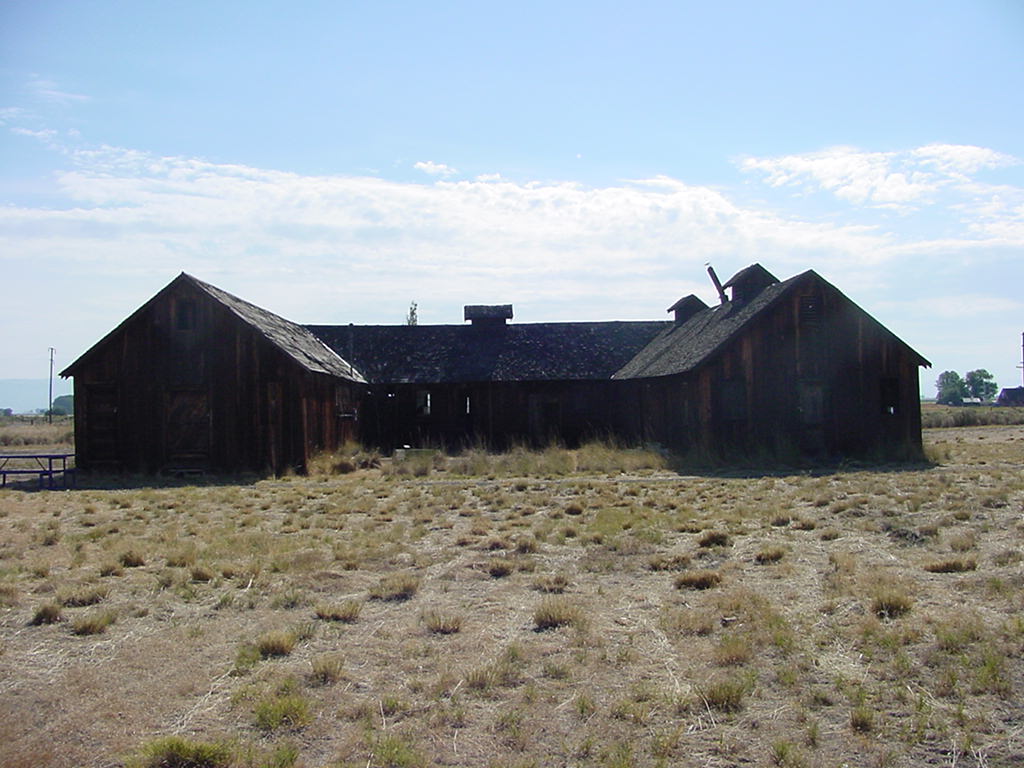
- Self-guided auto tour allowing visitors to survey the broader landscape and remaining physical features at their own pace
- Self-guided walking options for closer engagement with specific areas of the site
- A well-stocked bookstore and park store with materials on Japanese American history and civil liberties
Before you visit
Entry requires no fee. The visitor center operates Friday through Sunday, 9:00 AM to 4:30 PM; expanded hours may begin in July. Visitors should confirm current operating hours via the NPS calendar, as the site's remote location in far northern California, near the Oregon border, makes planning essential. Optimize arrival for guided tour schedules.
Our tipFor this site, guided tours are paramount. Confirm a tour is scheduled before arrival, as visitor center hours are limited. Skipping the interpretive layer leaves significant depth unexplored. Casual self-guided visits via