Should you visit Trail Of Tears National Historic Trail?
The Trail of Tears National Historic Trail spans over 5,000 miles across nine states, marking the 1838-1839 forced removal of the Cherokee Nation.
This is not a conventional park experience. Its affiliated sites vary dramatically, from world-class museums to simple roadside markers. Visitors must plan their own itinerary, as the trail offers an entirely self-directed journey. The history itself unifies the disparate locations. Thorough research is essential for those intending to visit. For individuals prepared to engage with a pivotal and painful chapter of American history, the experience offers a profound reward.
What makes it worth it
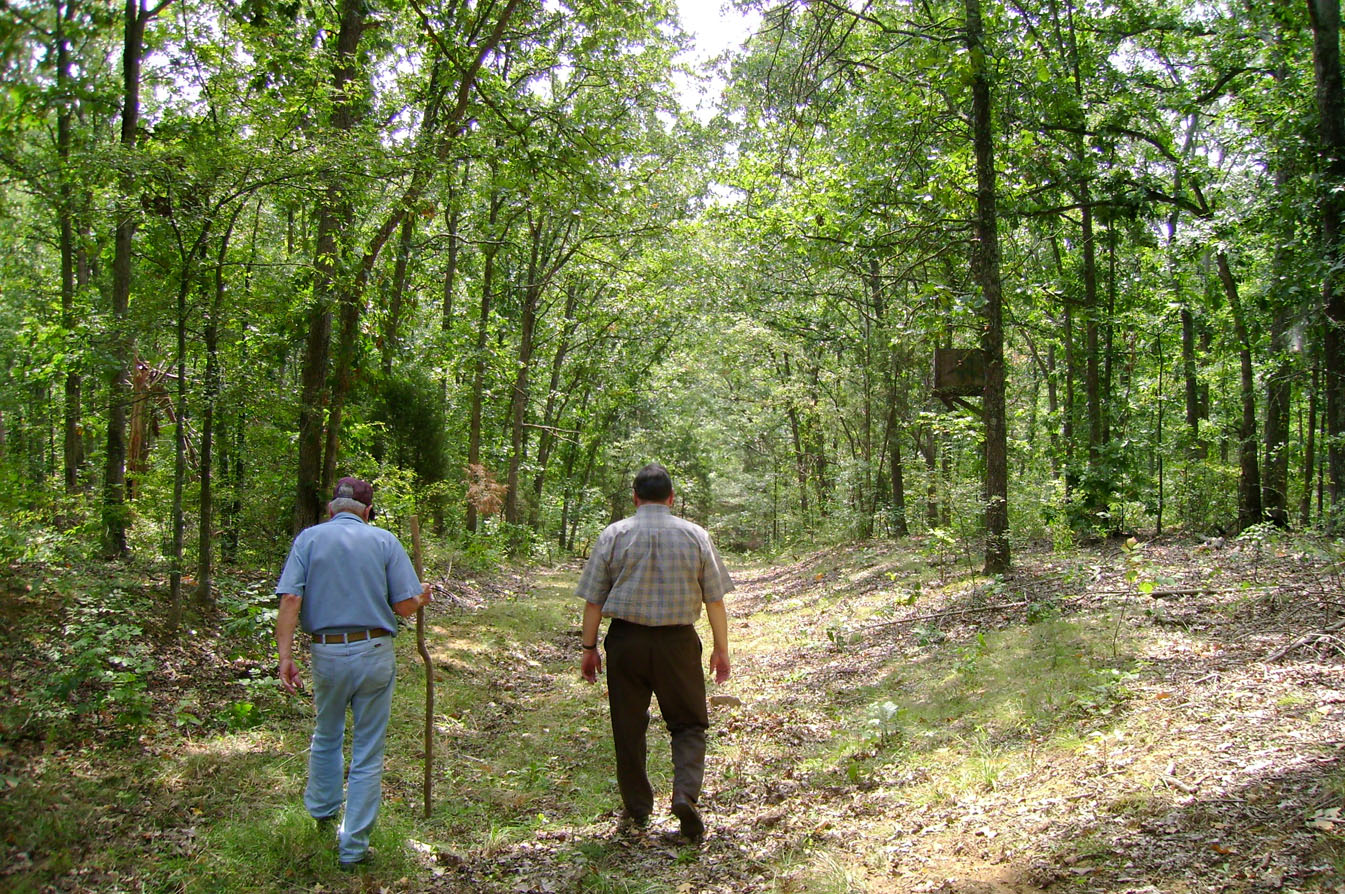
A good day on the Trail of Tears is built around choosing a specific geographic segment and committing to it. The auto touring routes let you move between sites at your own pace, and several affiliated museums and cultural centers offer craft demonstrations and exhibits that go well beyond a typical roadside historical marker. Guided tours at certain sites bring Cherokee voices and perspectives directly into the experience. Families can engage through the Junior Ranger Program, which gives kids a structured way to process the history across multiple stops. The scenic driving routes through the Southern Appalachians and into the Ozarks are genuinely beautiful, which creates a powerful contrast with the suffering that occurred along them.
Who should go
This national historic trail is best suited for history-focused travelers, especially those interested in Native American history and the era of Indian Removal. The Junior Ranger program effectively supports families prepared for difficult historical discussions. Casual visitors seeking a single-destination park experience will need to adjust expectations; this is not that. Thorough research before visiting is essential.
When to go
This unit presents a unique seasonal challenge. Spanning nine states from the Deep South to the Midwest, conditions vary wildly by region. There is no single best season. Spring and fall typically provide the most comfortable driving conditions across the majority of the corridor. However, summer heat in Alabama, Georgia, and Arkansas can be punishing. Winter visits to the Southern Appalachian segments offer a distinct atmosphere, but visitors should anticipate reduced hours at smaller affiliated sites. Travelers must plan according to their specific destinations within this extensive network.
Highlights
- Auto touring routes that trace the actual removal paths across nine states
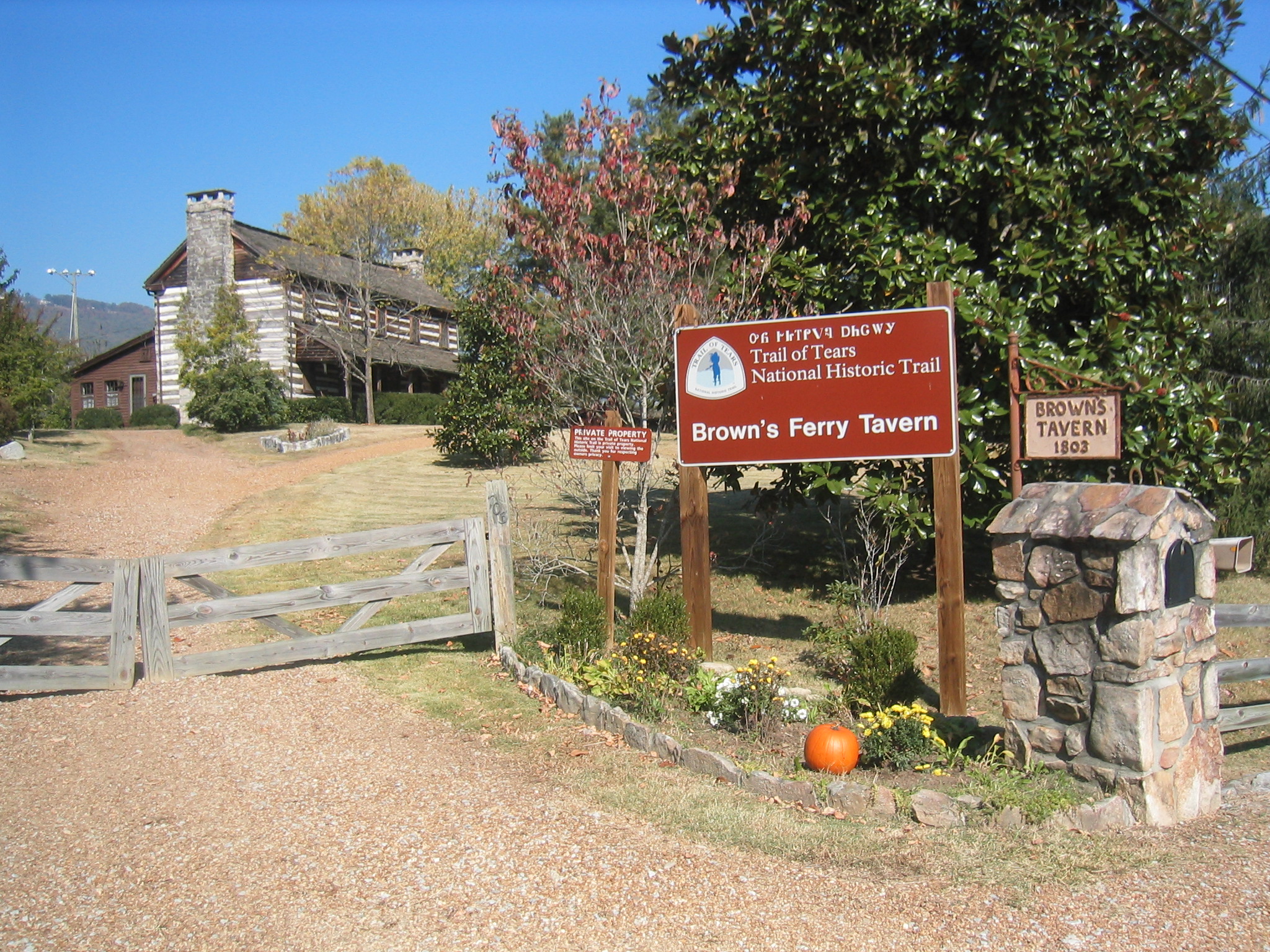
- Affiliated museum exhibits that document Cherokee history, culture, and survival
- Craft demonstrations at cultural sites that connect living Cherokee traditions to the trail's history
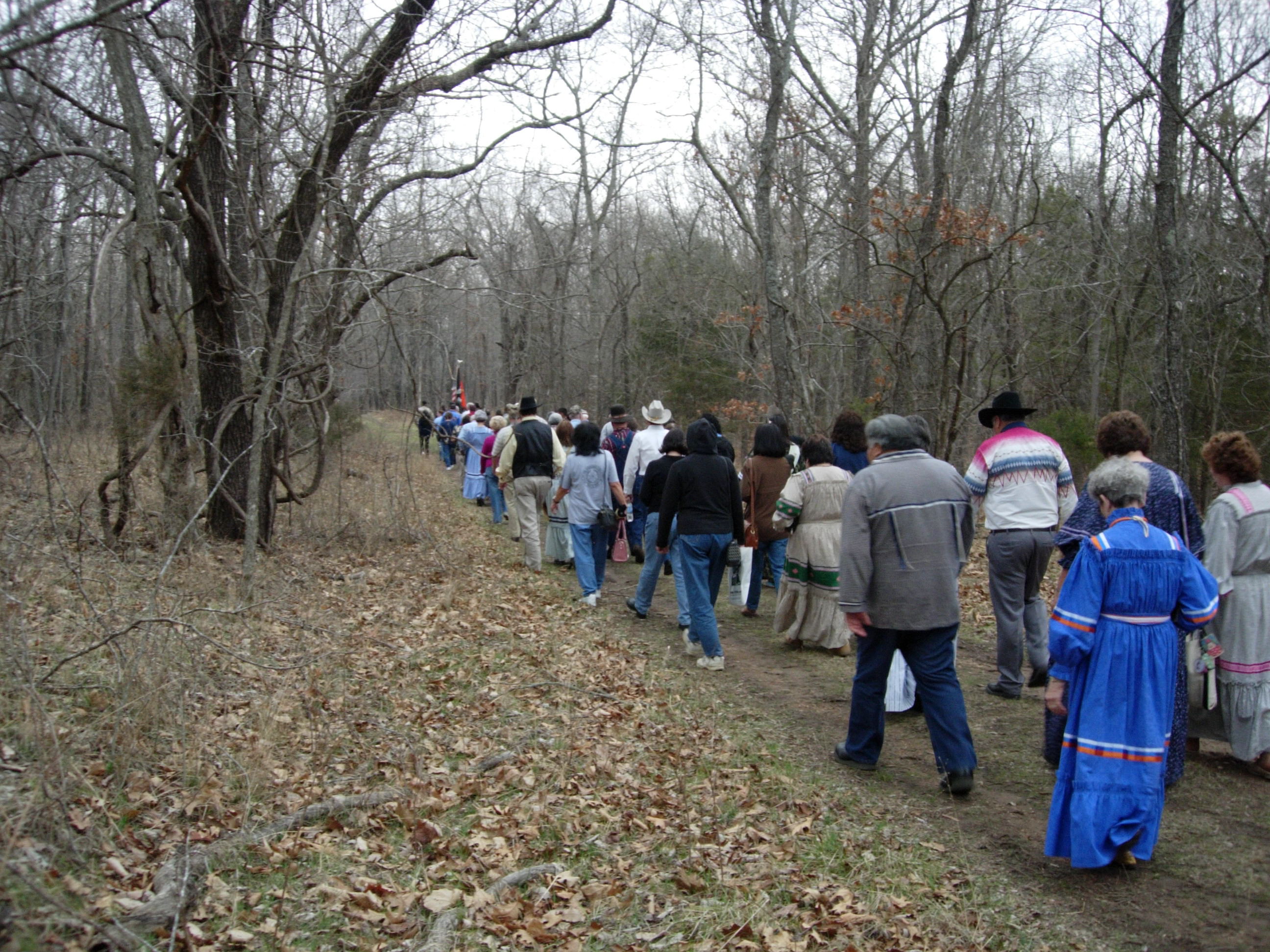
- Guided tours available at select sites offering Cherokee-centered perspectives
- Junior Ranger Program designed to help families engage with the difficult history
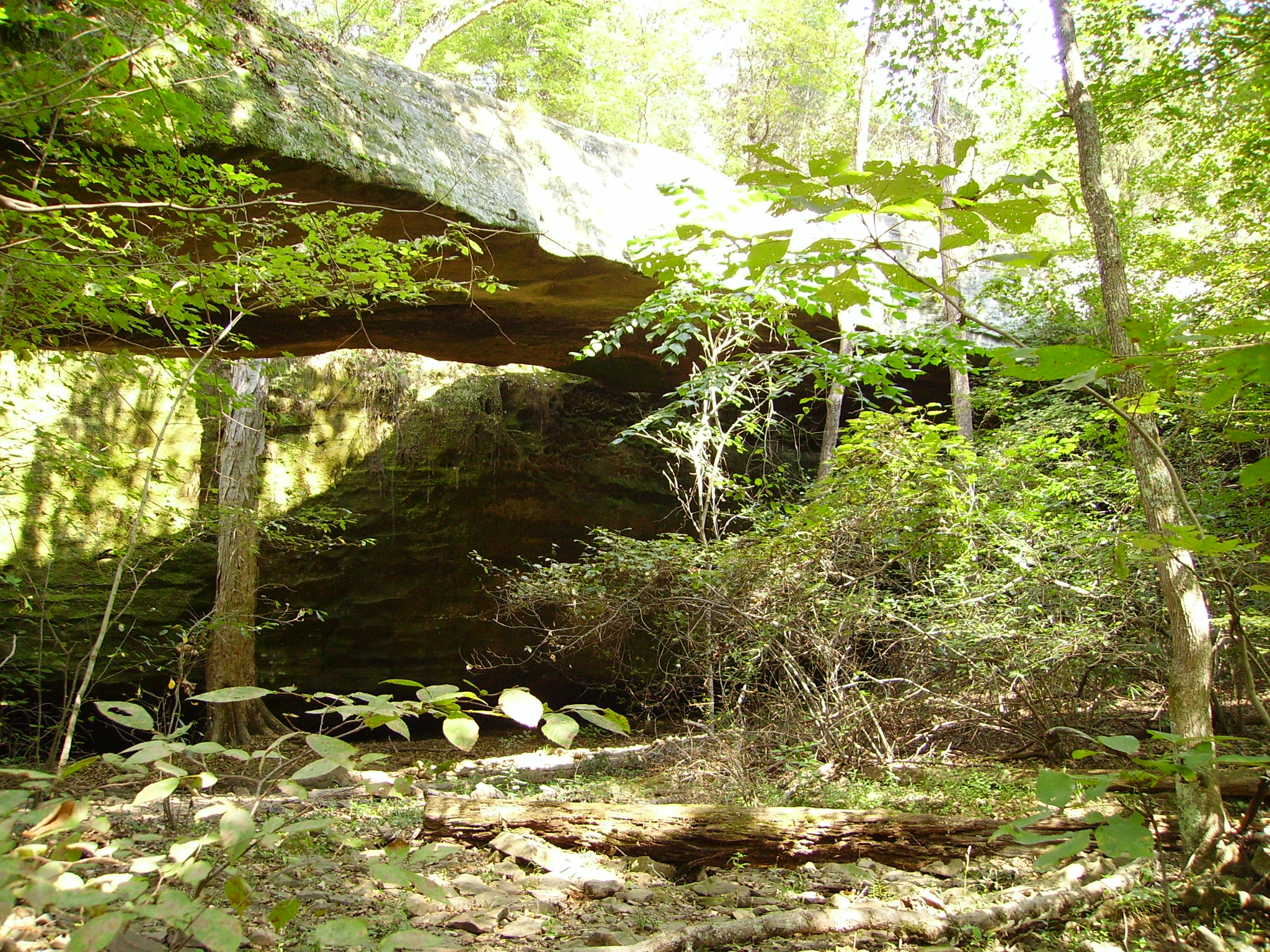
- Scenic driving corridors through the Southern Appalachians and Ozark regions
Plan ahead
Entry is free, but this trail lacks a central visitor center. Hours and accessibility vary dramatically across nine states. Before any trip, use the NPS Trail of Tears site to identify specific affiliated sites. Confirm current hours directly. Do not assume all sites are open year-round or on weekends; many are not.
Editor's tipOffline maps are essential for navigating this auto tour. Cell service is unreliable along rural sections in Arkansas, Missouri, and Kentucky. Many smaller, moving sites are less signed.