Should you visit Chickasaw National Recreation Area?
Chickasaw National Recreation Area is an exceptional freshwater recreation hub, particularly valuable in landlocked Oklahoma.
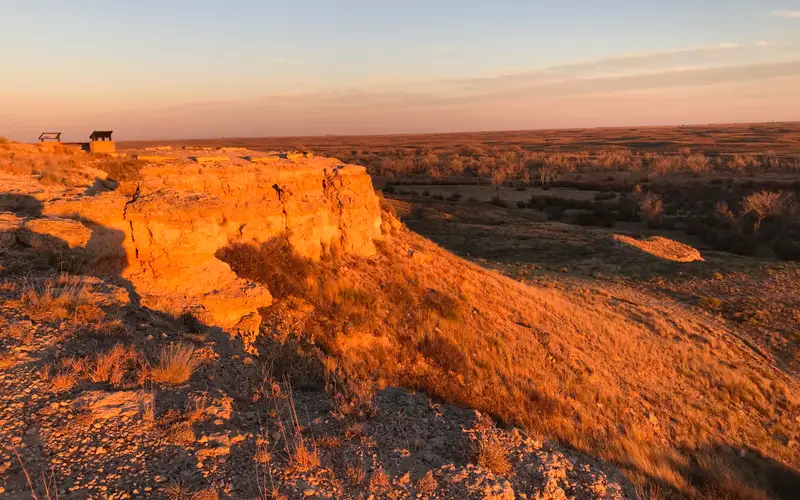
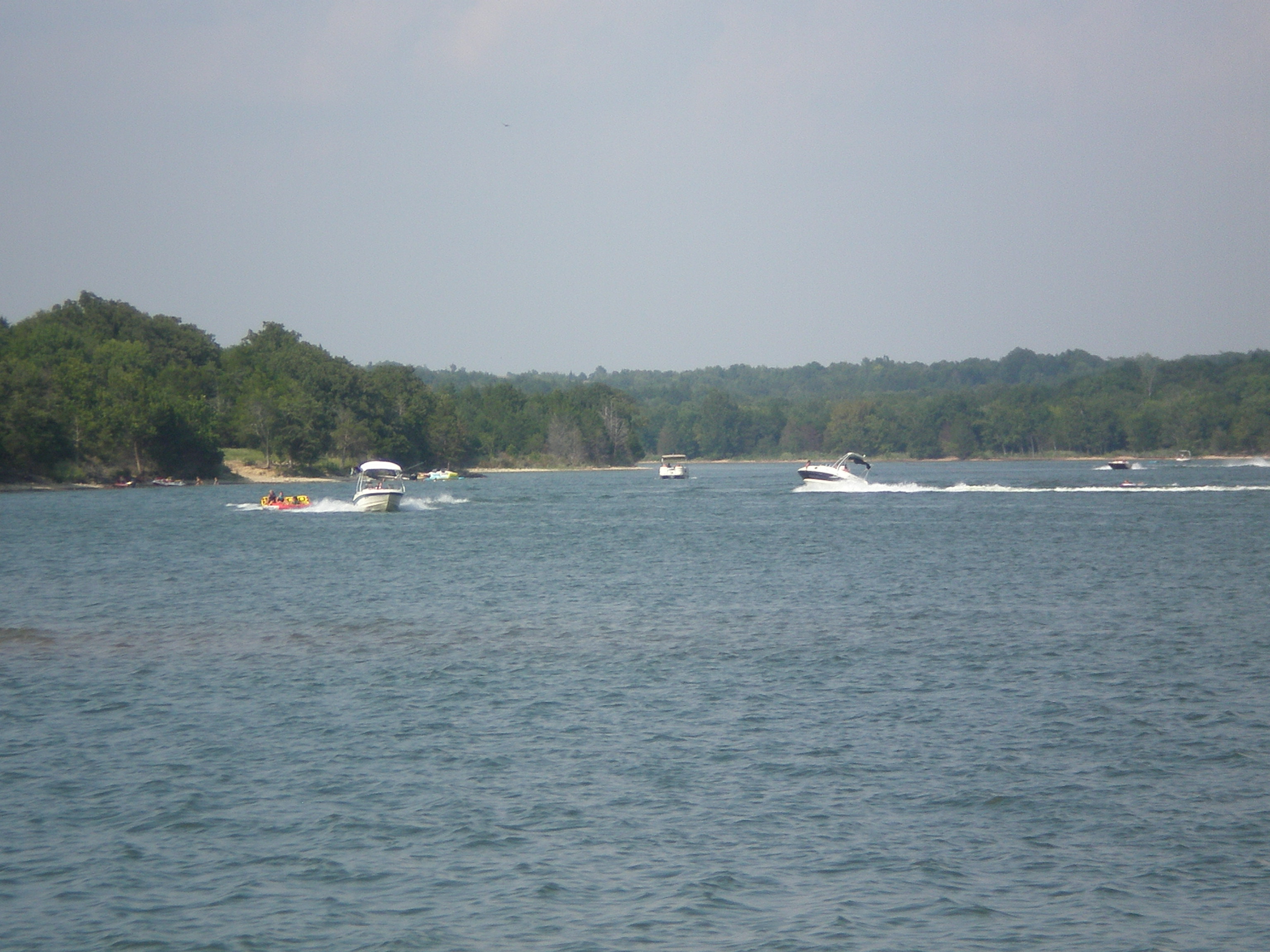
The park provides extensive aquatic activities: swimming, motorized boating, jet skiing, water skiing, kayaking, stand-up paddleboarding, and fishing are all available. Beyond its significant water offerings, the area features hiking, equestrian trails, biking, diverse camping options, and notable birdwatching. Its dark skies offer excellent stargazing opportunities for central Oklahoma. The breadth of documented activities, especially for a unit with no entrance fee, is remarkable. This is not a destination for wilderness solitude or dramatic scenery. However, for families, campers, and water sports enthusiasts within reach of Oklahoma City or Dallas, Chickasaw National Recreation Area delivers an impressive array of experiences.
What makes it worth it
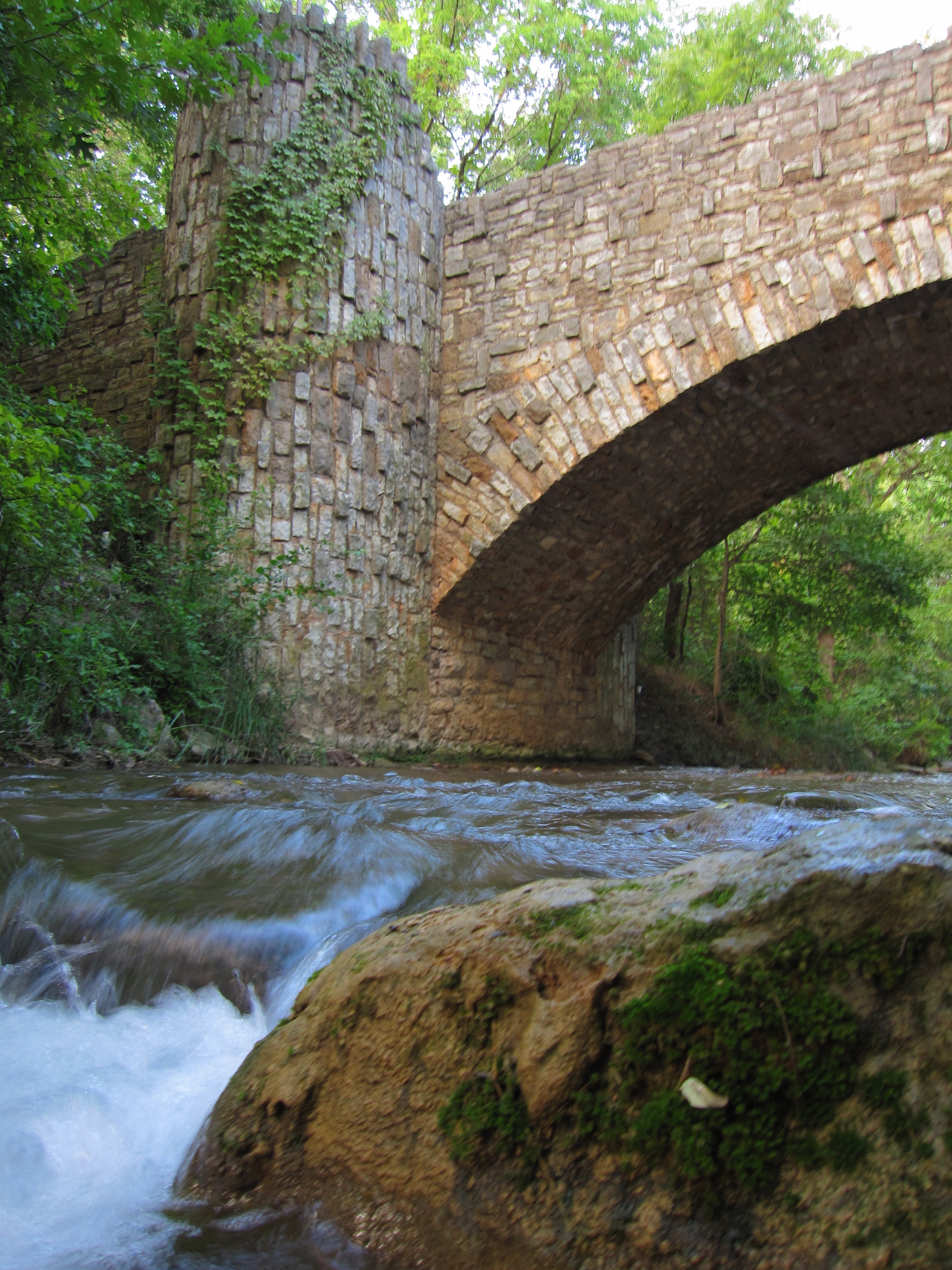
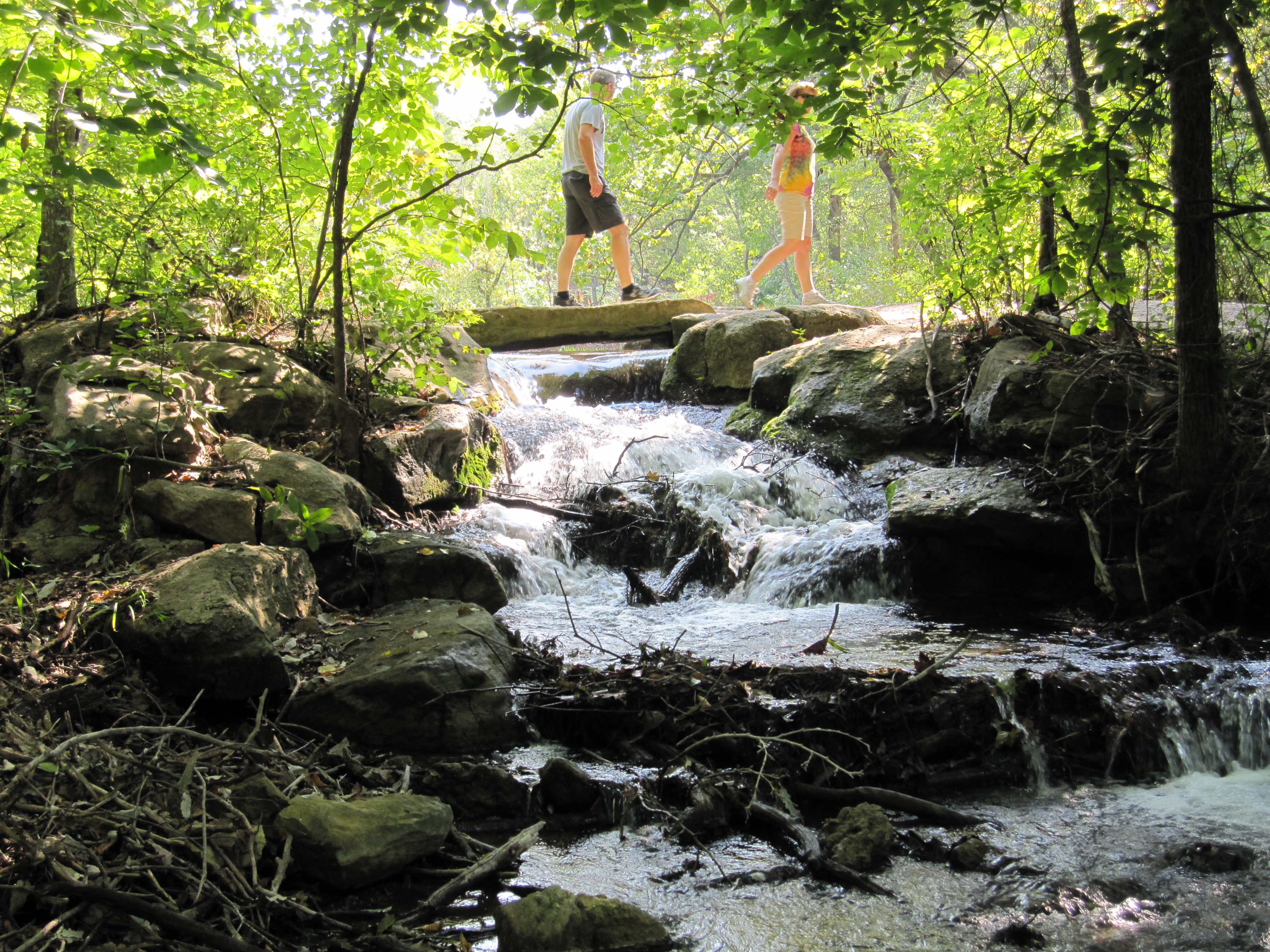
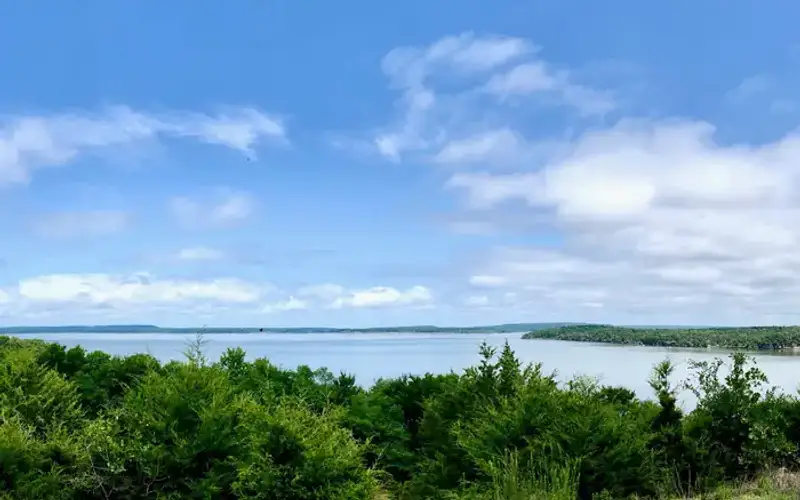
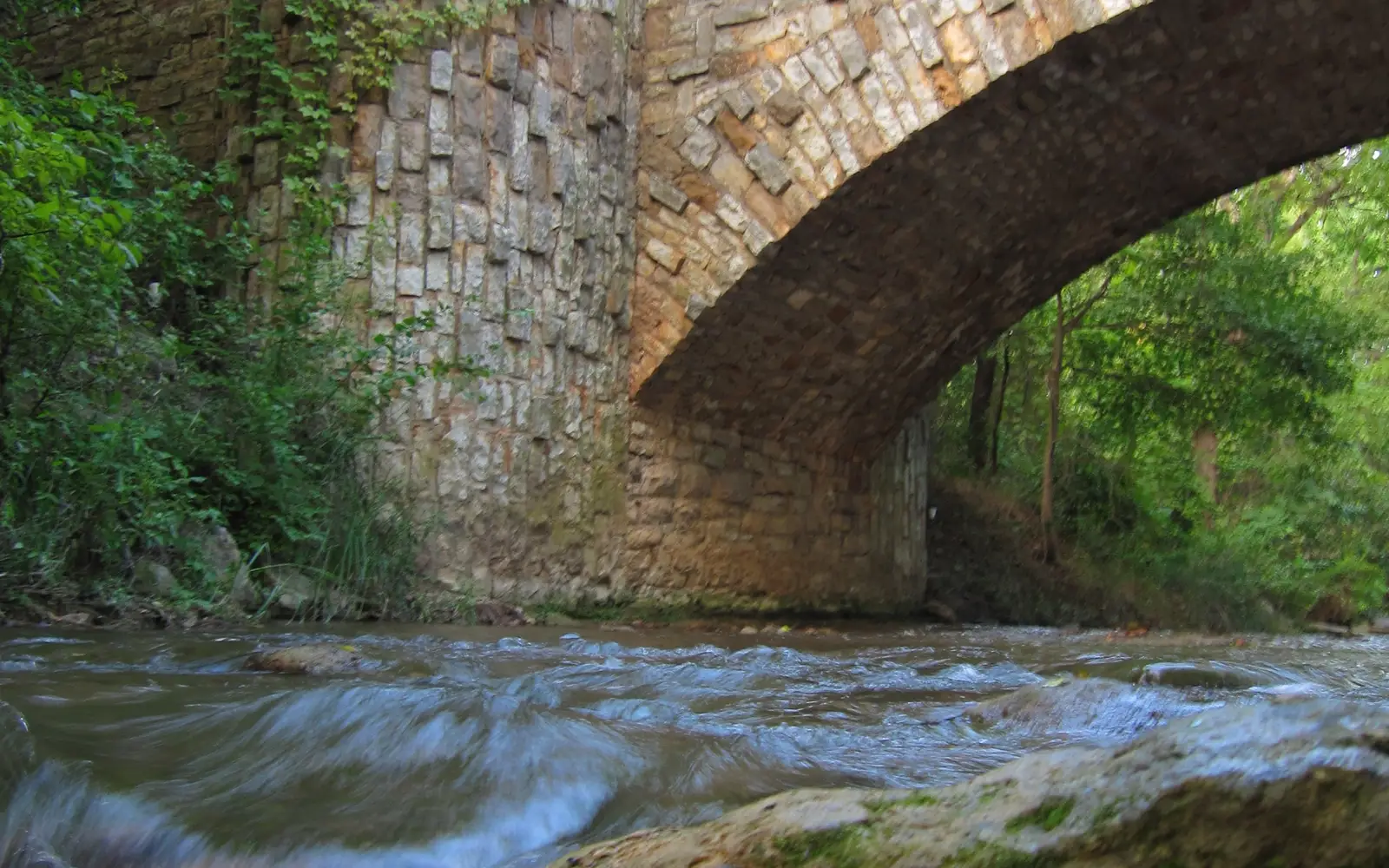
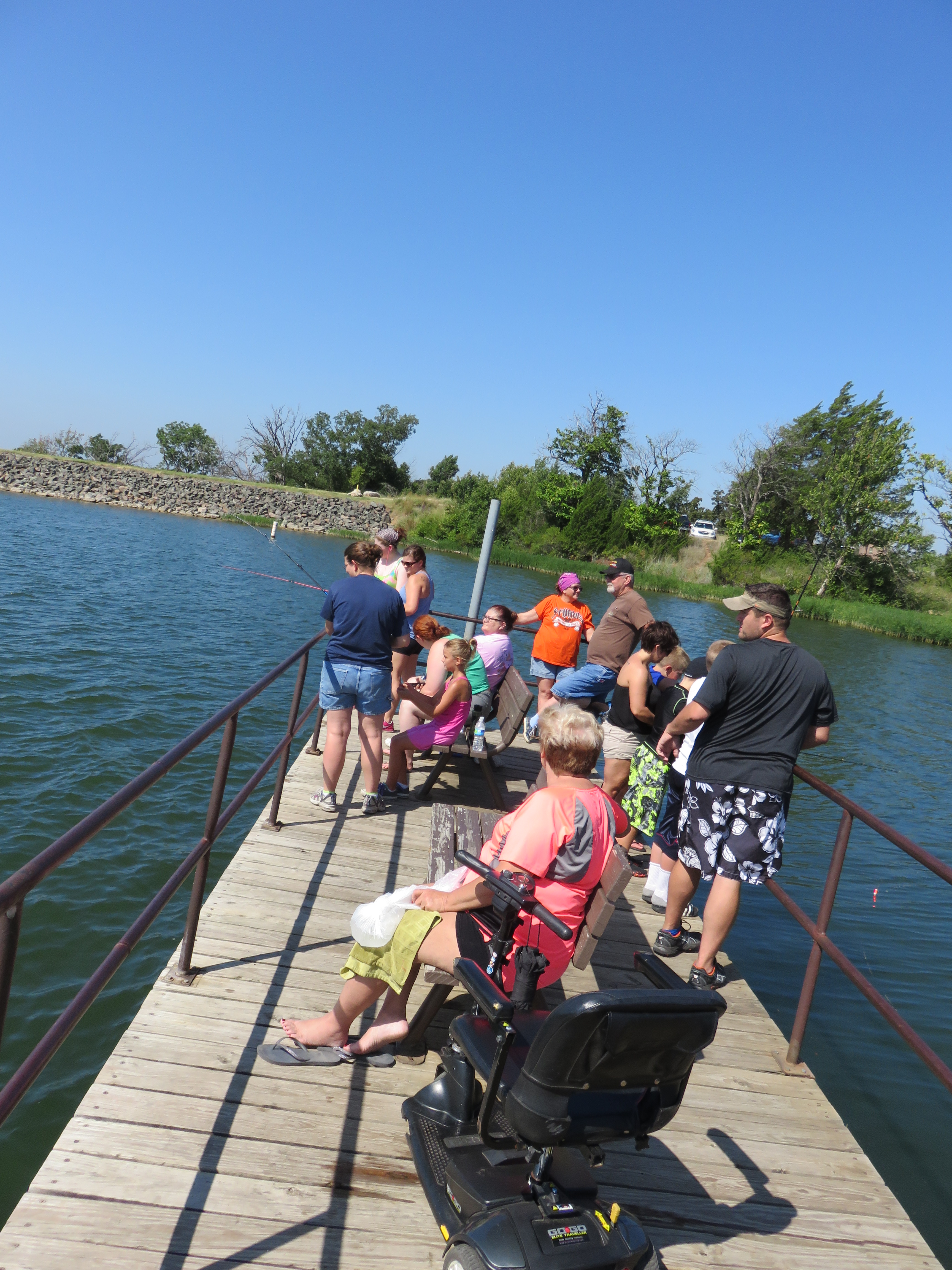
This destination prioritizes aquatic recreation. Lake of the Arbuckles invites boating, with options for rentals or private launches. Designated freshwater beaches accommodate swimmers. Kayaking or paddleboarding offers tranquil mornings before motorboat traffic. Hikers will find trails through the Arbuckle Mountains, linking natural springs and streams. Birdwatching is productive in riparian zones. Astronomy enthusiasts benefit from the park's support for stargazing. Free entry and 24-hour access facilitate late-night sky observation. Families can engage with the Junior Ranger program, fishing, picnicking, and camping at minimal cost.
Who should go
This park primarily serves specific regional interests. It offers an accessible, budget-friendly camping experience for families from Oklahoma and North Texas. Paddlers and boaters will find quality infrastructure without an entrance fee. Birders and stargazers can enjoy convenient overnight access. The destination does not provide dramatic wilderness solitude or iconic western scenery. Backcountry isolation is not available here.
When to go
The optimal period for a visit is unequivocally spring, from late March through early April. This window offers active wildflowers and rising water temperatures, preceding the harsh summer. Crowds are notably lighter. Summer itself presents significant challenges: regular temperatures exceeding 100 degrees Fahrenheit and frequent thunderstorms from April through July make for brutal conditions. Fall provides a clear respite, proving excellent for both fishing and hiking. Winters are mild; the park remains surprisingly accessible.
Highlights
- Free freshwater swimming, boating, jet skiing, and water skiing on Lake of the Arbuckles
- Kayaking, canoeing, and stand-up paddleboarding on calmer water sections
- Stargazing and astronomy programming under genuinely dark central Oklahoma skies
- Birdwatching and wildlife watching in riparian and lake edge habitat
- Horseback riding and mountain biking trails through Arbuckle terrain
- Flexible camping options including RV, group, and front-country car camping, all with no entrance fee
Plan ahead
This unit offers a rare value: no entrance fee for a National Park Service property with its activity breadth. Developed campsites carry a fee. Located near Sulphur, Oklahoma, it sits approximately 90 minutes from Oklahoma City. Summer weekends on the lake frequently see high temperatures and heavy crowds; early arrival is a must. Consult the current conditions page prior to any visit, as both water levels and facility access are subject to change.
Editor's tipFor stargazing, secure a weeknight campsite. Weekend evenings draw boaters and motorized recreation, generating light and noise pollution along the water. A Tuesday or Wednesday night provides a markedly quieter sky and minimal ambient interference.