
Is Hot Springs National Park worth it?
Hot Springs occupies a unique niche within the National Park System.
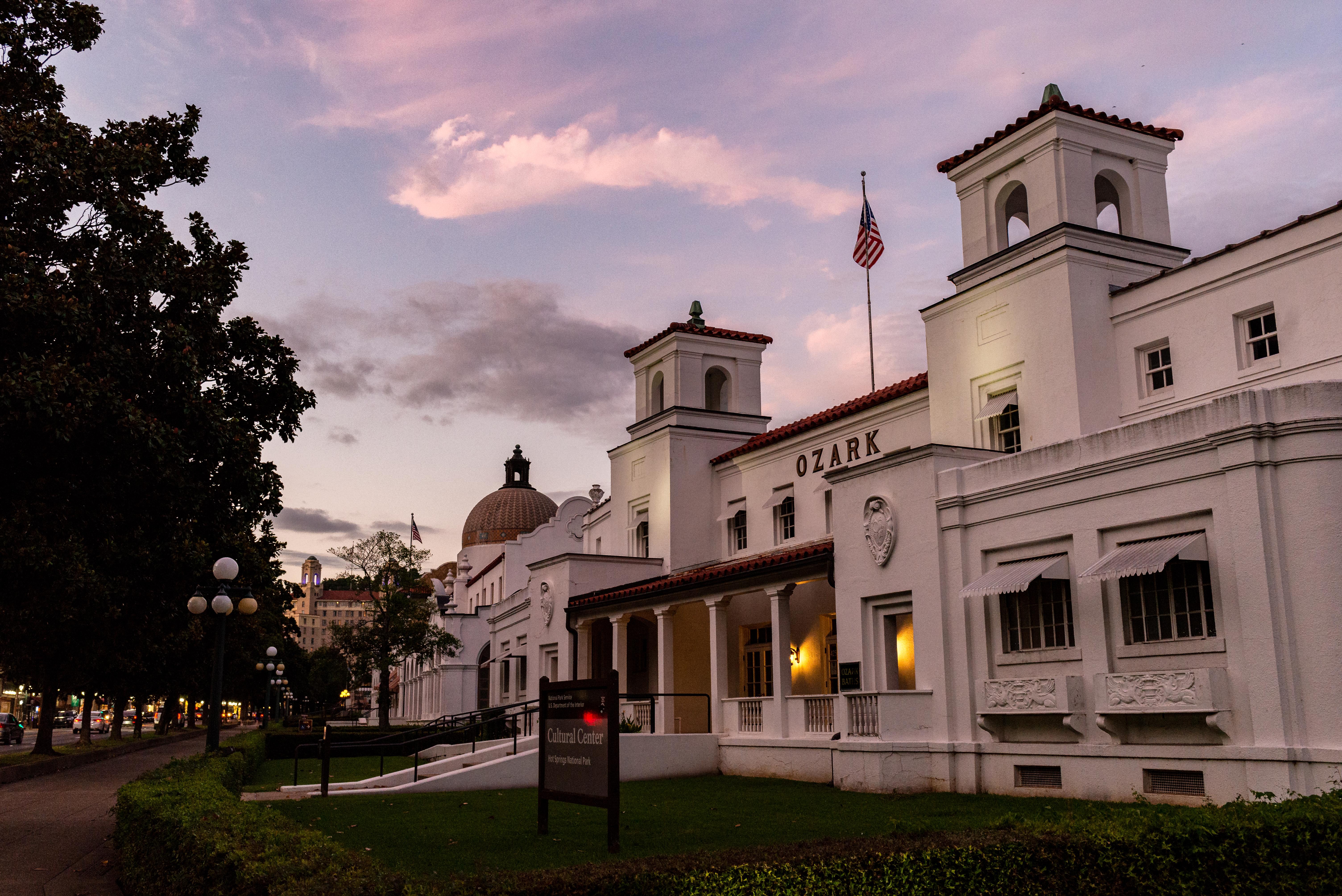
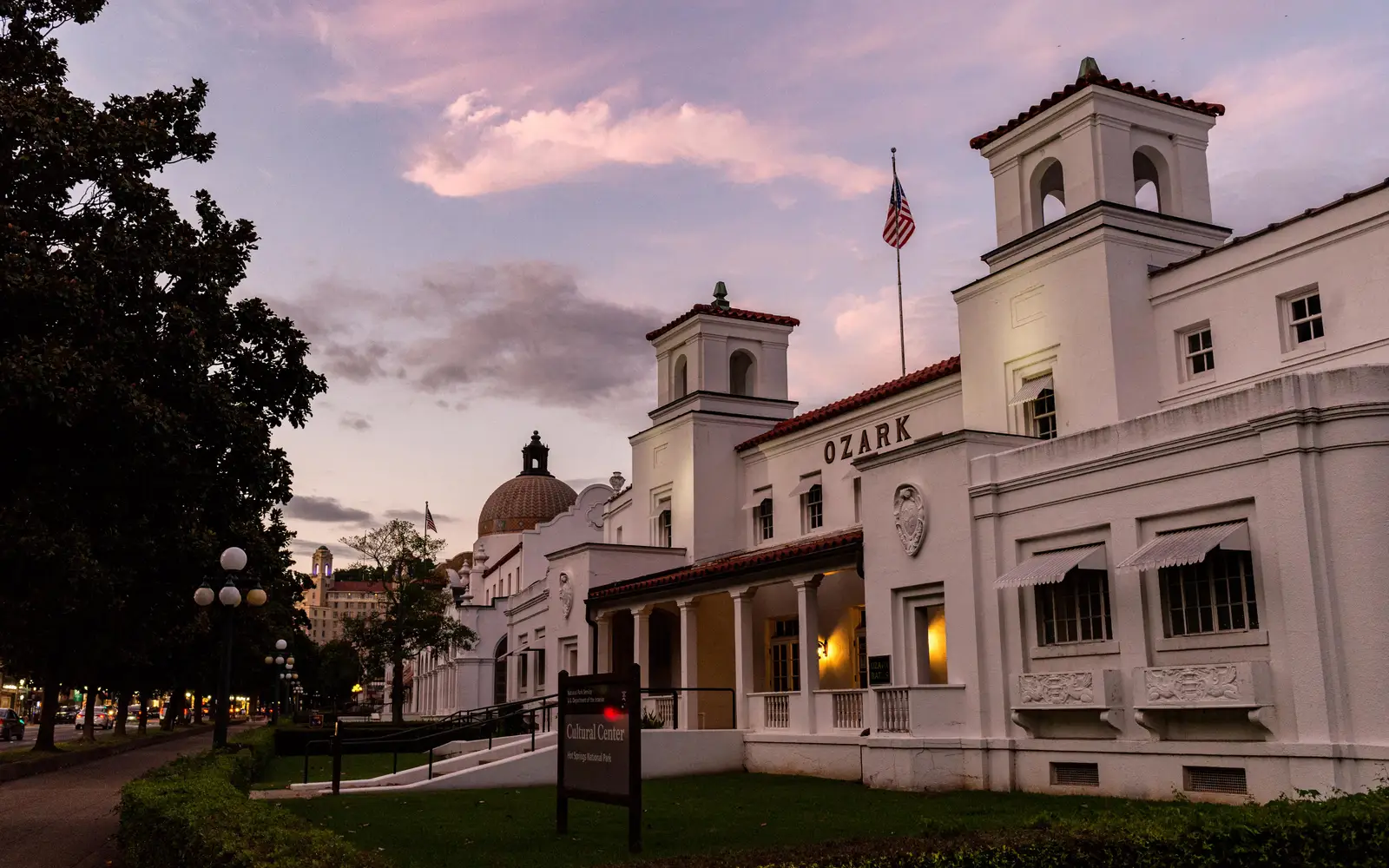
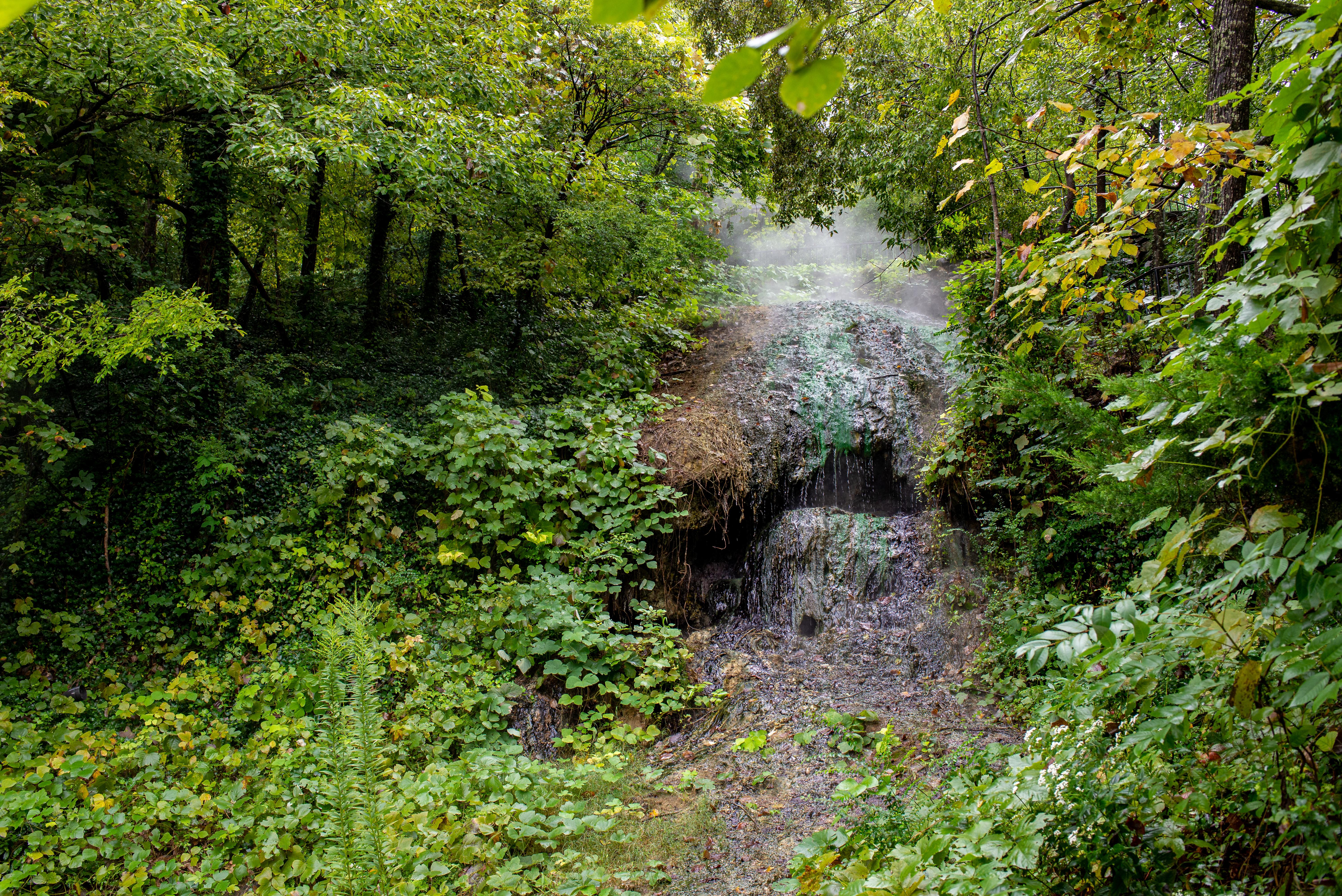
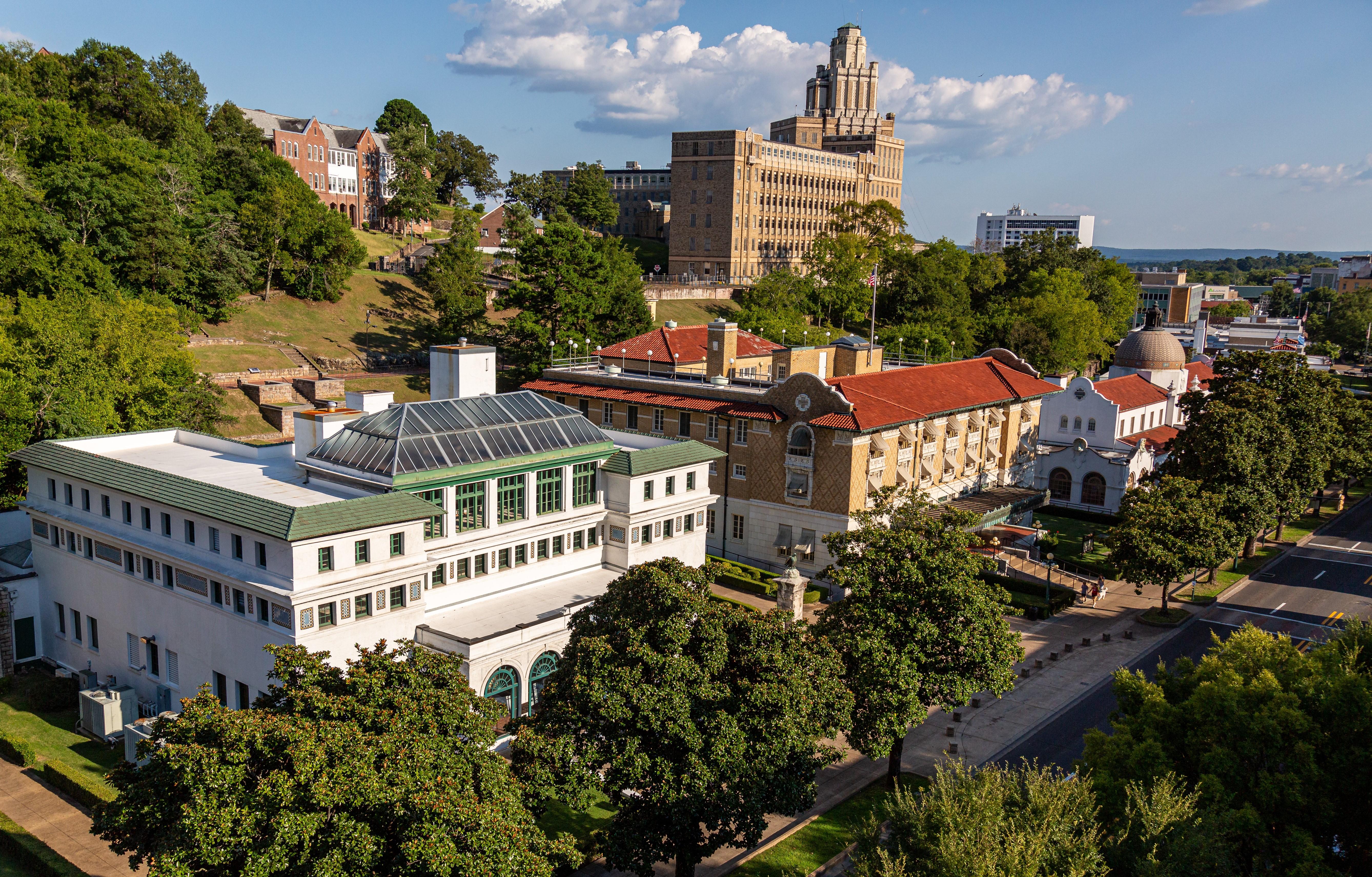
Its core appeal centers on Bathhouse Row, a collection of grand early-20th-century bathhouses that established the town as America's spa capital. The thermal springs remain active, and the site's history offers genuine intrigue. This is not a wilderness destination. While forested mountain drives and hiking trails exist, they are modest in scope. The thermal spring experience itself is primarily accessible through a single restored bathhouse. For families, history enthusiasts, and travelers in the South, Hot Springs offers significant value. Those anticipating large-scale geothermal phenomena or extensive backcountry exploration should adjust their expectations accordingly.
The case for it
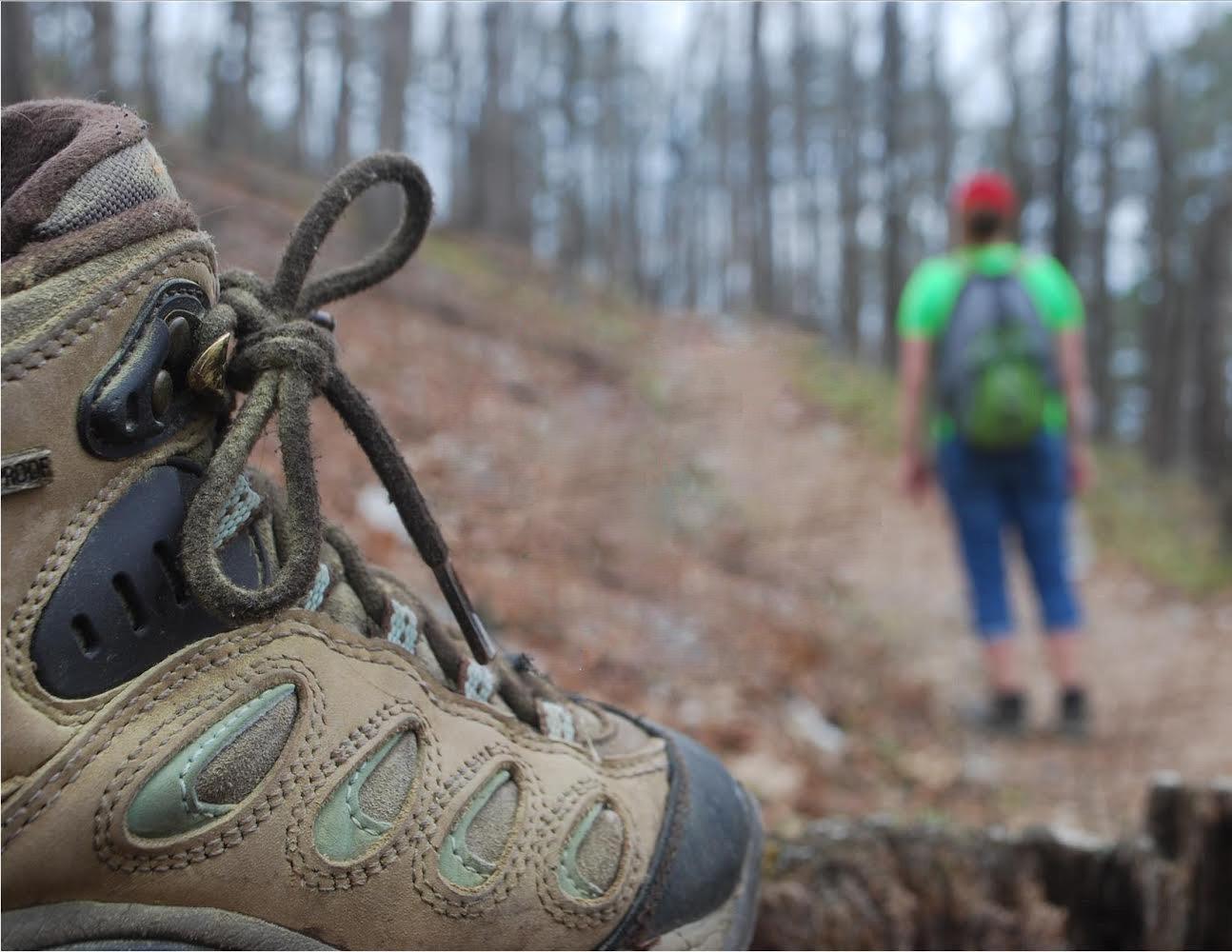
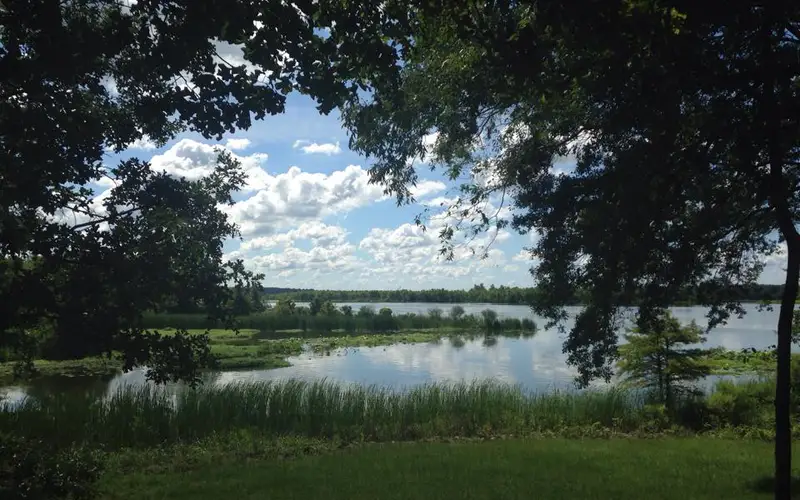
Hot Springs National Park offers a distinctive blend of urban convenience and natural escape. Begin at Bathhouse Row: the Fordyce Bathhouse, now the park visitor center, explains the area's historical appeal. The Grand Promenade provides an easy walk past jug fountains dispensing thermal water. Overlooks are readily accessible via mountain roads, offering views of the city and forest. Hikers will find multiple forested trails on Hot Springs, North, and West Mountains. Birdwatching along the creek corridors is productive. Camping is available. Its integration with the city of Hot Springs provides unusually convenient dining and logistical support for a national park unit.
Who it is for
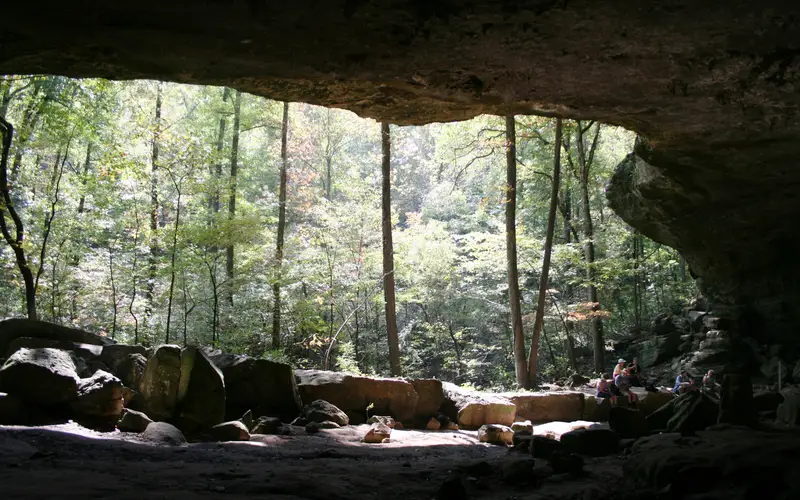
Bathhouse Row alone justifies a visit for those interested in history and architecture. Entry is free. Families will appreciate the accessibility and the Junior Ranger program. This park is an excellent stop for road trippers traveling through Arkansas or the South. However, visitors seeking remote wilderness or extensive backpacking opportunities should consider the nearby Ozark National Forest.
Best time to visit
Optimal visiting conditions prevail from late September into early November and again from mid-March through May, with temperatures conducive to exploring Bathhouse Row and the mountain trails. Summer heat and humidity are significant, with heat index values potentially reaching 110 degrees Fahrenheit, rendering midday outdoor pursuits uncomfortable. Winter offers mild conditions, though occasional sharp wind chills occur. Spring and fall are the wettest seasons; prepare for rain.
Worth seeing
- Touring the restored Fordyce Bathhouse, the park visitor center, with its stained glass, fountains, and intact bathing halls
- Drinking directly from thermal jug fountains along the Grand Promenade, a genuinely rare experience in the park system
- Scenic drives on Hot Springs Mountain Road with city and forest overlooks
- Forested hiking trails on three separate mountains, all accessible from within or near downtown
- Birdwatching and wildlife watching along wooded creek corridors inside city limits
- Free entrance with full amenities including camping, a park film, museum exhibits, and a well-stocked bookstore
Before you visit
Entrance is free. The Fordyce Bathhouse visitor center is an essential first stop. The Grand Promenade and Bathhouse Row sidewalks close at 10 p.m. Mountain roads operate with seasonal hours. Check current schedules before an early morning or evening visit.
Our tipBring a water bottle. Fill it at one of the thermal spring jug fountains on the Grand Promenade. The water is tested regularly and drinkable, a direct, tactile connection to the park's origins. This site became a national park in 1832, predating Yellowstone, establishing it as one of the oldest federally protected landscapes in the country.