parkverdict
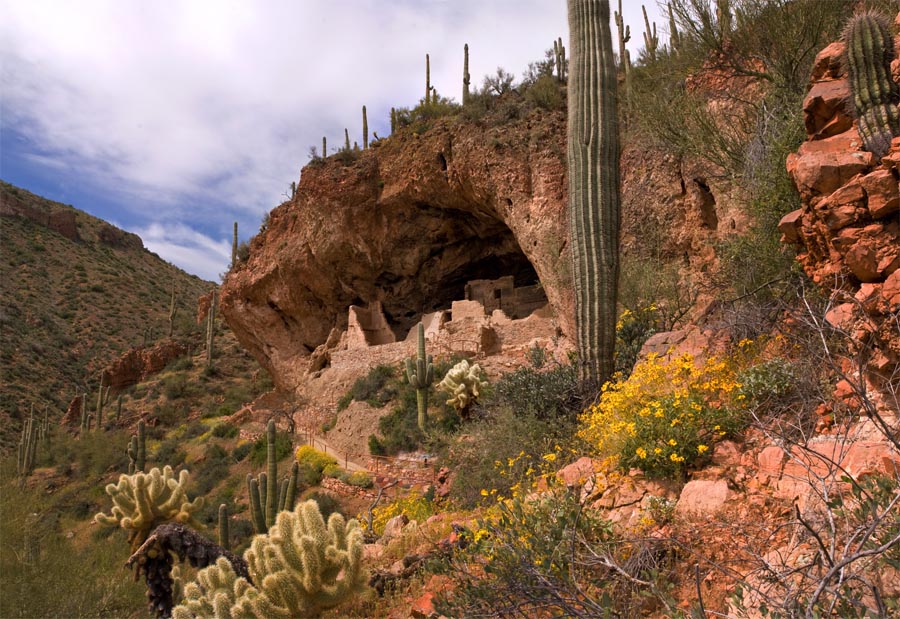
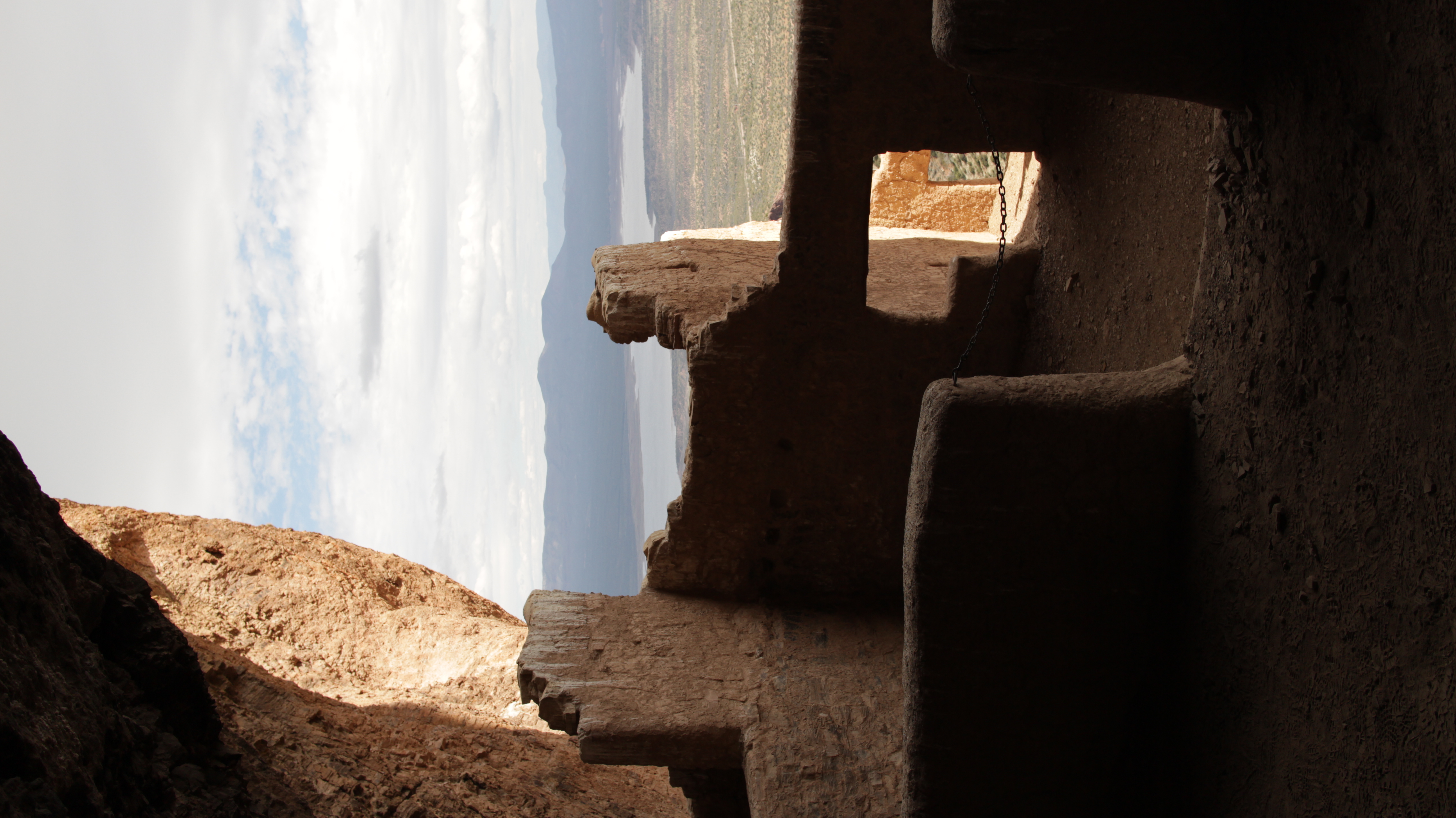
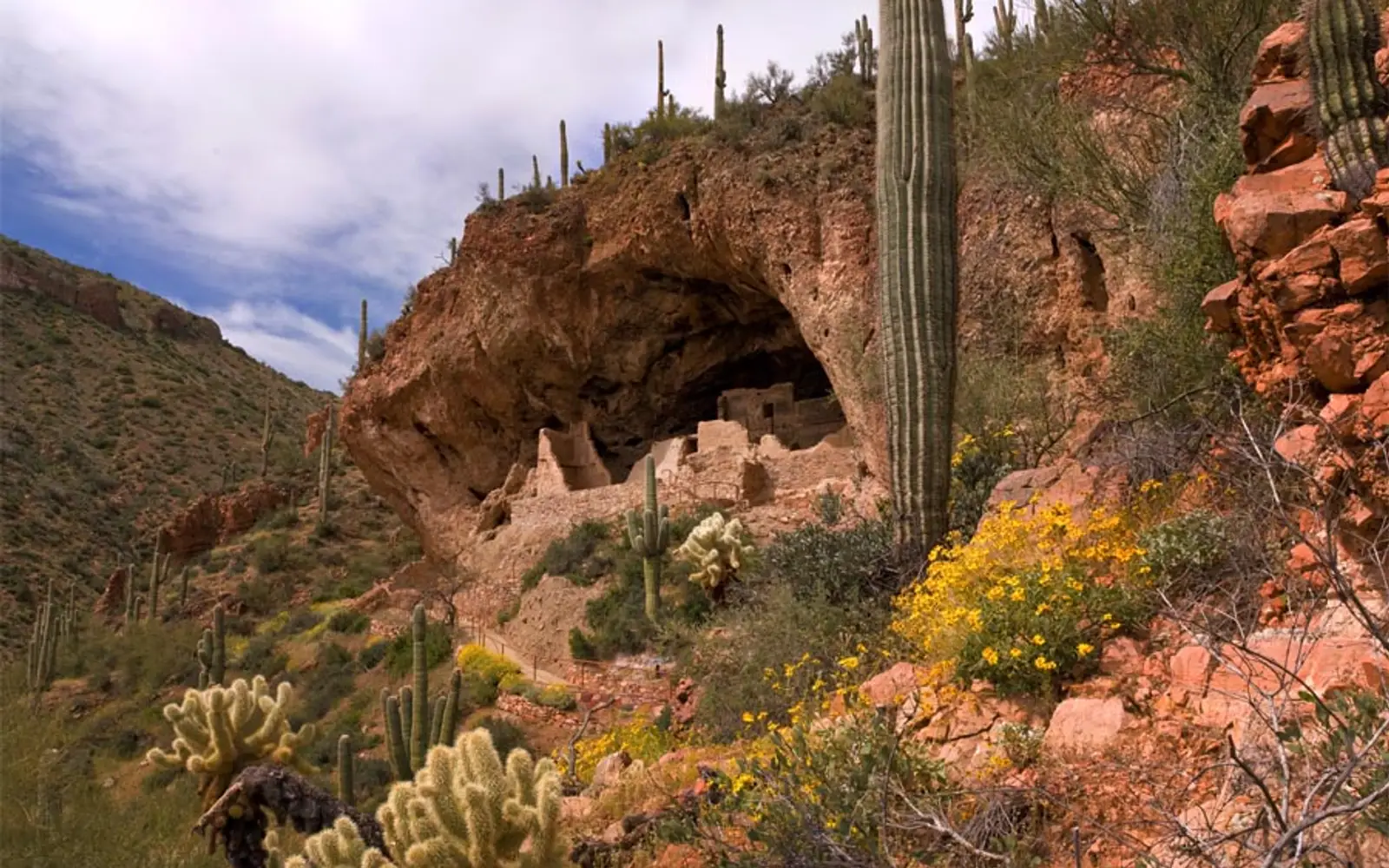
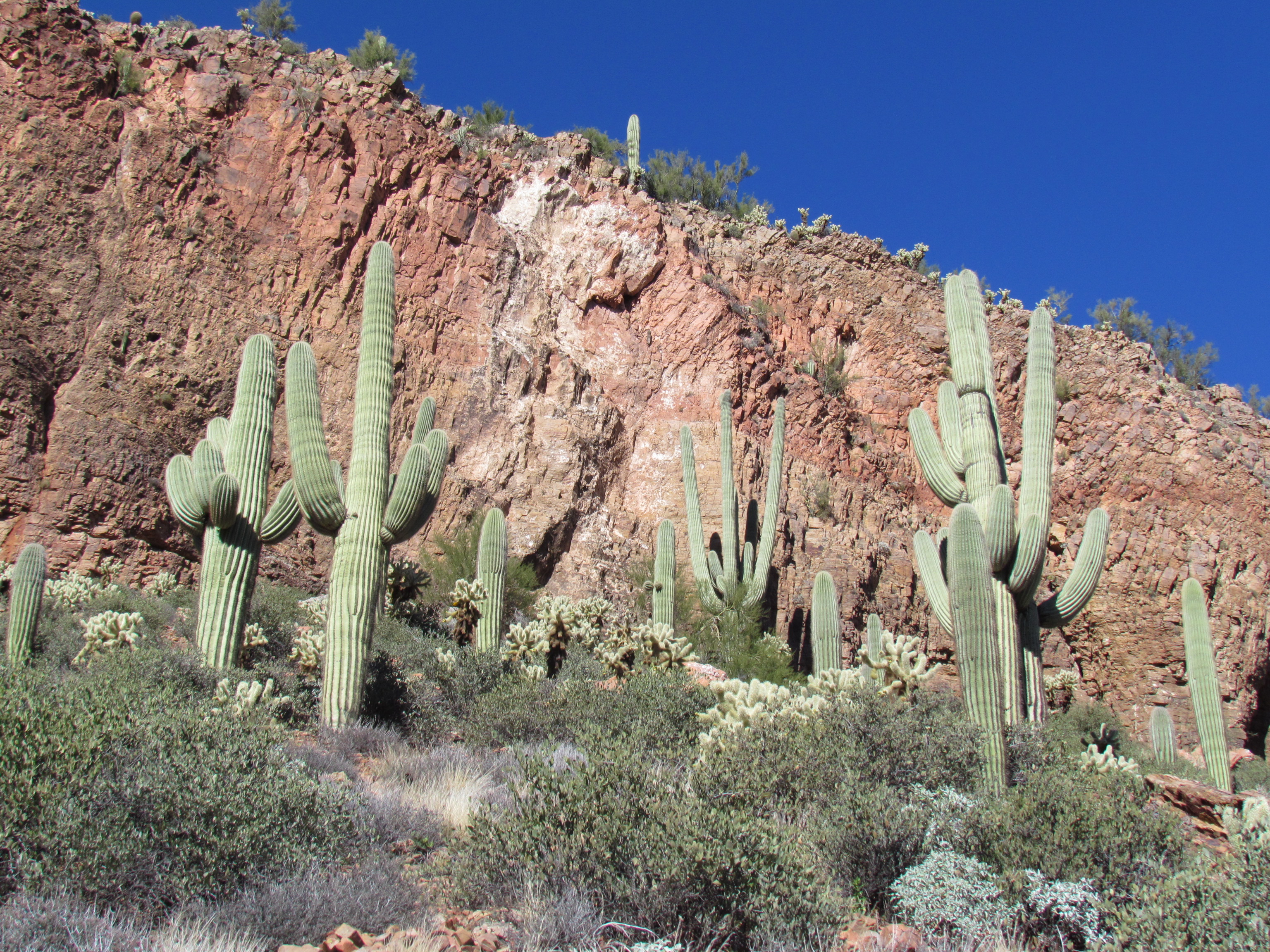
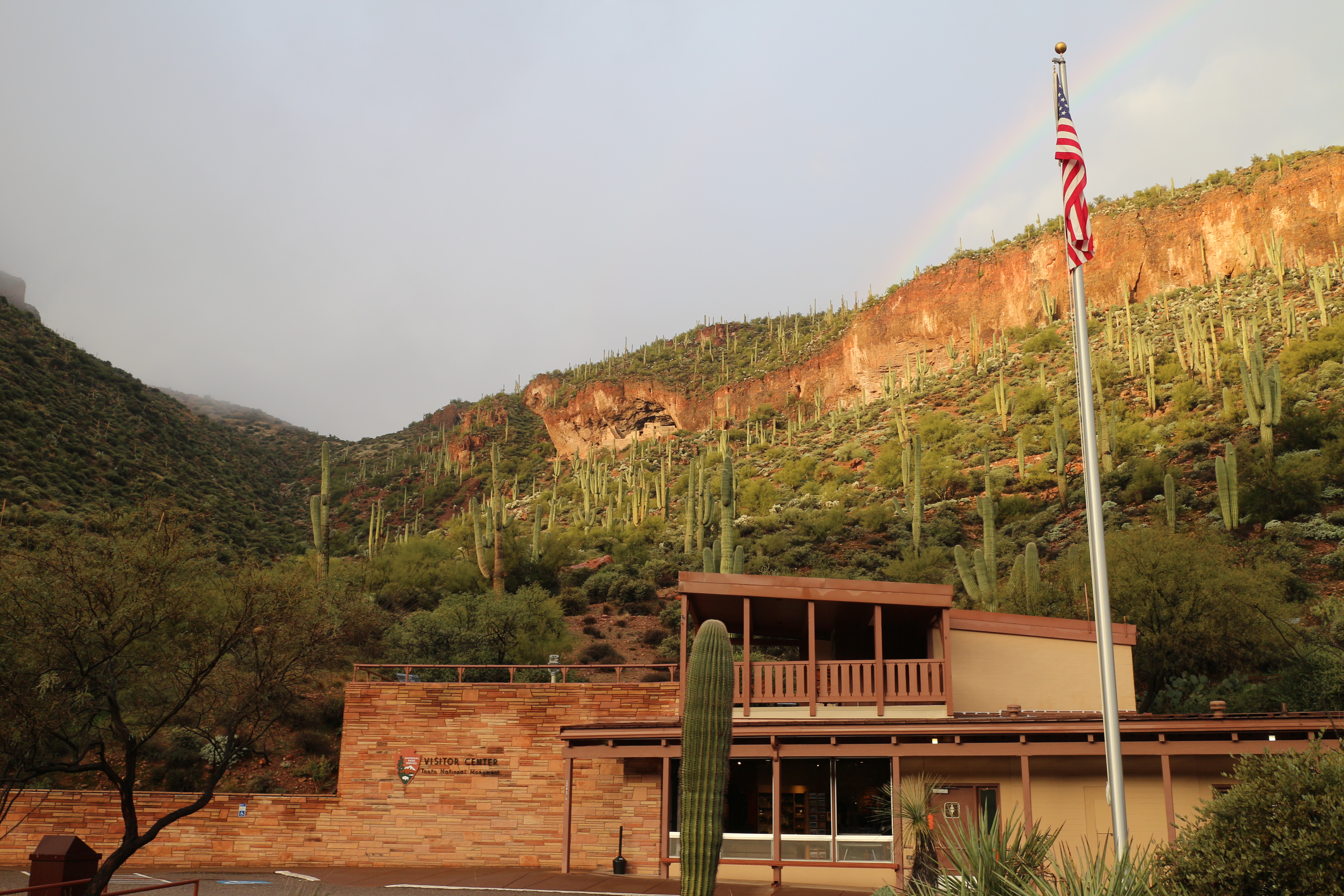
cliff dwelling in the spring with desert plants and wildflowers.Hillside with Saguaro CactusVisitor Center with cliff dwelling and a rainbow in the background.Two story rooms of the Upper Cliff Dwelling.
National MonumentAZ

Tonto National Monument

NPS / NPS Photo
61/ 100GOOD RANGE
parkverdict Experience ScoreIndependent, not sponsored

61 of 100. Our independent breadth-and-access index. How we score

Our take

Is Tonto National Monument worth your trip?

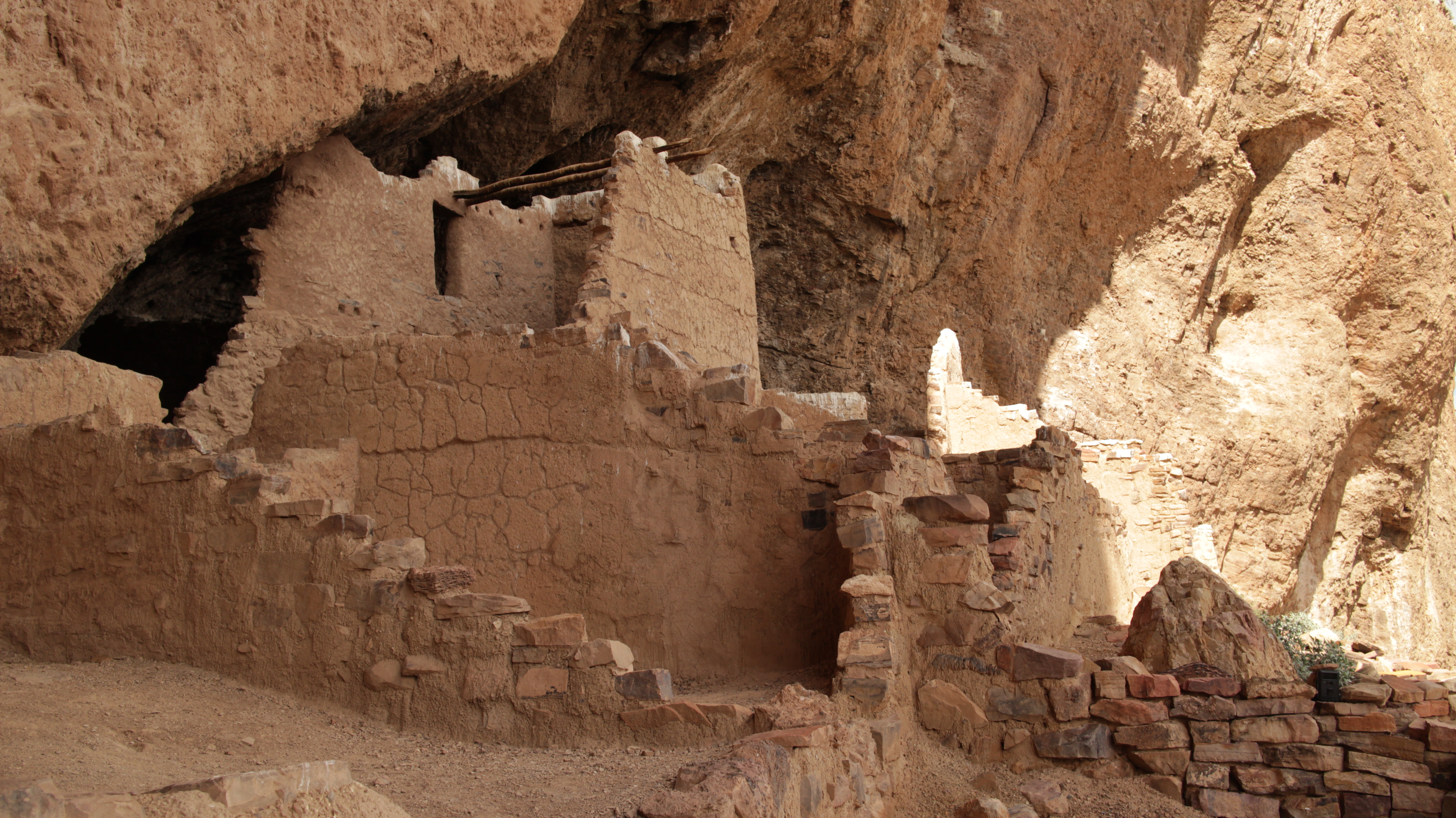
Tonto National Monument protects two Salado cliff dwellings that people built and lived in between roughly 1300 and 1450 CE, set into rocky hillsides above Roosevelt Lake in the Sonoran Desert.

This is a focused archaeological site, not a sprawling wilderness park. The visit revolves around a self-guided hike to the Lower Cliff Dwelling and ranger-led tours to the Upper Cliff Dwelling, plus museum exhibits and a park film that give the Salado culture real context rather than just a placard. At 61 on our experience scale, the breadth is genuinely limited, and there is no pretending otherwise. But what is here is specific and well-presented. If you care about pre-Columbian Southwest archaeology, or just want a manageable desert hiking day with actual historical substance at the end of it, this place holds up. If dramatic scenery, long trail networks, or wildlife watching are what you came for, you will hit those limits fast. Free entrance at least means a short visit costs you nothing but the drive.

Why go

Start at the visitor center. The exhibits and a short film cover enough Salado culture that the outdoor sites feel like history rather than backdrop. From there, the trail to the Lower Cliff Dwelling leads you straight to masonry rooms that have stood for 700 years inside a natural cave carved into the cliff. Ranger-led tours of the Upper Cliff Dwelling run October through May, getting you closer to the rooms with the kind of interpretation that actually changes what you notice. Down by the lake, picnic areas give you a natural reason to slow down before moving on. The scenic roads into the monument are good for road biking if you want something harder than a walk. Families can pick up a Junior Ranger booklet at the visitor center, which gives kids a structured way to actually engage with the archaeology instead of just wandering past it.

Best for

Archaeology fans, Southwest history enthusiasts, families with curious kids, and road cyclists weaving a cultural stop into a scenic ride will find this place genuinely rewarding. If you came for backcountry trails or wildlife photography, a full day here will feel like too much. It fits better as one piece of a broader Roosevelt Lake itinerary than as the centerpiece of a multi-day trip.

Best season

Plan your trip between October and April. Summer temperatures run only about 10 degrees cooler than Phoenix, which turns the exposed hiking trail into a genuine grind by midday. Winter stays mild, though storms can leave roads hazardous. The Upper Cliff Dwelling guided tours run October 3rd through May 3rd, and that schedule alone is the strongest reason to visit during the cooler months.

The high points

  • Self-guided hike to the Lower Cliff Dwelling with direct views of intact Salado masonry rooms
  • Ranger-led Upper Cliff Dwelling tours available October through May for deeper access
  • Museum exhibits and park film covering the Salado cultural synthesis of local and immigrant groups
  • Picnicking with Roosevelt Lake views nearby
  • Junior Ranger Program offering structured archaeological engagement for kids
  • Free admission making a shorter focused visit a low-risk decision

Know before you go

Admission is free. The park is open 8 am to 4 pm every day of the year, with shorter hours on Christmas Eve and New Year's Eve, and full closures on Thanksgiving, Christmas, and New Year's Day. Upper Cliff Dwelling tours only run during certain seasons and sometimes need advance reservations, so check the NPS site before you go. Avoid the hiking trail on summer afternoons - the heat is no joke.

One more thingBook the Upper Cliff Dwelling guided tour as soon as you arrive, then build the rest of your day around it. The Lower Dwelling is open all day, but the Upper tour is what makes the difference between a visit you'll still think about years later and a pleasant afternoon that fades by the drive home.

How we scored it

Why Tonto National Monument scores 61

We keep the math boring on purpose. The same handful of public-data inputs, capped so none of them dominates, decide every score. What they measure is breadth and access, not beauty and not crowd levels. For Tonto National Monument, they shook out like this:

  • Activity breadth12 documented activities
  • Topic breadth6 topics
  • Official imagery5 public-domain images
  • Camping on sitenone recorded
  • Entry costfree

No number is hand-adjusted and no unit pays for placement. The full weights, the floor at 18 and a worked example are on how we score.

The honest limits

The honest blind spots

Read the score for what it is. It counts what a place documents and how reachable it is, and stops there. It will not tell you if a sunset floors you, if the crowds thin out by dusk, whether a washout closed your trail, or how a ranger tells the story. Plenty of quiet, focused spots score modestly and still win the weekend. Let the number rank what is on offer; let the verdict speak to the feel.

What you can do

Activities

BikingRoad BikingFoodPicnickingGuided ToursHikingFront-Country HikingJunior Ranger ProgramPark FilmMuseum ExhibitsShoppingBookstore and Park Store
Background

The short version

Two cliff dwellings sit along the northern edge of the Sonoran Desert, occupied between 1300 and 1450 CE. The people who lived there came from a mix of local and immigrant groups who shared the Tonto Basin, and over time they built a common culture that archaeologists call Salado. Descendants of those cliff dwellers still live in Arizona today.

On documented breadth and access, Tonto National Monument ranks 20th of 29 park and public-land units we score in Arizona.

What the seasons are like

Summer gets hot, but the area sits roughly 10 degrees Fahrenheit cooler than Phoenix, AZ. Winter brings its own problems, as roads leading to Tonto National Monument can turn hazardous. Severe thunderstorms may shut down hiking trails without much warning.

Common questions

Tonto National Monument: quick answers

Is Tonto National Monument worth visiting?

Tonto National Monument protects two Salado cliff dwellings that people built and lived in between roughly 1300 and 1450 CE, set into rocky hillsides above Roosevelt Lake in the Sonoran Desert.

Is Tonto National Monument free to visit?

It is free to get in.

What is Tonto National Monument best for?

It leans hardest toward hiking, good with kids, biking, guided tours, going by the 12 activities it actually documents.

When is the best time to visit Tonto National Monument?

Plan your trip between October and April.

How is the Experience Score for Tonto National Monument calculated?

The 61 comes straight from public data on how much the place documents and how easy it is to reach, things like activities, topics, photos, camping and whether entry is free. It says nothing about scenery or how busy it gets.