Should you visit Timucuan Ecological & Historic Preserve?
Timucuan Ecological and Historic Preserve offers genuine ecological diversity and two distinct historic sites across a sprawling, free-to-enter expanse on Florida's northeastern coast.
This is not a single-destination park with one marquee trail; it is a layered experience. Visitors could paddle a tidal creek, explore 19th-century plantation ruins, and observe shorebirds. The preserve protects one of the Atlantic Coast's last large unspoiled coastal wetland systems, enhancing wildlife watching and paddling opportunities. Fort Caroline contributes a French colonial military history angle, rare within the National Park System. The breadth here is legitimate, evidenced by an Experience Score of 88. The preserve is geographically dispersed. It rewards those who plan ahead and combine sites, rather than treating it as a single stop.
What makes it worth it
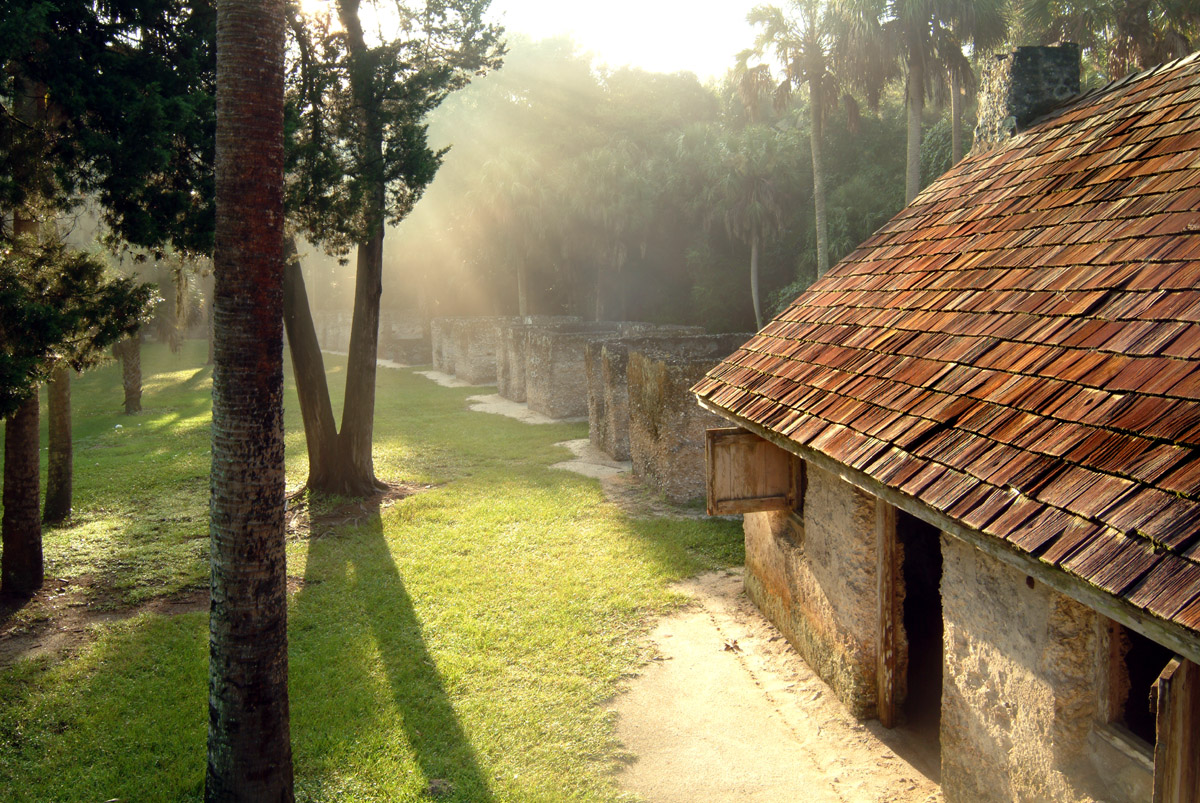
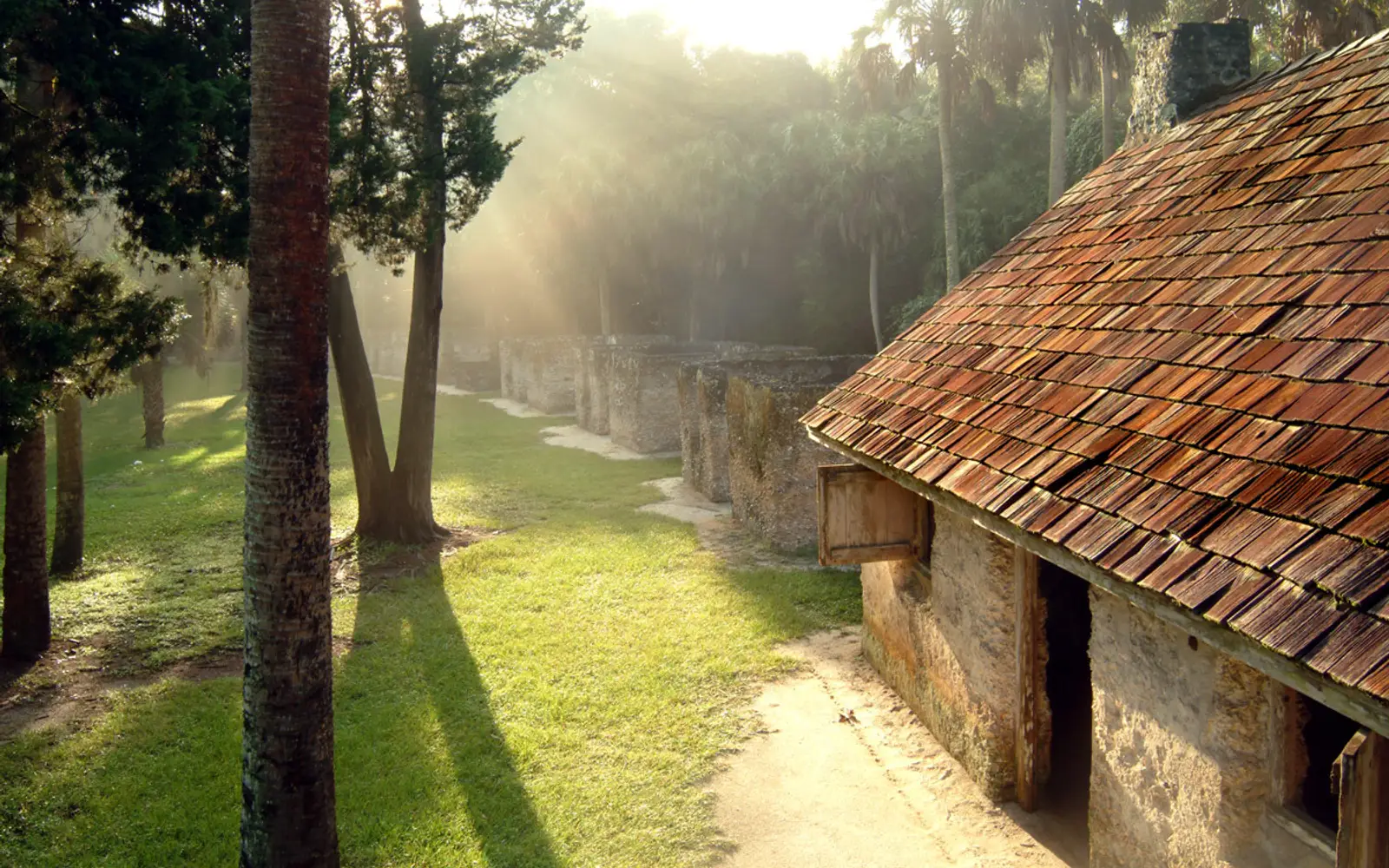
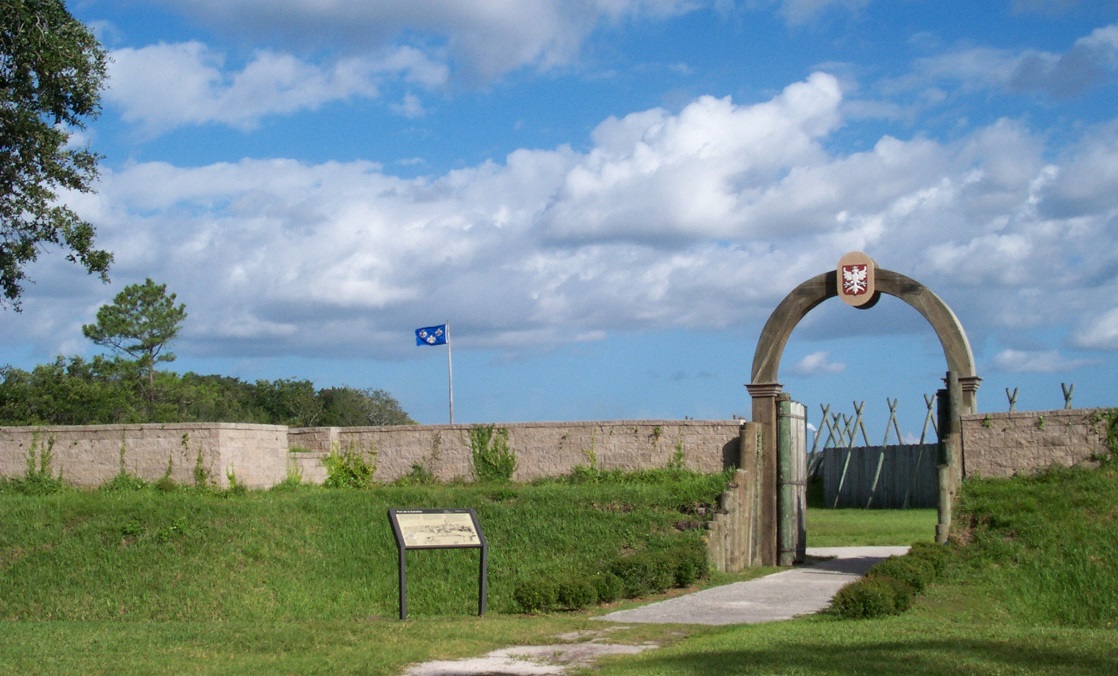
This preserve offers a genuinely varied experience. Paddling through salt marshes and tidal creeks provides year-round birdwatching opportunities. Scenic corridors connect the preserve's components, accessible by car or bicycle. Kingsley Plantation presents a sobering, worthwhile experience with living history and museum exhibits documenting the lives of enslaved people. Fort Caroline focuses on 16th-century French and Spanish conflict in Florida. The Junior Ranger program offers structured family engagement across sites. Picnicking, saltwater swimming, and fishing are all available. There is no entrance fee. For what it offers, this park provides significant breadth and accessibility.
Who should go
Best for families wanting a mix of outdoor and history, paddlers and birders drawn to coastal wetland habitat, and history enthusiasts interested in colonial-era Florida or plantation history. Less suited to visitors wanting a single iconic hike or a compact, walkable experience. If you are looking for dramatic elevation or backcountry wilderness, this is not your park.
When to go
For comfortable exploration, plan a visit between fall and early spring. Winter's mild highs in the 60s are ideal for paddling and walking. Migratory birds significantly enhance wildlife viewing from October to March. Summer brings oppressive heat, often in the 90s, high humidity, and biting insects, rendering outdoor activity genuinely uncomfortable. Early morning excursions offer a narrow window of relief during these months. Be aware that hurricane season spans June through November.
Highlights
- Kayaking and canoeing through tidal salt marshes in one of the Atlantic Coast's last large unspoiled coastal wetland systems
- Kingsley Plantation, with living history programming and exhibits on antebellum plantation life and the enslaved community who lived and worked there
- Fort Caroline, a rare NPS site interpreting 16th-century French colonial history and Spanish conflict in Florida
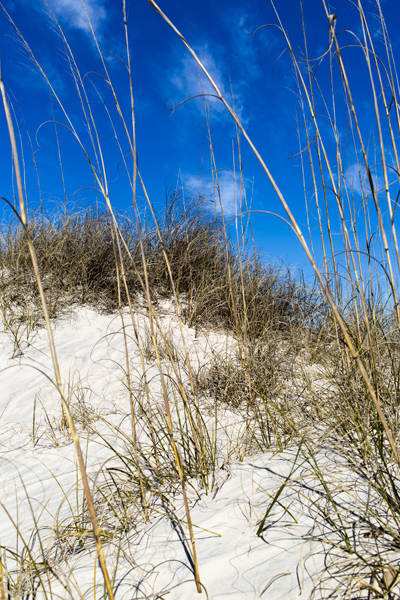
- Birdwatching across coastal dunes, hardwood hammocks, and salt marsh habitat
- Free admission across all sites, making a full multi-stop day genuinely accessible
- Stand-up paddleboarding and saltwater swimming options alongside more structured historic and guided tour programming
Plan ahead
This preserve presents a mixed bag for prospective visitors. The lack of an admission fee is a welcome point of access. However, planning is essential. Fort Caroline and Kingsley Plantation, two major historical components, operate on a Wednesday through Sunday schedule, closing entirely on Monday and Tuesday. This limited access window demands careful itinerary crafting. Furthermore, the preserve's dispersed geography necessitates a personal vehicle for anyone hoping to experience its breadth. Casual sightseers should look elsewhere. For those prepared to navigate its scattered offerings and specific operating hours, opportunities for exploration exist. Remember to confirm headquarters hours for permit or planning needs; these can differ.
Editor's tipPaddlers should consult preserve headquarters before any visit for current guidance on put-in locations and tidal timing. The shallow tidal creeks here change significantly with the tide. Getting that timing right is critical for a successful outing.