Should you visit Big Cypress National Preserve?
Big Cypress National Preserve spans 729,000 acres of subtropical wilderness in South Florida.
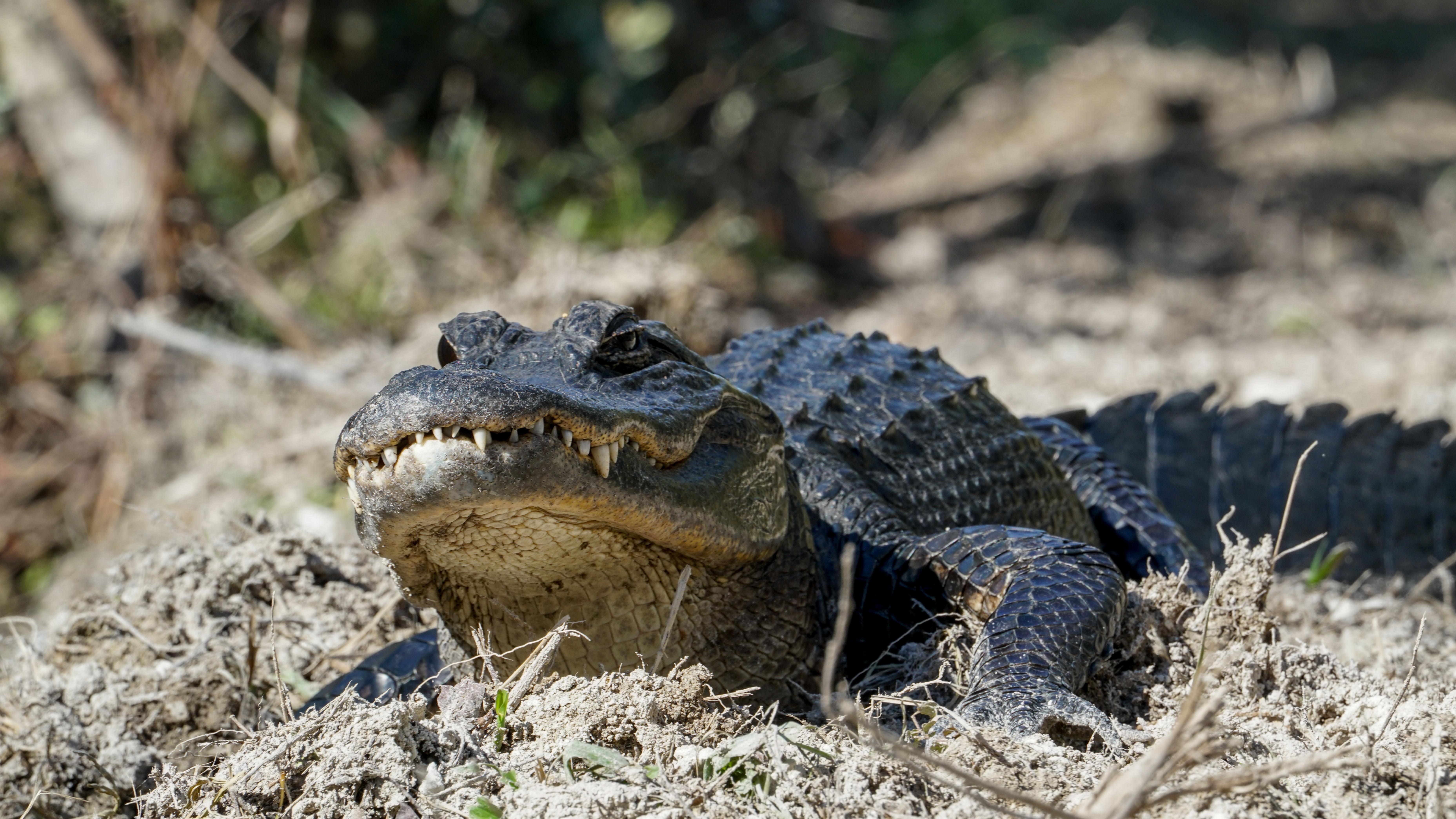
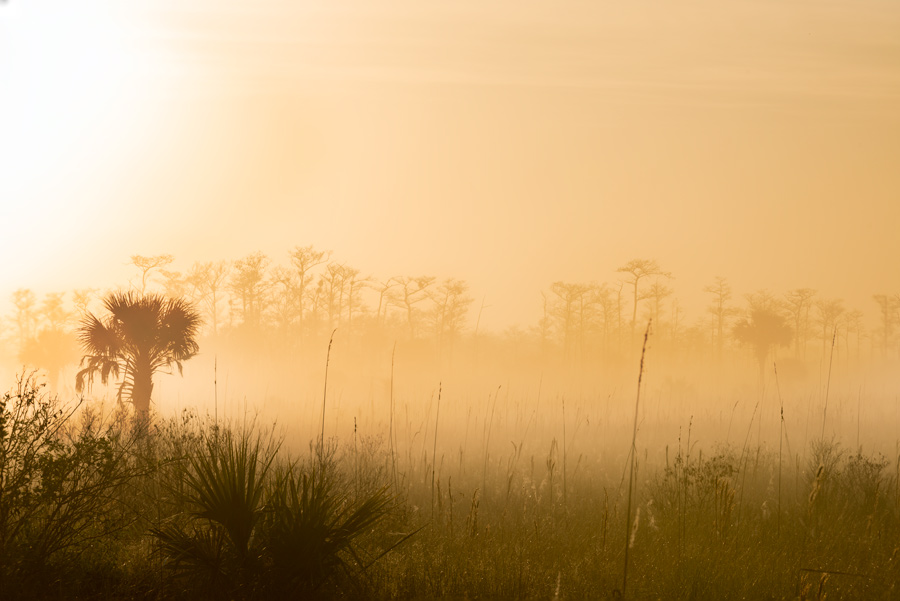
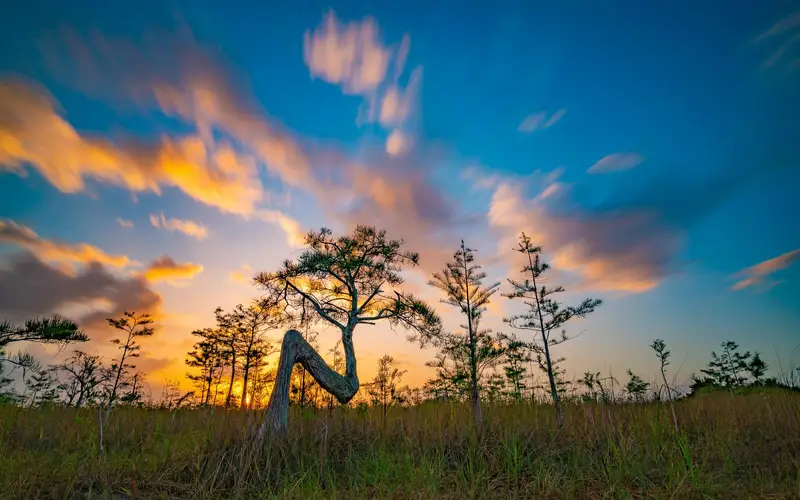
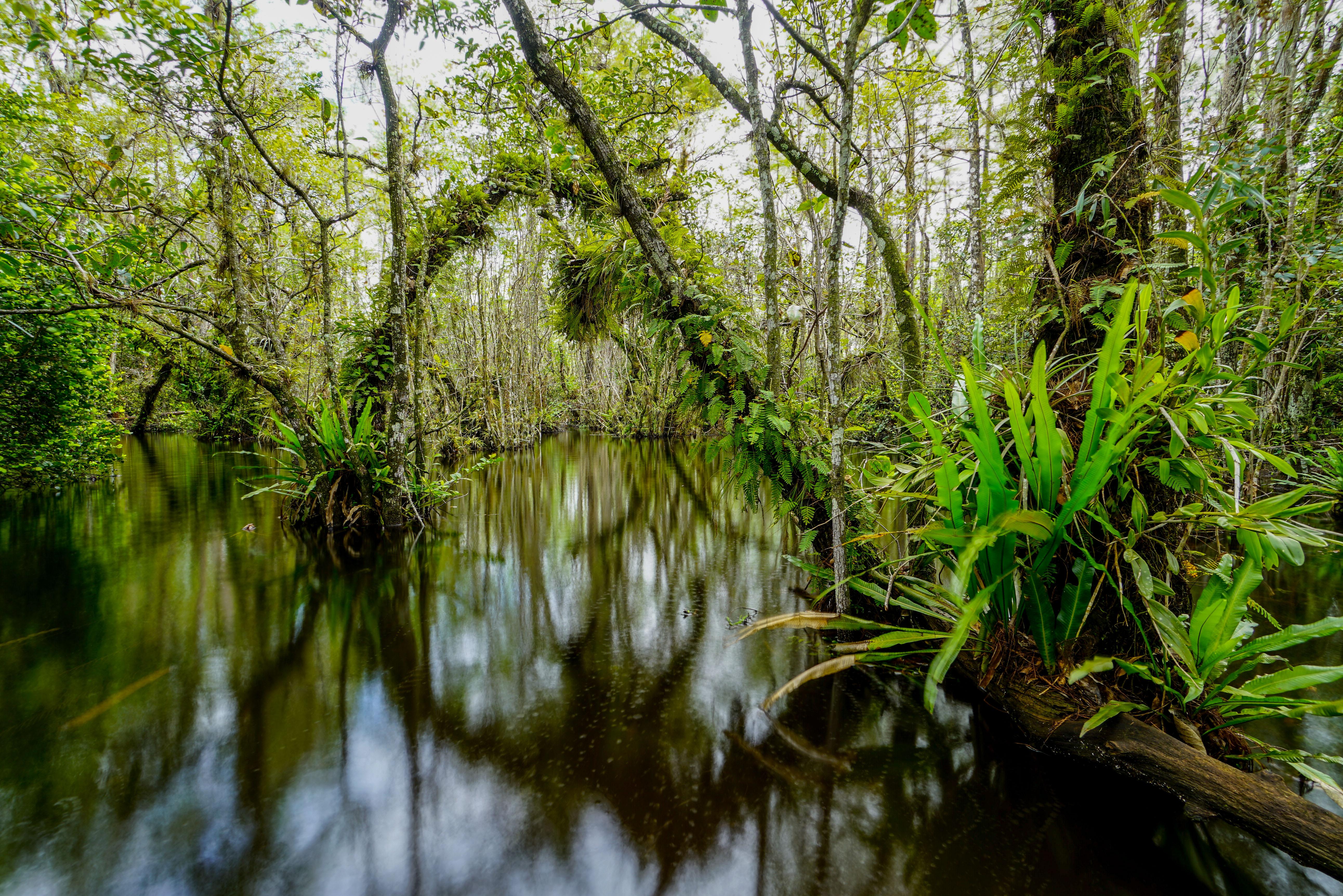
This unit offers no grand overlooks or iconic geologic features. The experience here is immersive and elemental: cypress strands, sawgrass prairies, alligators in roadside sloughs. It features some of the darkest skies in the eastern United States. Entry is free, and the preserve remains open around the clock. The scale is genuinely enormous. Documented activities are exceptionally broad, encompassing backcountry camping, kayaking, ATV off-roading, and hunting. This reflects the preserve's mandate for diverse recreational and extractive uses, unlike many national parks. For visitors seeking this specific type of engagement, Big Cypress is a revelatory place. Those expecting groomed trails and extensive interpretive signage will find it formless. Understand its character; it delivers on that promise.
What makes it worth it
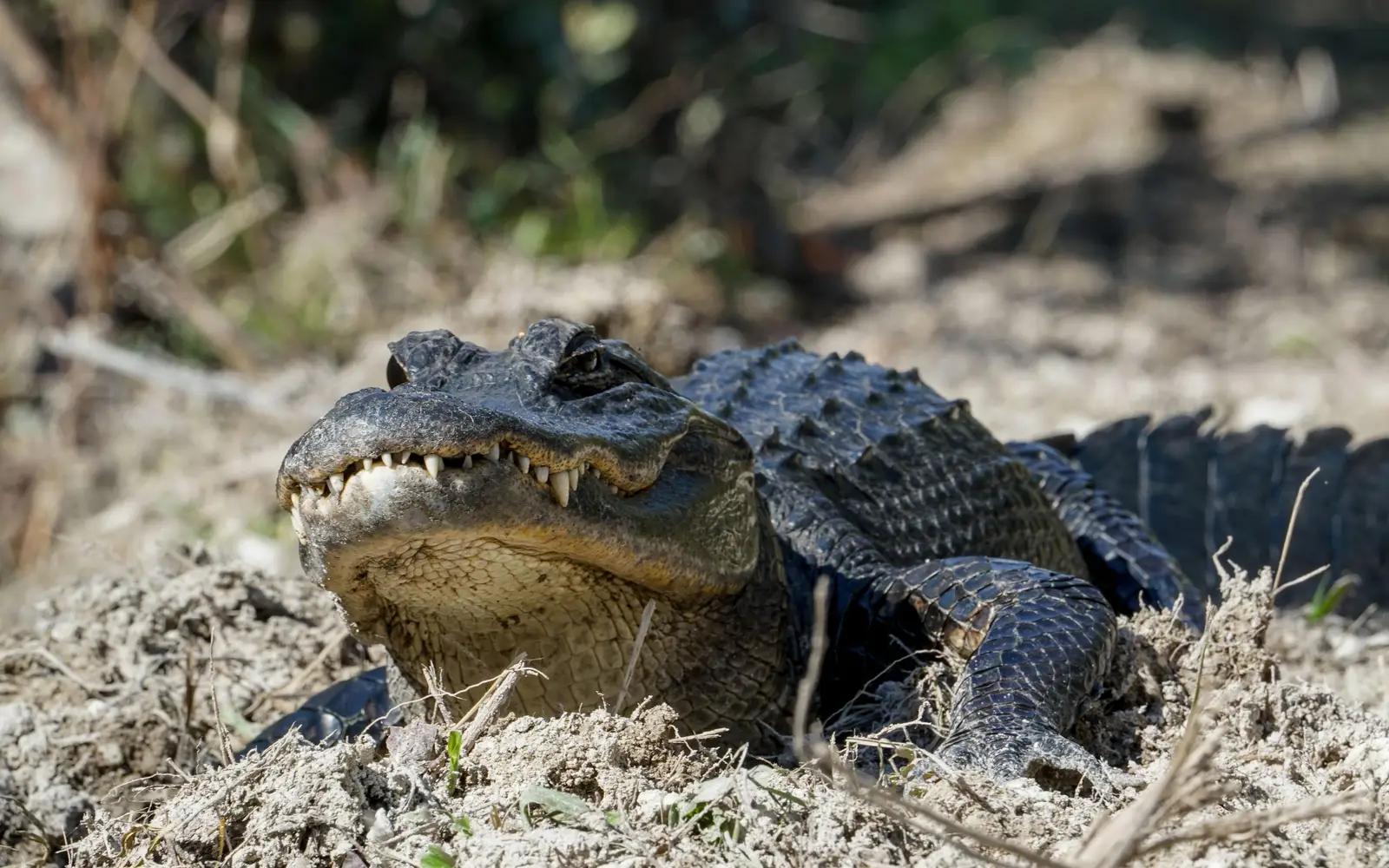
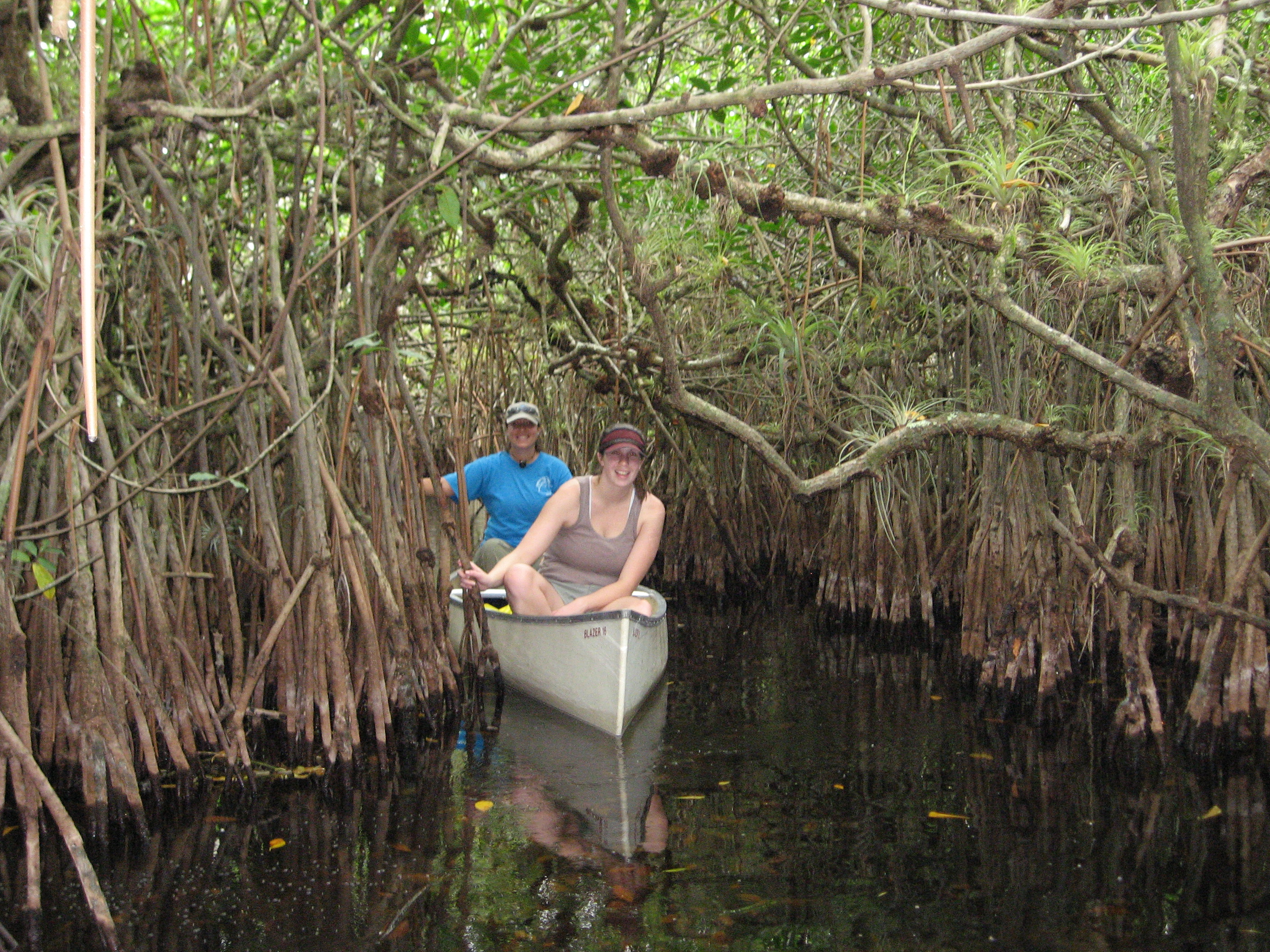
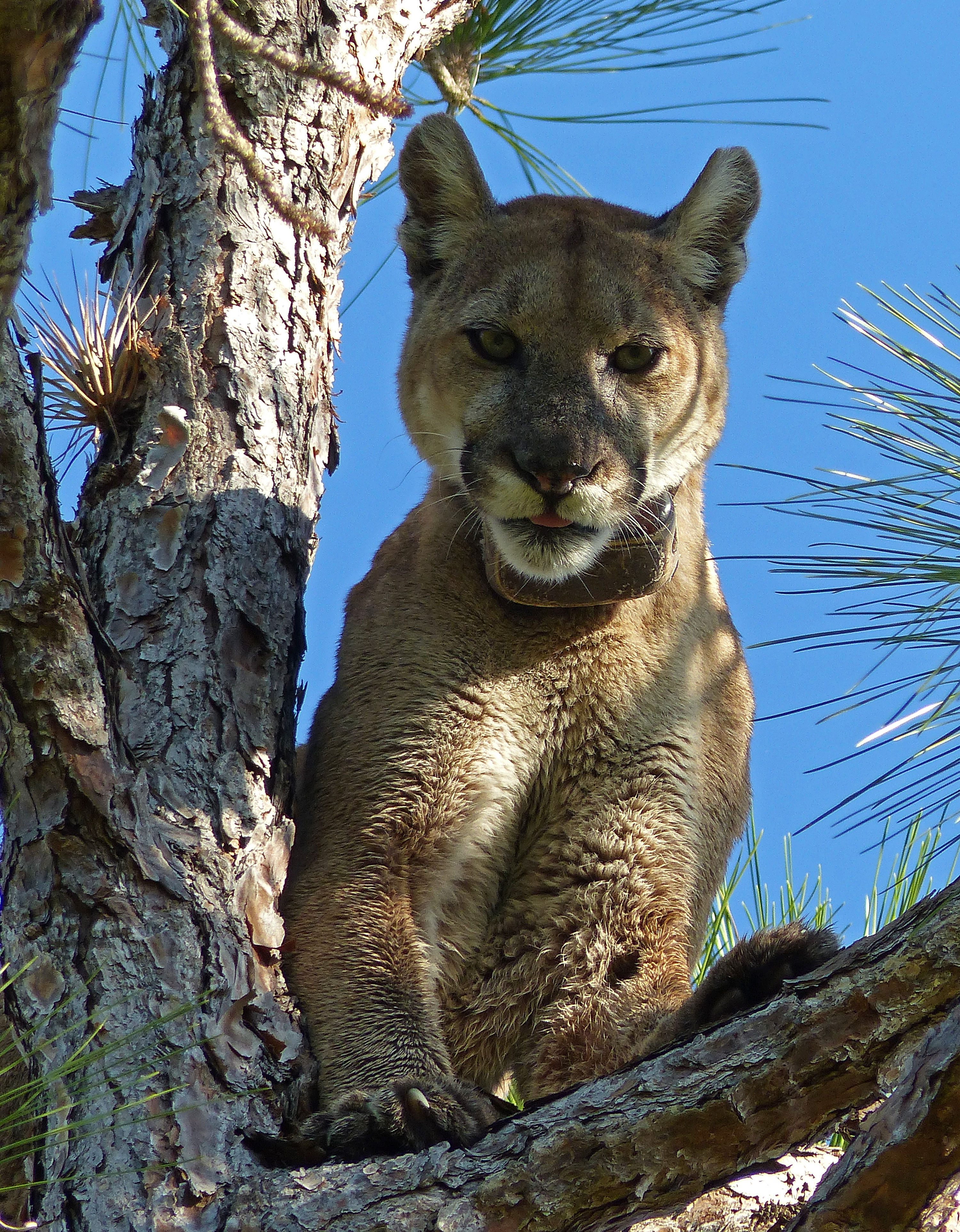
This preserve excels as an uncrowded, self-directed destination. Its 24-hour, free access allows for flexible itineraries, avoiding the bottlenecks found at more popular parks. Early mornings are best for wildlife viewing along the Tamiami Trail, with opportunities to spot wading birds, alligators, and the elusive Florida panther. The preserve offers extensive canoeing and kayaking through cypress swamps. Backcountry hiking is available in wet prairie and dome swamp environments. Remote camping is a key draw here, offering significant solitude. Stargazing is exceptional, with minimal light pollution. Guided boat tours provide valuable context for visitors unfamiliar with the ecosystem. This is a park for independent explorers.
Who should go
This is a destination for the self-sufficient. Its appeal centers on a large, undeveloped wilderness ideal for specific pursuits: wildlife watching, paddling, backcountry camping, and hunting. Serious stargazers will find minimal light pollution an advantage. The minimal fees and sparse crowds further enhance its draw for these groups. Families prioritizing hands-on outdoor exploration will also find genuine value. However, those seeking extensive maintained trails, dramatic vistas, or standard park amenities will likely be disappointed. Casual sightseers should look elsewhere.
When to go
Optimal visiting conditions prevail from November to April. This dry season offers bearable mosquito levels and concentrated wildlife viewing opportunities as water recedes. Temperatures remain pleasant, in the 60s and 70s. Conversely, the rainy season, May through October, brings daily thunderstorms, high humidity, and significant mosquito presence. Trails often flood, complicating backcountry access.
Highlights
- Roadside wildlife watching along the Tamiami Trail, especially for wading birds and alligators during dry season
- Kayaking and canoeing through cypress strands and interior waterways
- Backcountry camping in one of the largest undeveloped preserves in the eastern US
- Exceptional dark-sky stargazing with minimal light pollution
- ATV and off-road vehicle access on designated areas, a rare NPS-sanctioned activity
- Free, 24-hour access to over 729,000 acres with no entrance fee
Plan ahead
Entry to the preserve is free, and access remains open at all hours. The Oasis Visitor Center on US 41 serves as a functional starting point for maps and general orientation. For camping beyond established sites, backcountry permits are mandatory. Cell service is unreliable across the majority of the preserve; offline maps are therefore essential. From May through October, insect repellent is a necessity.
Editor's tipFor wildlife viewing, time is critical. The Tamiami Trail drive is best in January or February mornings. Dry-season water levels are lowest then, concentrating animals in roadside sloughs. This allows extensive viewing from your car before the day warms.