Is Biscayne National Park worth your trip?
Biscayne National Park, remarkably, reports 95 percent of its area as submerged or open water.
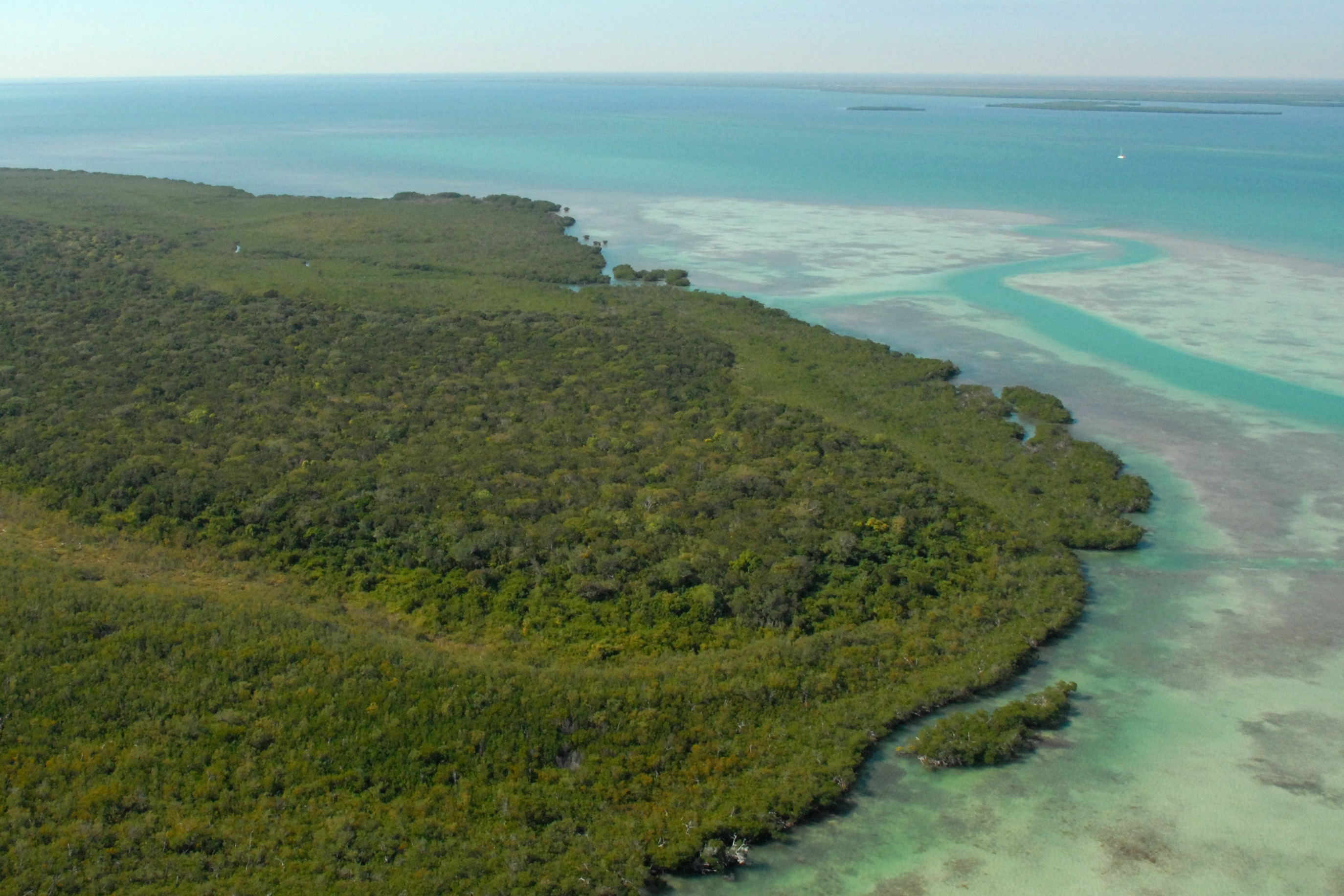
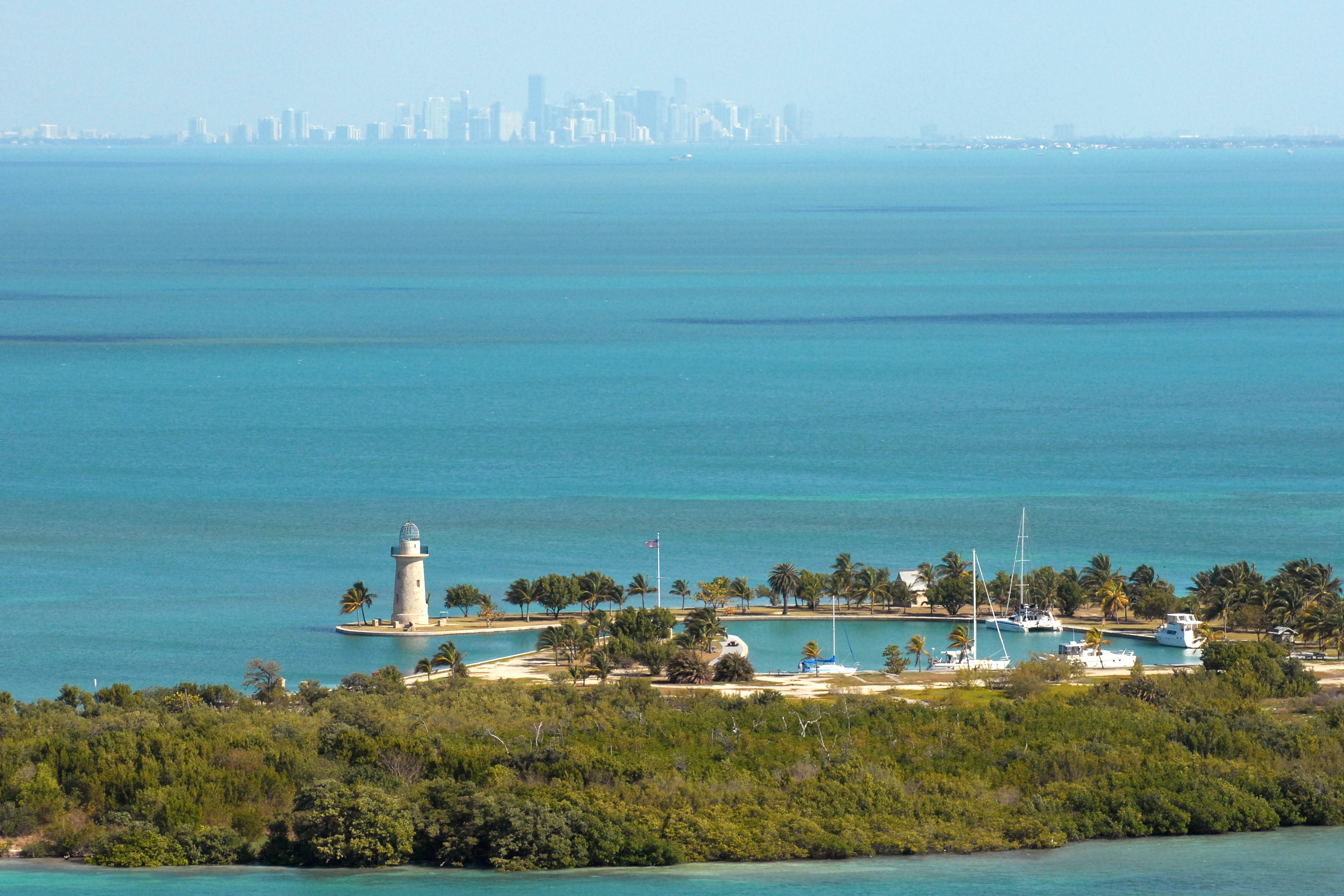
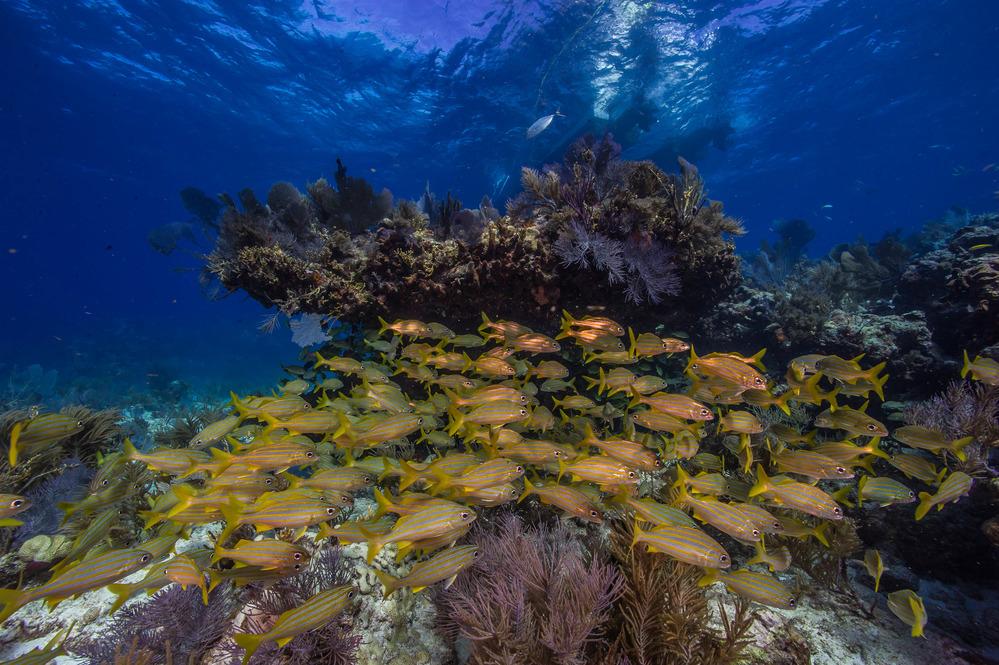
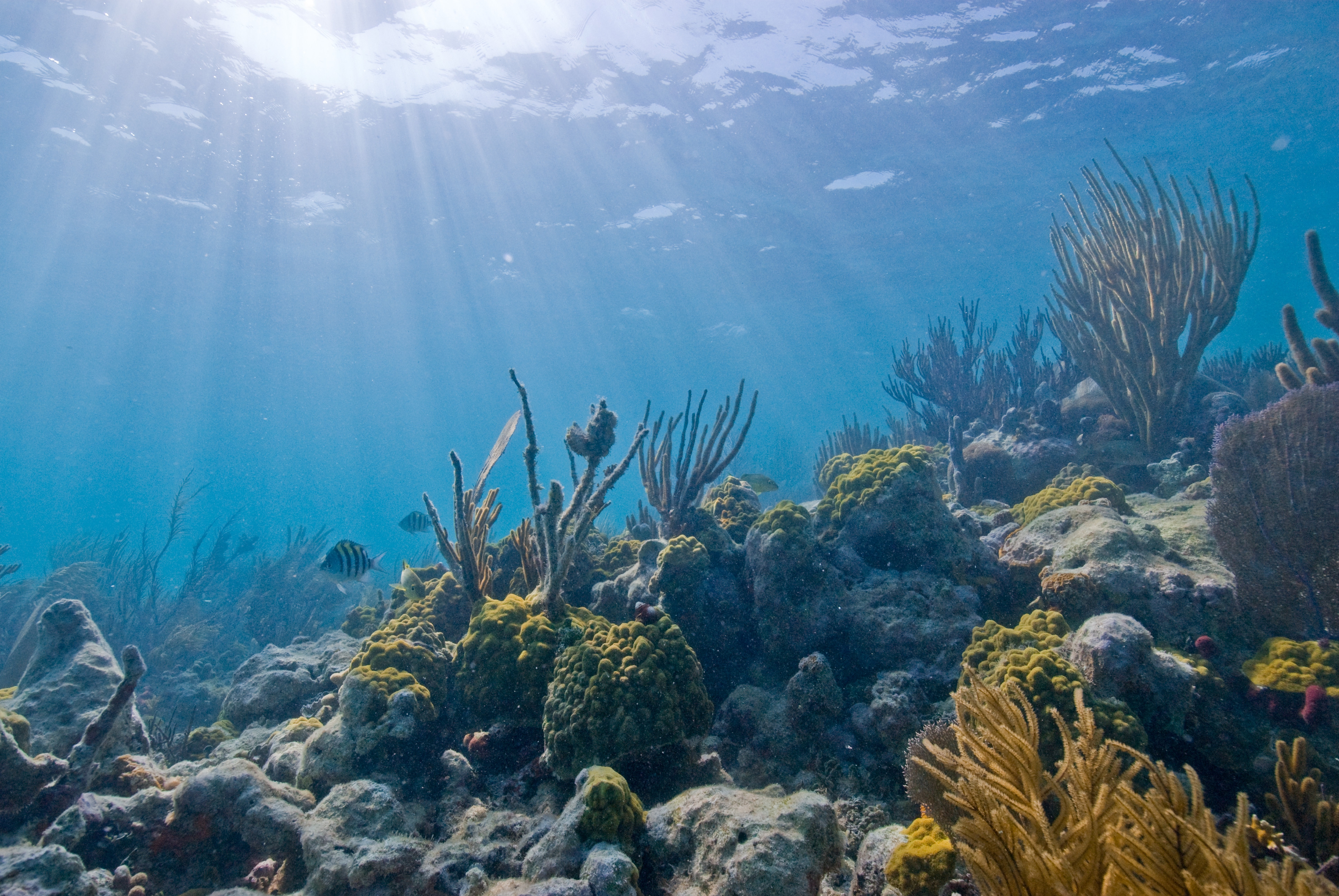
This fundamentally aquatic park, located near Miami, offers a remote experience. For those seeking traditional trails and overlooks, options are minimal. The park excels for visitors arriving by boat, kayak, or guided tour, revealing a functioning coral reef ecosystem, clear subtropical waters, and mangrove-fringed barrier islands with abundant birdlife. Entry to the park is free. Divers, snorkelers, paddlers, and anglers will find this destination exceptional. The Dante Fascell Visitor Center provides limited land-based interest. This park primarily rewards those prepared for water immersion.
Why go
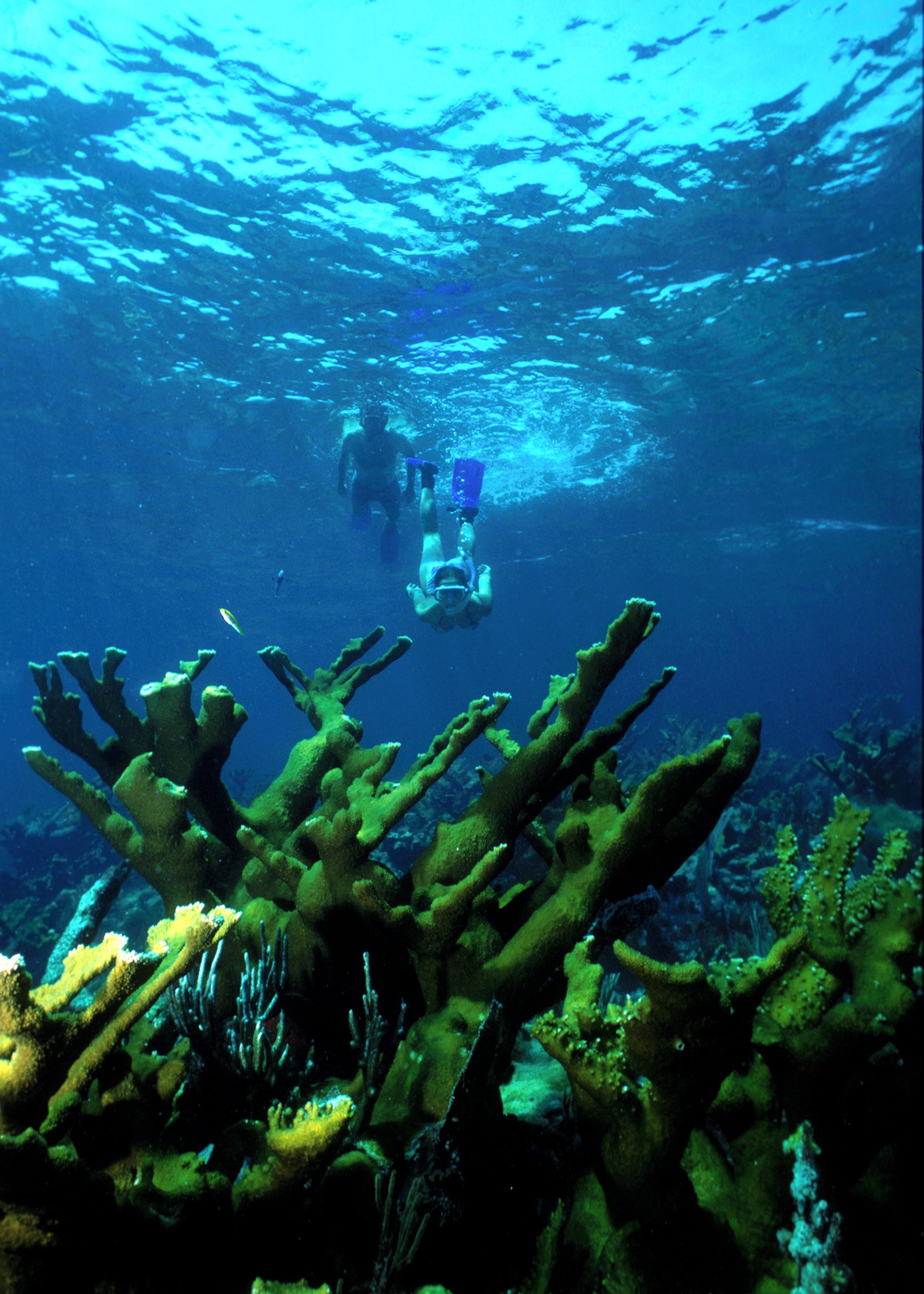
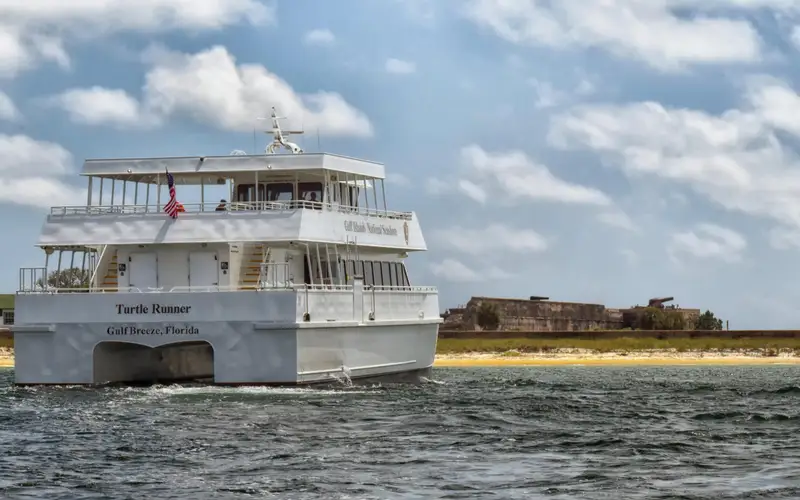
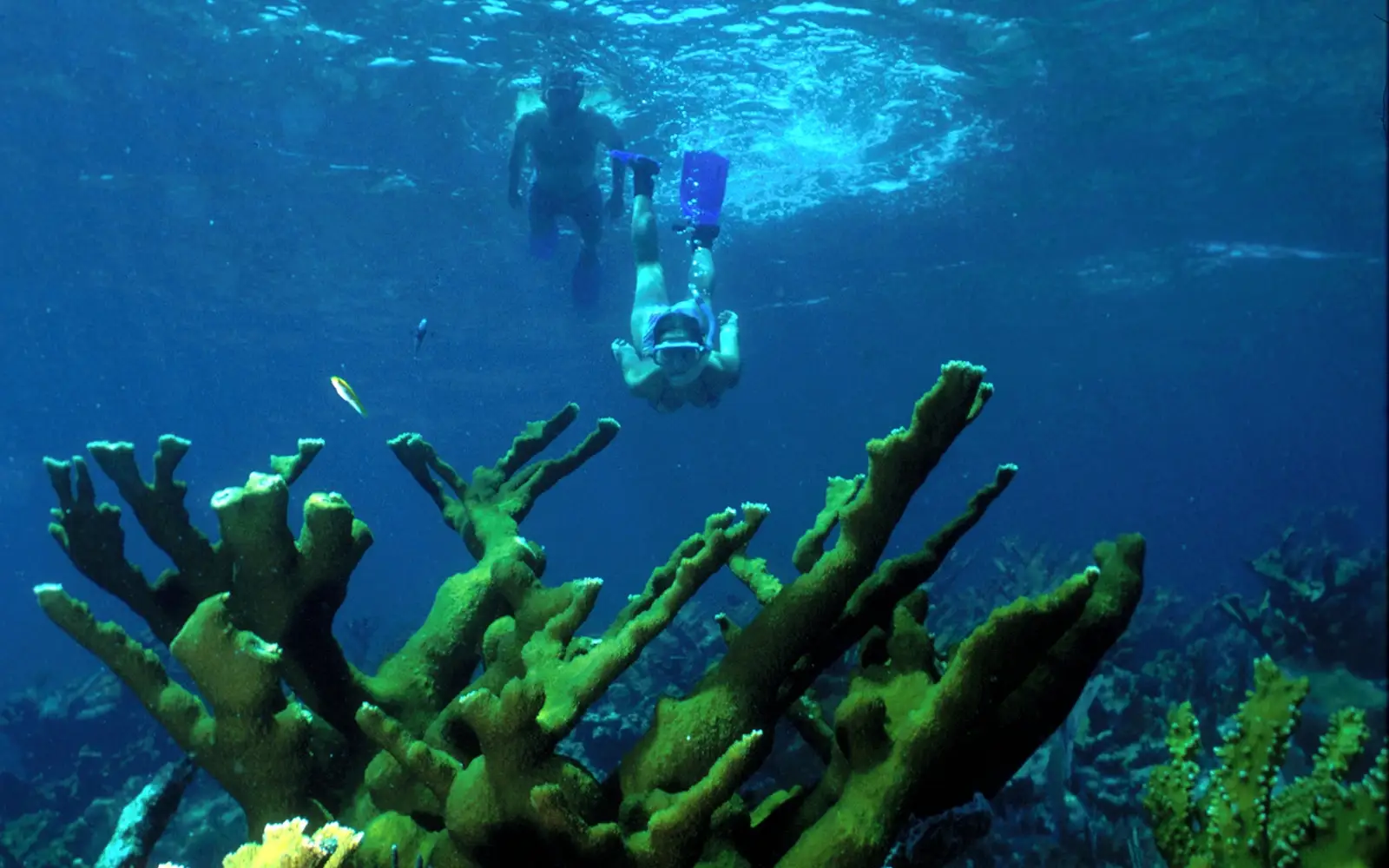
Biscayne provides a distinctive aquatic experience. A boat tour from the Dante Fascell Visitor Center at Convoy Point offers immediate water access. From there, the park opens to snorkeling over living coral reefs, fishing the saltwater flats, or paddling kayaks and canoes through mangrove shorelines. Campers can access barrier islands for isolated overnight stays. This proximity to a major metropolitan area makes such solitude extraordinary. Divers find documented shipwrecks and reef structures to explore. Birdwatchers will note productive islands and shorelines, particularly during migration periods. With free admission and guided access, this subtropical ecosystem offers a high-value day on the water.
Best for
Biscayne National Park caters primarily to water-based recreation. Divers, snorkelers, kayakers, anglers, and boaters will find full value in its offerings. The Junior Ranger Program and various boat tours provide engaging experiences for families with children comfortable on the water. However, visitors seeking extensive hiking, scenic drives, or dry-land exploration will find limited options. Those preferences are better served by other destinations.
Best season
The ideal time to visit extends from November through April. During these months, temperatures remain a comfortable mid-60s to low 80s Fahrenheit, with notably lower humidity. Afternoon thunderstorms, a summer staple, are infrequent. Summer, conversely, brings hot, humid conditions and almost daily afternoon lightning, often interrupting water-based recreation. Mosquito populations on the islands see their peak in summer. Fall, through November, also carries the elevated risk of hurricane activity.
The high points
- Snorkeling and SCUBA diving on a living coral reef accessible by boat tour or private vessel
- Kayaking and canoeing along mangrove shorelines launched directly from the Convoy Point ramp
- Overnight island camping on the barrier islands, reachable only by water
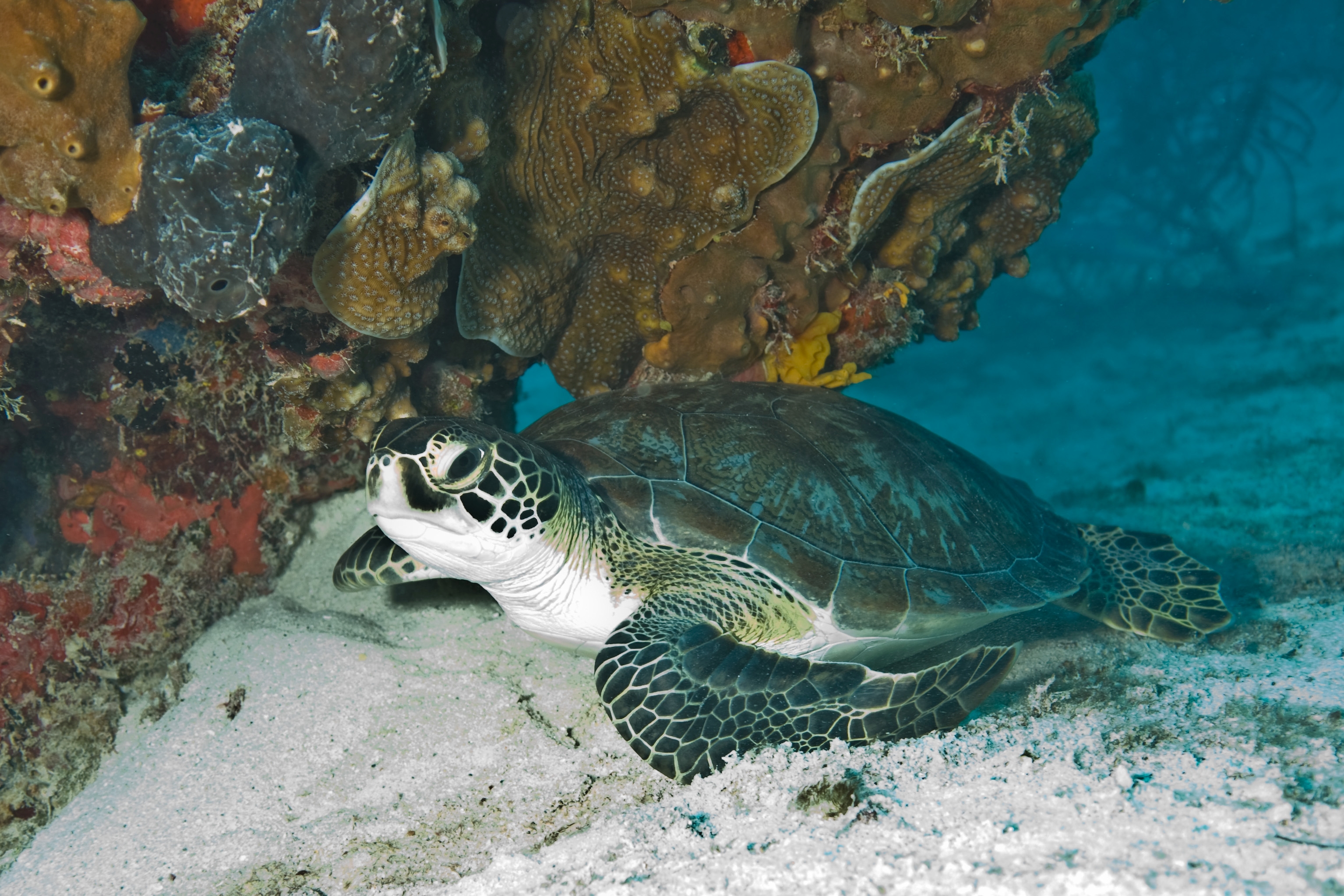
- Saltwater fishing in one of South Florida's most productive and protected marine environments
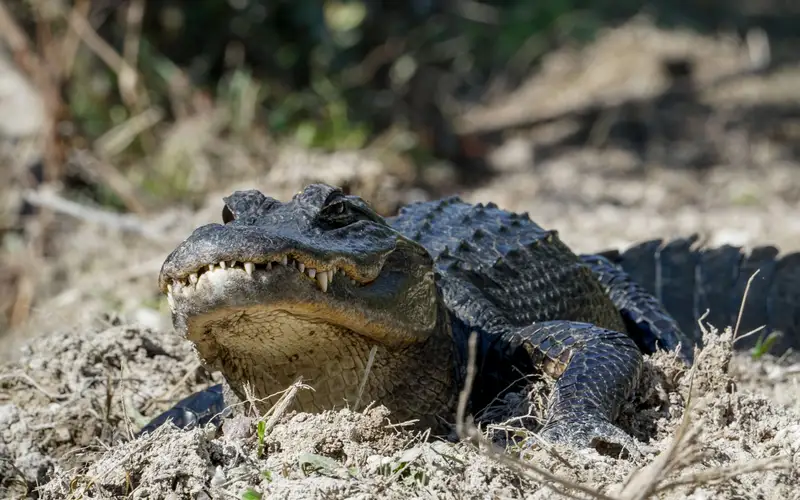
- Birdwatching and wildlife watching along the jetty trail and from the water
- Free admission with ranger-guided boat tours available for visitors without their own boat
Know before you go
Entry to the park carries no fee. Reservations for boat tours through the park concessioner are, however, strongly recommended, particularly for winter weekends, and incur additional costs. For those with personal watercraft, the Convoy Point launch ramp offers the most practical access. Island camping requires sun protection, water, and insect repellent. Be aware that cell service on the islands is limited.
One more thingFor most visitors, boat access is the only realistic way to reach the reef and islands. Securing passage on a concessioner tour is therefore paramount. Walk-up availability is rarely an option, particularly on popular winter weekends. Early booking is essential.