Is Everglades National Park worth it?
Everglades National Park presents a unique proposition among national parks.
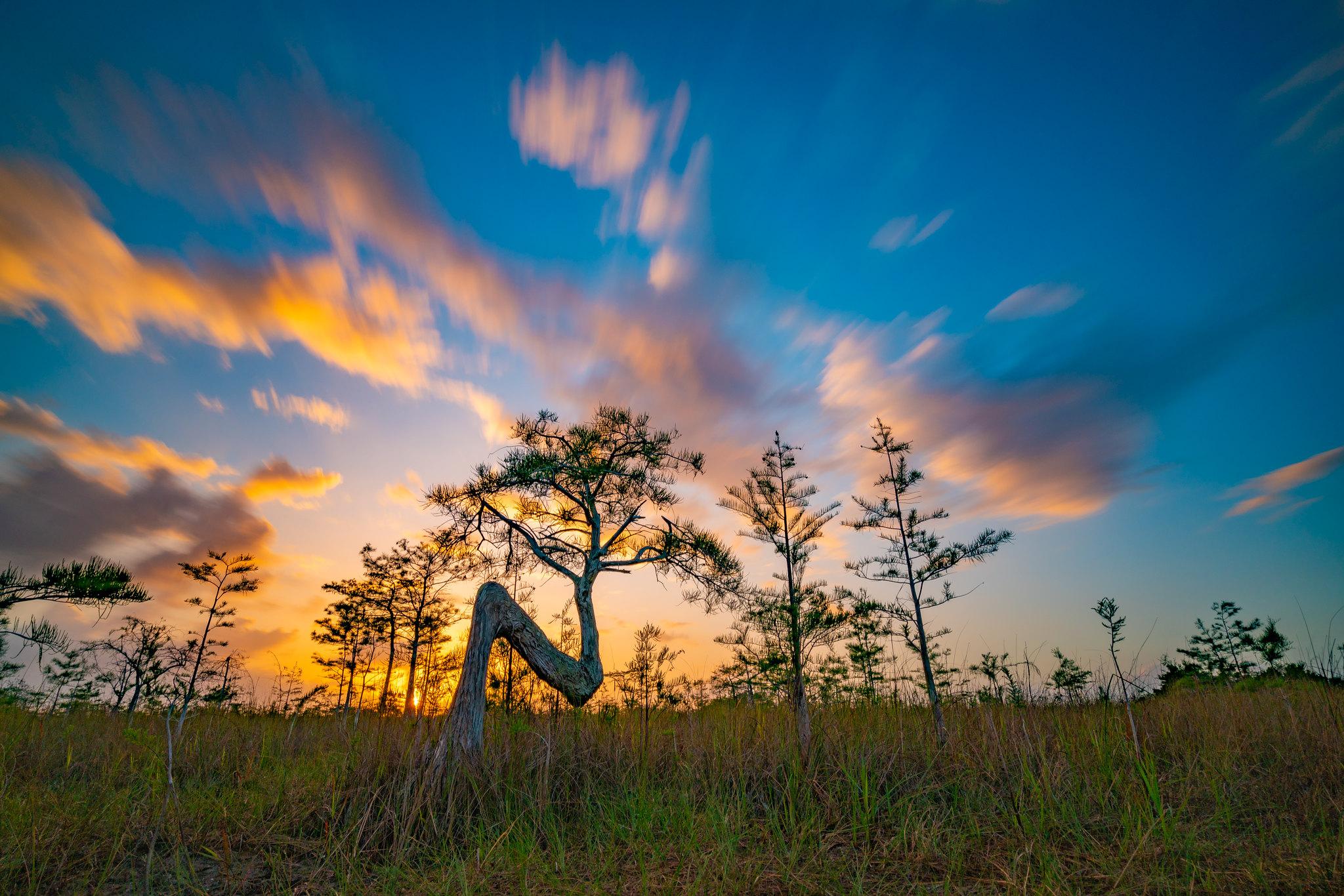
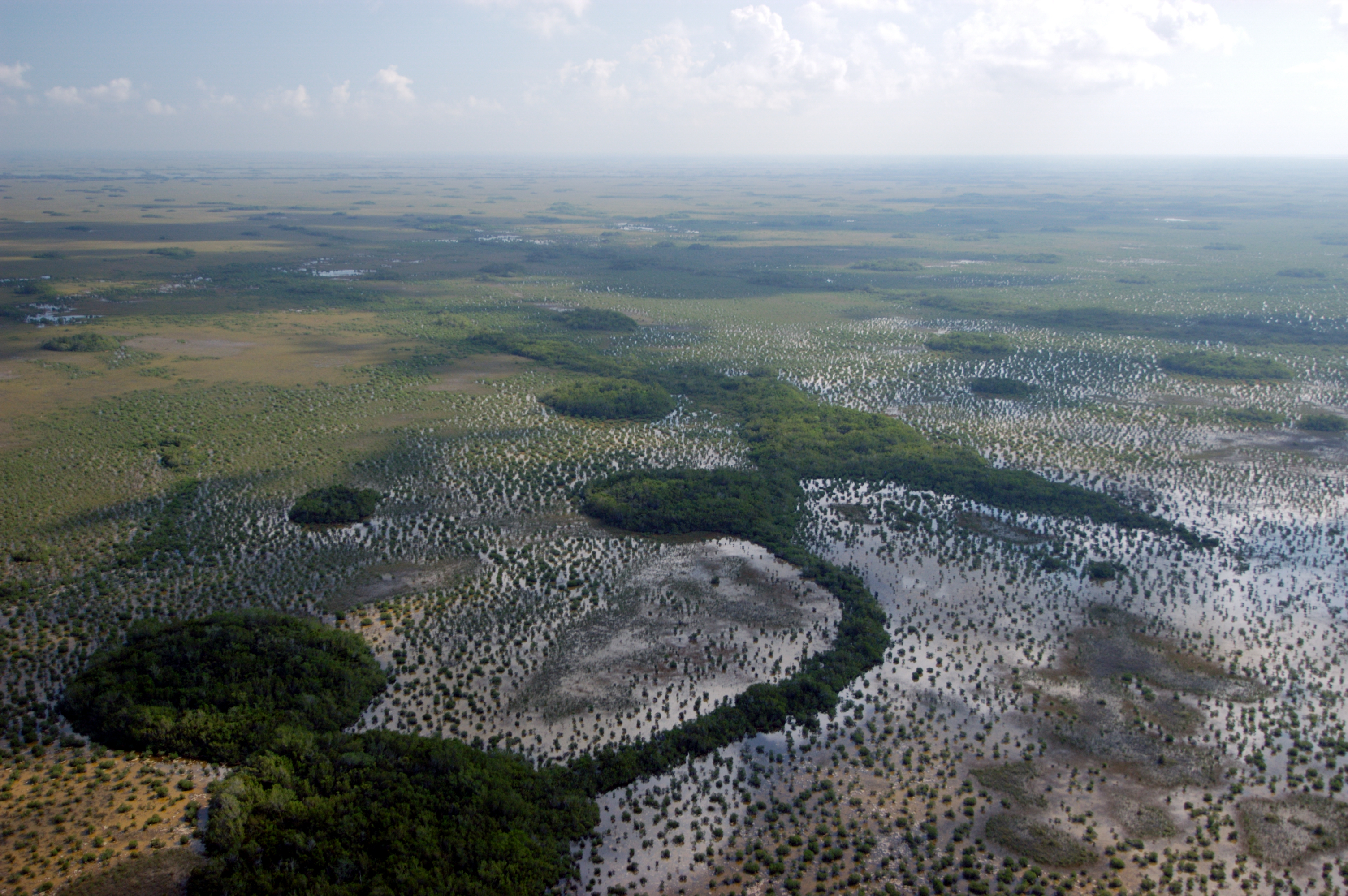
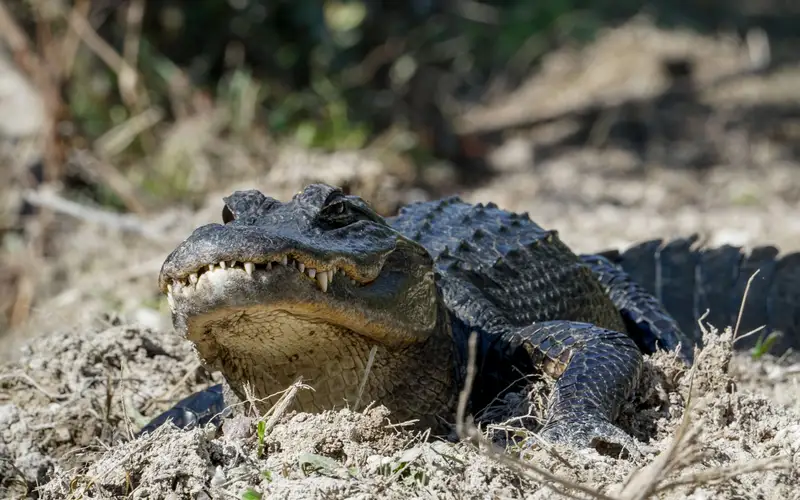
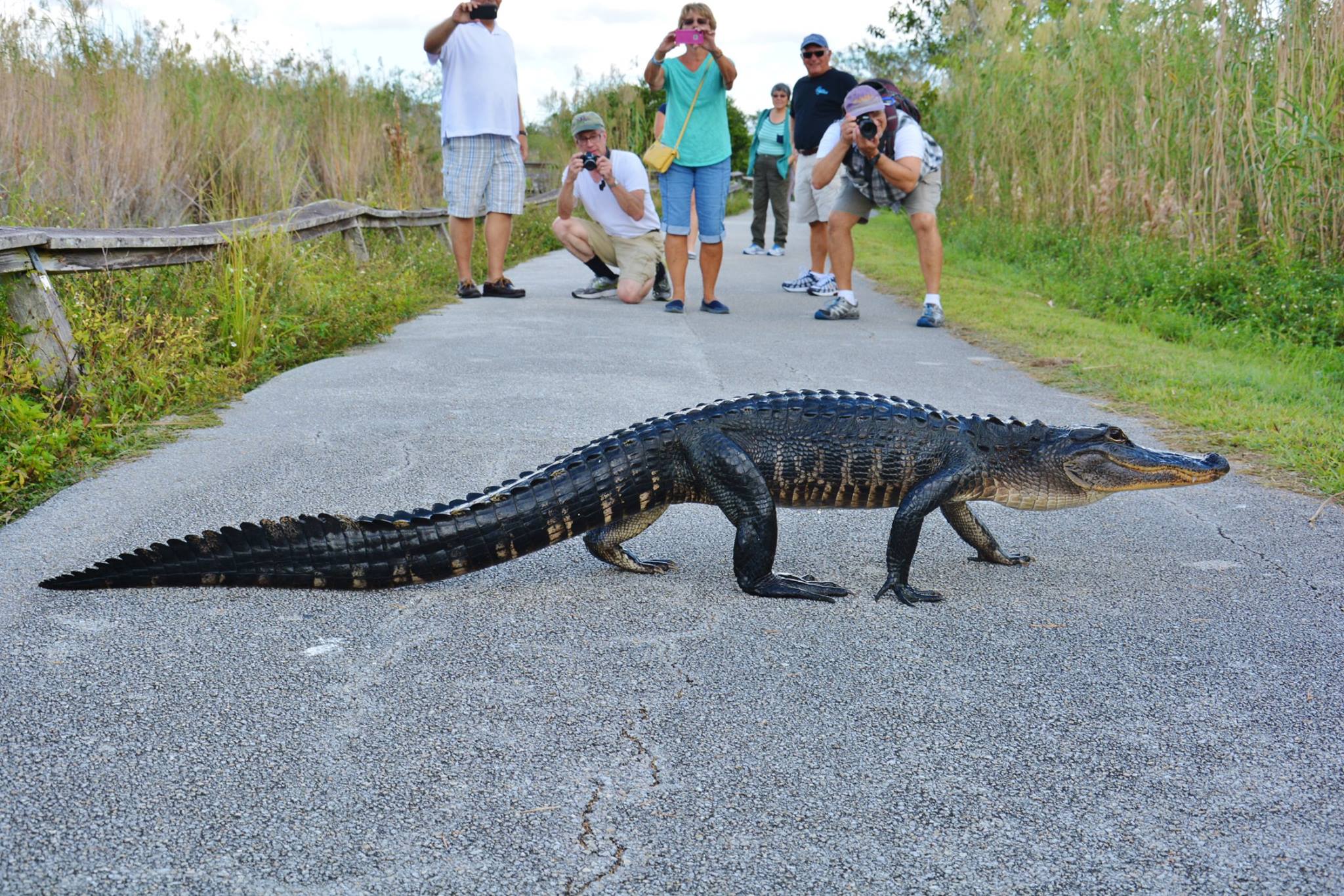
This 1.5 million acre mosaic of sawgrass prairie, mangrove coast, cypress forest, and open marine water functions as a living ecosystem, not a scenic vista. The drama here is biological. Alligators rest feet from the road. Roseate spoonbills wade in roadside channels. The backcountry offers genuinely dark night skies. The park rewards patience and curiosity. It is a place that reveals itself slowly. For serious wildlife watchers, paddlers, and birders, the Everglades offers an irreplaceable experience. Casual sightseers should look elsewhere.
The case for it
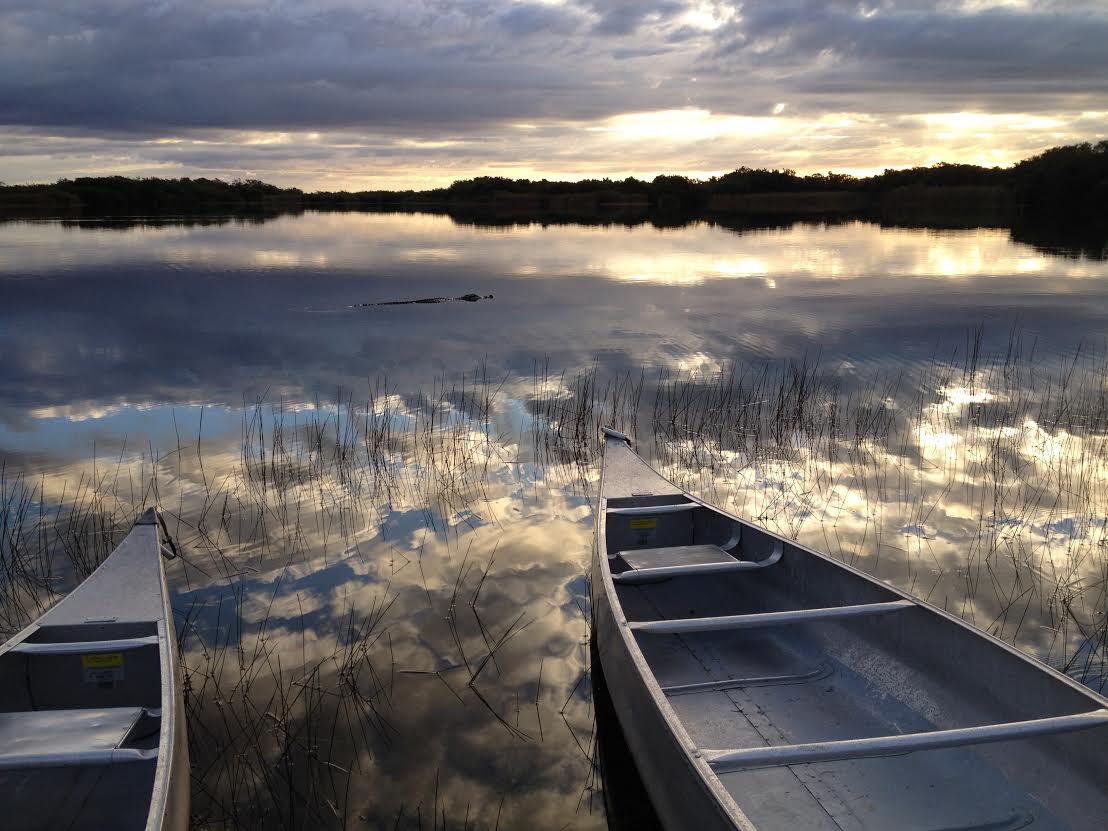
This park offers an experience unparalleled in the lower 48. Driving the main road provides world-class wildlife viewing; alligators and wading birds are visible at close range from pullouts. No hiking is required for these sightings. For deeper engagement, visitors can rent a canoe or kayak and explore the mangrove backcountry. The waterways here offer profound solitude. Fishing is excellent, with tidal flats yielding snook or tarpon, and freshwater sloughs providing bass. Ranger-led boat tours access areas otherwise unreachable. After dark, the lack of light pollution makes it a prime stargazing location in Florida. The park's dual identity, combining accessible front-country wildlife with wild backcountry paddling, suits both families and serious adventurers.
Who it is for
This park caters to specific interests. Birders, paddlers, anglers, and wildlife photographers will find ample opportunities. The Junior Ranger program and roadside wildlife viewing make it particularly strong for families with children. Backcountry campers can explore multi-day canoe routes. Those seeking mountain scenery, high elevations, or dramatic geology should look elsewhere; this park does not offer such features.
Best time to visit
Optimum visitation falls between December and April. This dry season concentrates wildlife around diminished water sources, increasing sighting reliability. Mosquito populations are also significantly lower. The wet season, mid-May through November, delivers intense heat, high humidity, and substantial mosquito pressure, rendering outdoor activity genuinely unpleasant. Though winter weekends see higher traffic, the improved conditions justify the increased company.
Worth seeing
- Roadside alligator and wading bird watching that requires zero hiking and delivers reliable, close-range sightings
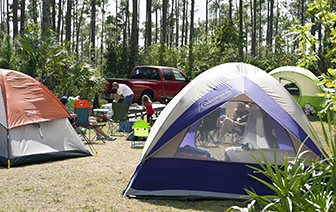
- Multi-day backcountry canoe and kayak camping routes through mangrove wilderness
- Both freshwater and saltwater fishing across one of Florida's most productive ecosystems
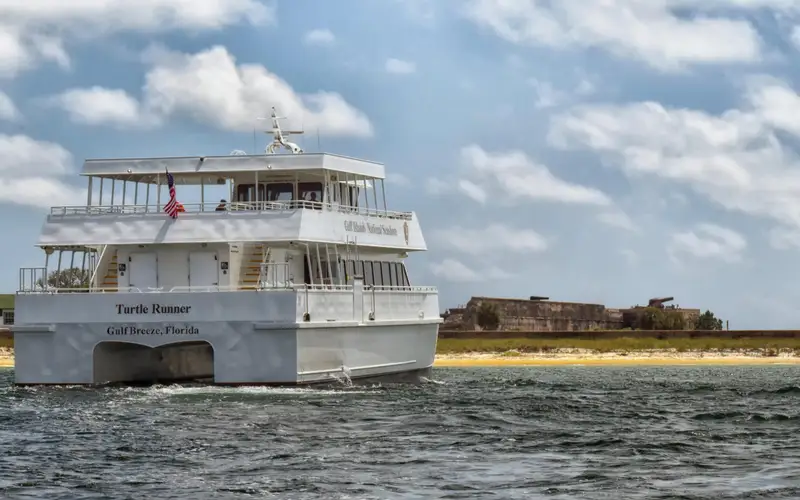
- Ranger-led and commercial boat tours reaching open bay and tidal habitats
- Dark-sky stargazing in one of South Florida's least light-polluted landscapes
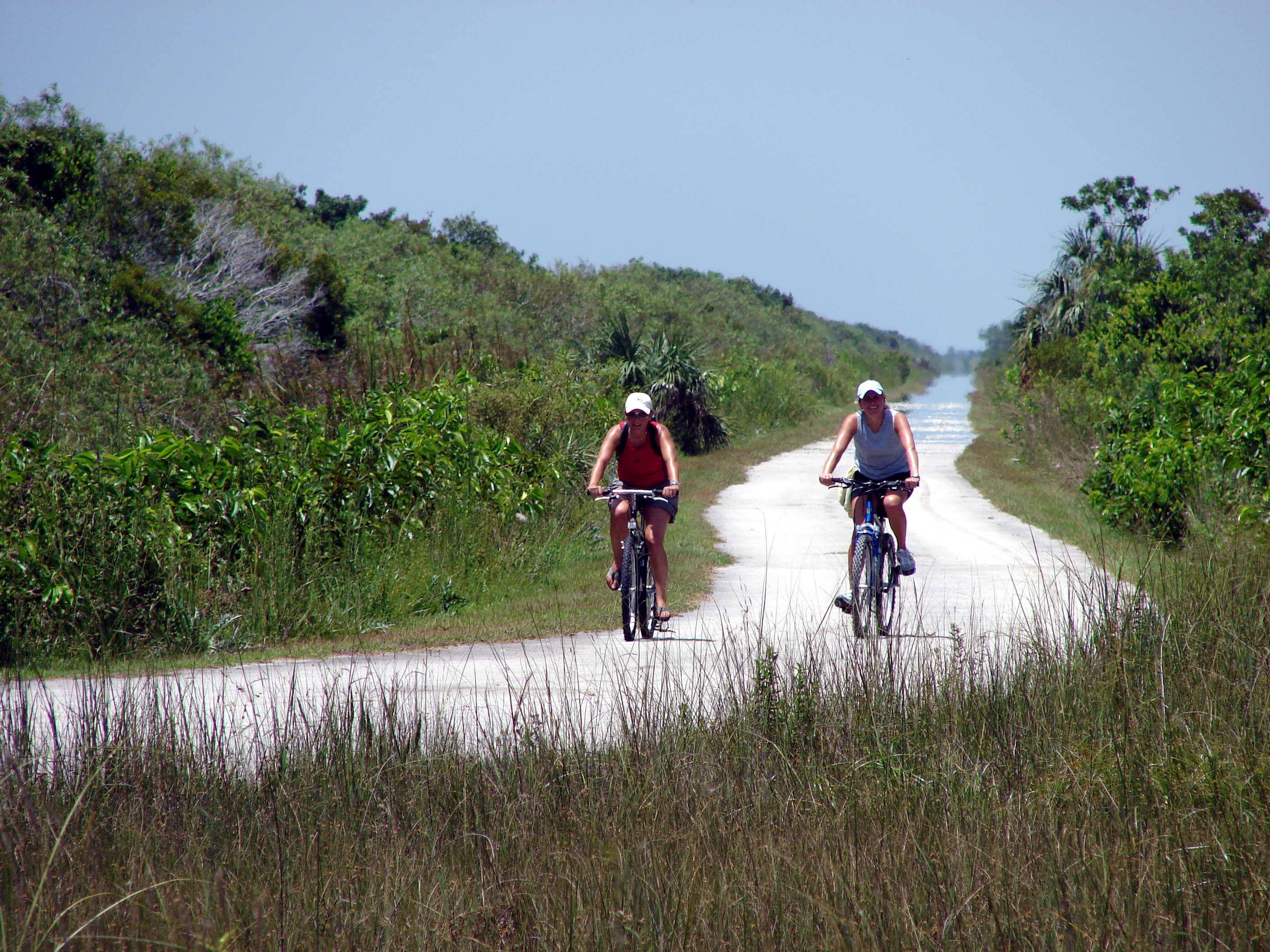
- Front-country hiking trails through sawgrass prairie and hardwood hammocks accessible to all fitness levels
Before you visit
This park offers free admission, an uncommon benefit for a unit of its scope. While the park maintains 24-hour access, the entrance station operates from 8 a.m. to 4:30 p.m. daily. Backcountry camping is available by permit only. Prepare for insects with potent repellent, and always carry ample water; services within the park are notably limited.
Our tipDry season visits demand specific timing for wildlife observation. Early mornings offer the best chances for wading birds feeding actively, and alligators basking on banks before midday heat forces them into water. The initial two hours post-sunrise at key roadside ponds often yield more sightings than an entire afternoon spent elsewhere in the park.