Theodore Roosevelt Island: our verdict
Theodore Roosevelt Island offers a distinct hybrid experience: a 91-acre wooded island presenting both an urban nature escape and a presidential memorial.
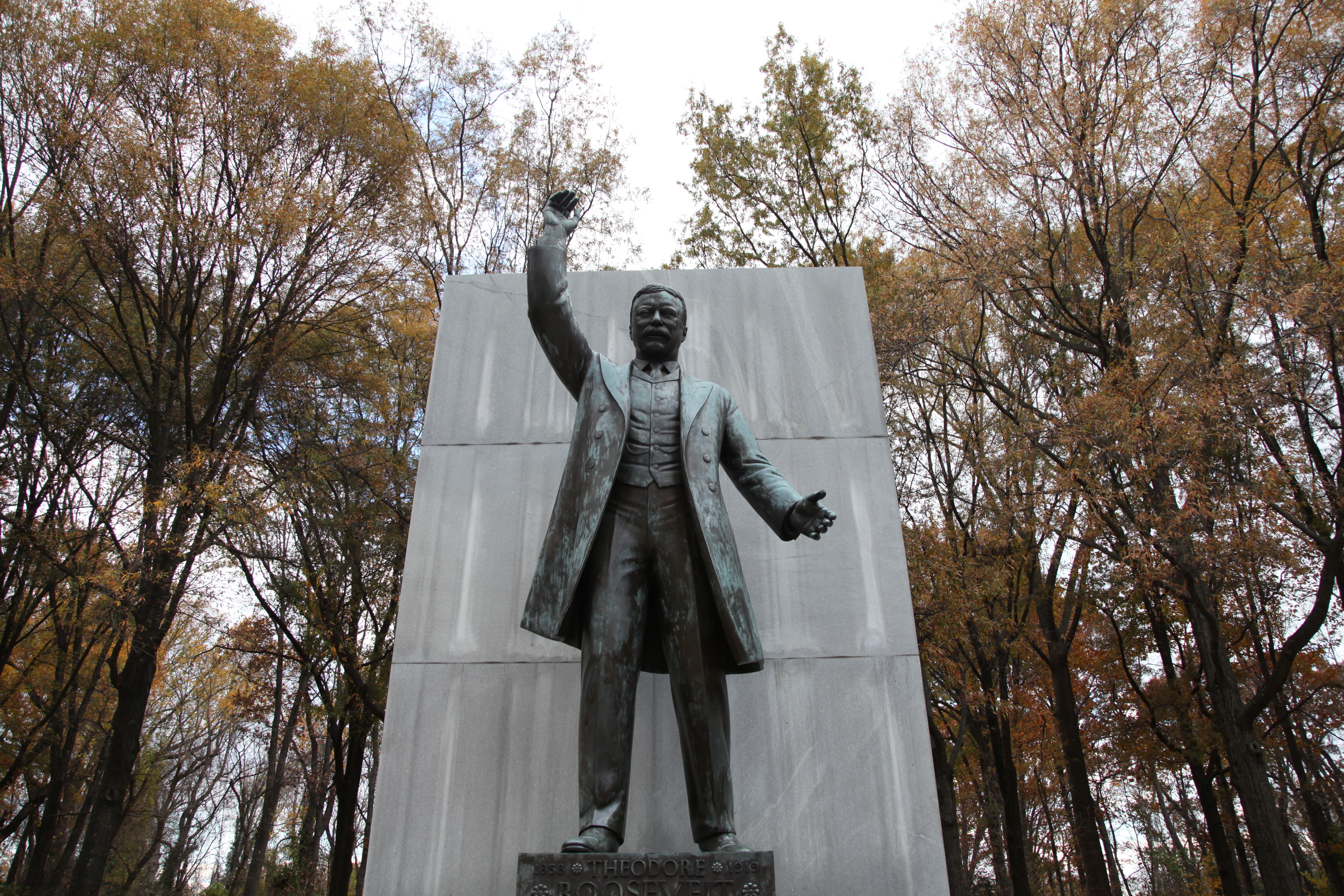
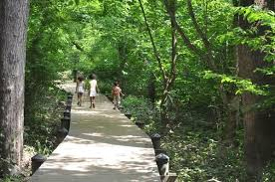
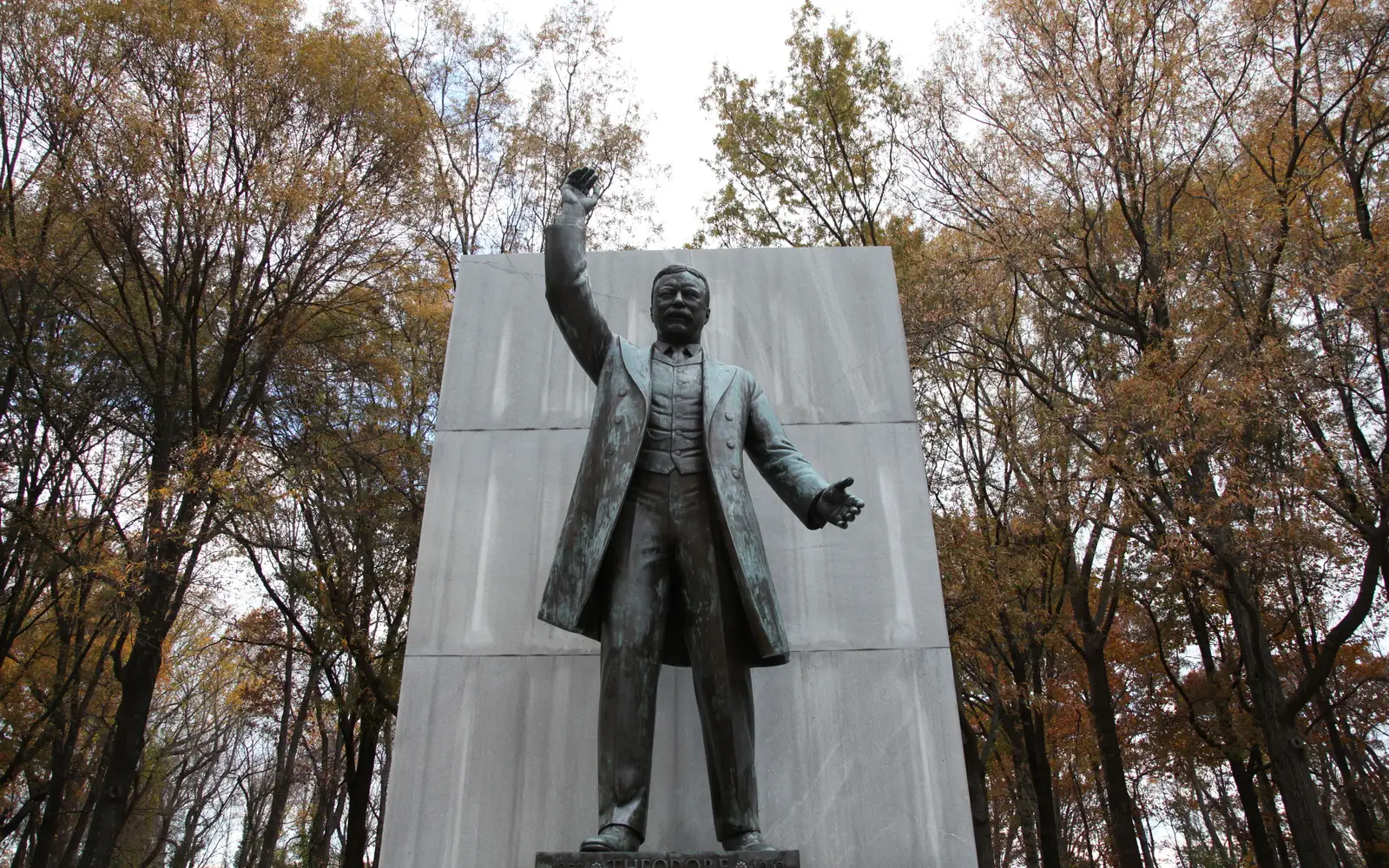
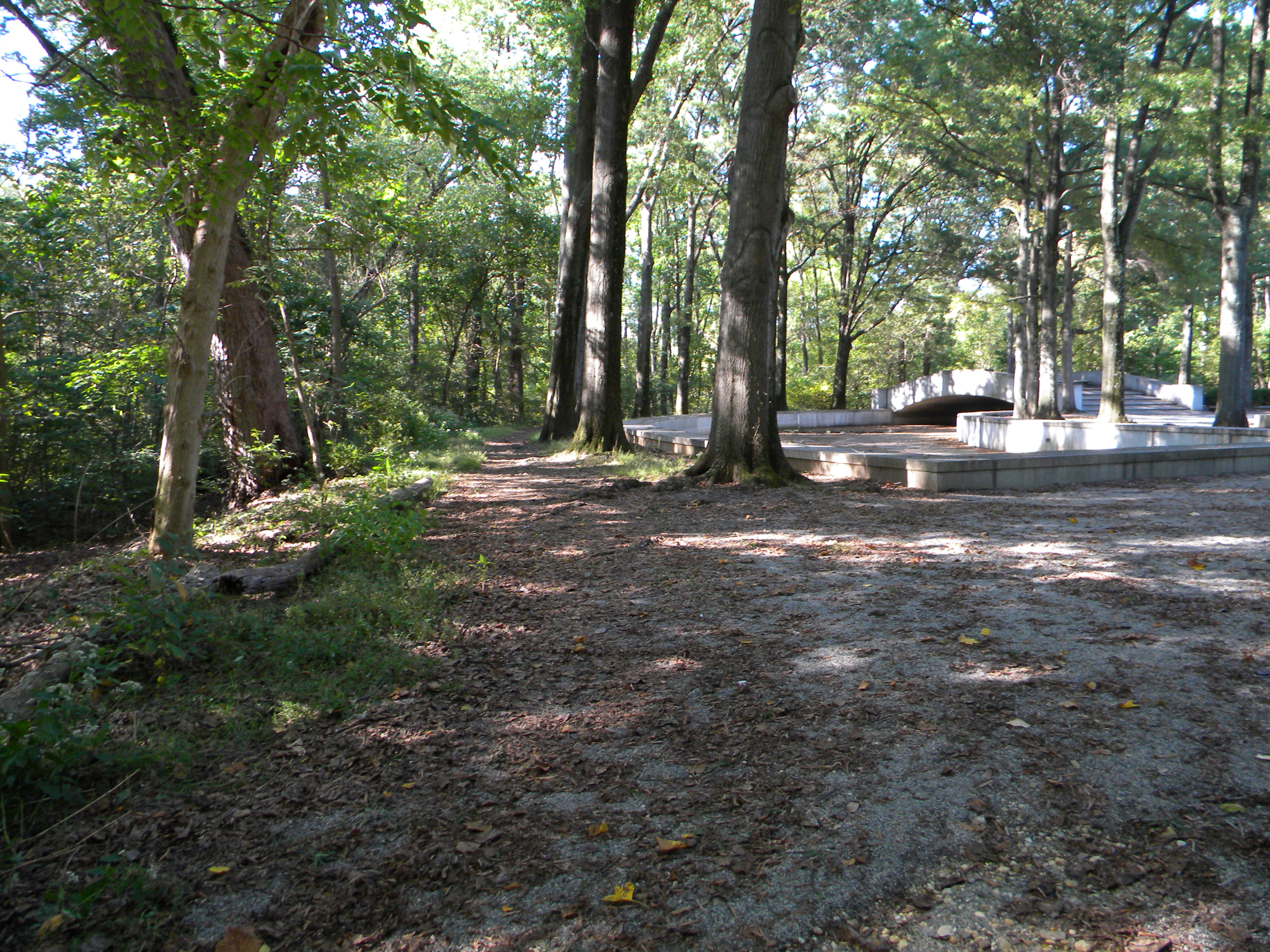
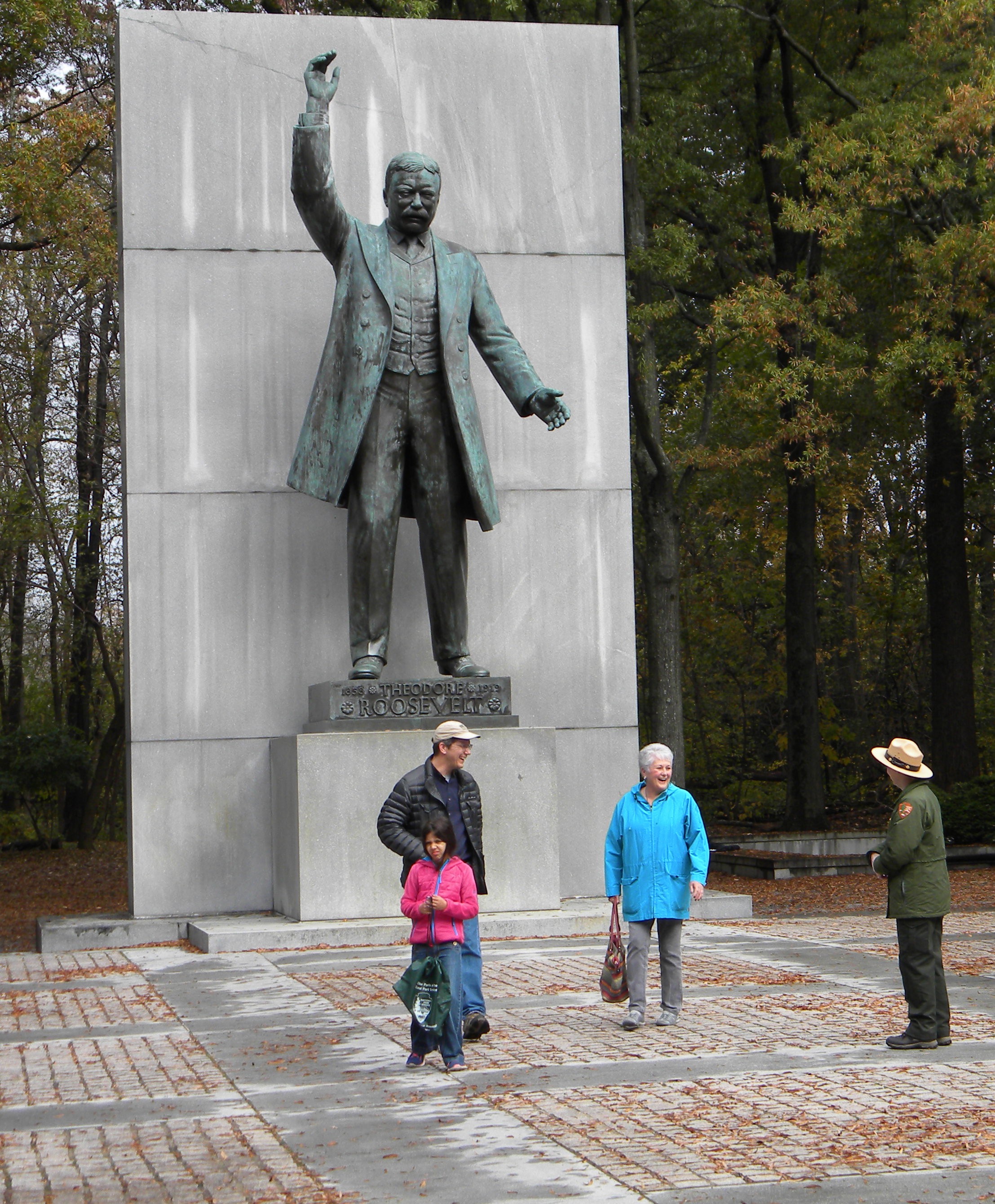
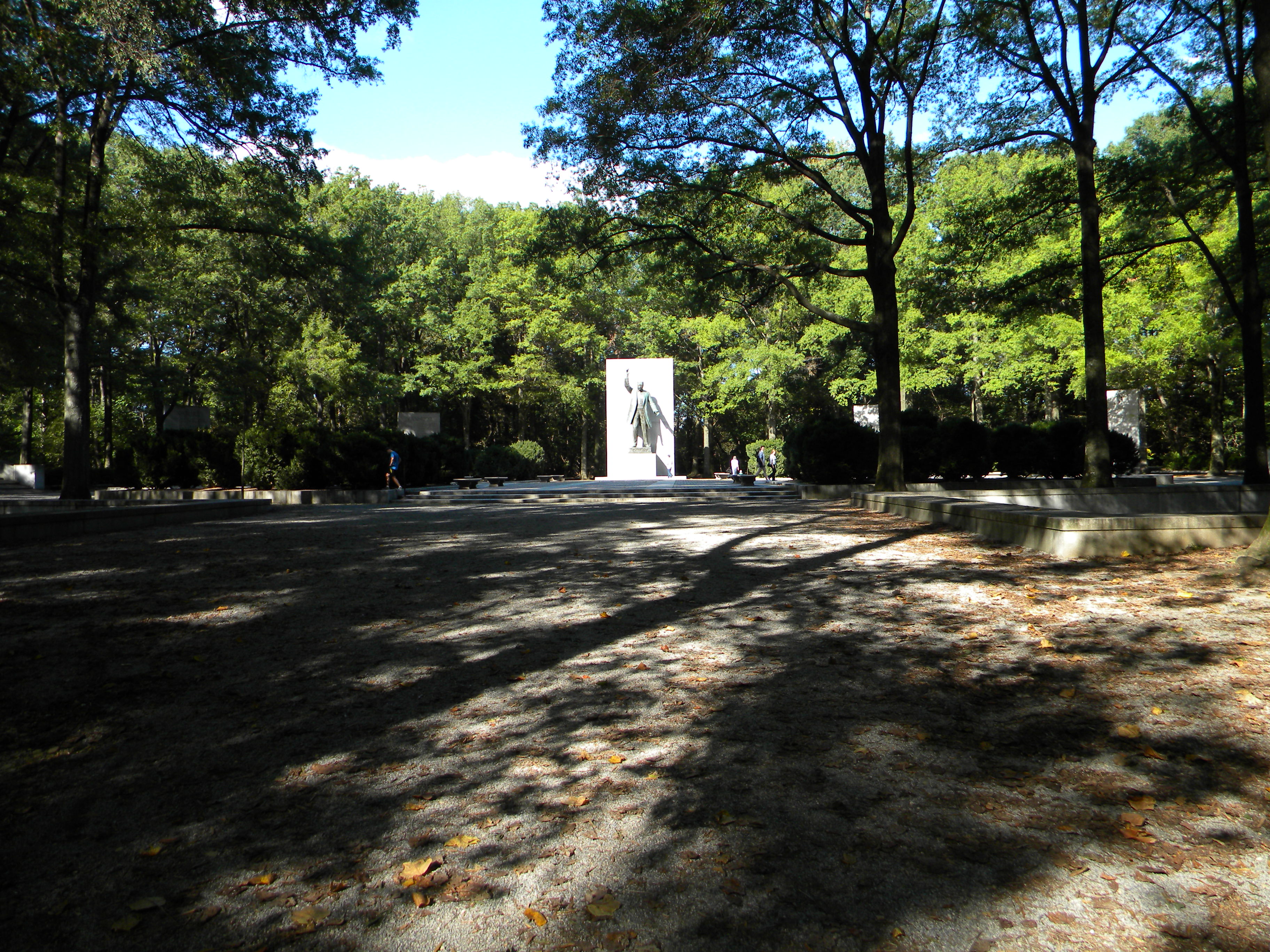
Situated across the Potomac from Georgetown, it achieves genuine removal from the surrounding city. The landscape, designed in the 1930s to evoke a natural forest, features wooded upland trails and swampy bottomland paths. This design largely succeeds. The central memorial plaza, distinguished by its monumental statue of Theodore Roosevelt, firmly anchors the site's historical dimension. With an Experience Score of 55, this is a compact, focused destination. It functions best as a half-day or full-day outing. For D.C. visitors seeking authentic greenery and wildlife alongside a meaningful memorial, without extensive travel, this island provides a compelling option.
Why visit
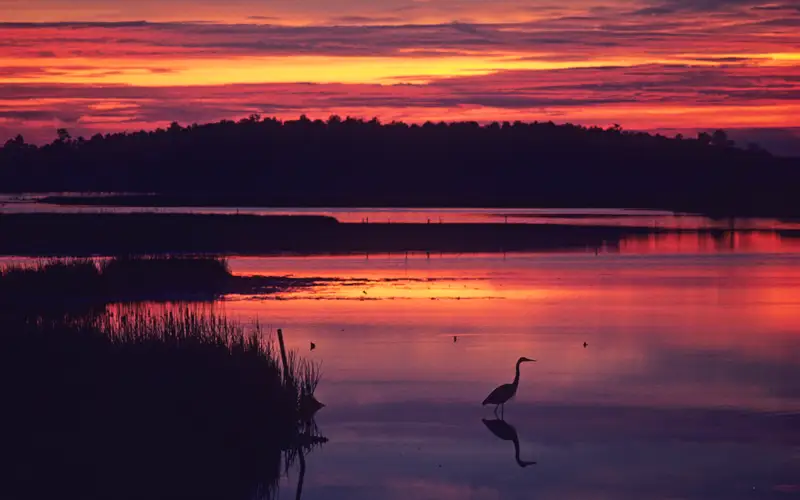
This unit offers two distinct experiences. A self-guided trail network traverses upland forest and bottomland habitat. Birdwatching and wildlife viewing here prove particularly rewarding during spring and fall migrations. Positioned on the Potomac flyway, the island functions as a significant birding destination. Water access via canoe or kayak from the river provides an arrival with a genuine expeditionary feel, despite the site's proximity to the National Mall. Guided tours offer interpretive insight into the island's designed landscape. The confluence of walking trails, wildlife opportunities, water access, and historical context, all within a free, car-free environment, presents a unique offering.
Who it suits
This unit rewards specific interests. Urban hikers, birders, and paddlers will find genuine natural immersion within city limits. Those interested in conservation history have a distinct draw. However, visitors seeking expansive backcountry or dramatic vistas should look elsewhere. The trail-and-woods format may also prove restrictive for families with young children desiring open lawns or playground facilities.
Timing your visit
Spring and fall emerge as prime visiting seasons. Spring offers peak bird migration in bottomland habitats, with a still-open canopy aiding wildlife spotting. Autumn provides significant visual appeal from fall foliage along wooded trails. Summer's heat and humidity are substantial; while the dense canopy offers some respite, insects are prevalent near swampy areas. Winter delivers quiet, uncrowded experiences.
What stands out
- Bottomland swamp trails that feel genuinely wild for a location inside the D.C. metro area
- Birdwatching along a real Potomac River migration corridor
- The central TR memorial plaza with its large bronze statue and inscribed conservation quotes
- Canoe and kayak access directly from the Potomac, offering a water-based approach to the island
- A forested landscape deliberately designed in the 1930s to simulate a natural mid-Atlantic woodland
- Free guided tours that connect the ecology of the island to TR's conservation legacy
Good to know
This unit is highly accessible, with free entry and a footbridge connecting from the Virginia shore. Its small parking area is conveniently located off the George Washington Memorial Parkway. With no vehicle access, the island offers a pedestrian-focused experience; paddlers can land directly. Operating hours are generous, from 6:00 AM to 10:00 PM daily. Visitors must plan ahead: no food or water facilities are available on the island.
Insider tipMid-tide Potomac riverbank launches are essential for paddlers; this avoids muddy, shallow conditions at landing points. Water arrival enhances the sense of adventure, aligning with the spirit of the park's namesake.