parkverdict
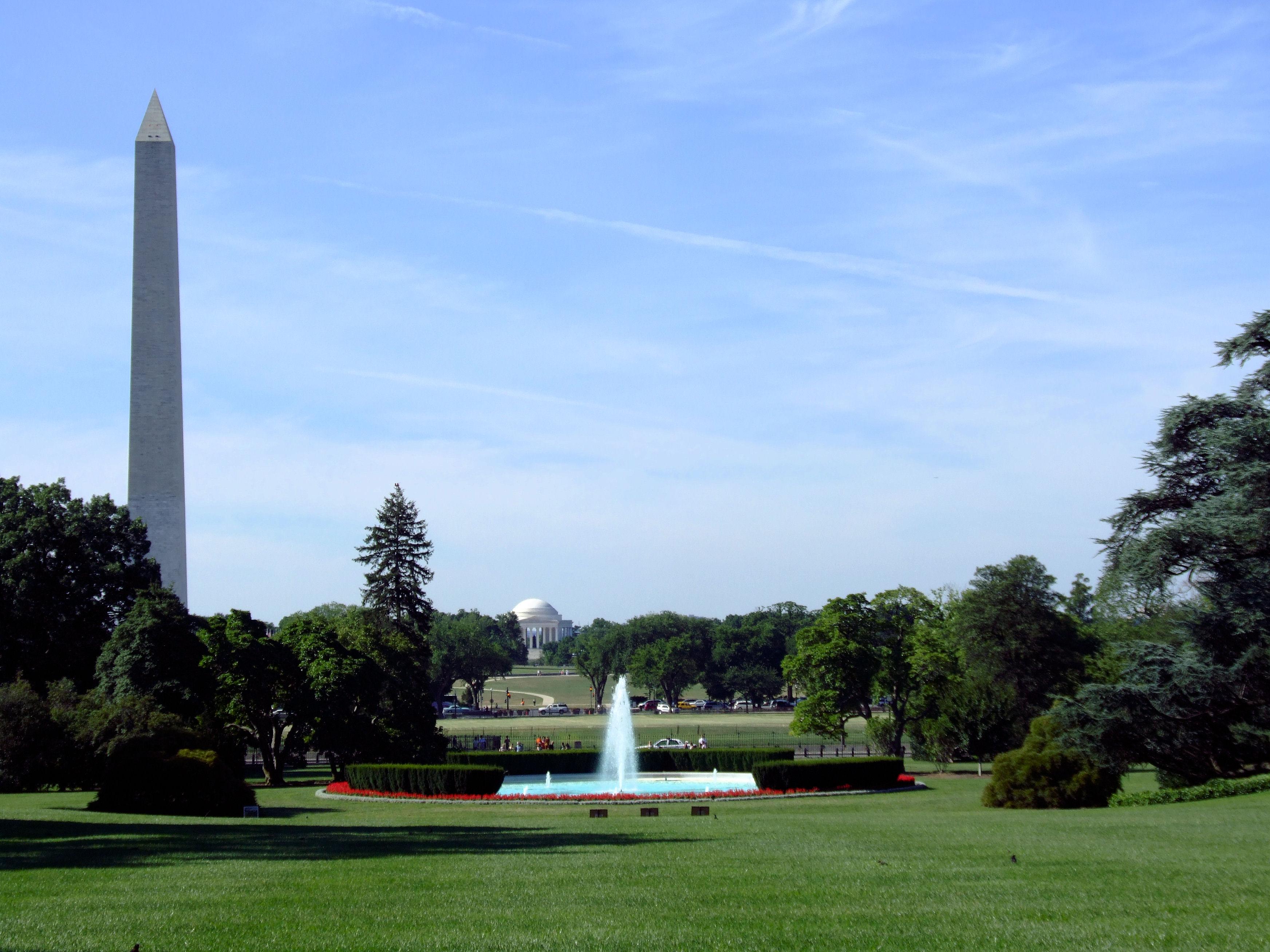
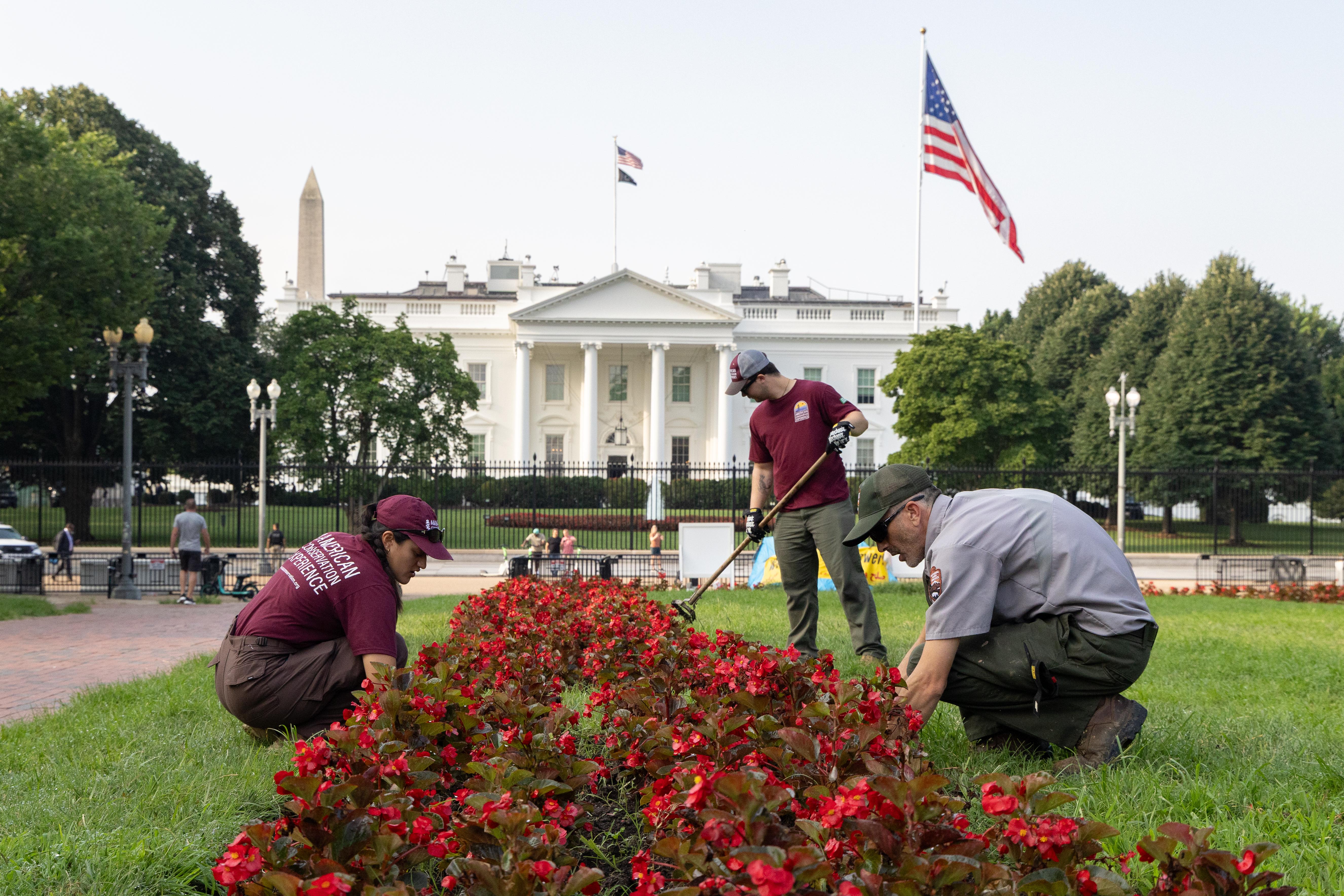
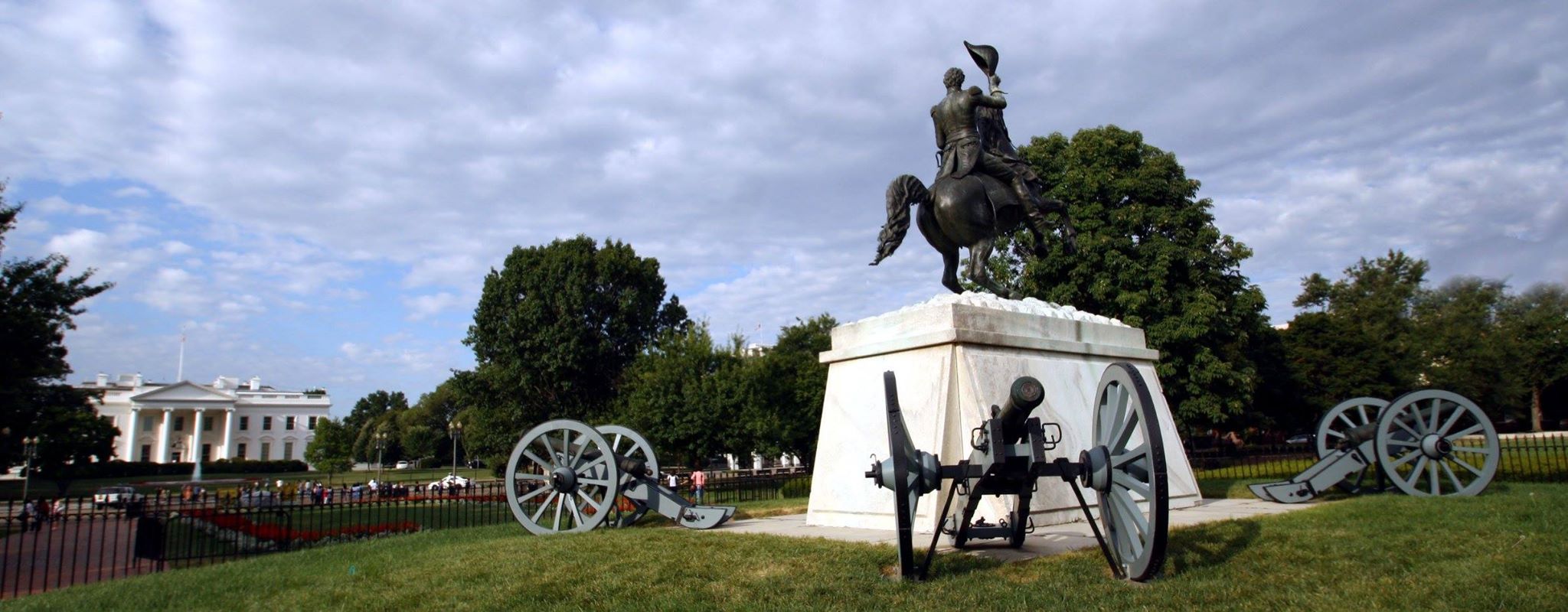
Crowds of people populate the White House South Lawn on a sunny day with the White House in viewVIew of the South Lawn with South Fountain and Washington Monument visibleThree people doing landscape work in a park, with the North Portico of the White House visibleAndrew Jackson Statue and view of North Side of the White House
ParkDC

The White House and President's Park

NPS / NPS / Kelsey Graczyk
62/ 100GOOD RANGE
parkverdict Experience ScoreIndependent, not sponsored

62 of 100. Our independent breadth-and-access index. How we score

Worth it?

Is The White House and President's Park worth it?

The White House and President's Park works more as a civic landmark than a traditional park, anchored by the White House Visitor Center rather than any sprawling green space.

You are not walking through the residence. Interior tours require advance coordination through a congressional representative, and even then what you see is limited. The NPS manages the surrounding grounds, the Visitor Center with its exhibits and film, and interpretive programming around one of the most symbolically loaded addresses in the country. For anyone genuinely interested in history and civics, it holds up well, and free admission makes it an easy stop to fold into a DC trip. That said, visitors expecting a real outdoor park or any meaningful behind-the-scenes access tend to leave a little flat. The more accurate way to think about it is as a well-curated civic museum where the famous exterior happens to be the main exhibit.

The case for it

Begin at the White House Visitor Center, where the exhibits walk you through the history of the presidency, the building itself, and how the public's relationship with that address has shifted over the centuries. A park film fills in context that simply standing outside on Pennsylvania Avenue never quite captures. Guided tours layer in interpretive detail, and the Junior Ranger Program gives families a concrete way to work through the site together rather than just wander it. The grounds have been the setting for protests, celebrations, and moments that defined the country, so circling the perimeter with that history in your head is a very different experience than a casual loop. A bookstore and park store round out what is, honestly, a compact but surprisingly complete half-day visit.

Who it is for

History buffs, civics enthusiasts, and families with school-age kids will find this stop genuinely worthwhile. The Junior Ranger Program and Visitor Center exhibits work well for curious younger visitors. If outdoor recreation, wilderness, or an immersive architectural interior tour is what you are after, this is not the place. It is a landmark worth seeing, not an adventure.

Best time to visit

Spring and fall are the best times to walk the grounds. Temperatures stay mild and the humidity that makes DC summers miserable is mostly gone. Summer pulls the biggest crowds, and the heat turns long stretches outdoors into a slog. Winter is quieter, the Visitor Center is warm, and honestly that alone can make the trip worthwhile. Holiday programming sometimes pops up around that time, so check the schedule before you head out.

Worth seeing

  • White House Visitor Center museum exhibits covering presidential history and the building's evolution
  • Park film providing historical and civic context not available from the street
  • Guided interpretive tours of the grounds and surrounding park areas
  • Junior Ranger Program structured for families with children
  • Walking the perimeter of one of the most historically significant addresses in the country
  • Free admission with no ticketing barrier to entry

Before you visit

Admission is free and no reservation is needed for the Visitor Center. Interior White House tours are separate, require advance arrangement through your congressional representative, and are not guaranteed. The Visitor Center is the practical hub for NPS programming, so start there. Security screening is standard for this area of DC, so budget extra time.

Our tipStart at the Visitor Center, especially if you want to do more than snap a shot through the fence. Watch the park film first. The historical framing genuinely changes how you read the space around you, and that shift becomes more apparent once you spend time with the exhibits on public protest and civic symbolism tied to this location.

How we scored it

Why The White House and President's Park scores 62

We keep the math boring on purpose. The same handful of public-data inputs, capped so none of them dominates, decide every score. What they measure is breadth and access, not beauty and not crowd levels. For The White House and President's Park, they shook out like this:

  • Activity breadth9 documented activities
  • Topic breadth29 topics
  • Official imagery6 public-domain images
  • Camping on sitenone recorded
  • Entry costfree

No number is hand-adjusted and no unit pays for placement. The full weights, the floor at 18 and a worked example are on how we score.

The honest limits

What the score cannot tell you

A quick honest note. The score tracks how much a place has going on and how easy it is to reach, both pulled from public records. What it cannot see is the stuff that often makes or breaks a day: whether the views stop you cold, how packed it gets in season, what the trails are like after rain, or whether you catch a great ranger talk. A small, single-focus site can land below a sprawling park here and still be the better call for your trip. Use the number to compare what places offer on paper, and the verdict up top to tell if it is your kind of place.

Background

The short version

The White House belongs to the American people and is maintained by the National Park Service. It is the President's residence, but it also draws protesters and national conversations about American identity. As one of the country's most recognizable landmarks, the White House and President's Park works to tell the stories of everyone who has lived, worked, and visited there.

On documented breadth and access, The White House and President's Park ranks 10th of 24 park and public-land units we score in District of Columbia.

What the seasons are like

The Washington, DC, area has a four-season Mid-Atlantic climate. Summertime is warm and humid, while winter can be cold and snowy. Precipitation averages 2-4” monthly, year-round. The warmest months are June, July, and August, with average highs in the 80s (~31) combined with high humidity. Temperatures often climb into the 90s (~34).

What you can do

Activities

Arts and CultureLive MusicGuided ToursSelf-Guided Tours - WalkingJunior Ranger ProgramPark FilmMuseum ExhibitsShoppingBookstore and Park Store
Common questions

The White House and President's Park: quick answers

Is The White House and President's Park worth visiting?

The White House and President's Park works more as a civic landmark than a traditional park, anchored by the White House Visitor Center rather than any sprawling green space.

Is The White House and President's Park free to visit?

It is free to get in.

What is The White House and President's Park best for?

It leans hardest toward good with kids, guided tours, going by the 9 activities it actually documents.

When is the best time to visit The White House and President's Park?

Spring and fall are the best times to walk the grounds.

How is the Experience Score for The White House and President's Park calculated?

The 62 comes straight from public data on how much the place documents and how easy it is to reach, things like activities, topics, photos, camping and whether entry is free. It says nothing about scenery or how busy it gets.