Tamarac National Wildlife Refuge: our verdict
Tamarac National Wildlife Refuge prioritizes conservation, with recreation as a secondary offering.
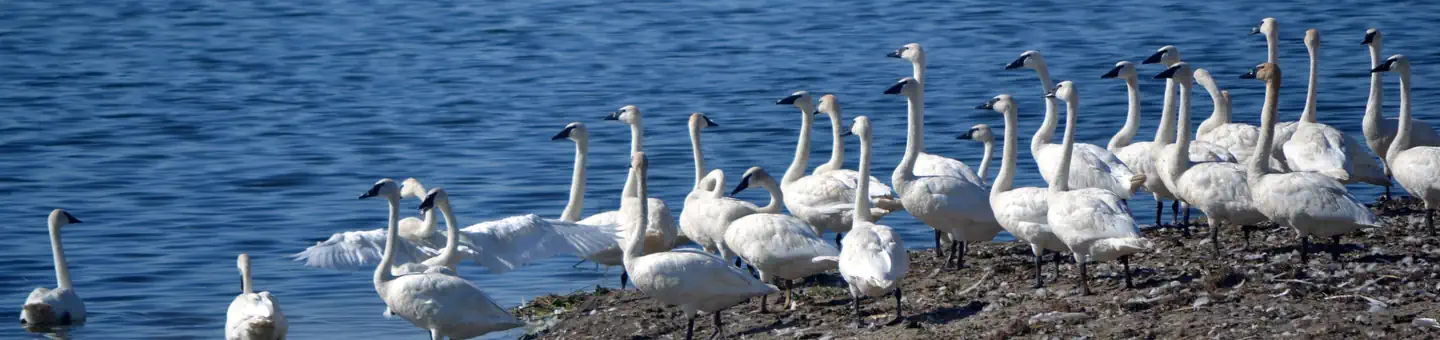
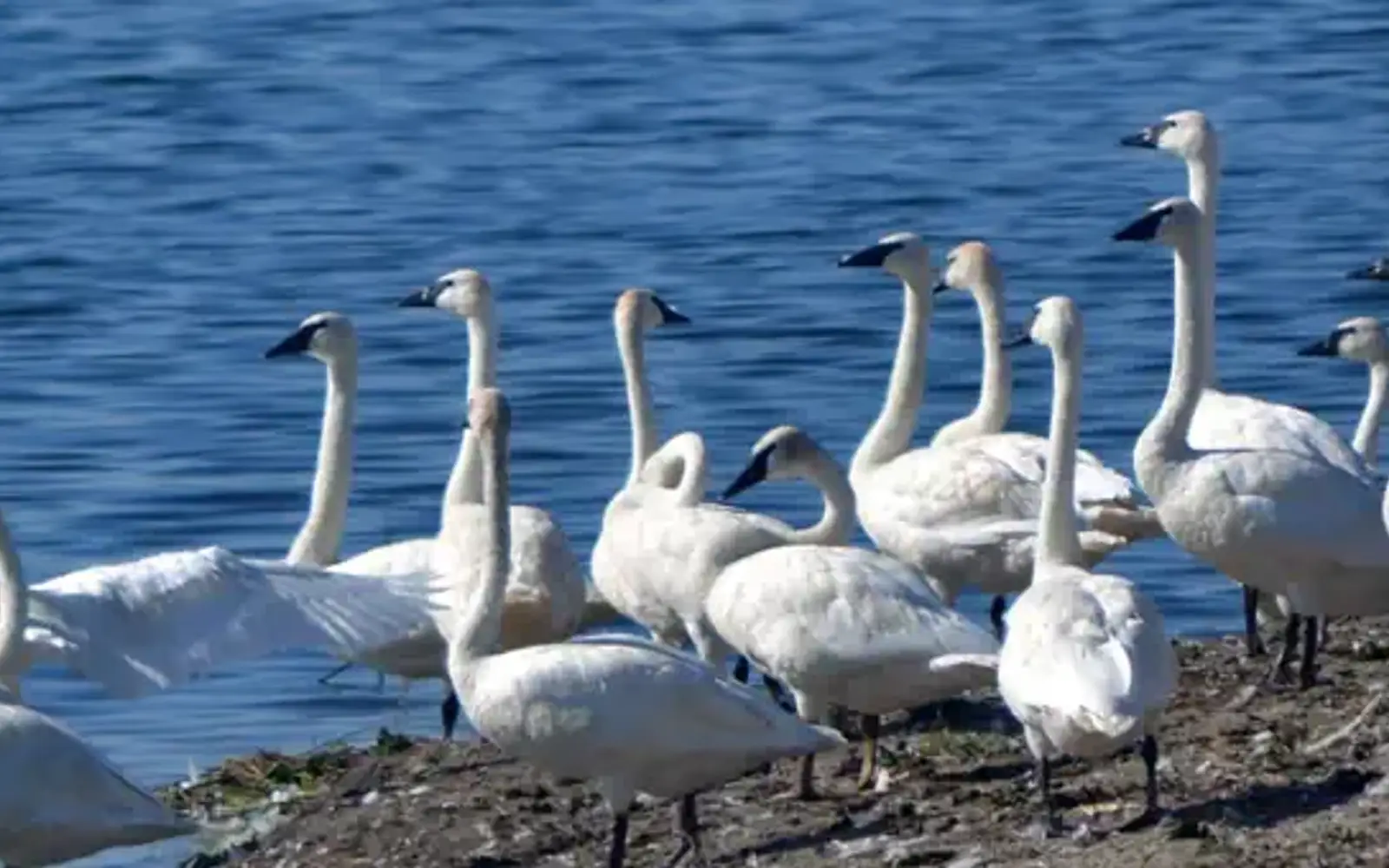
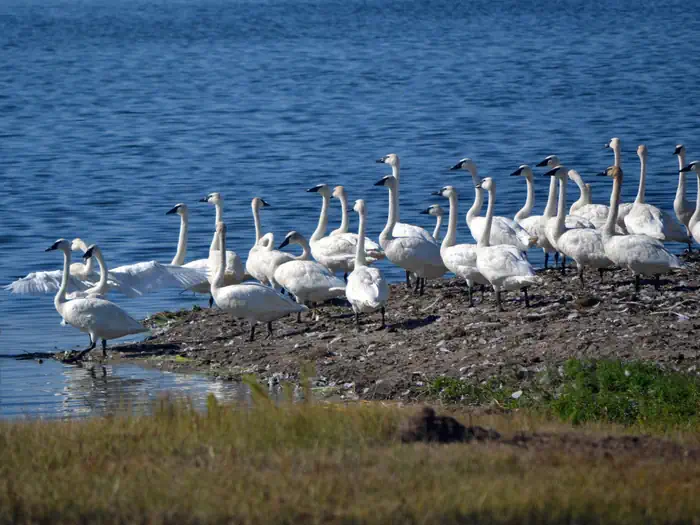
This distinction shapes the visitor experience. Encompassing lakes, marshes, rivers, and forests across northwestern Minnesota, it provides authentic wildlife encounters. Migratory birds, waterfowl, and woodland species are readily observed. The refuge offers a less curated environment than many national parks. Its experience score of 72 reflects a broad range of activities. Fishing, boating, hiking, snowshoeing, skiing, and hunting are all possible across multiple seasons. This is not a destination for dramatic landscapes; iconic geological features are absent. Instead, it presents quiet, immersive access to a functional northern Minnesota wetland ecosystem. Birders, photographers, and anglers seeking solitude will find this a legitimate draw. Those pursuing dramatic scenery or highly structured visitor programs will likely find it underwhelming.
Why visit
Tamarac National Wildlife Refuge delivers a focused, accessible nature experience. Its free entrance lowers the barrier to exploration. The refuge offers distinct seasonal appeals, with spring and fall migrations presenting peak birdwatching opportunities. Anglers will find multiple lakes open to both motorboats and canoes. Terrestrial visitors can traverse trails to observe deer, beaver, and various woodland birds. Winter transforms the refuge into a quiet destination for snowshoeing and cross-country skiing. Educational programs provide structured engagement for those new to wildlife refuges. For casual sightseers, a half-day visit will suffice. Serious nature observers, particularly birders, will find reasons to return.
Who it suits
Tamarac National Wildlife Refuge caters to specific visitor profiles. Birders, wildlife photographers, anglers, and hunters will find ample opportunities here. Families with children can take advantage of educational programs and accessible wildlife viewing. However, those seeking dramatic landscapes, challenging hikes, or extensive facilities will be disappointed. This refuge prioritizes patient, observant exploration over quick visits.
Timing your visit
Optimal visitation hinges on seasonal interest. Birding and wildlife photography peak during spring migration (April to May) and fall migration (September to October). Summer provides full water access for fishing and non-motorized boating. Winter offers an uncrowded season for snowshoeing and cross-country skiing. Those sensitive to biting insects should avoid midsummer due to intense mosquito activity in Minnesota's wetland refuges.
What stands out
- Migratory bird and waterfowl viewing across lakes, marshes, and wetland edges
- Motorboat and non-motorized boating access to multiple refuge lakes
- Fishing for warm-water species, including winter ice fishing opportunities
- Snowshoeing and cross-country skiing through forest and wetland terrain in winter
- Visitor center with interpretive and educational programs for context and orientation
- Hunting access under refuge regulations, a rarity among federally managed lands
Good to know
Tamarac National Wildlife Refuge presents a distinctive experience within the national conservation landscape. Free to enter, it operates under the U.S. Fish and Wildlife Service, meaning federal park passes offer no benefit here. This distinction underscores its primary mission: wildlife preservation. Anglers and hunters will find opportunities, but only with valid Minnesota state licenses and adherence to specific refuge rules. Planning is essential. Seasonal closures protect vital nesting grounds, and access points are subject to change. Consult the refuge's official website prior to any visit. This is not a casual stop; it demands respect for its ecological purpose.
Insider tipThe auto tour route offers efficient wildlife viewing. Early mornings are best for spotting mammals and birds near the water. Consult the visitor center for current sighting reports from refuge staff.