Should you visit Tallgrass Prairie National Preserve?
Tallgrass Prairie National Preserve offers a vital encounter with a vanishing ecosystem.
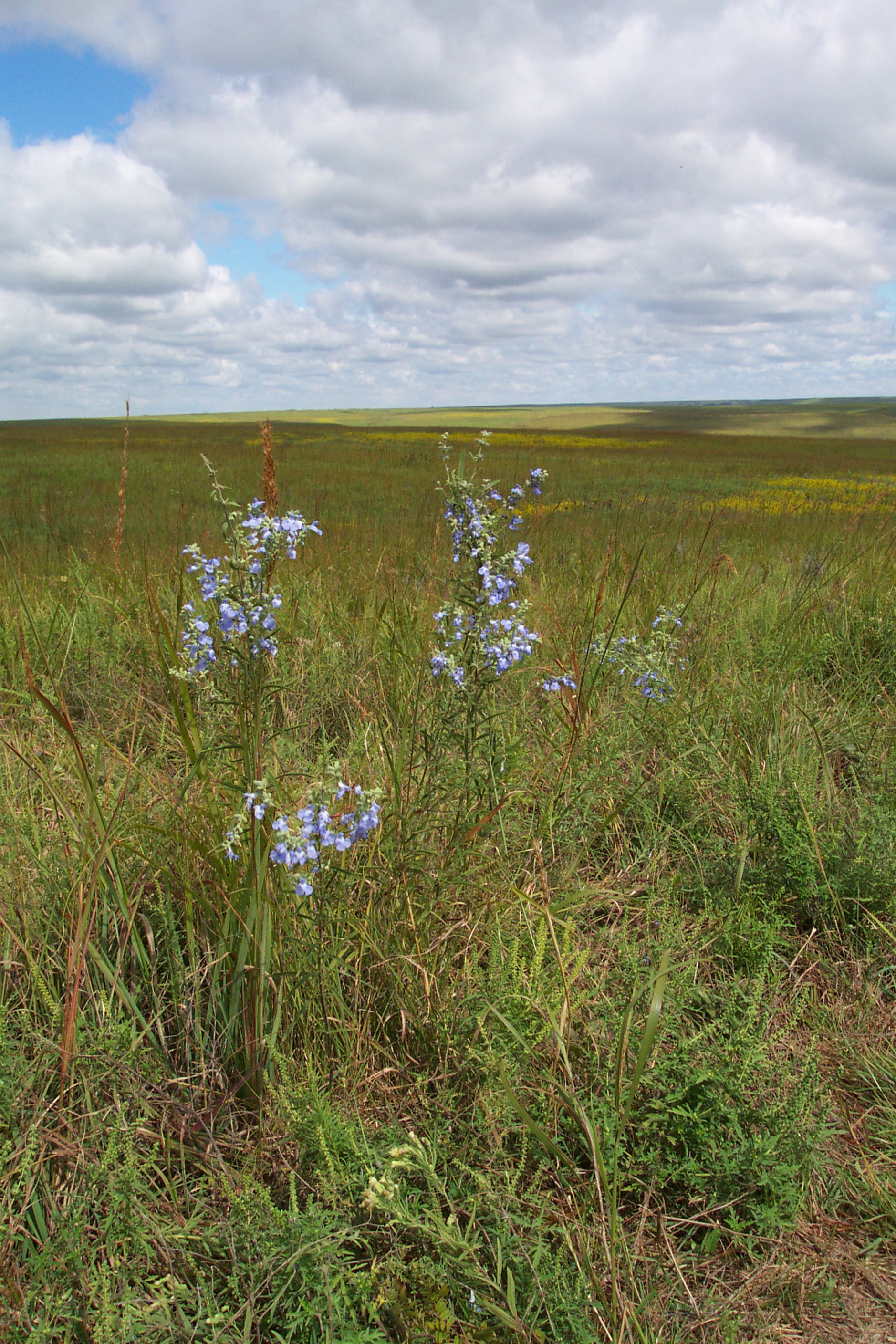
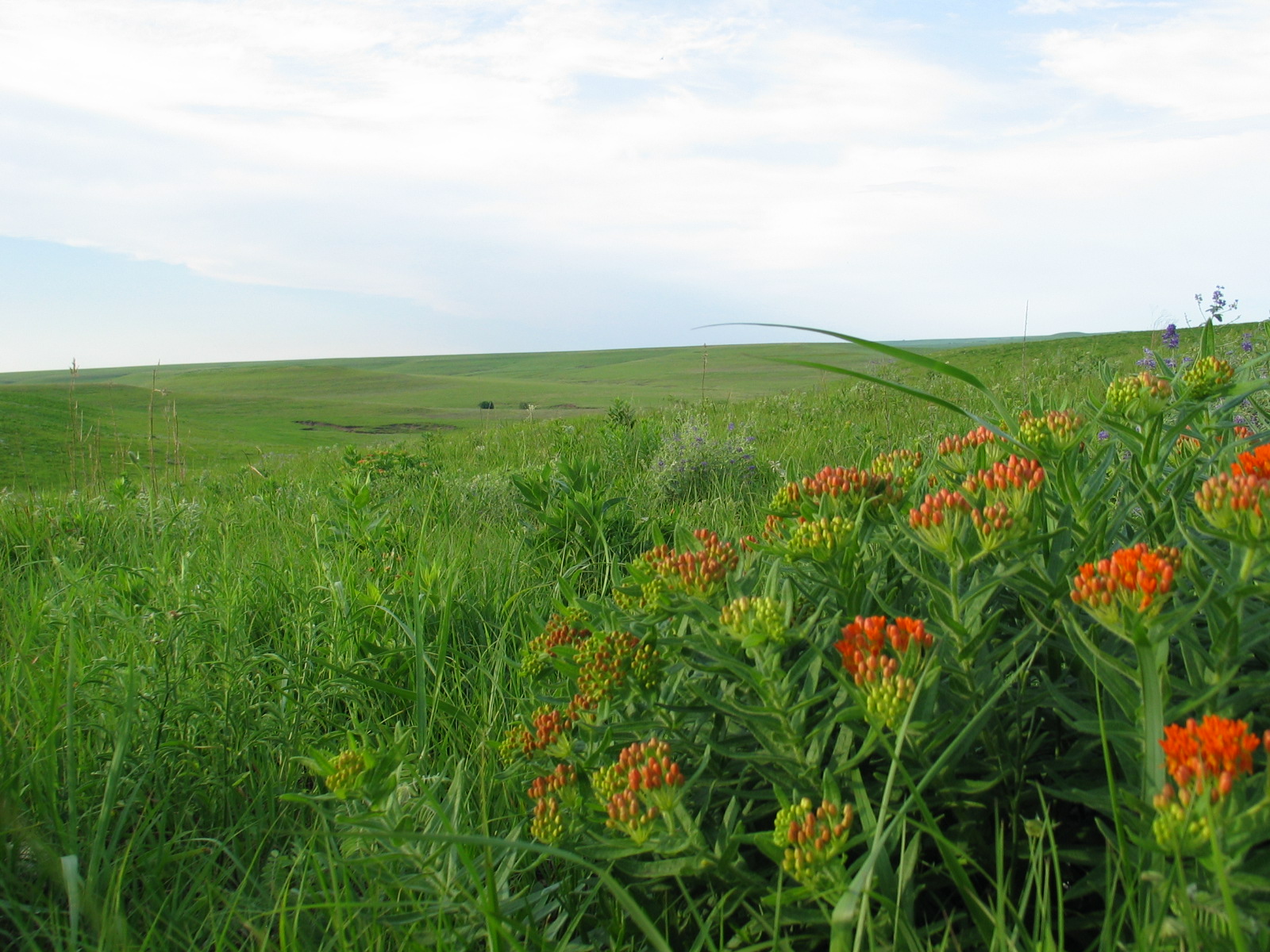
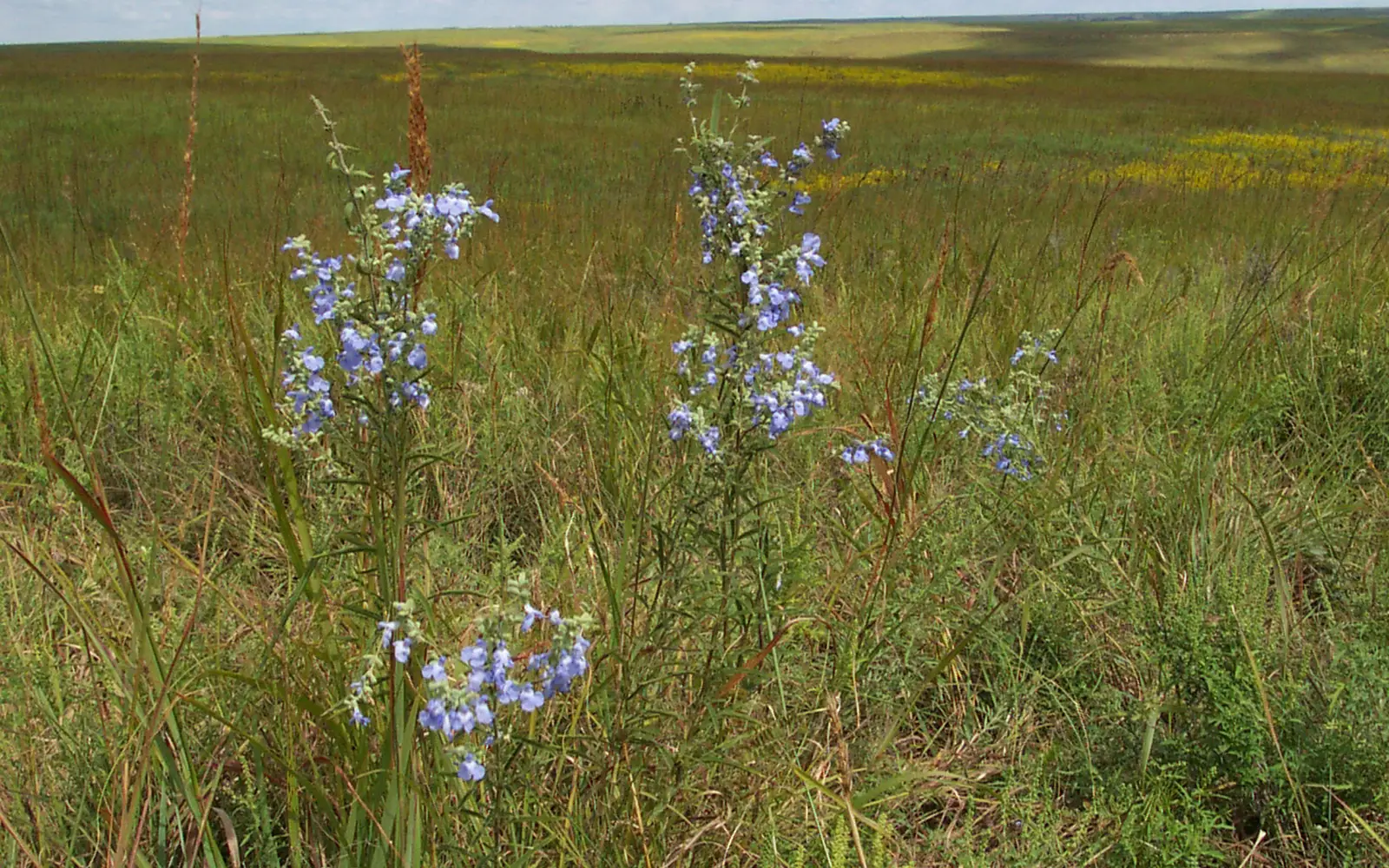
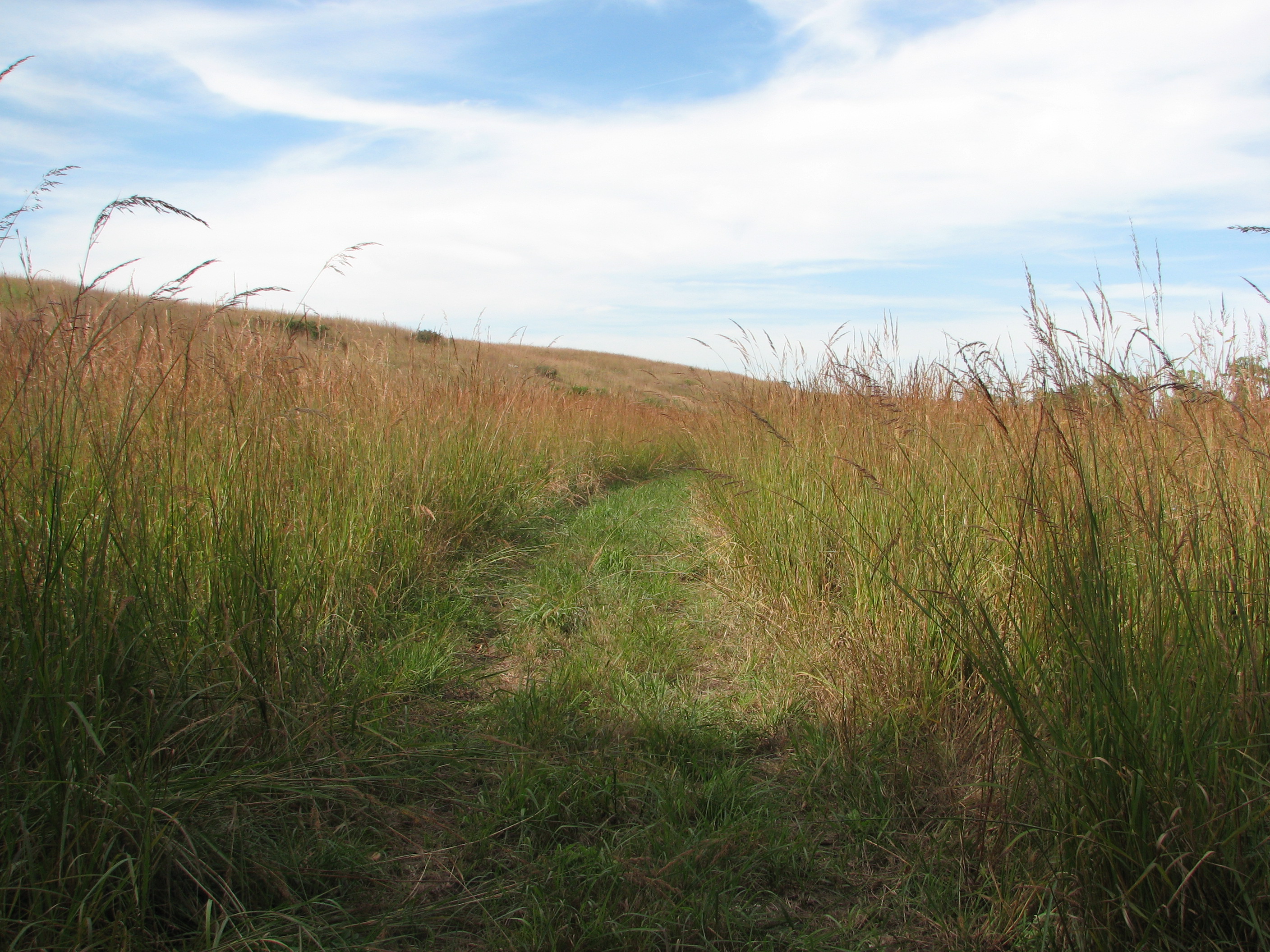
Less than 4% of North America's original 170 million acres of tallgrass prairie remains. This preserve is a deliberate effort to preserve a remnant. The landscape features rolling grass and expansive skies, punctuated by bison herds. Night skies here facilitate serious stargazing. This is not a destination for dramatic overlooks or waterfalls. The appeal is understated, rooted in the ecological significance of the place. It will resonate with hikers, birders, and astronomy enthusiasts. Families engaged with the Junior Ranger program will find value. Those drawn to living history and guided tours will appreciate its offerings. Visitors seeking conventional dramatic scenery may be disappointed. For those open to understanding a functioning prairie, the experience provides genuine insight.
What makes it worth it
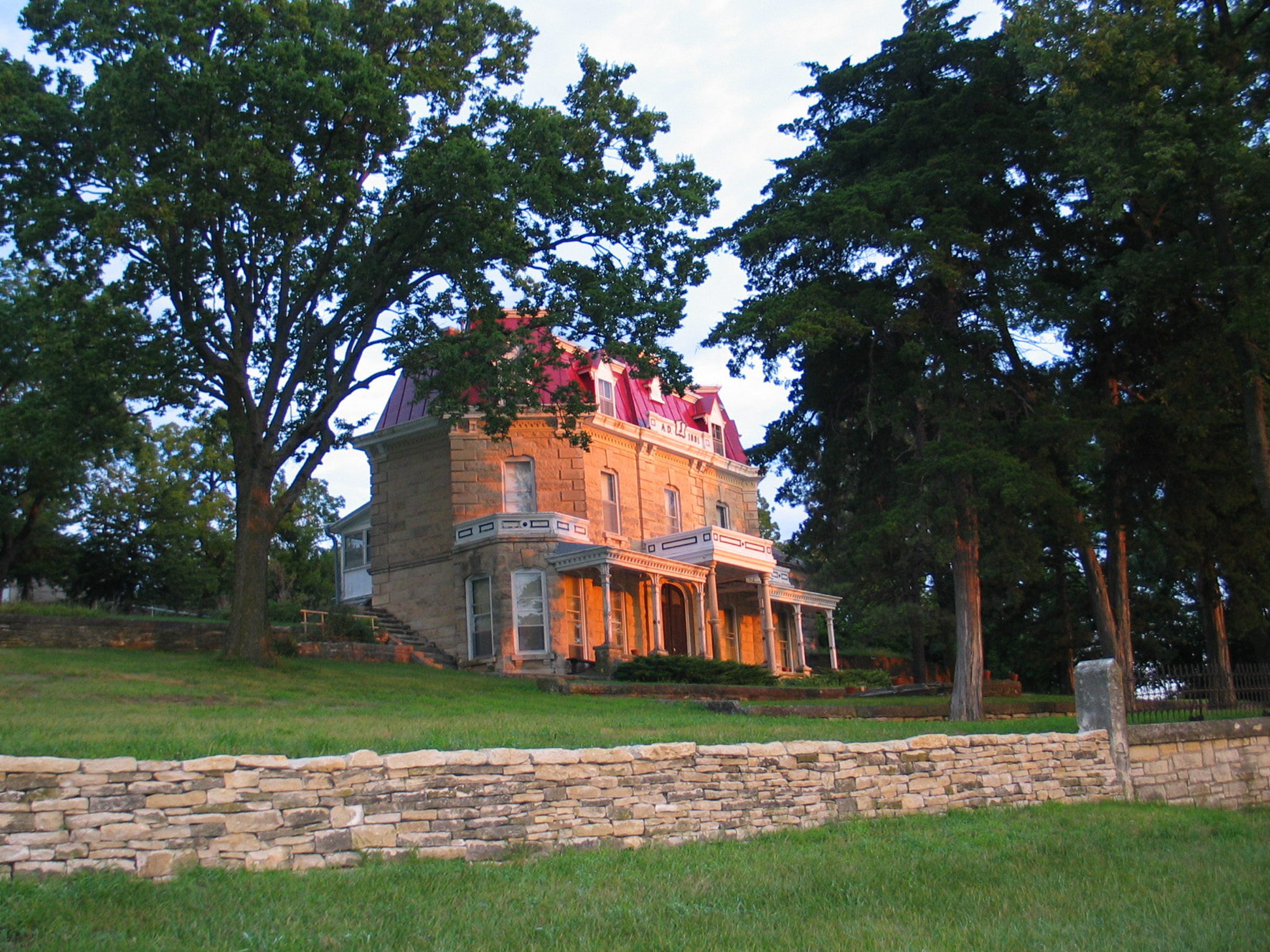
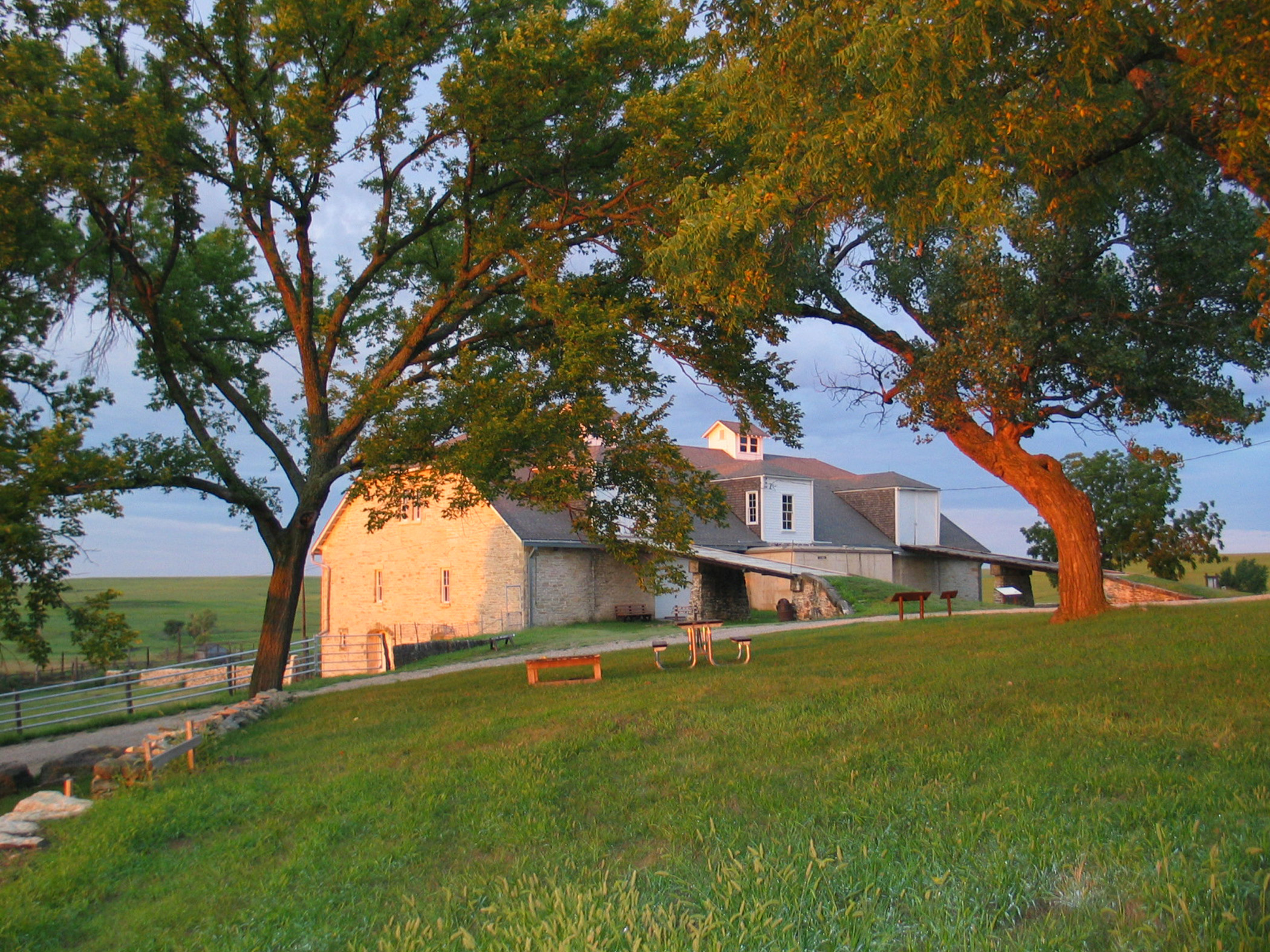
This preserve offers a clear value proposition. A guided tour of historic ranch buildings provides essential context for the landscape. Front-country trails lead directly into the tallgrass, which achieves significant height in peak season. Wildlife viewing is a documented highlight; bison traverse the preserve, and birdwatching on the open prairie yields species uncommon in the wider region. For evening visitors, the expansive horizon and minimal light pollution enable exceptional stargazing. Freshwater fishing is permitted. The Junior Ranger program and park film at the visitor center offer family-friendly activities. Free entry makes a visit, whether a half or full day, a readily integrated component of a broader itinerary.
Who should go
This unit serves a distinct audience. Birders, astronomy enthusiasts, and those prioritizing ecological rarity and solitude will find it rewarding. Families seeking immersive living history programs and hands-on activities will also benefit. For road trippers traversing the Great Plains, it offers a substantive stop. However, visitors expecting dramatic mountain vistas, conventional scenic attractions, or extensive developed recreation will likely be disappointed. Its value lies in niche interests and specific educational offerings, not in broad appeal.
When to go
The park delivers seasonal distinctiveness. Late spring and early summer provide towering tallgrass and active wildflowers. Cooler autumn temperatures facilitate prime birdwatching during migration. Summer highs routinely exceed 90 degrees; thunderstorms are frequent, and tornado risk, though rare, is present. Morning visits mitigate this. Winter is cold, with potential blizzards and significant wind chill across the open prairie.
Highlights
- Walking through tallgrass that can exceed head height in peak season - a rare ecological experience in North America
- Bison and wildlife watching across open Flint Hills terrain
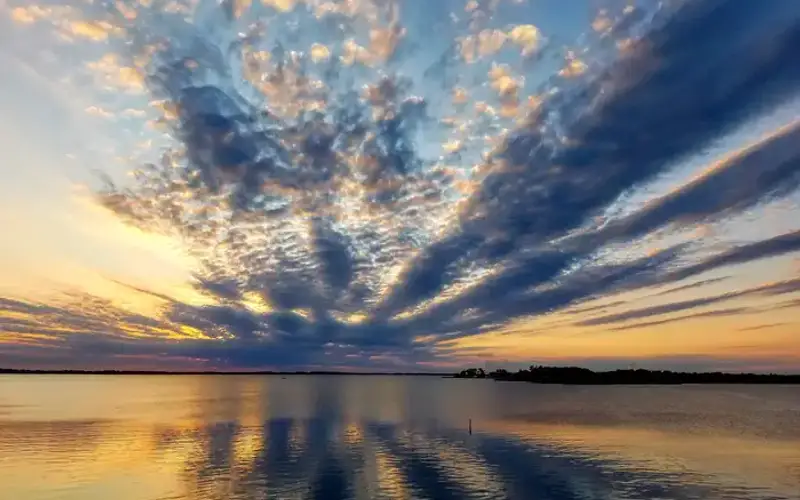
- Stargazing after dark on trails open 24 hours, with minimal light pollution and a flat horizon
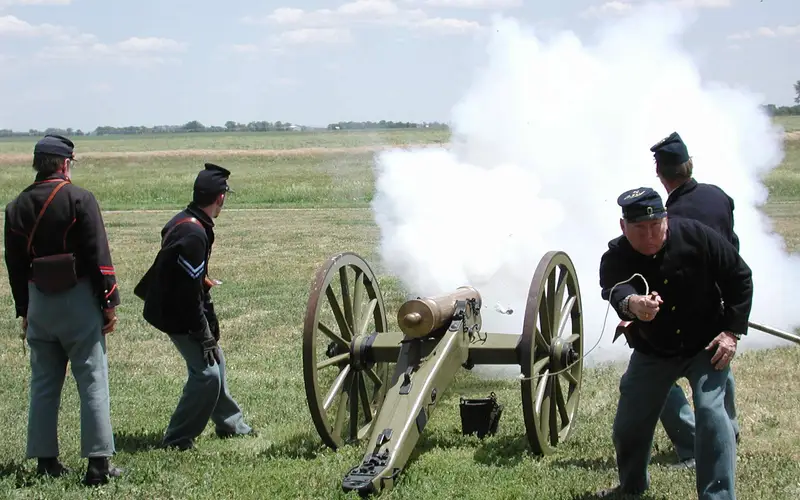
- Guided tours of the historic ranch structures with living history and cultural demonstrations
- Freshwater fishing within the preserve
- Junior Ranger program and hands-on activities for families, anchored by a park film and visitor center
Plan ahead
Entrance is free. Hiking trails are open around the clock but specific trails may close without much notice due to prescribed burns or bison and cattle operations - check posted signs before heading out. No camping, no open fires, and no drones are permitted. Trail maps are at the visitor center and most trailheads, and cell phone tour content is available on-site.
Editor's tipStargazing here requires foresight. Check trail closures during daylight hours. Arriving at a closed trailhead after dark, absent cell service, is a distinct possibility.