Is Marion Reservoir worth it?
Marion Reservoir, a 6,200-acre Corps of Engineers flood control lake, offers significant aquatic and terrestrial scope.
Its 6,000 acres of surrounding public land create a substantial recreational footprint. The area supports fishing for walleye and crappie. Boating access is ample. Four cove parks provide 253 campsites. Documented hiking is minimal, limited to the mile-long Willow Walk at Cottonwood Point. Seasonal hunting and wildlife viewing are present. This destination prioritizes straightforward outdoor recreation over scenic grandeur. For families or anglers, or those traversing the Flint Hills, it represents a dependable, low-cost option, notably free of typical crowds or entrance fees.
The case for it
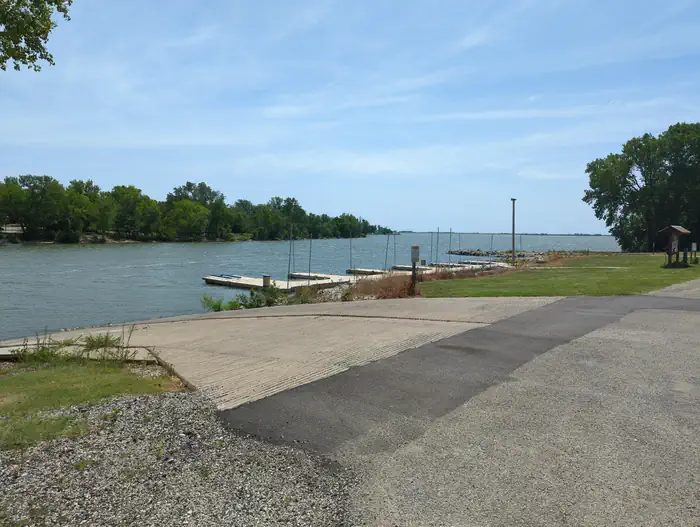
Marion Reservoir presents a practical, well-appointed destination for water-centric recreation. Four distinct camping areas, each with boat ramps, facilitate easy access to the water. The fishery is well-stocked, offering walleye, crappie, white bass, wipers, and catfish. Beyond fishing, the reservoir accommodates kayaking and tubing in its calm coves. Surrounding public lands support wildlife viewing, and during season, hunters pursue upland game birds and small game. For families, Cottonwood Point provides courtesy docks for boat launching, a nature trail, and a playground. Marion is a strong choice for those prioritizing accessible aquatic activities and developed camping.
Who it is for
This unit excels as a regional amenity, particularly for Kansas residents and those seeking accessible recreation without entry fees. Anglers will find suitable warm-water fishing opportunities. Its full-facility campsites near a substantial reservoir make it a practical overnight stop for U.S. Highway 56 travelers. However, its appeal is specific. Serious hikers will find limited trail mileage here. Those seeking dramatic mountain vistas or a remote, untamed wilderness experience should adjust their expectations; this is not that kind of park.
Best time to visit
This unit excels as a warm-weather destination. Prime conditions for fishing, boating, and camping run from late spring through early fall, aligning with active fish and water sports. The 253 campsites frequently reach capacity on summer weekends; midweek visits or advance reservations are essential then. Fall brings hunting opportunities and reduced crowds. While winter quiets water recreation, wildlife viewing remains possible. This is a seasonal park.
Worth seeing
- Fishing for walleye, crappie, white bass, wipers, and catfish across a 6,200-acre reservoir
- 253 campsites spread across four cove parks, each with its own boat ramp
- Cottonwood Point courtesy docks making boat launches and retrieval straightforward
- Willow Walk Nature Trail, a one-mile path suited to casual walkers and families
- Boating and water sports on a large, open reservoir with multiple access points
- Surrounding 6,000 acres of public land for wildlife viewing and upland game hunting
Before you visit
This reservoir presents a straightforward proposition. Its position directly off U.S. Highway 56 ensures easy access. With 253 campsites distributed among four parks, it offers substantial lodging capacity. However, demand surges on summer holiday weekends; advance booking is prudent during these periods. Every campground provides boat ramp access. Cottonwood Point distinguishes itself as the premier option for boaters, featuring multiple courtesy docks.
Our tipCottonwood Point is the most fully featured of the four parks, with the nature trail, courtesy docks, and playground all in one spot, so if you are visiting with mixed interests or a family, anchor there rather than splitting across coves.