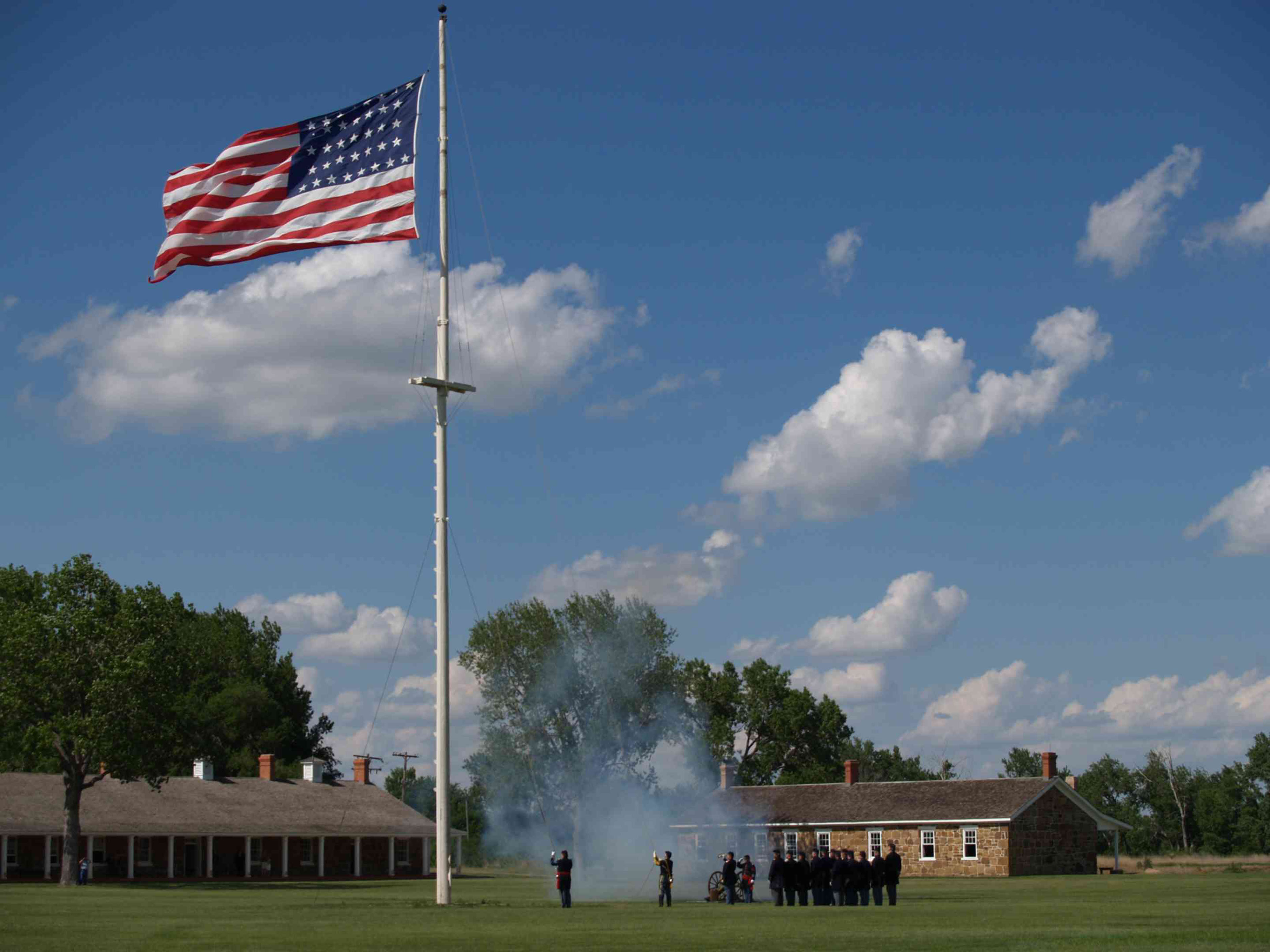
Fort Larned National Historic Site: our verdict
Fort Larned stands as one of the nation's most intact frontier army posts.
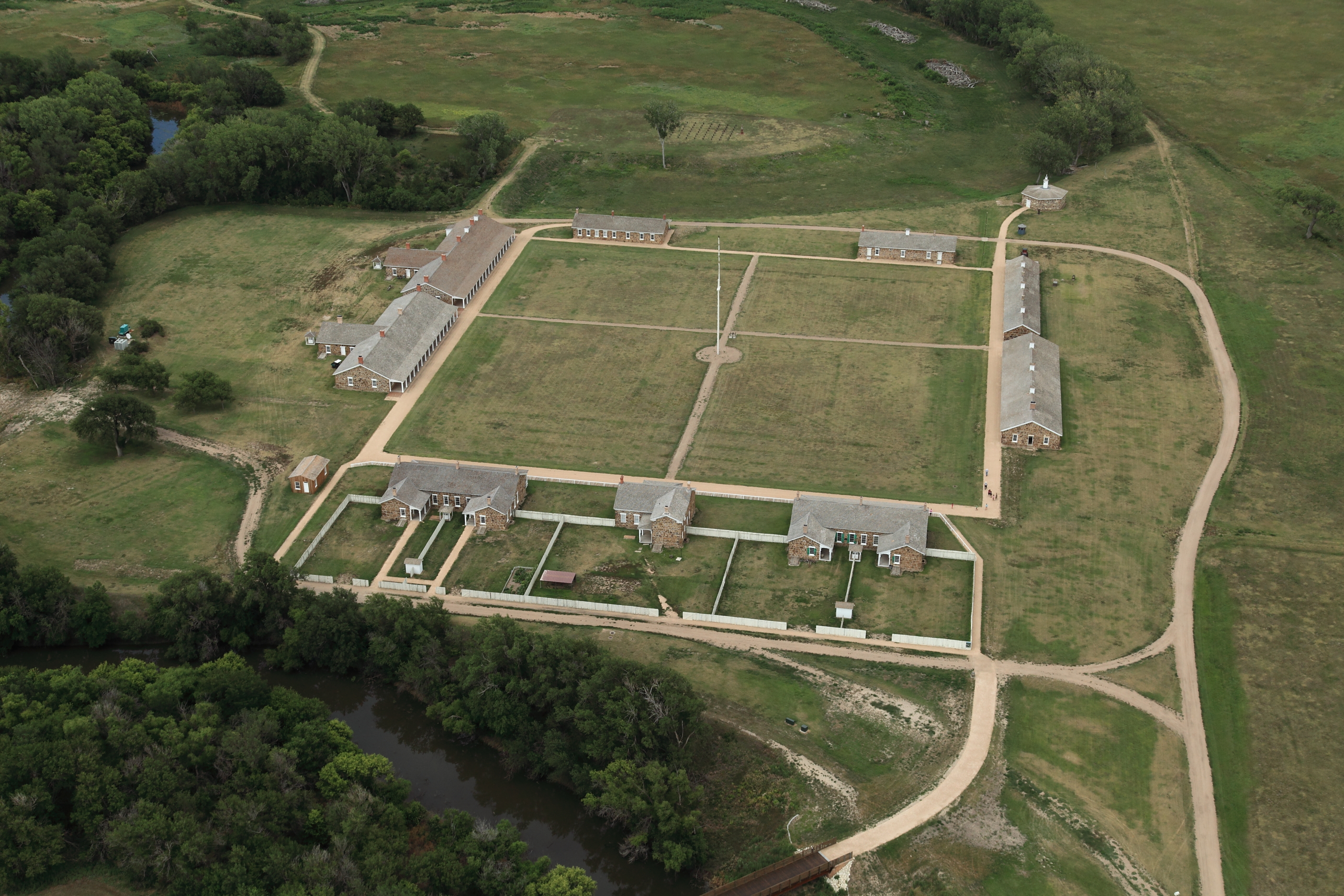
A collection of original 1860s and 1870s sandstone buildings populate the Kansas plains, presenting the post much as it appeared when soldiers patrolled the Santa Fe Trail. This is not a reconstructed village or isolated structure, but an entire, preserved post. This makes it genuinely rare. The experience is quiet and unhurried. Living history demonstrations and guided tours resonate here, amplified by the authentic physical setting. It serves a niche audience. Visitors must have an interest in frontier military history, the Santa Fe Trail era, or the Indian Wars period to gain full appreciation. Casual park-goers may find it lacks broader appeal. For history-focused travelers, particularly families with children old enough to engage with exhibits and demonstrations, it delivers disproportionately to its modest scale.
Why visit
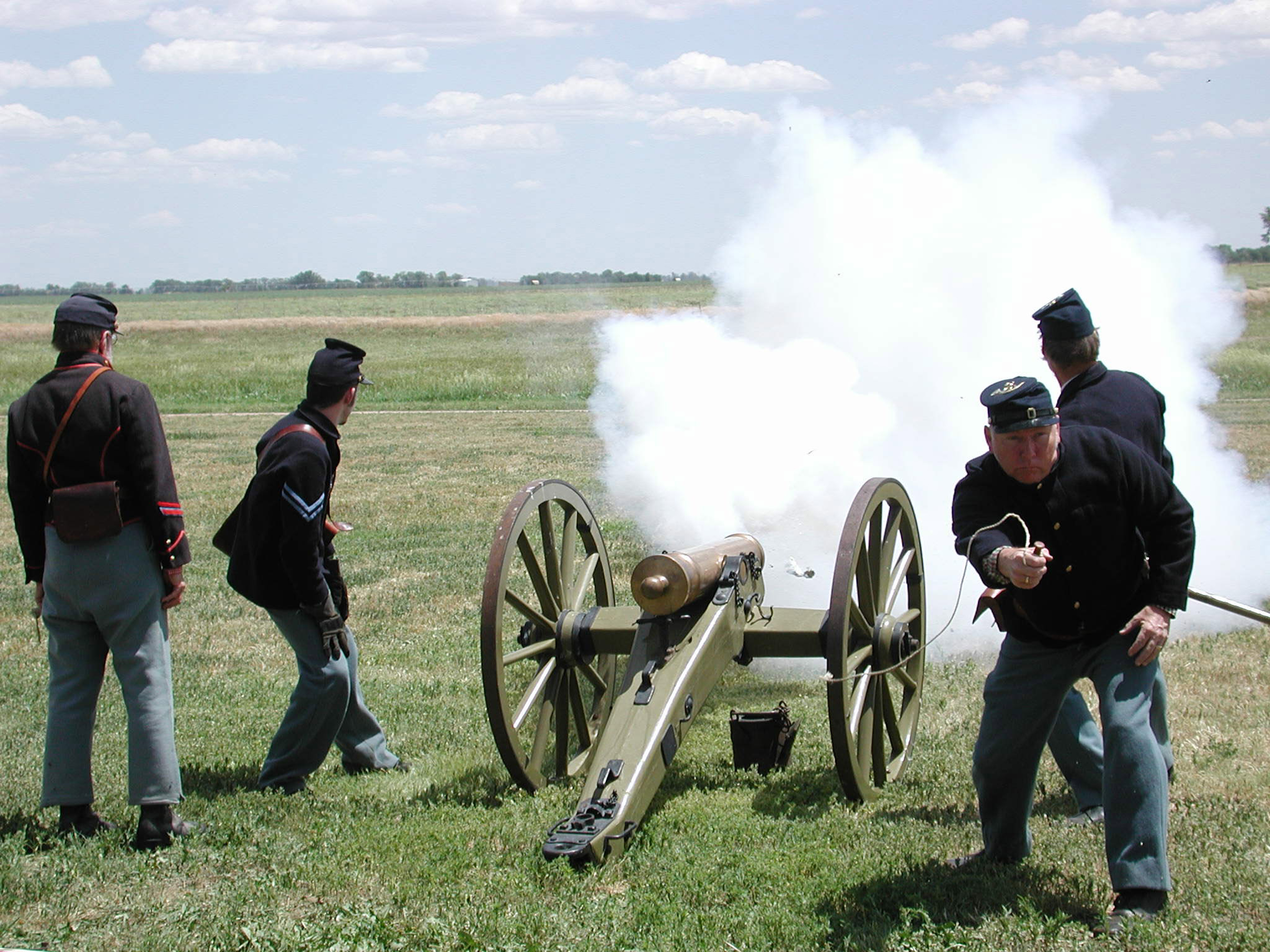
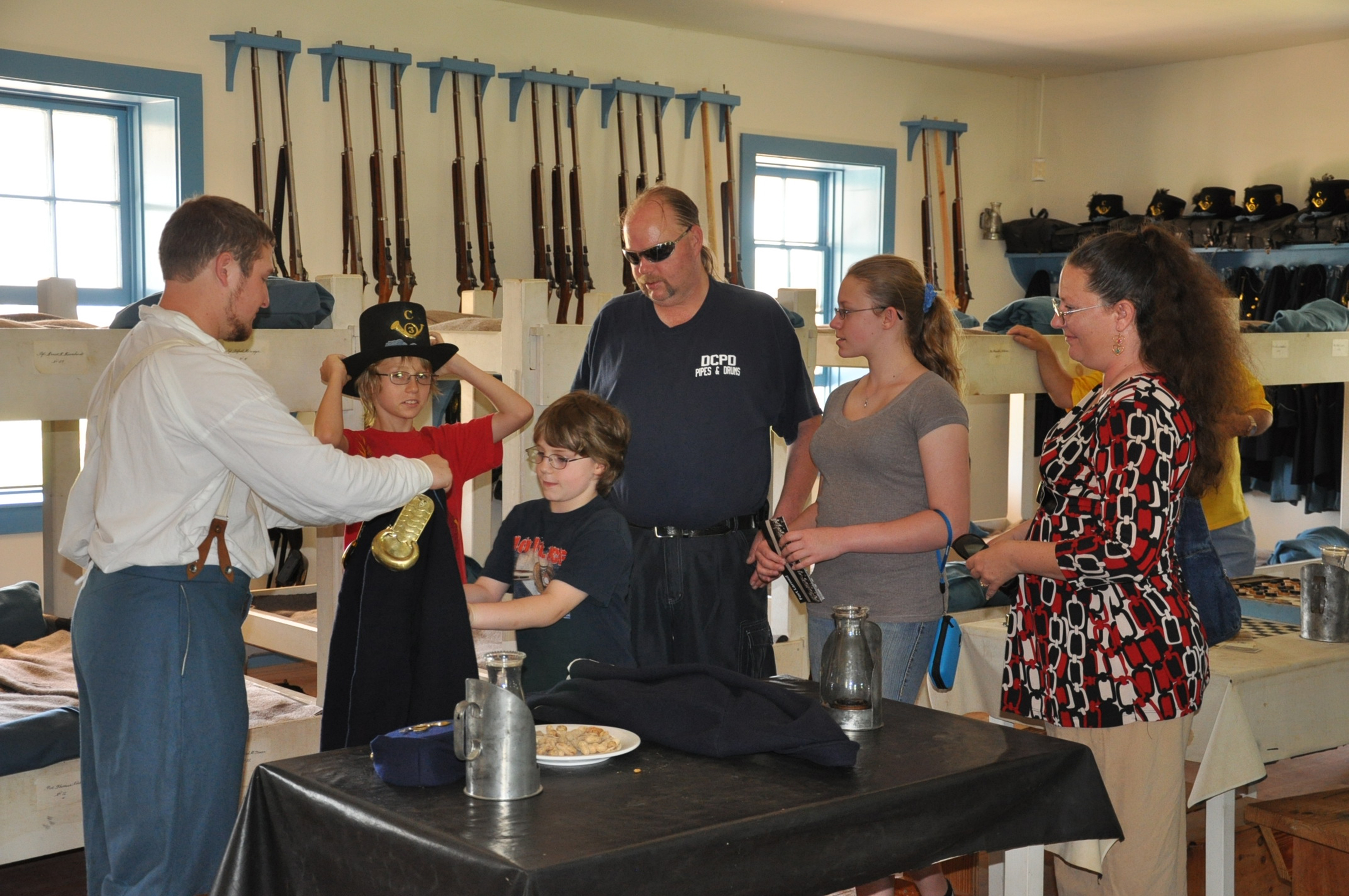
This unit prioritizes interpretive depth over strenuous activity. Visitors begin with an orientation film before exploring sandstone buildings, either on a guided tour or a self-guided walk through the grounds and museum exhibits. Living history programs and historic weapons demonstrations offer visceral, memorable experiences, transforming static rooms into active learning spaces. The Junior Ranger program effectively engages younger children. Picnic facilities encourage extended visits. With free admission, there is no pressure to rush. The blend of original architecture, interpretive programming, and hands-on activities provides a fulfilling half-day experience.
Who it suits
This site deeply satisfies history enthusiasts focused on the American West, the Santa Fe Trail, or frontier military life. Families with school-age children benefit from the Junior Ranger program and weapons demonstrations. Casual travelers driving through central Kansas seeking a quick roadside stop may find the early 5 p.m. closure limits flexibility. This is not a hiking or outdoor recreation destination.
Timing your visit
Optimal visitation runs from late spring through early fall, aligning with peak programming and comfortable walking conditions. Summer brings higher temperatures on the open Kansas plains; however, this is also when living history events are most prevalent. Plan accordingly for a 4:30 p.m. closing process and 5 p.m. gate lock. Late afternoon arrivals are ill-advised. Spring carries a risk of severe weather. Winter offers cold, dry conditions and reduced programming.
What stands out
- Original 1860s and 1870s sandstone buildings preserved as a complete, intact frontier army post
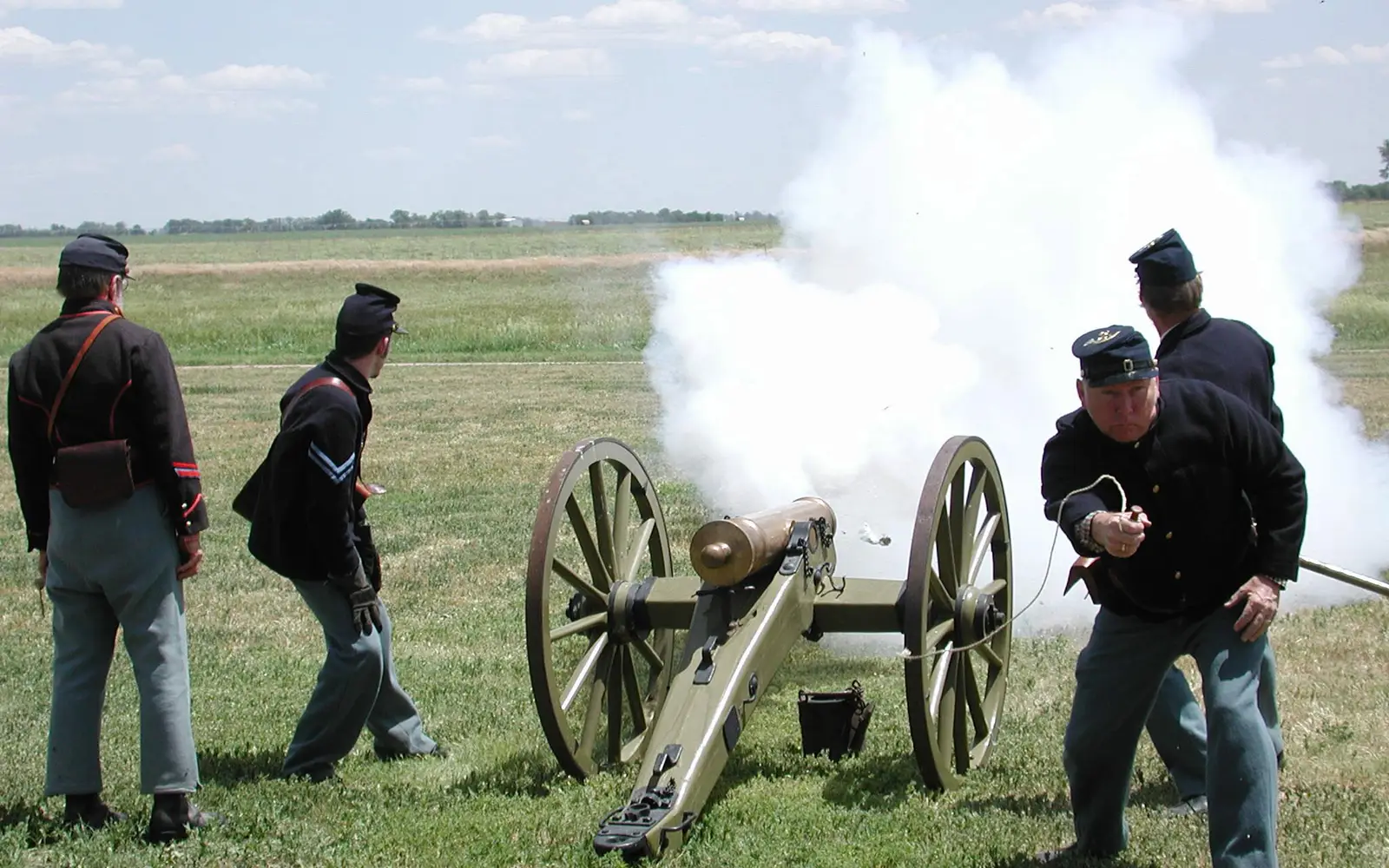
- Historic weapons demonstrations that bring the military history to life
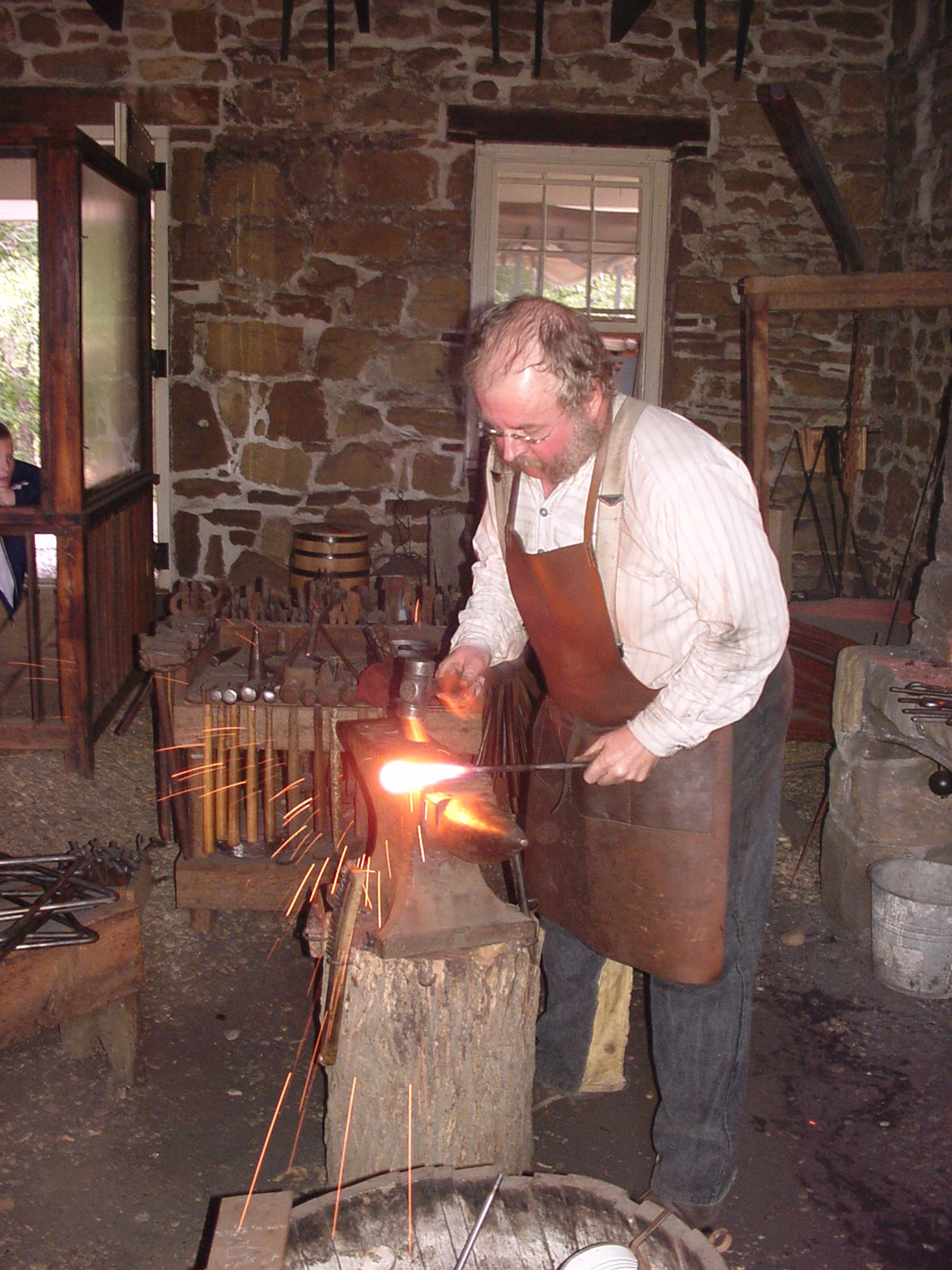
- Living history programming rooted in the Santa Fe Trail and Indian Wars era
- Guided tours led by park staff through the authentic structures
- Museum exhibits and a park film providing strong interpretive context
- Junior Ranger program giving kids a structured, hands-on way to engage
Good to know
Entrance is free. With grounds and the visitor center closing at 4:30 p.m. and the parking lot gate locking at 5 p.m., visitors should plan for a two- to three-hour visit. Located in rural central Kansas, the site has limited nearby services. Fuel up before arrival and pack food. Picnic facilities are available on-site.
Insider tipThe living history and weapons demonstrations elevate a visit here. These programs, however, do not run daily. Confirm their schedule before arrival for the fullest experience.