Is Sunset Crater Volcano National Monument worth your trip?
Sunset Crater Volcano National Monument, scoring 51 points, preserves the geological impact of Arizona's most recent volcanic eruption a millennium ago.
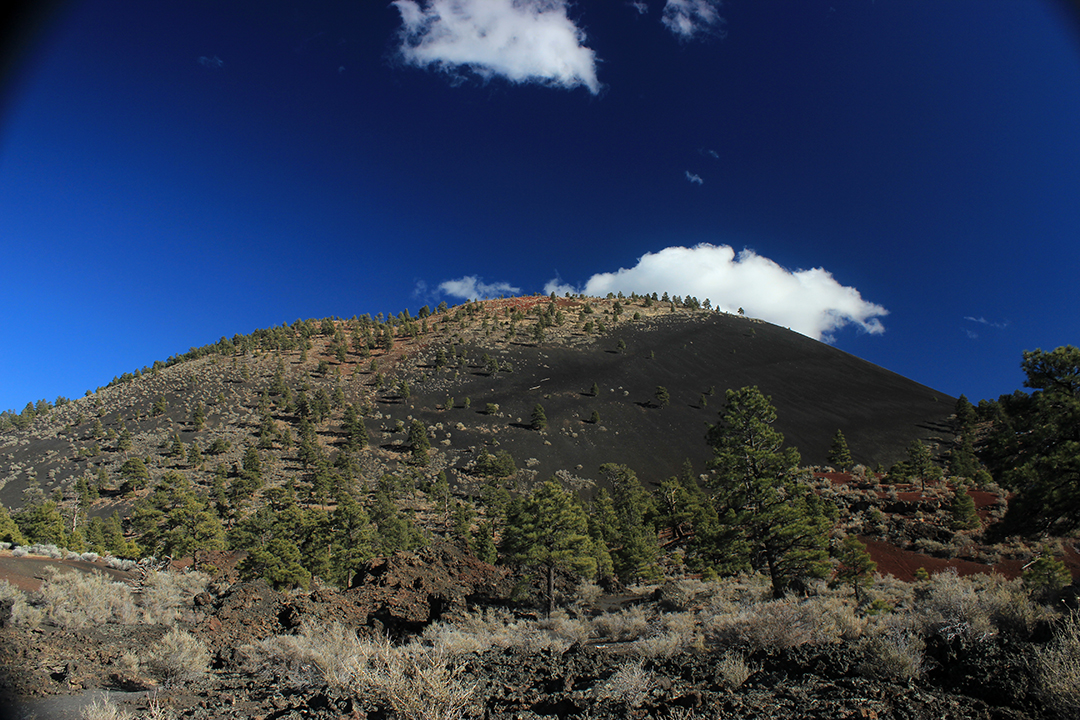
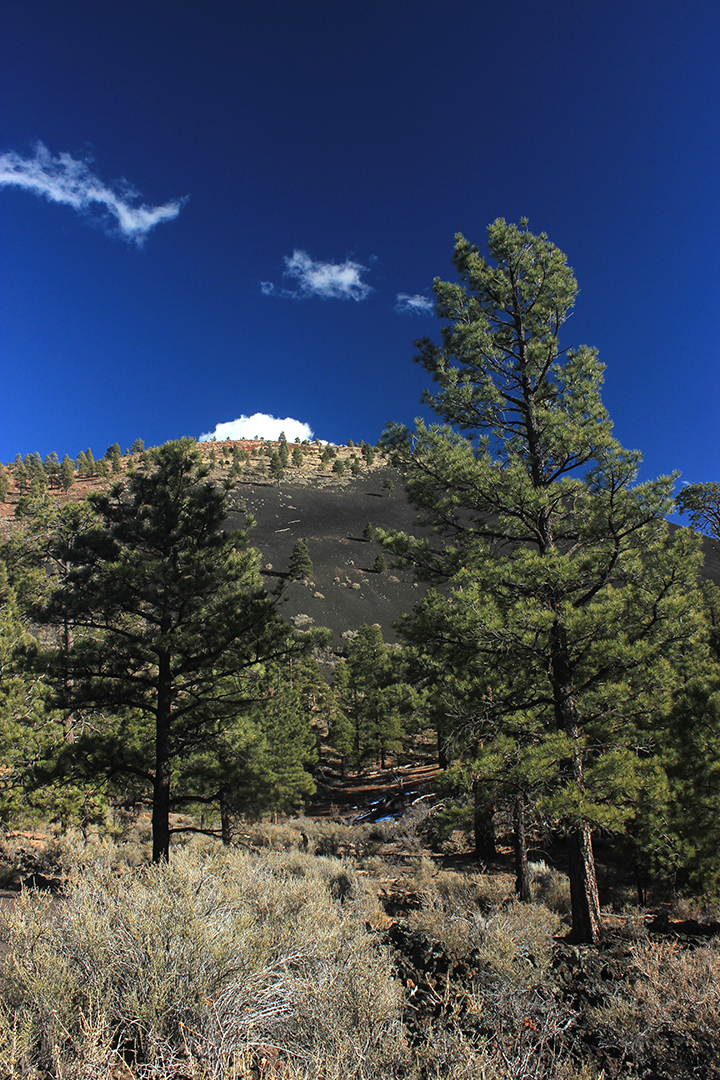
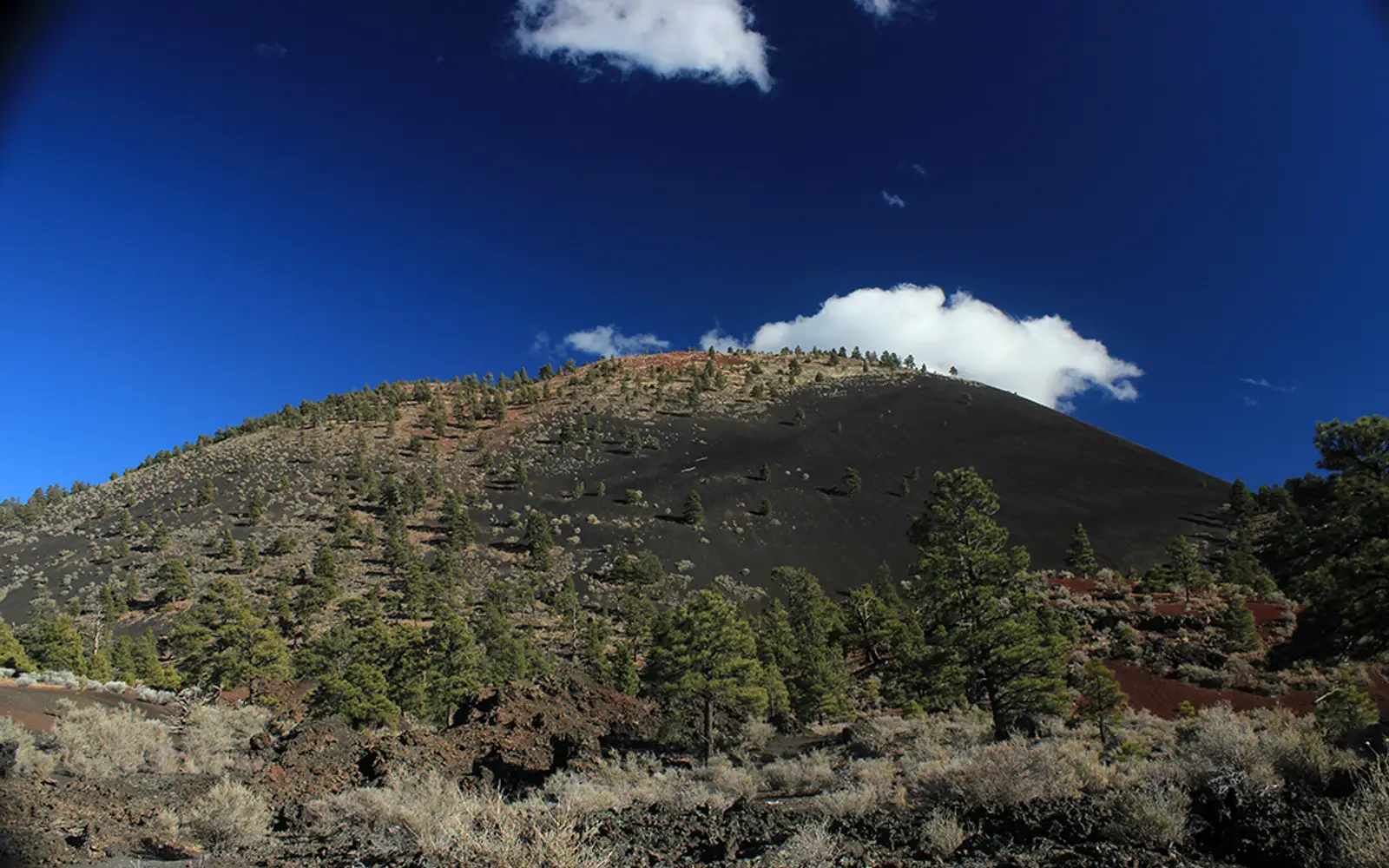
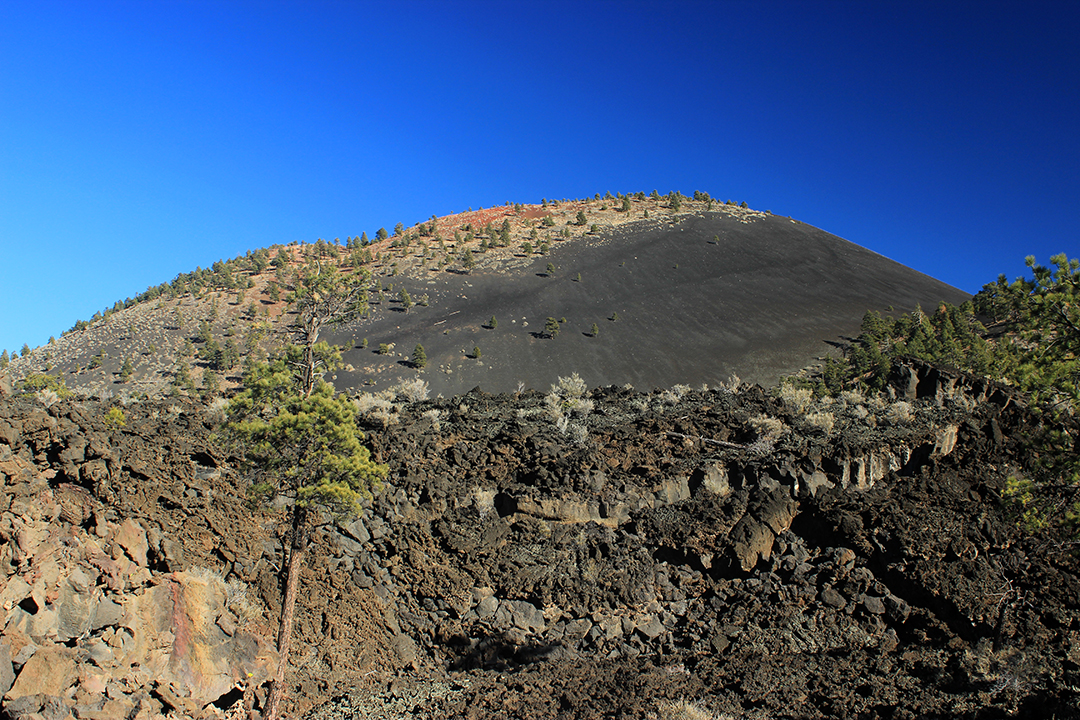
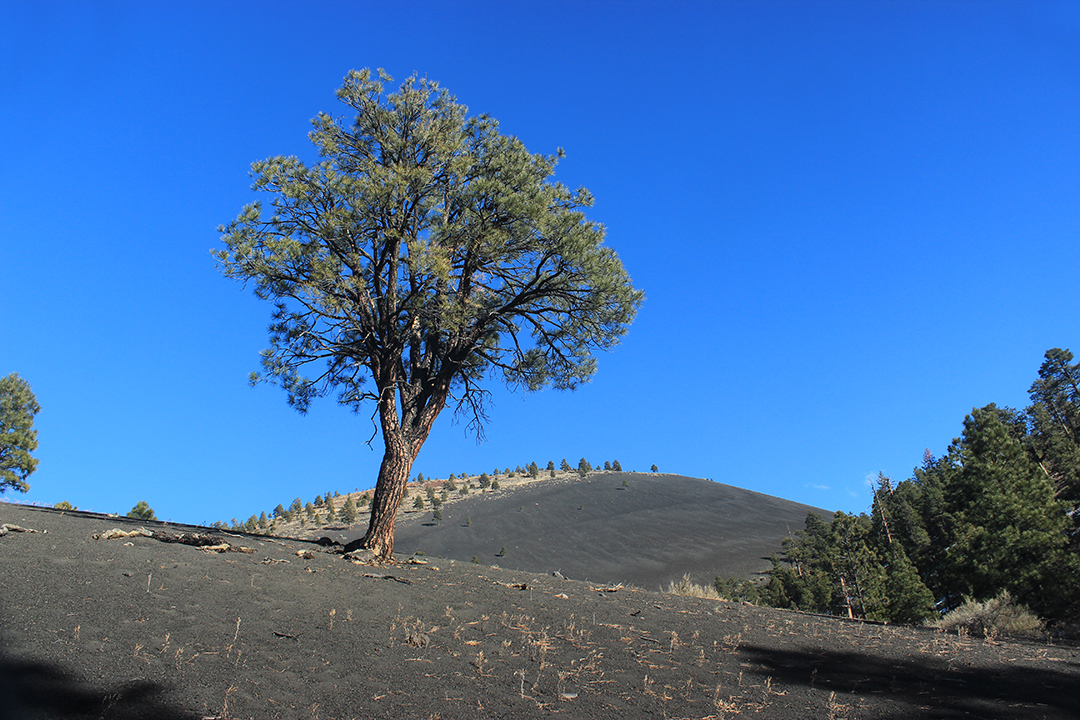
The monument's core feature is a prominent cinder cone, encircled by hardened lava flows where plant life is visibly reasserting itself. This is a compact unit. The primary visitor experience involves a self-guided walking tour through the lava field, supported by a visitor center offering exhibits and a film. Entrance is free, and the monument operates daily. Its proximity to Flagstaff makes it an accessible addition to Northern Arizona travel plans. Dark skies provide genuine stargazing opportunities. Geology enthusiasts, families with inquisitive children, and travelers between Flagstaff and the Painted Desert will find this a worthwhile stop. As a primary destination warranting significant travel, however, its scope is too limited.
Why go
This monument rewards visitors who prioritize context and unique landscapes. Start at the visitor center; its museum exhibits and park film provide essential geological and cultural background. The self-guided walking tour through the lava flow offers a truly alien experience, with black basalt, ponderosa pines, and wildflowers creating improbable beauty. Rangers offer guided tours, deepening the volcanic narrative. The Junior Ranger program effectively engages children. For those staying into the evening, the monument's elevation north of Flagstaff, combined with low light pollution and 24/7 road access, makes stargazing genuinely rewarding. This is a destination for those seeking unique geological immersion and celestial views.
Best for
This monument caters to geology enthusiasts, amateur astronomers, and families with children. It serves as an ideal half-day visit, best paired with a Flagstaff base or a trip to nearby Wupatki National Monument. Those seeking extensive hiking, abundant wildlife, or a multi-day itinerary will find it insufficient. This is a stop, not a primary destination.
Best season
Optimal visits fall in late spring or early autumn. Summer, from July through September, brings temperatures exceeding 95 degrees Fahrenheit and regular afternoon thunderstorms, often cutting visits short. Winter months see snow, ice, and freezing temperatures, though the snow-dusted lava fields offer a striking visual. High winds are a year-round possibility; layered clothing is always advisable.
The high points
- Self-guided walking tour through a thousand-year-old lava flow with visible plant regrowth
- Visitor center museum exhibits and park film covering the eruption and its impact on Indigenous communities
- Ranger-led guided tours adding geological and cultural context
- Stargazing at elevation with 24/7 road and trail access
- Junior Ranger Program keeping younger visitors actively engaged
- Free admission making it a low-risk add-on to any northern Arizona trip
Know before you go
Admission is free. The visitor center is open 9 a.m. to 4:30 p.m. daily except Thanksgiving, Christmas, and New Year's Day, but roads and trails are accessible around the clock. The monument sits north of Flagstaff on Highway 89 and is commonly paired with Wupatki National Monument, which shares the same entrance road.
One more thingStargazers should consult a lunar calendar. While 24/7 road access permits late arrival after the visitor center closes, a new moon dramatically enhances the view over the lava field compared to a full moon.