589 units scored Refreshed on a schedule Independent, no sponsored rankings
National Wildlife RefugeFL
St. Marks National Wildlife Refuge
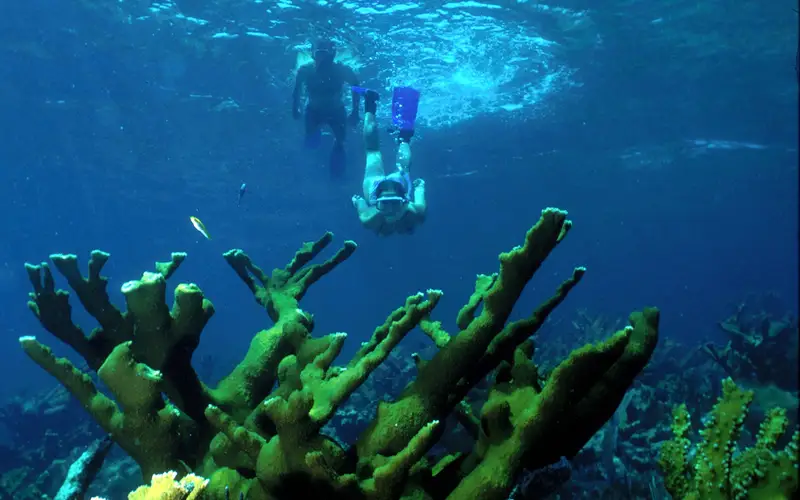
NPS / Steve Hillebrand - USFWS
56/ 100GOOD RANGE
parkverdict Experience ScoreIndependent, not sponsored
56 of 100. Our independent breadth-and-access index. How we score
Our verdict
Should you visit St. Marks National Wildlife Refuge?
St.
Marks National Wildlife Refuge prioritizes conservation over recreation. This 86,000-acre expanse of Gulf Coast marsh, tidal creeks, and river estuaries in the Florida Panhandle offers authentic encounters with migratory birds and coastal ecosystems. There is no entry fee. The 1842 lighthouse is a striking and operational landmark. However, visitors seeking manicured trails or extensive infrastructure will find the refuge lacking. The experience score reflects this reality; this destination does not cater to casual sightseers.
Who should go
This is a destination for the self-reliant. Birders, anglers, and photographers will find ample opportunities for unmediated engagement with the landscape. Those seeking dramatic vistas or full-service park amenities, however, will be disappointed. Hunters are also a significant presence within the unit.
Highlights
Migratory bird watching across coastal marshes and estuaries spanning three Florida counties
Fishing and boating access into tidal creeks fed by seven north Florida rivers
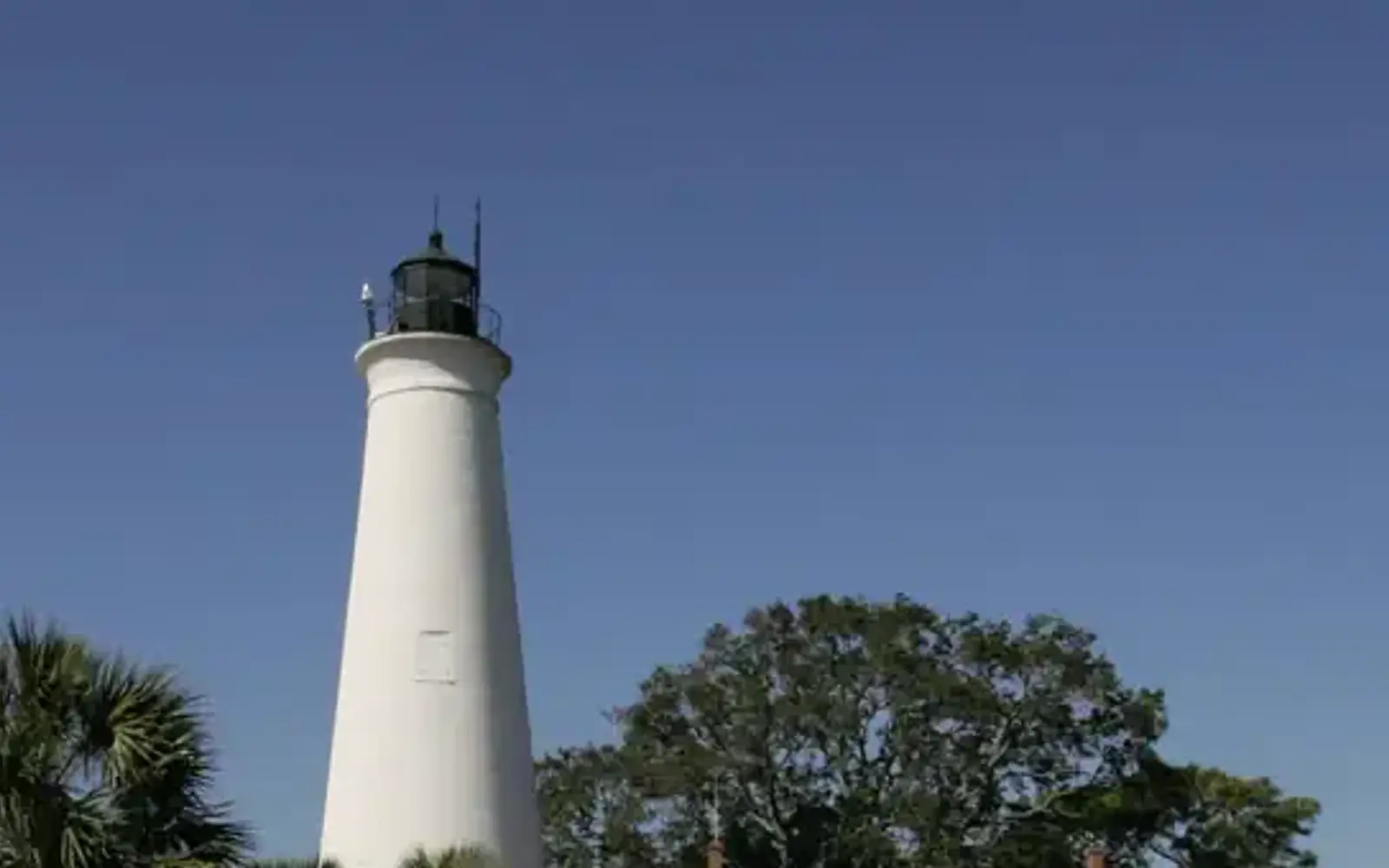
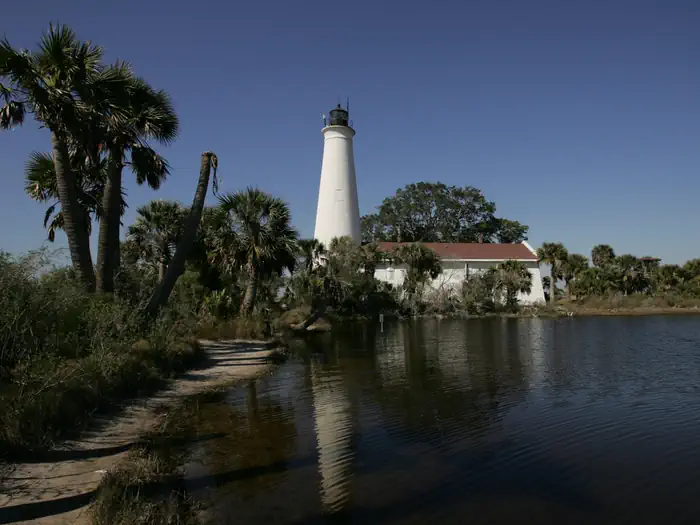
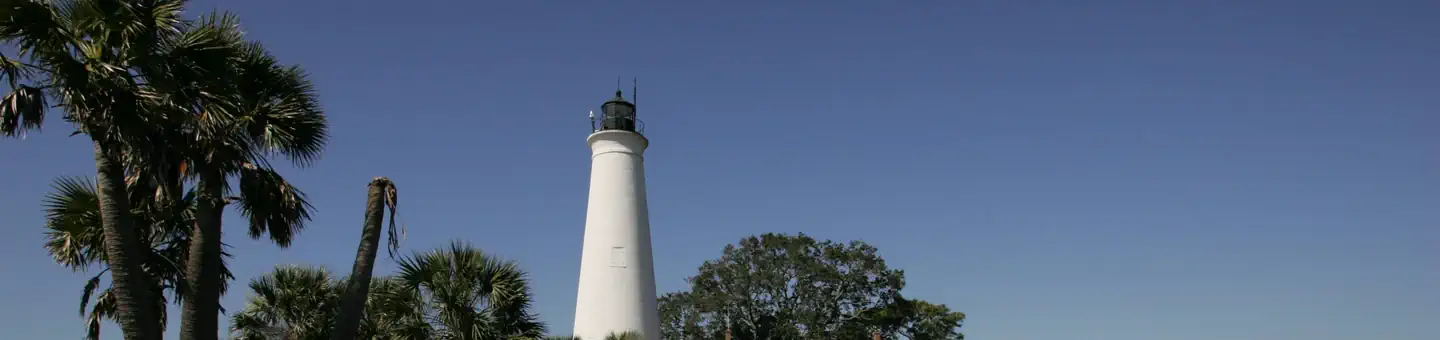
The St. Marks Lighthouse, built in 1842 and still an active navigational aid on the Gulf Coast
Free entry with interpretive and educational programs available through the visitor center
Editor's tipPeak visitation runs from October to February, aligning with migratory waterfowl patterns and cooler temperatures. Hunters should
How we scored it
How St. Marks National Wildlife Refuge earned its 56
Where does a 56 come from? One formula, run the same on every place we cover, built only from public data on what a unit offers and how reachable it is. It says nothing about how pretty a spot is or how busy it gets. This is what fed it:
Activity breadth9 documented activities
Topic breadth0 topics
Official imagery2 public-domain images
Camping on sitenone recorded
Entry costfree
No number is hand-adjusted and no unit pays for placement. The full weights, the floor at 18 and a worked example are on how we score.
The honest limits
What the number leaves out
Worth saying plainly: this number only knows what the data shows, which is breadth and access. It has no idea whether the scenery is jaw-dropping, whether the lot is a zoo in July, what shape the trails are in, or how good the guided walks are. So do not read a lower score as a worse day out. A focused little site can beat a big all-rounder for the right person. Compare the numbers for what is on offer, then read the verdict for who each place actually suits.
The basics
St. Marks National Wildlife Refuge at a glance
Established in 1931, the Refuge provides wintering habitat for migratory birds. It's among the oldest refuges in the National Wildlife Refuge System. Over 86,000 acres make up its area, spread across Wakulla, Jefferson, and Taylor counties. This includes about 43 miles of Florida's Gulf Coast.
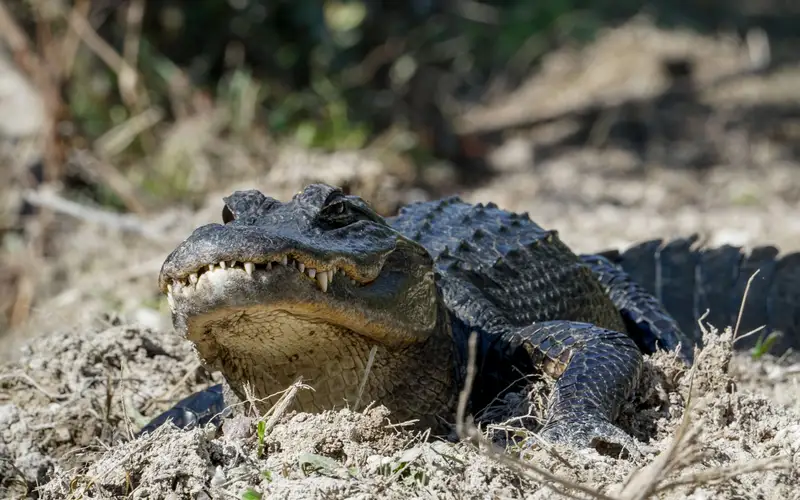
The Refuge contains coastal marshes, islands, and tidal creeks. It also incorporates estuaries of seven north Florida rivers. A diverse community of plants and animals lives here.
The Refuge has ties to a rich cultural past. The St. Marks Lighthouse is located within its boundaries. Its current tower was built in 1842 and remains in use today.
More than 17,000 acres are protected under the Federal Wilderness Act. It is a Longleaf Pine Land Management Research and Demonstration Area. This is a Globally Important Bird Area. It is an Outstanding Florida Waters Class 1 Air Quality area.
On documented breadth and access, St. Marks National Wildlife Refuge ranks 15th of 17 park and public-land units we score in Florida.
Is St. Marks National Wildlife Refuge worth visiting?
St.
Is St. Marks National Wildlife Refuge free to visit?
Yes, there is no entrance fee.
What is St. Marks National Wildlife Refuge best for?
It leans hardest toward hiking, water activities, wildlife watching, guided tours, going by the 9 activities it actually documents.
How is the Experience Score for St. Marks National Wildlife Refuge calculated?
The 56 comes straight from public data on how much the place documents and how easy it is to reach, things like activities, topics, photos, camping and whether entry is free. It says nothing about scenery or how busy it gets.
Reviewed by Irene A. Taranina, founding editor/Checked against official public data/Published /Updated /Independent, no sponsored rankings
parkverdict is an independent digital publication. Not affiliated with the National Park Service.