
parkverdict
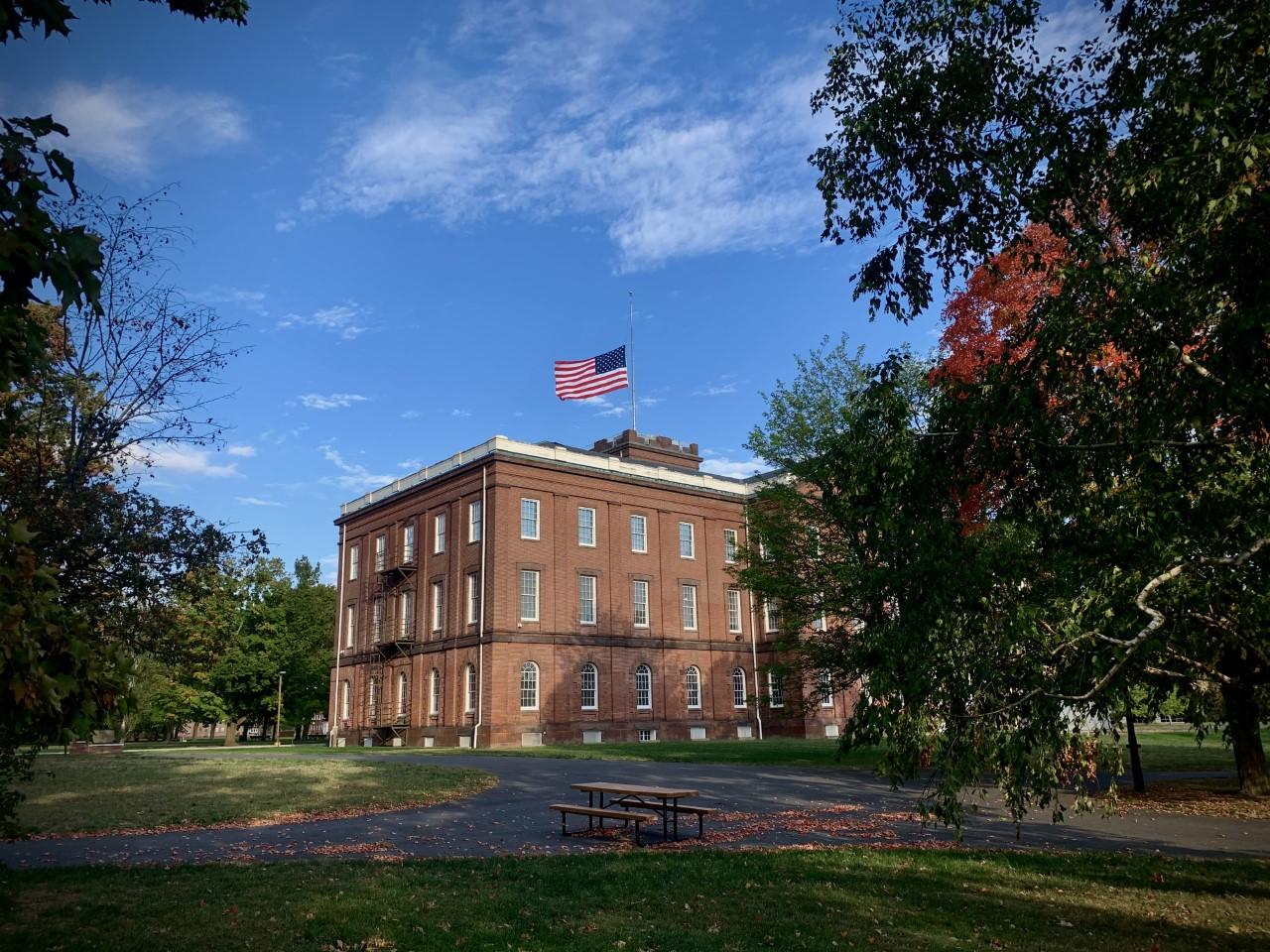
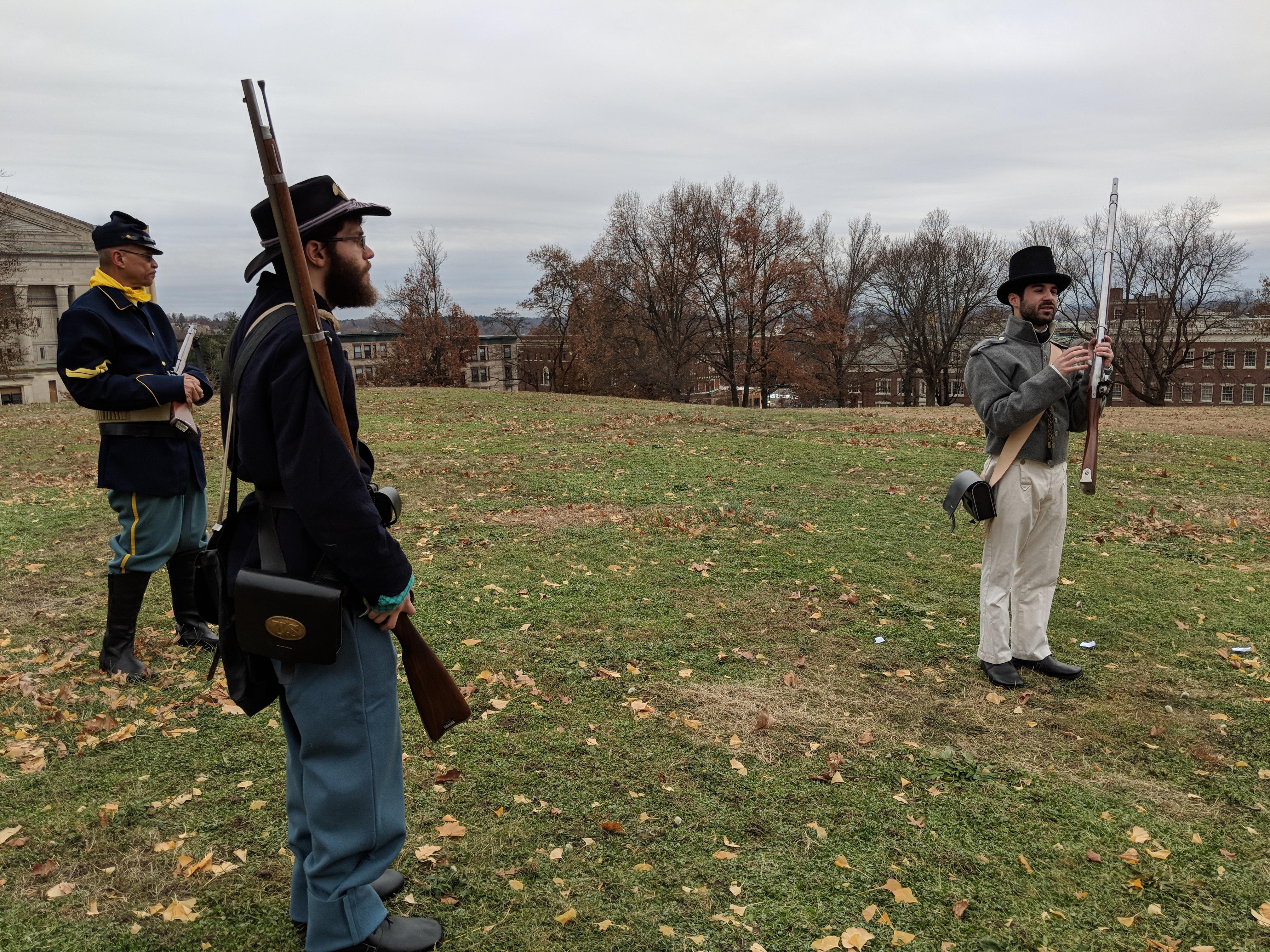
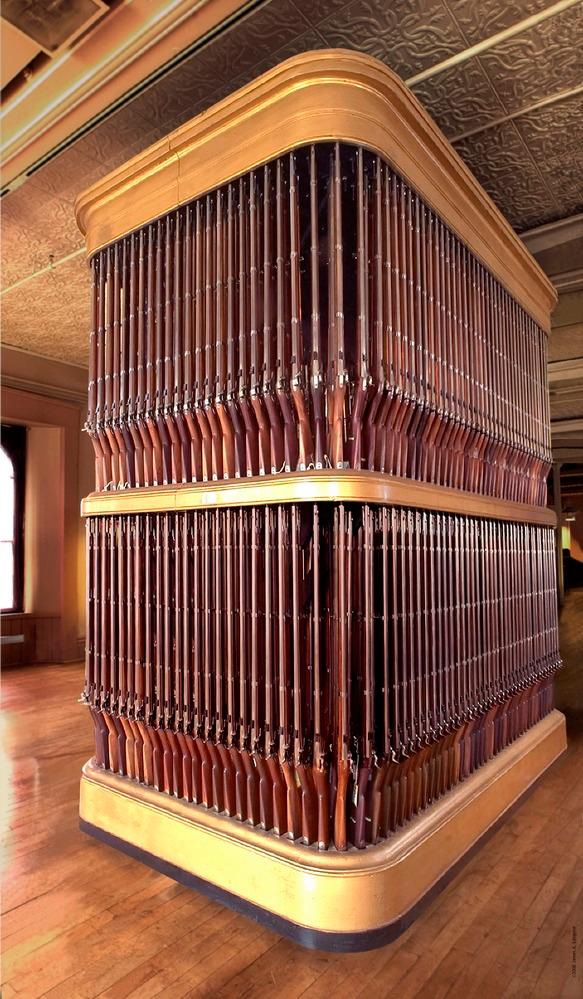
The Main ArsenalThree Park Volunteers, holding historic firearms, on the grounds of the Armory against a cloudy sky.The tower of the Armory with the flag at full mast blowing in the wind on a cloudy day.A double musket rack holding 645 Springfield US Model 1861 rifle muskets.
National Historic SiteMA

Springfield Armory National Historic Site

NPS / NPS Photo
59/ 100GOOD RANGE
parkverdict Experience ScoreIndependent, not sponsored

59 of 100. Our independent breadth-and-access index. How we score

Worth it?

Is Springfield Armory National Historic Site worth it?

Springfield Armory National Historic Site is free to visit and holds what is genuinely the world's largest collection of historic U.S.

military small arms. That is not a marketing line. Standing in front of those racks and cases in person does something to your sense of American industrial and military history that reading about it simply cannot. The armory operated for nearly two centuries, and its influence on manufacturing methods spread well beyond weapons production. The visit itself is mostly indoors and interpretive, built around guided tours, a film, and periodic live demonstrations. Think of it as a focused half-day site rather than a sprawling outdoor park. Visitors who arrive curious about American history, technology, or military heritage tend to leave satisfied, and for them it is a legitimate destination worth a dedicated trip. If you were hoping for trails or scenery, this is not the place.

The case for it

The museum collection is the real draw, and its scale and specificity are hard to match anywhere else. Guided tours fill in context that walking the exhibits alone tends to miss, and the park rangers know both the weapons history and the broader industrial story of the armory with genuine depth. Live weapons demonstrations show you things the glass cases simply cannot. If it is your first visit, watch the park film before you start touring. Families with kids can use the Junior Ranger program to give the day some structure. The bookstore and park store carry material that serious history readers will find worth their time. Three to four hours gets you through the main grounds without feeling rushed, and admission is free, so there is no reason to cut anything short.

Who it is for

Military history buffs, American industrial history fans, and anyone genuinely curious about technology and warfare will find a lot to explore here. Families with school-age kids can take advantage of the Junior Ranger program and live demonstrations. If you showed up hoping for hiking trails or scenic overlooks, though, this is not your spot. It is an indoor, collection-driven site, and it owns that completely.

Best time to visit

The site is open Wednesday through Sunday year-round, so Monday and Tuesday are off the table. Fall is the best time to visit this part of the Pioneer Valley - the cooler air and foliage give you a real reason to slow down before or after you stop in. Summer works fine too, since almost everything is inside and air-conditioned. Winter is doable, but call ahead to check on closures around Thanksgiving, Christmas, and New Year's Day.

Worth seeing

  • The world's largest collection of historic U.S. military small arms, housed in the original armory building
  • Ranger-led guided tours that contextualize the armory's two-century role in American manufacturing and military history
  • Live historic weapons demonstrations that go beyond static display
  • Park film providing essential background on the armory's founding and significance
  • Junior Ranger program structured for families with children
  • Free admission with a well-stocked bookstore for deeper reading on military and industrial history

Before you visit

Admission is free, and the site is open Wednesday through Sunday, 9:30am to 4:00pm, so showing up on a Tuesday means a wasted trip. Budget a half day. Parking is on site, and nearly everything is indoors, which means rain or cold won't spoil things. If you're visiting around Thanksgiving, Christmas, or New Year's Day, check ahead for holiday closures before you make the drive.

Our tipBefore you go, check the NPS website for scheduled weapons demonstration dates. They do not happen every day, so if you can plan your visit around one, the collection comes alive in a way that a regular walk-through just cannot match.

How we scored it

Why Springfield Armory National Historic Site scores 59

We keep the math boring on purpose. The same handful of public-data inputs, capped so none of them dominates, decide every score. What they measure is breadth and access, not beauty and not crowd levels. For Springfield Armory National Historic Site, they shook out like this:

  • Activity breadth8 documented activities
  • Topic breadth41 topics
  • Official imagery5 public-domain images
  • Camping on sitenone recorded
  • Entry costfree

No number is hand-adjusted and no unit pays for placement. The full weights, the floor at 18 and a worked example are on how we score.

The honest limits

What the score cannot tell you

A quick honest note. The score tracks how much a place has going on and how easy it is to reach, both pulled from public records. What it cannot see is the stuff that often makes or breaks a day: whether the views stop you cold, how packed it gets in season, what the trails are like after rain, or whether you catch a great ranger talk. A small, single-focus site can land below a sprawling park here and still be the better call for your trip. Use the number to compare what places offer on paper, and the verdict up top to tell if it is your kind of place.

Background

The short version

For nearly two centuries, the U.S. Armed Forces and American industry relied on Springfield Armory for engineering advances and quality firearms. Today, Springfield Armory National Historic Site keeps that history alive through the world's largest historic U.S. military small arms collection, along with historic archives, buildings, and the surrounding landscape.

On documented breadth and access, Springfield Armory National Historic Site ranks 13th of 19 park and public-land units we score in Massachusetts.

What the seasons are like

Springfield Armory National Historic Site sits in western Massachusetts, in the Pioneer Valley. The area sees four distinct seasons. Summers are generally pleasant but can turn hot and humid. Fall brings brilliant foliage and cooler, calmer weather. Winter storms can close the park and make travel dangerous.

What you can do

Activities

Cultural DemonstrationsGuided ToursHistoric Weapons DemonstrationJunior Ranger ProgramPark FilmMuseum ExhibitsShoppingBookstore and Park Store
Common questions

Springfield Armory National Historic Site: quick answers

Is Springfield Armory National Historic Site worth visiting?

Springfield Armory National Historic Site is free to visit and holds what is genuinely the world's largest collection of historic U.S.

Is Springfield Armory National Historic Site free to visit?

It is free to get in.

What is Springfield Armory National Historic Site best for?

It leans hardest toward good with kids, guided tours, history & culture, going by the 8 activities it actually documents.

When is the best time to visit Springfield Armory National Historic Site?

The site is open Wednesday through Sunday year-round, so Monday and Tuesday are off the table.

How is the Experience Score for Springfield Armory National Historic Site calculated?

The 59 comes straight from public data on how much the place documents and how easy it is to reach, things like activities, topics, photos, camping and whether entry is free. It says nothing about scenery or how busy it gets.