Should you visit Snow Canyon State Park?
Snow Canyon State Park offers impressive breadth for its designation.
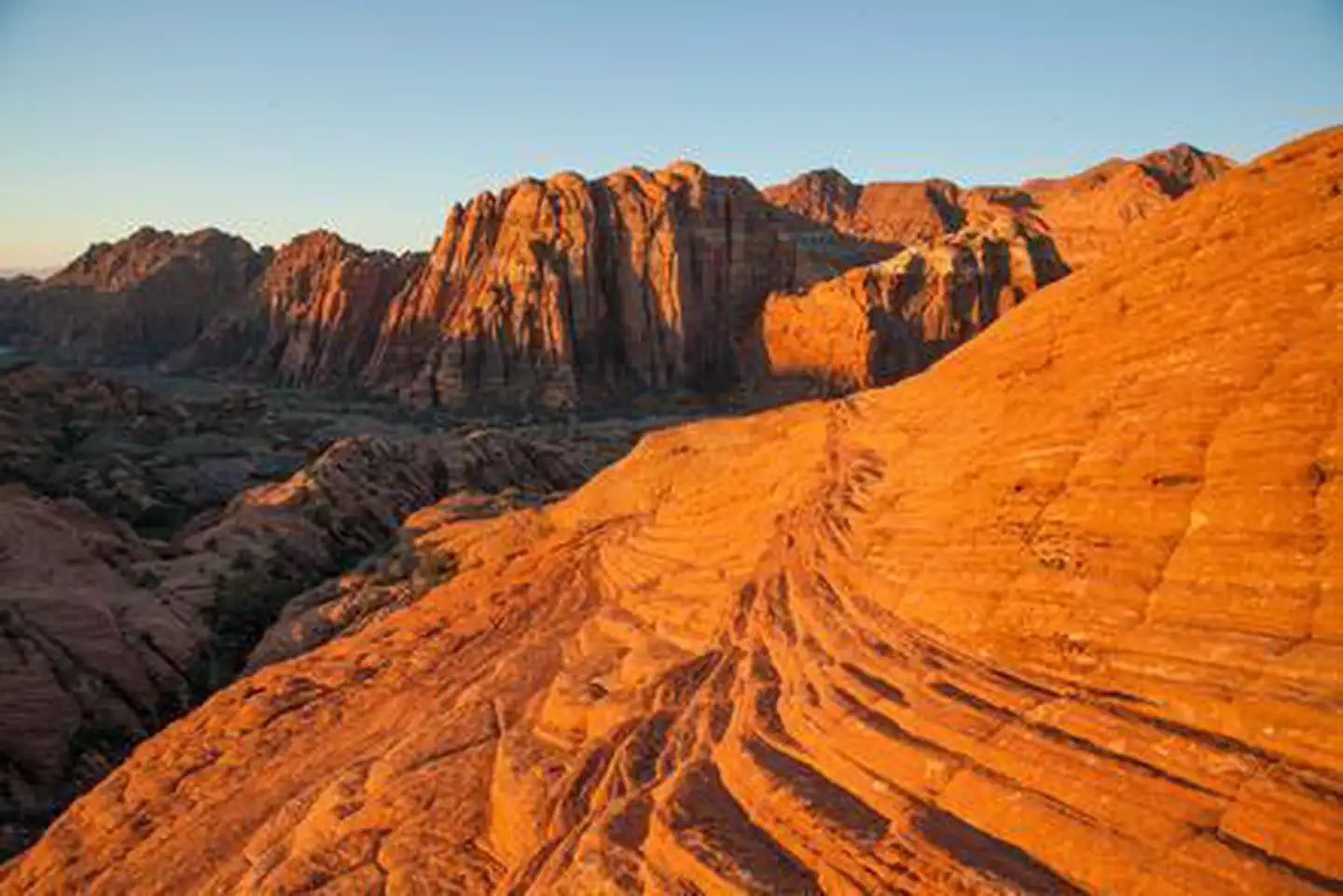
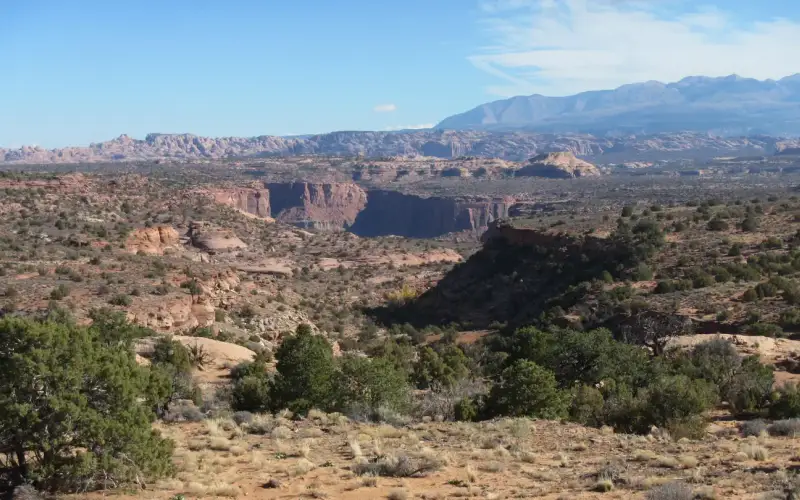
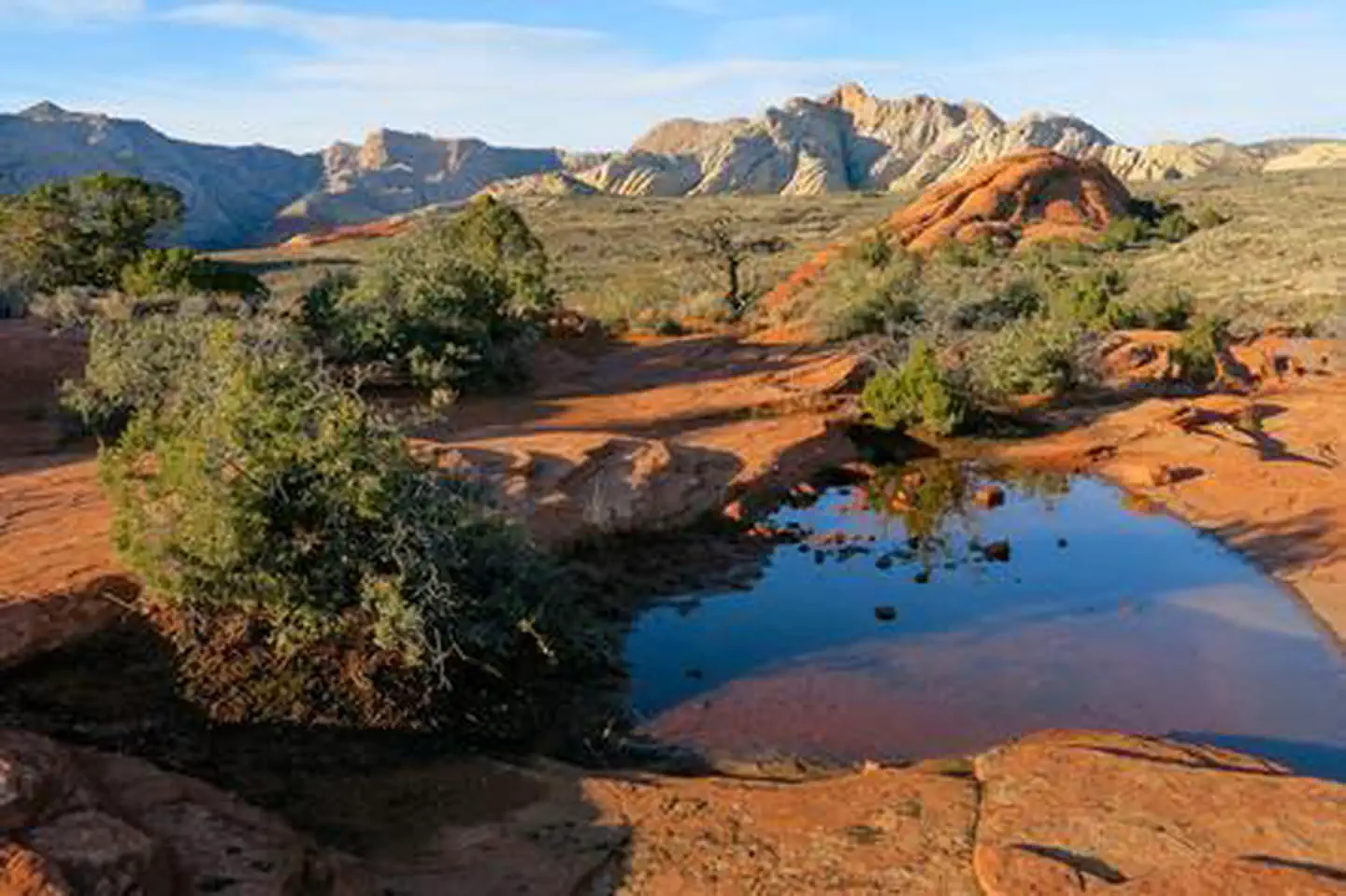
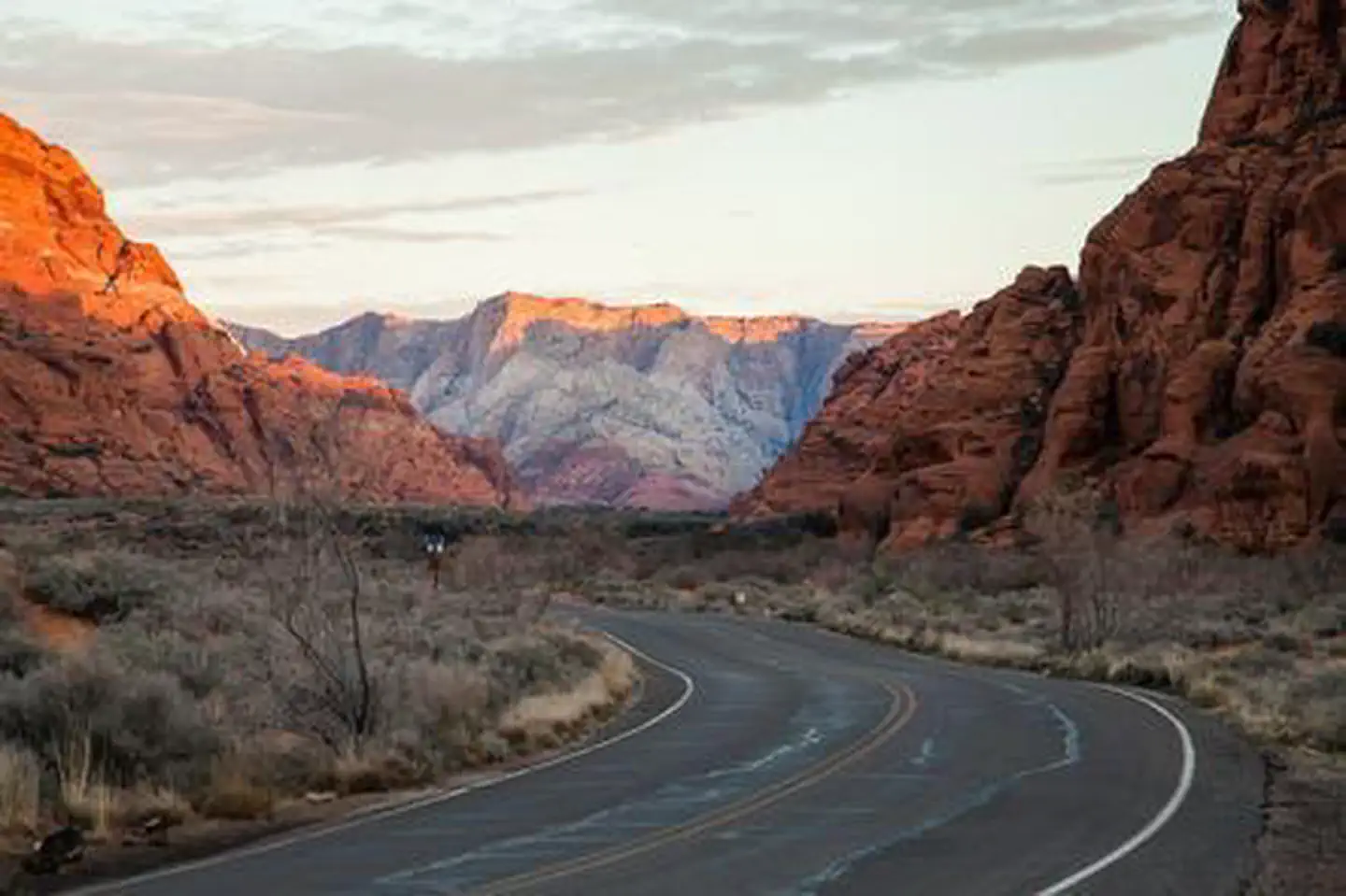
The Navajo sandstone geology, reminiscent of Zion, shapes its distinctive canyon walls. A documented experience score of 73 reflects solid documented breadth across nearly a dozen activity types. Road cyclists can traverse the scenic drive. Climbers will find bolted routes on the red and white sandstone. Campers have overnight options within the canyon. Wildlife watchers are rewarded with early morning visits. While not a wilderness epic, its compact nature allows visitors to cover the core in a single day. For those seeking southwestern Utah scenery without the crowds of larger parks, Snow Canyon presents a legitimate, multi-use destination.
What makes it worth it
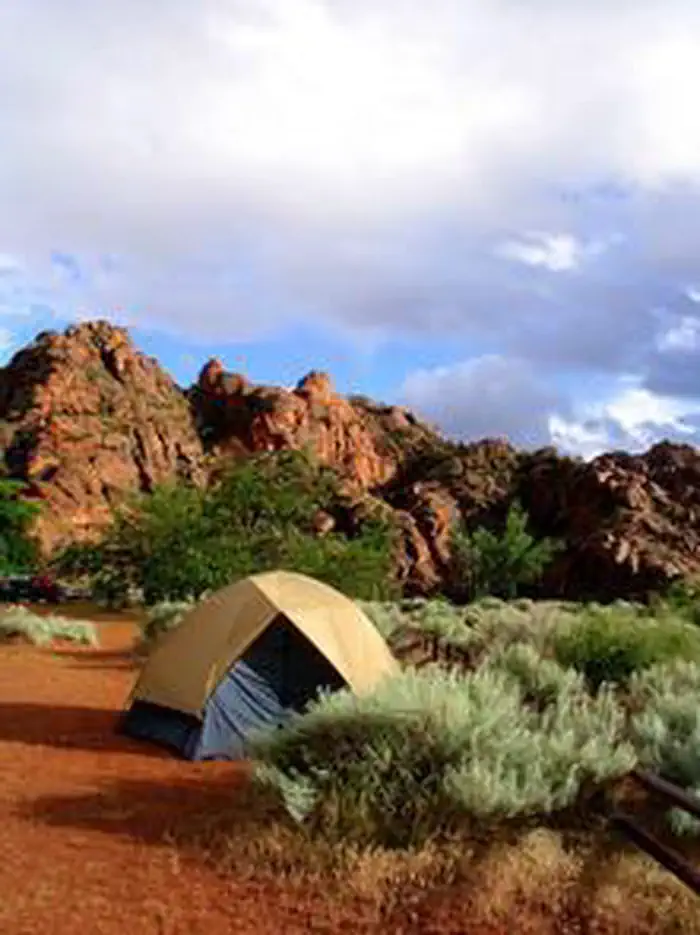
This park offers a compelling mix of experiences without demanding a singular, extended commitment. Cyclists will find a scenic drive through the main canyon, a route well-regarded for road biking within southern Utah. Climbers benefit from bolted routes catering to various skill levels, positioning this as an unusually accessible sport-climbing destination amidst striking scenery. Dawn and dusk animate the canyon with coyotes, kit foxes, roadrunners, and quail. The protected desert tortoise population adds a rewarding search-and-find dimension for wildlife enthusiasts. Overnight camping within the canyon dramatically alters the light and atmosphere, offering photographers layered sandstone colors, sand dunes, and a landscape that transforms throughout the day. This concentration of camping, climbing, cycling, and wildlife in a single compact unit makes a strong case for a dedicated visit.
Who should go
Snow Canyon caters to a specific, active demographic. Road cyclists and sport climbers will find ample challenge, while families with children can engage directly with the desert landscape. Wildlife viewing is productive at dawn or dusk. However, those anticipating backcountry solitude or grandeur on the scale of larger national parks will need to adjust their plans. This park is best suited for the active day-tripper or overnight camper. Casual sightseers should look elsewhere.
When to go
Spring and fall offer the most comfortable temperatures in this southern Utah high desert. Summer's intense heat restricts midday activity; however, dawn wildlife viewing remains a rewarding experience. Winter provides mild days and fewer crowds, making it a surprisingly strong off-season choice. Avoid midday visits in July and August unless you are already at the campground and can simply wait out the heat.
Highlights
- Scenic drive through Navajo sandstone canyon walls with road-cycling appeal
- Bolted sport-climbing routes accessible to multiple skill levels
- Dawn and dusk wildlife activity including coyotes, kit foxes, roadrunners, and quail
- Overnight camping inside the canyon for a full sunrise-to-sunset experience
- Sand dunes within the canyon that are particularly popular with younger visitors
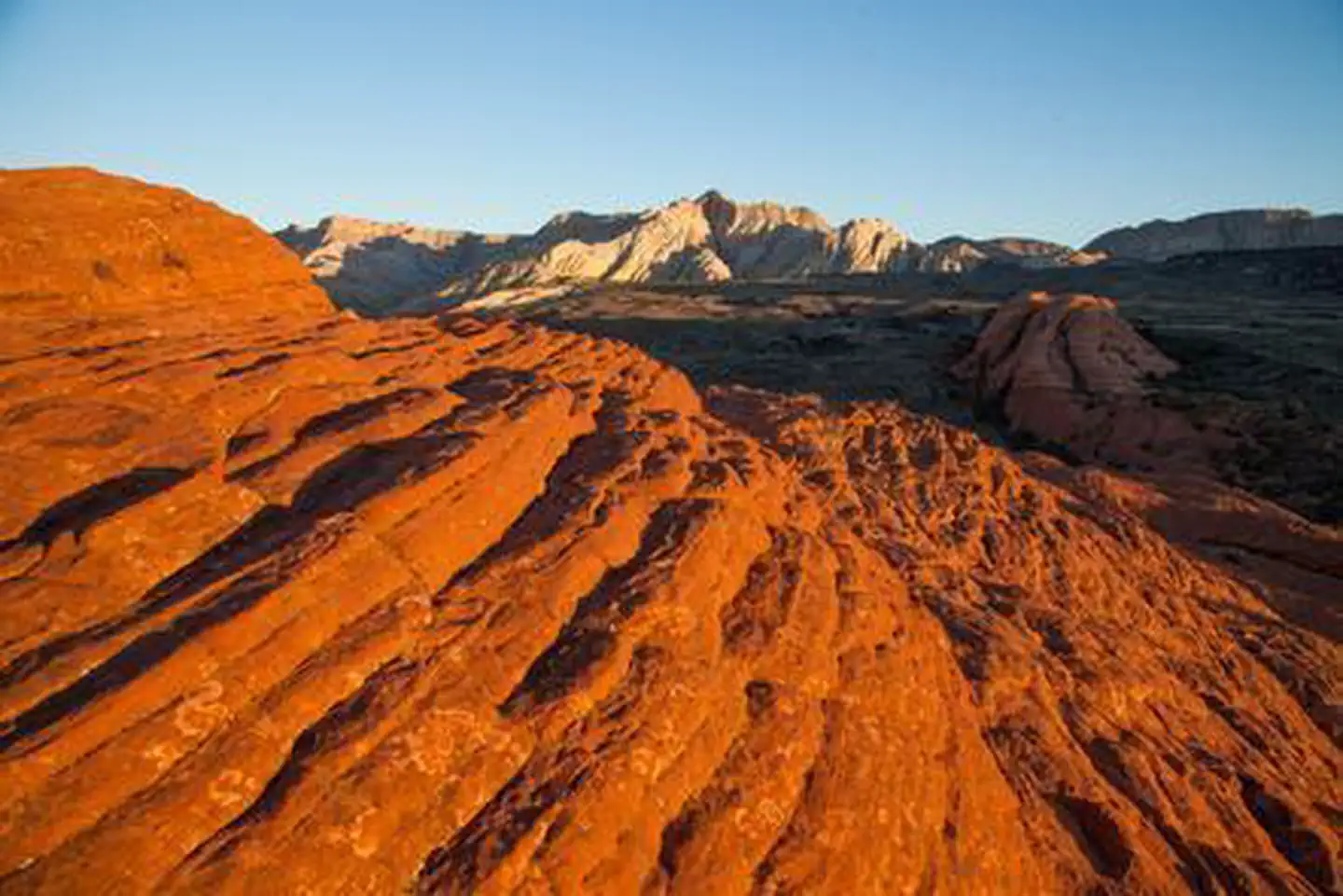
- Photography opportunities with layered red and white sandstone in shifting desert light
Plan ahead
Entry fees fluctuate. Advance camping reservations are essential, particularly on weekends and holidays, and secure quickly through the Utah State Parks system. The park's proximity to St. George makes it a convenient hub for exploring other southern Utah sites. Consult the Utah State Parks website for current fee schedules.
Editor's tipFor wildlife viewing, arrival in the 45 minutes post-sunrise is key. Coyotes and kit foxes show genuine dawn activity. That low-angle light also presents the best sandstone photography window.