Should you visit Sitka National Historical Park?
Sitka National Historical Park offers a rich, compact experience.
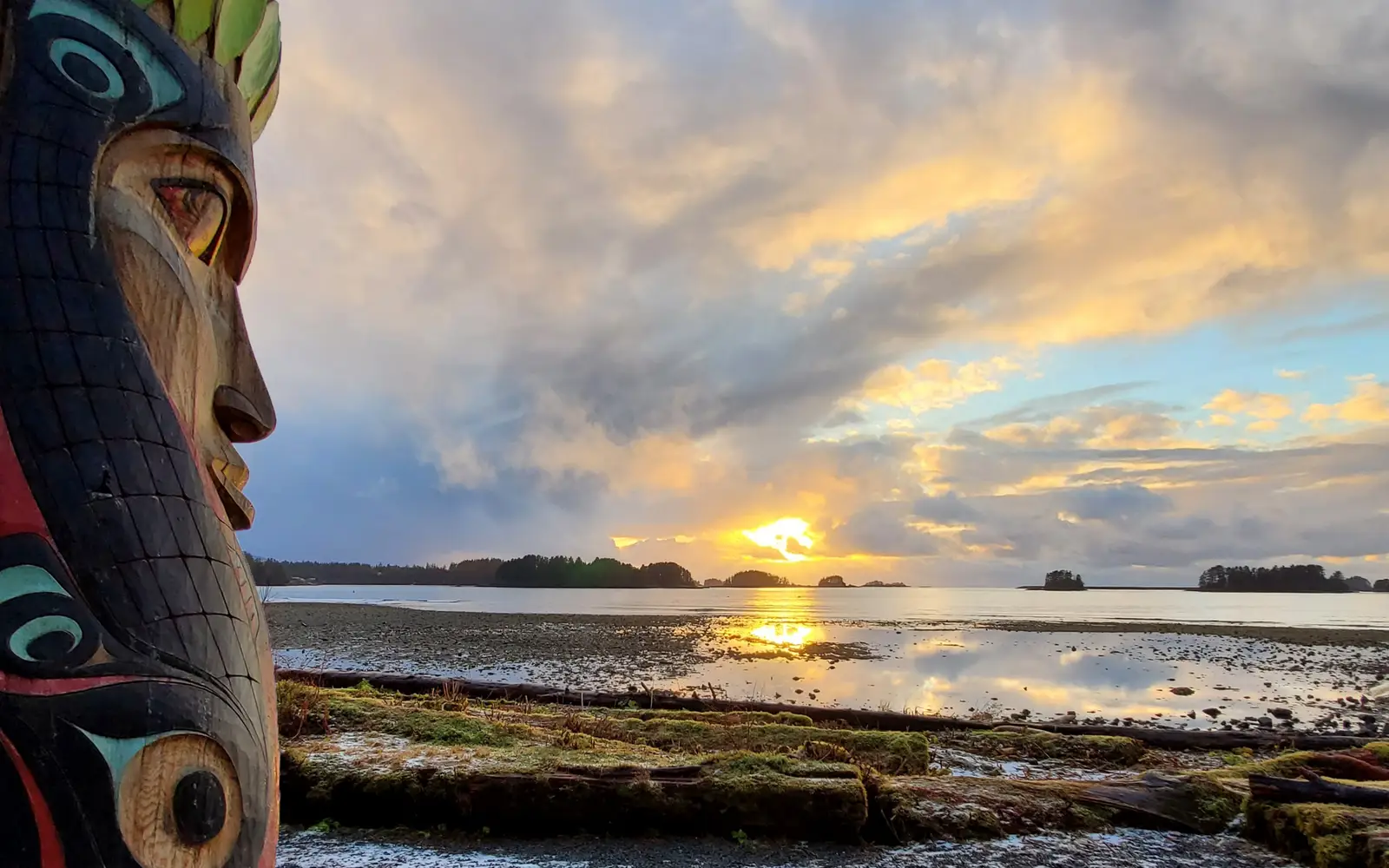
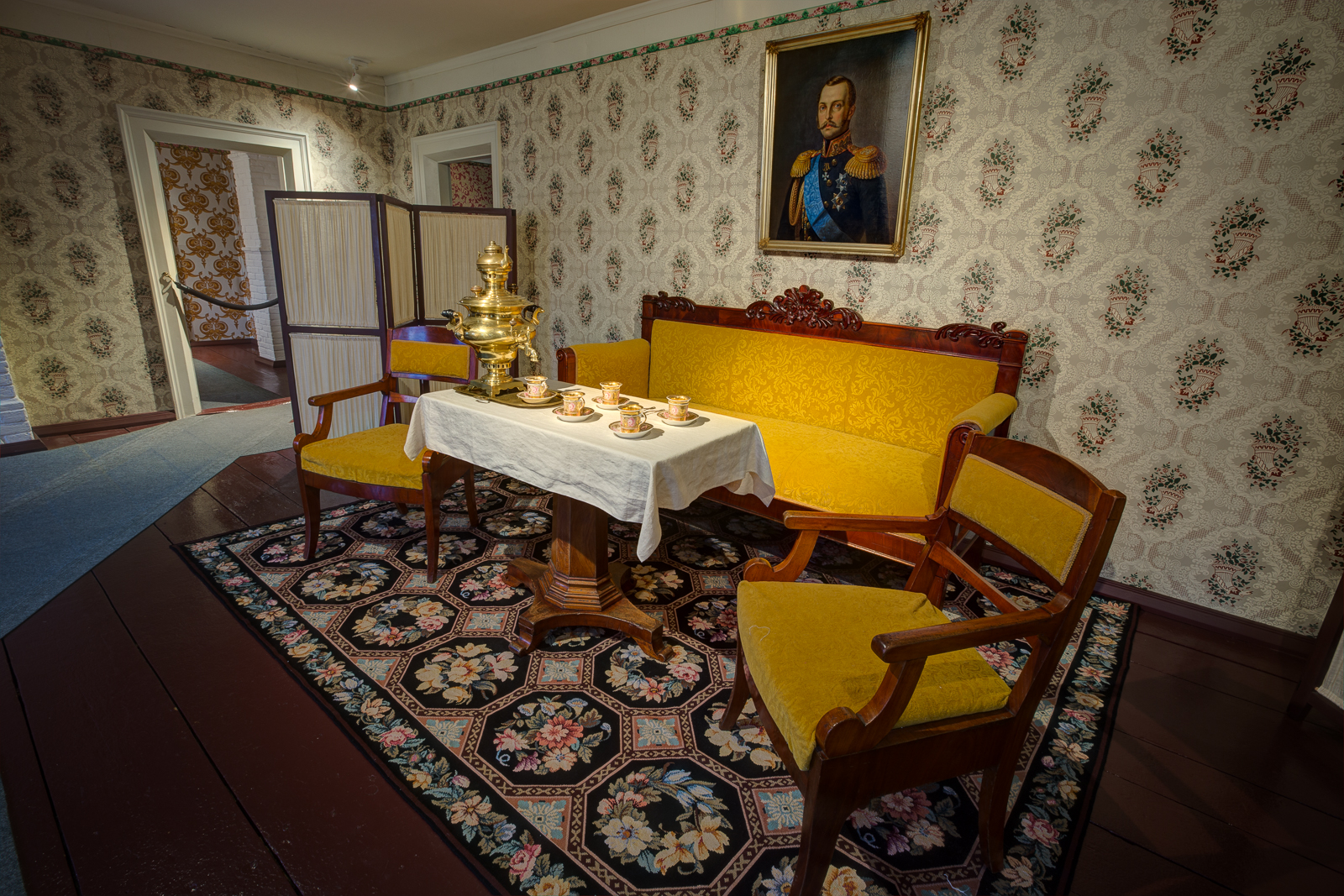
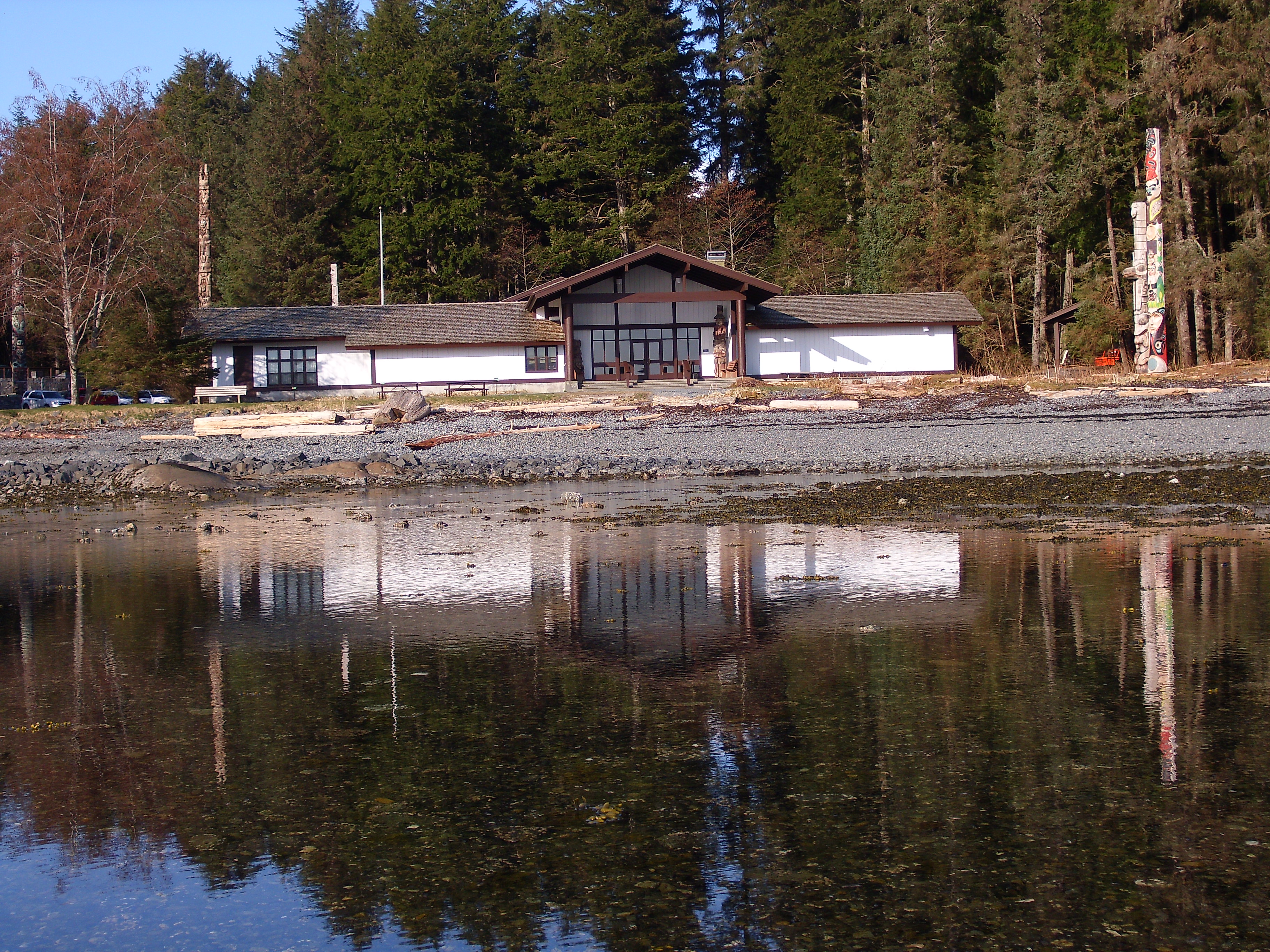
Free admission ensures accessibility to its unique blend of Tlingit heritage, Russian colonial history, and rainforest environment. The park features a coastal trail displaying authentic totem poles, a meticulously restored 19th-century Russian Bishop's House, and an active Southeast Alaska Indian Cultural Center. This combination offers significant cultural and historical depth, far exceeding a brief stop. While not a wilderness park, its easy trails and modest size are ideal for visitors seeking engagement rather than strenuous adventure. The park is essential for cruise or ferry passengers in Sitka. Independent travelers will find a half-day visit here complements other local waterfront attractions effectively.
What makes it worth it
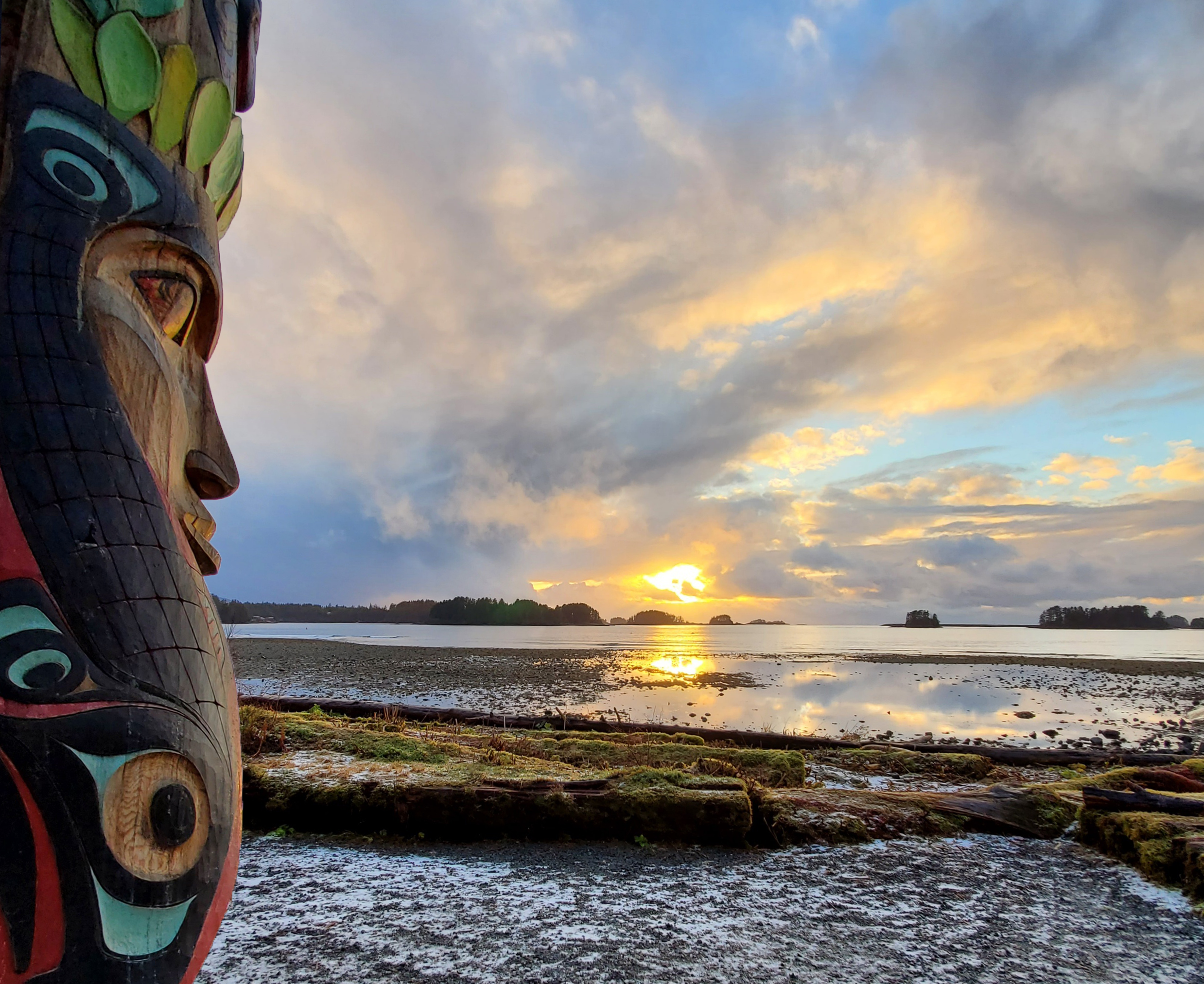
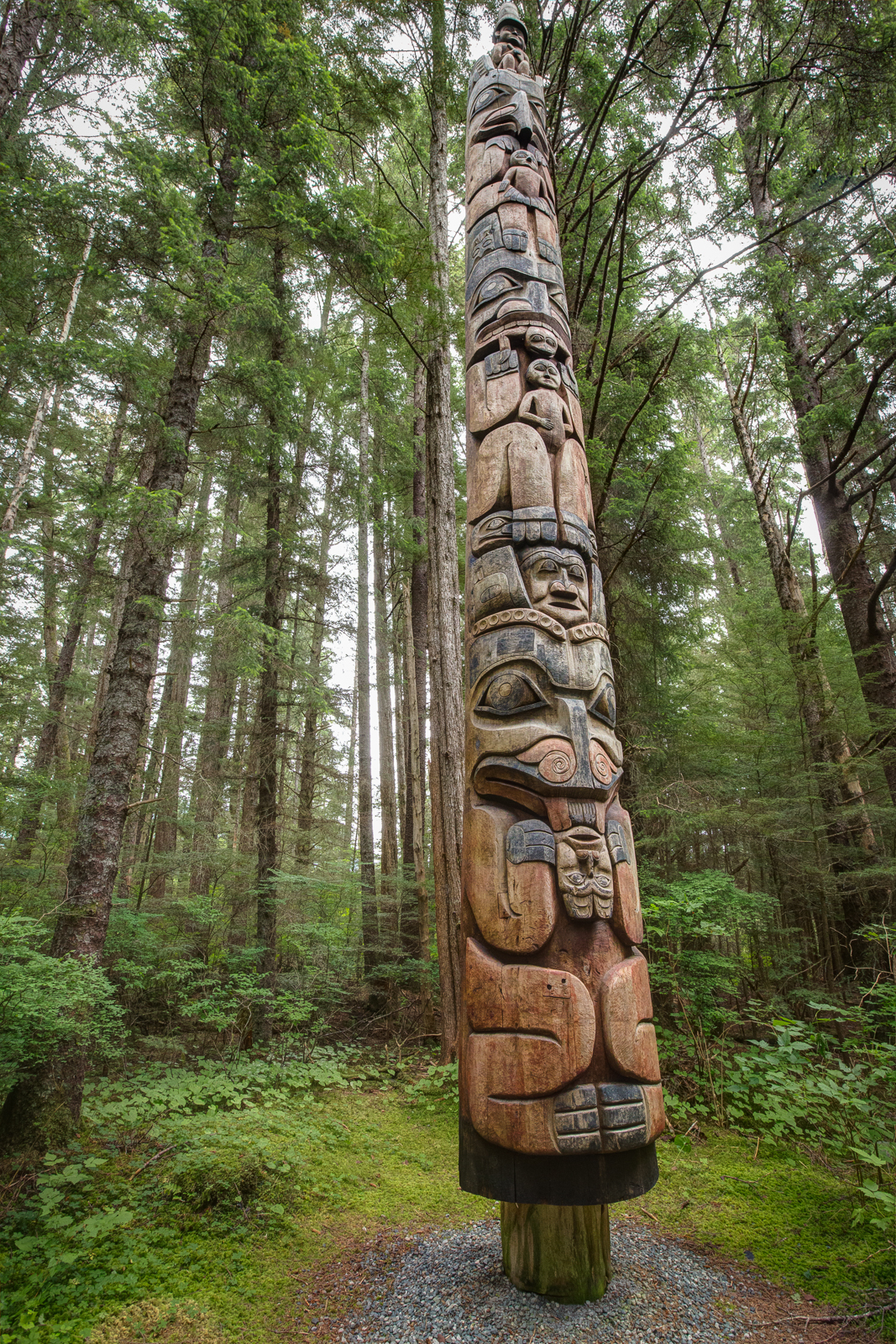
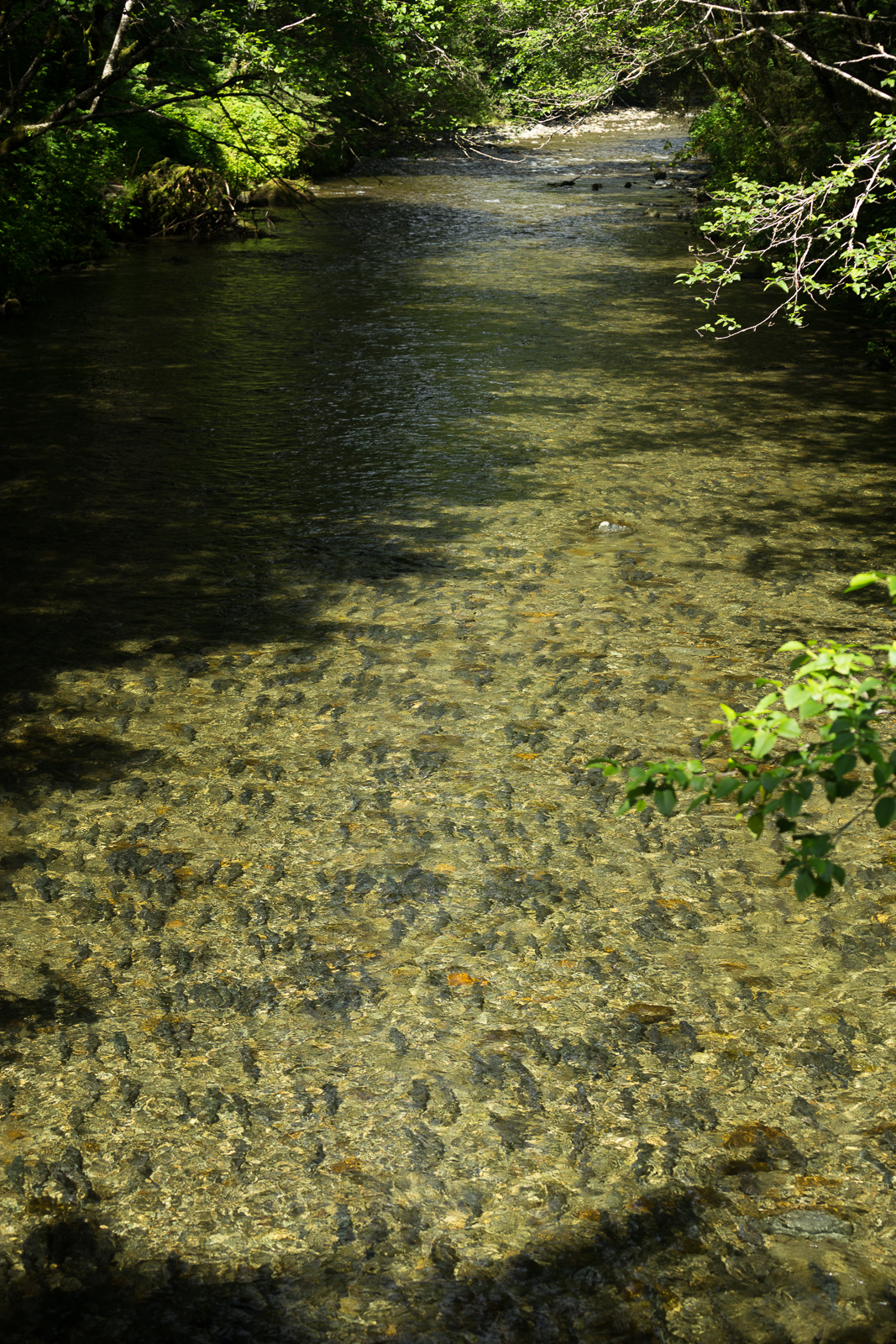
This unit offers a compact, potent dose of history and culture. Begin at the visitor center; its film and exhibits contextualize the 1804 Battle of Sitka between Russian traders and the Tlingit. The coastal trail then guides visitors through old-growth spruce and hemlock, presenting a notable collection of Tlingit and Haida totem poles. These are not replicas but historically significant works, displayed in an authentic forest environment. The cultural center offers craft demonstrations, allowing observation of traditional carving and weaving. Birdwatching along the Indian River corridor is reliably productive. The Russian Bishop's House, a short distance away, stands as a rare surviving example of Russian colonial architecture in North America. For a fulfilling visit, allocate three to four hours. Consider packing a picnic and binoculars.
Who should go
This unit offers genuine rewards for history-focused travelers and families. Children will particularly benefit from hands-on programs and Junior Ranger activities. Birdwatchers and those interested in Indigenous Pacific Northwest art and culture will also find much to explore. Those seeking strenuous backcountry hiking or large-scale wilderness should adjust expectations. The data shows this park does not provide such an experience.
When to go
Summer provides peak opportunities with extended daylight, active ranger programs, craft demonstrations, and prime river corridor wildlife viewing. However, Sitka sees consistent rain across all seasons. Spring and fall offer quieter access. Winter brings rain and some snow; the grounds stay open.
Highlights
- Totem pole collection displayed along a forested coastal trail through old-growth spruce and hemlock
- Restored Russian Bishop's House, one of the oldest and rarest Russian colonial structures remaining in North America
- Live craft demonstrations in traditional Tlingit carving and weaving at the cultural center
- Birdwatching and wildlife watching along the Indian River corridor
- Museum exhibits and park film contextualizing the 1804 Battle of Sitka
- Junior Ranger program and hands-on activities suited to families with children
Plan ahead
Access to Sitka is limited to ferry or regional aircraft; there are no roads connecting it to the Alaska highway system. Admission is free, and the grounds remain open year-round for day use. Visitors should verify current NPS operating hours for the visitor and cultural centers, especially during shoulder seasons. Waterproof gear and rain protection are essential.
Editor's tipThe totem poles offer undeniable visual impact. Encountering a working carver in the cultural center, however, provides context essential for deeper appreciation. These artists often share detailed insights into the narratives carved into the wood. This education profoundly alters the subsequent trail experience.