Shiloh National Military Park: our verdict
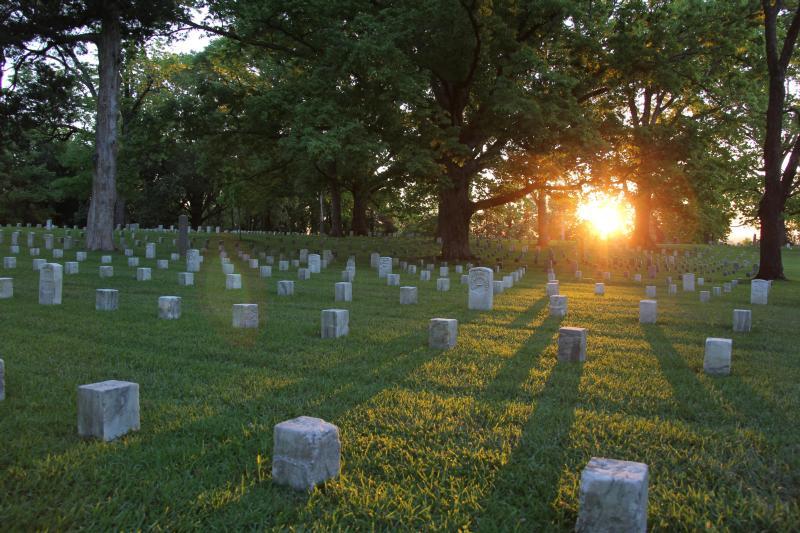
Shiloh National Military Park preserves the ground where nearly 110,000 troops fought in April 1862, producing more casualties than all previous American wars combined.
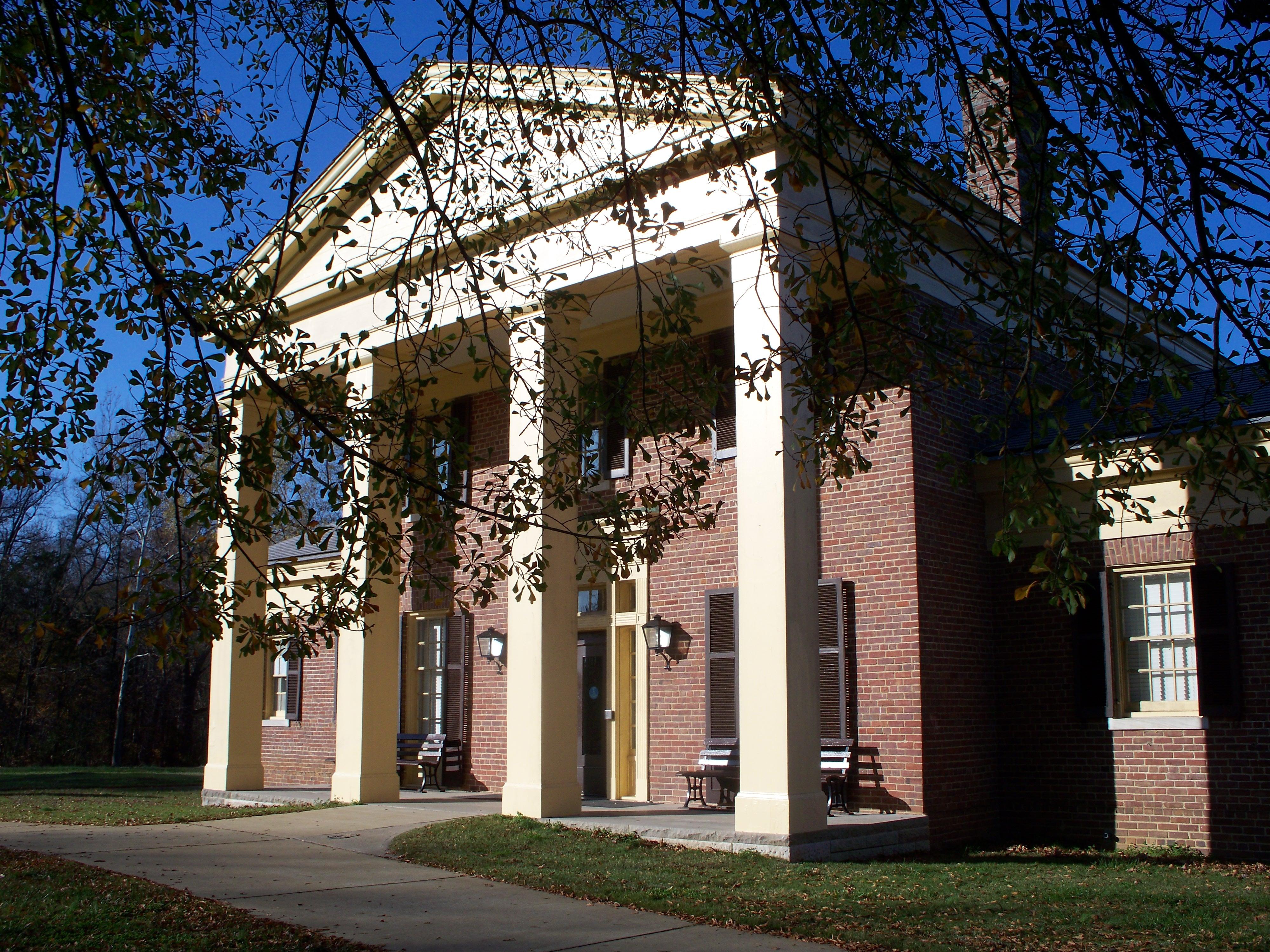
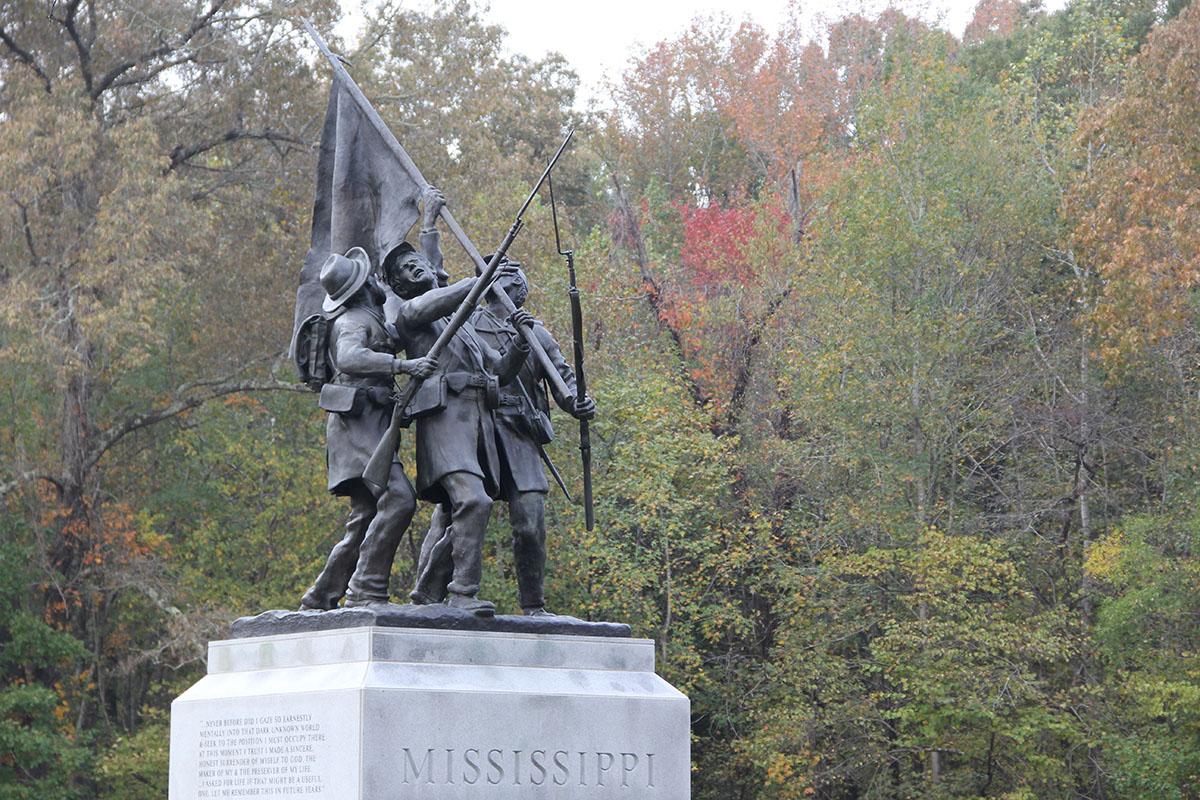
That staggering fact is not rhetorical flourish; it is the organizing reality of everything you see here. The park spans two sites across Tennessee and Mississippi, covering both the Shiloh battlefield and the Corinth Civil War Interpretive Center. With free admission, a well-produced orientation film, auto tour routes, walking tours, living history programs, and strong museum exhibits, this is one of the most accessible and substantive Civil War battlefield parks in the country. It rewards visitors who come prepared to engage with the history rather than just drive through. If the Civil War Western Theater means anything to you, or if you want to understand why Shiloh reshaped the entire war, this park earns its high experience score honestly.
Why visit
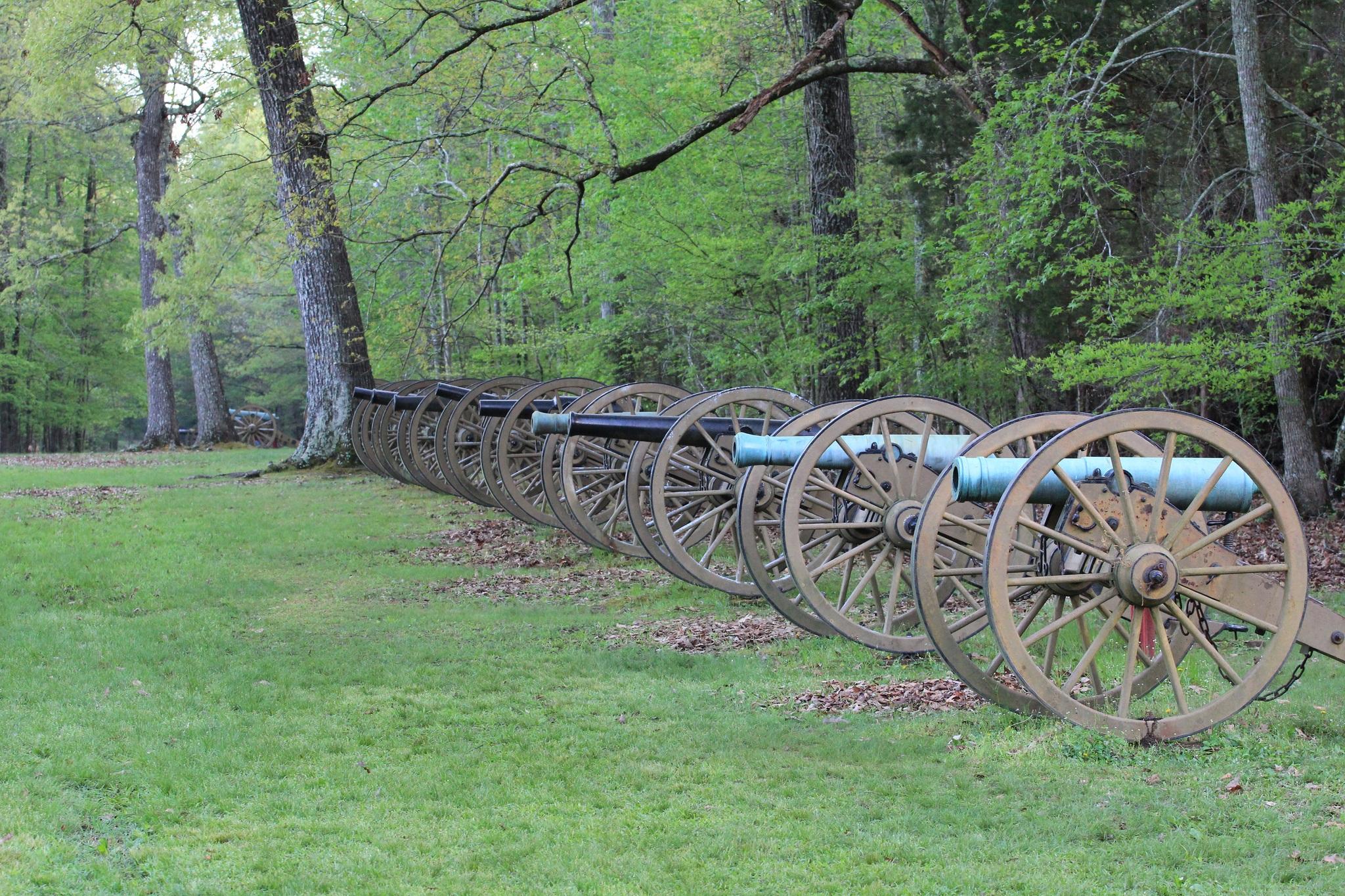
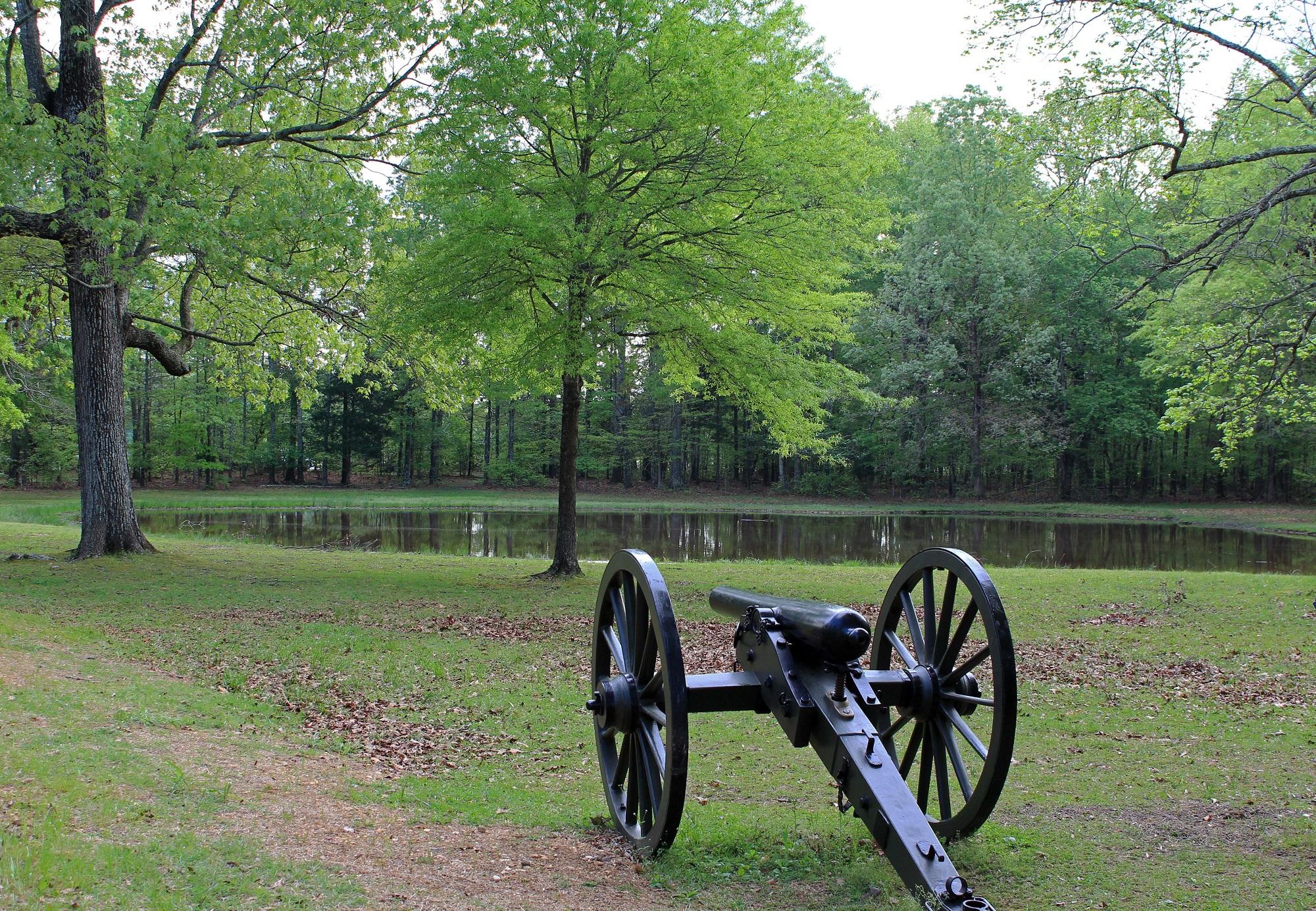
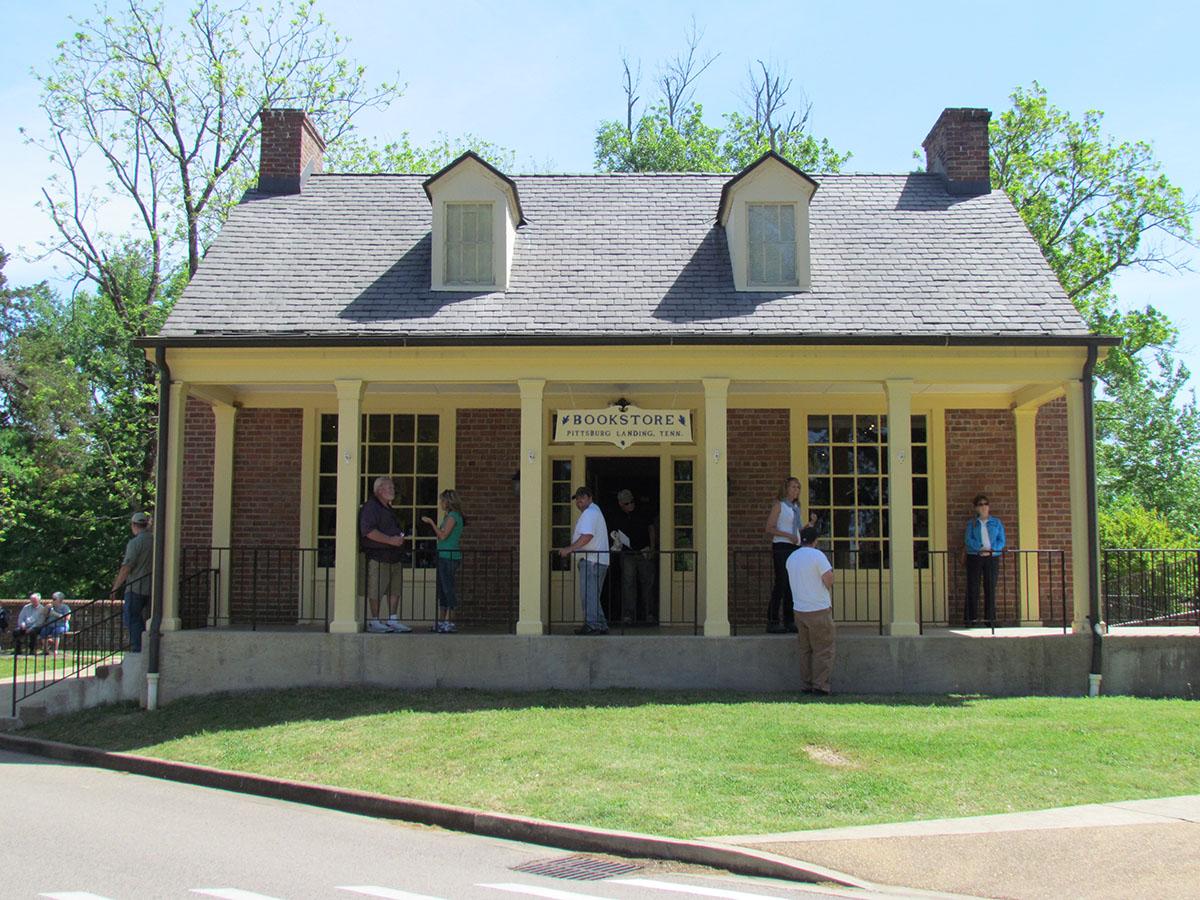
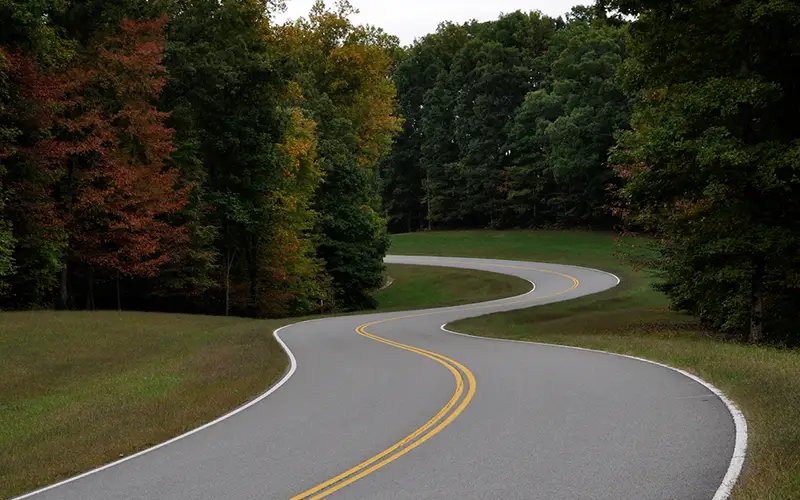
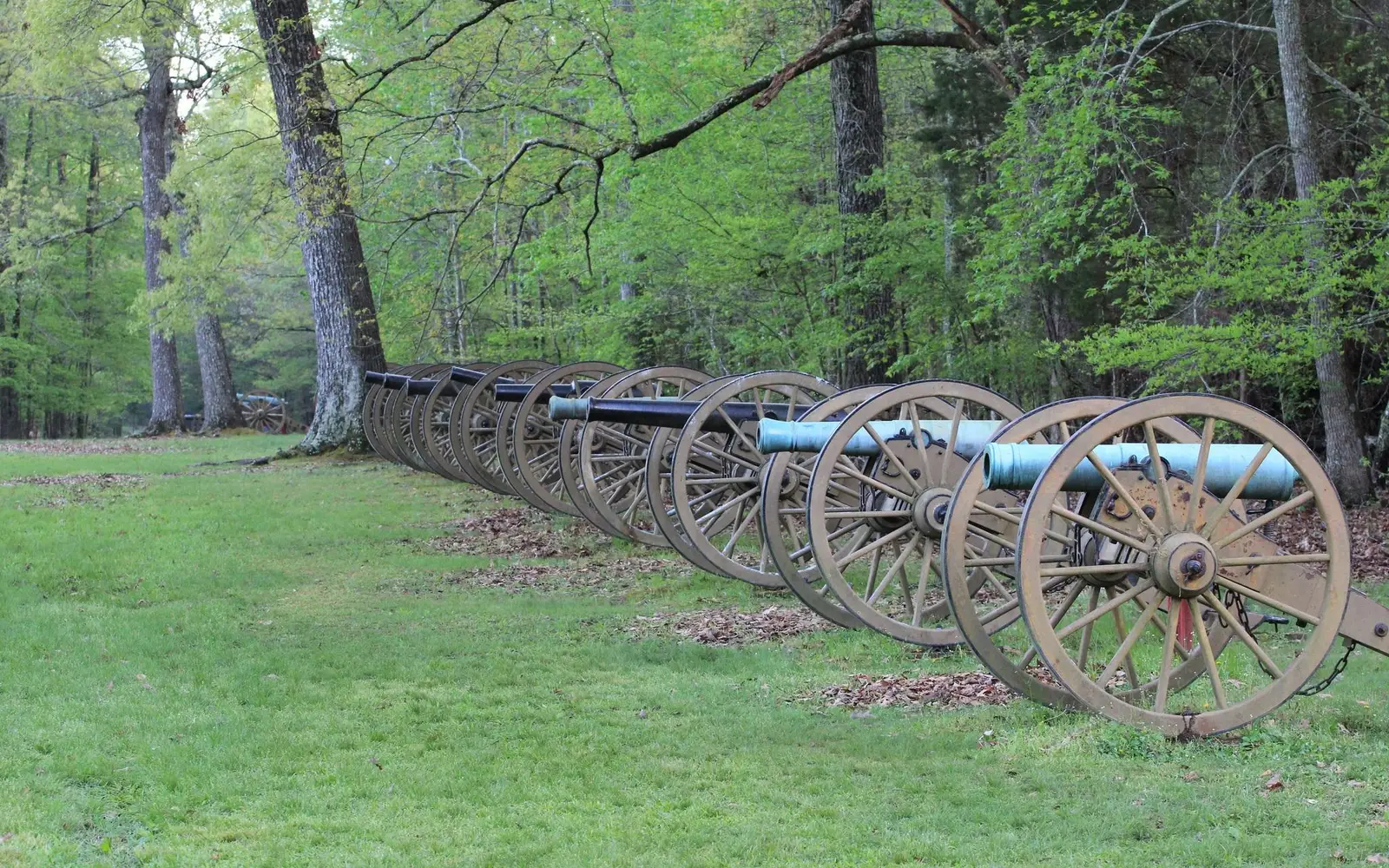
Begin a visit to Shiloh at the visitor center with 'Shiloh: Fiery Trial,' the hourly orientation film. This sets the stage for the battlefield's scale. The self-guided auto tour then allows visitors to explore the two-day fight at their own pace, stopping at interpreted positions. Road cyclists will appreciate the low traffic and open battlefield landscape. Period weapon and tactical demonstrations are offered by rangers and living history volunteers. Birdwatchers will find diverse species across the varied terrain. Picnic areas facilitate a full day's visit. For those deeply interested in the history, the Corinth unit adds another dimension to the campaign, justifying an overnight stay.
Who it suits
This park delivers for Civil War history enthusiasts. Its Junior Ranger program, living history demonstrations, and park film offer strong educational value for families. Road cyclists and birdwatchers will find legitimate secondary appeal. However, those seeking dramatic scenery, extensive hiking, or strenuous outdoor adventure will be disappointed. This park's fundamental strength is its historical interpretation, not its recreational offerings.
Timing your visit
Optimal visitation centers around spring and fall. April's mild temperatures and green landscapes, coinciding with the battle's anniversary, create an evocative experience. Fall presents similar favorable conditions. Summer averages 90 degrees with high humidity, making midday excursions draining. However, early mornings still allow for wildlife and birdwatching. Winter offers a quieter, cooler atmosphere, though visitors should prepare for potential ice.
What stands out
- Self-guided auto tour through the full Shiloh battlefield, interpretable at your own pace
- Orientation film 'Shiloh: Fiery Trial' showing hourly at the visitor center
- Living history and historic weapons demonstrations by rangers and volunteers
- Road biking the low-traffic battlefield loop with sustained historical context
- Birdwatching across varied open and wooded battlefield terrain
- Corinth Civil War Interpretive Center as a companion site deepening the campaign story
Good to know
Admission to both the Shiloh and Corinth units is free. The visitor center operates daily from 9 am to 5 pm; the final film showing is at 4 pm. This requires visitors to plan their arrival accordingly. Note that the Corinth unit in Mississippi demands a separate drive from the main Shiloh battlefield in Tennessee. This geographic separation is a significant planning consideration for those aiming to experience both locations.
Insider tipFor weekend or early April anniversary visits, consult the park's event calendar. Living history demonstrations and guided ranger walks, when scheduled, elevate the auto tour experience from a mere drive to an immersive engagement.