Gulf Islands National Seashore: our verdict
Gulf Islands National Seashore offers an exceptional, activity-rich experience across Florida and Mississippi.
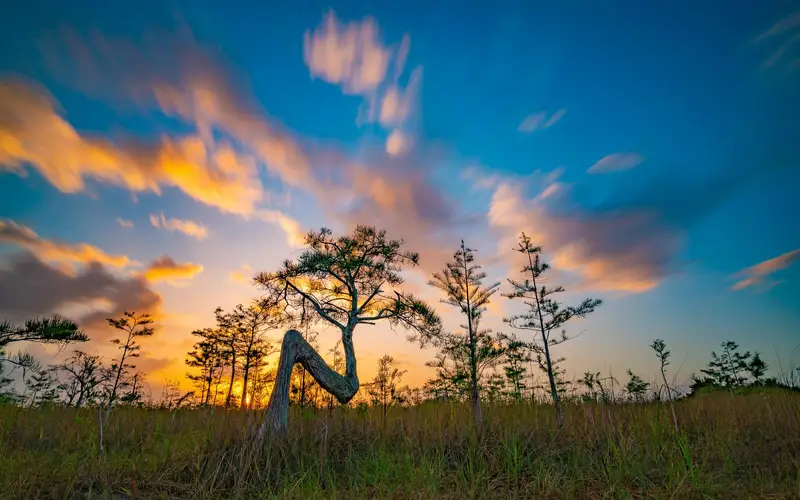
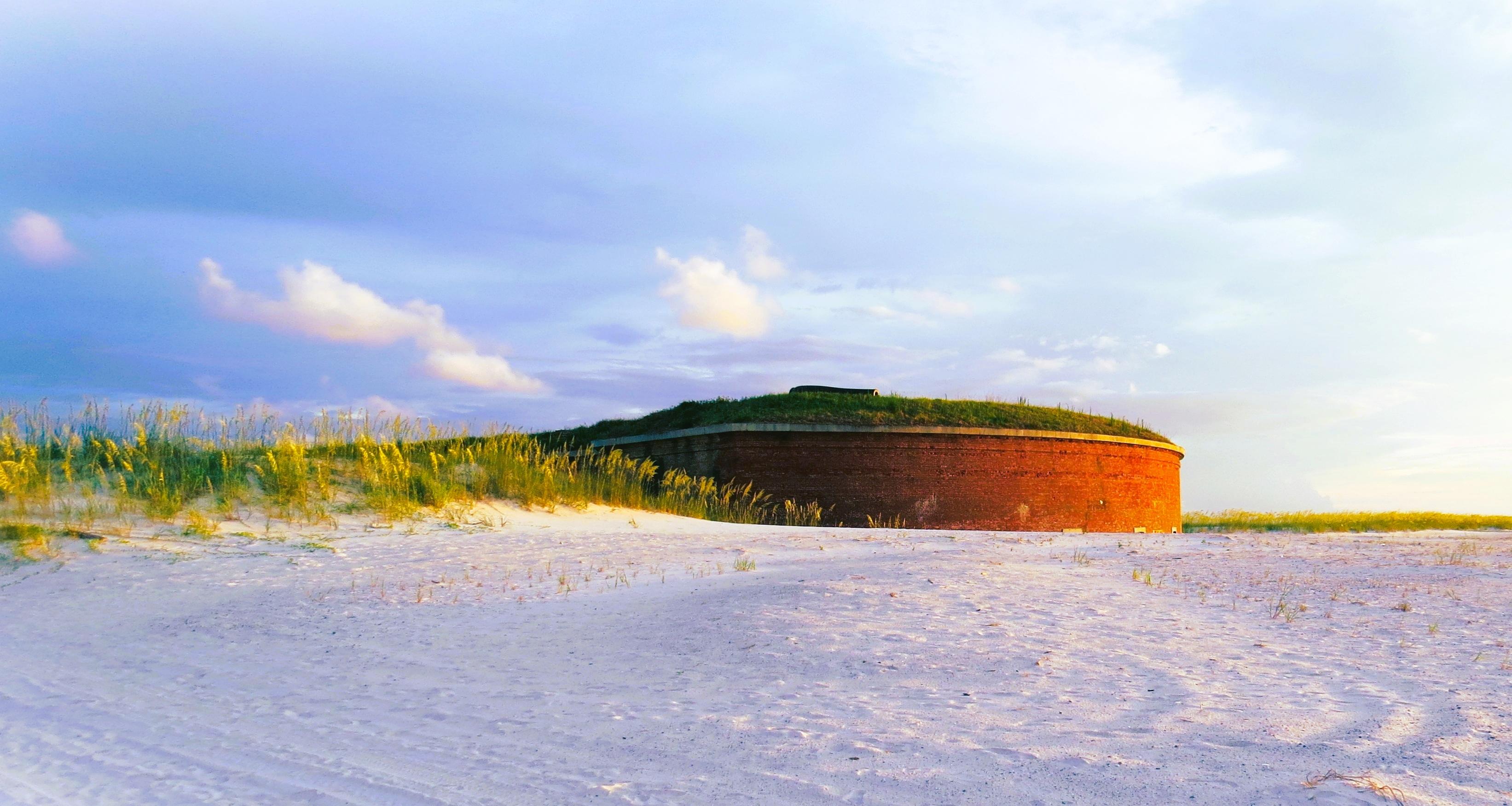
This expansive coastal unit is not a single destination. Instead, it is a collection of barrier islands, bayous, marshes, and historic fortifications. White sand beaches and warm Gulf waters are primary attractions, but the true draw is the layered combination of paddling, saltwater fishing, wildlife watching, and living history. This variety sustains interest for multiple days, engaging diverse visitors. With an Experience Score of 90, the documented breadth is exceptional. The park suits beach-goers, serious paddlers, birders, and history buffs. Be advised: the unit is geographically spread out. Planning which district to visit, Florida or Mississippi, is essential before arrival.
Why visit
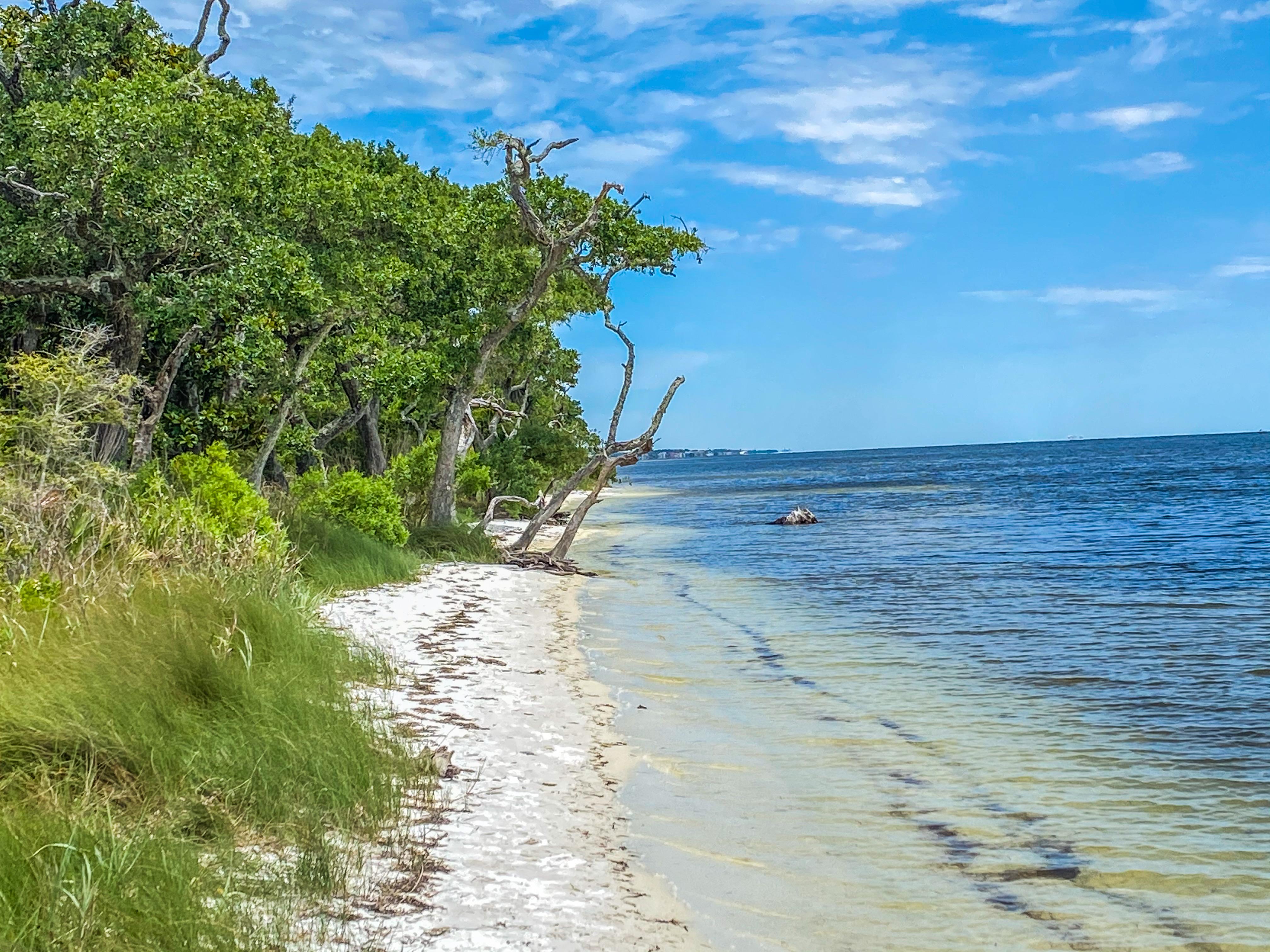
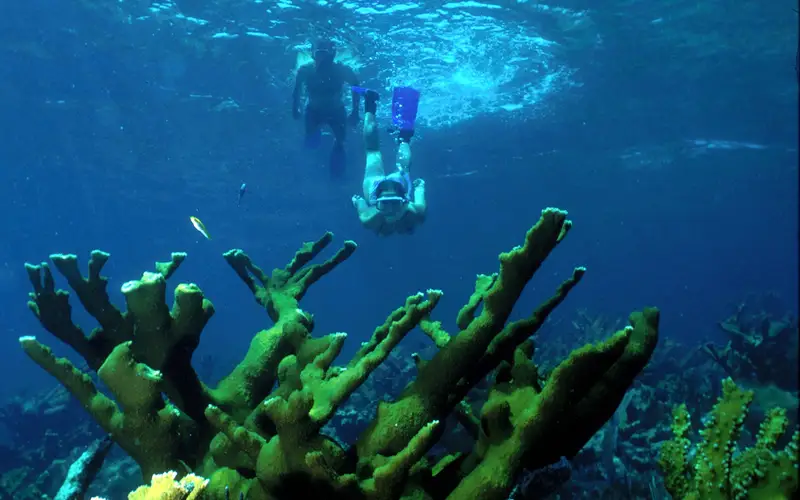
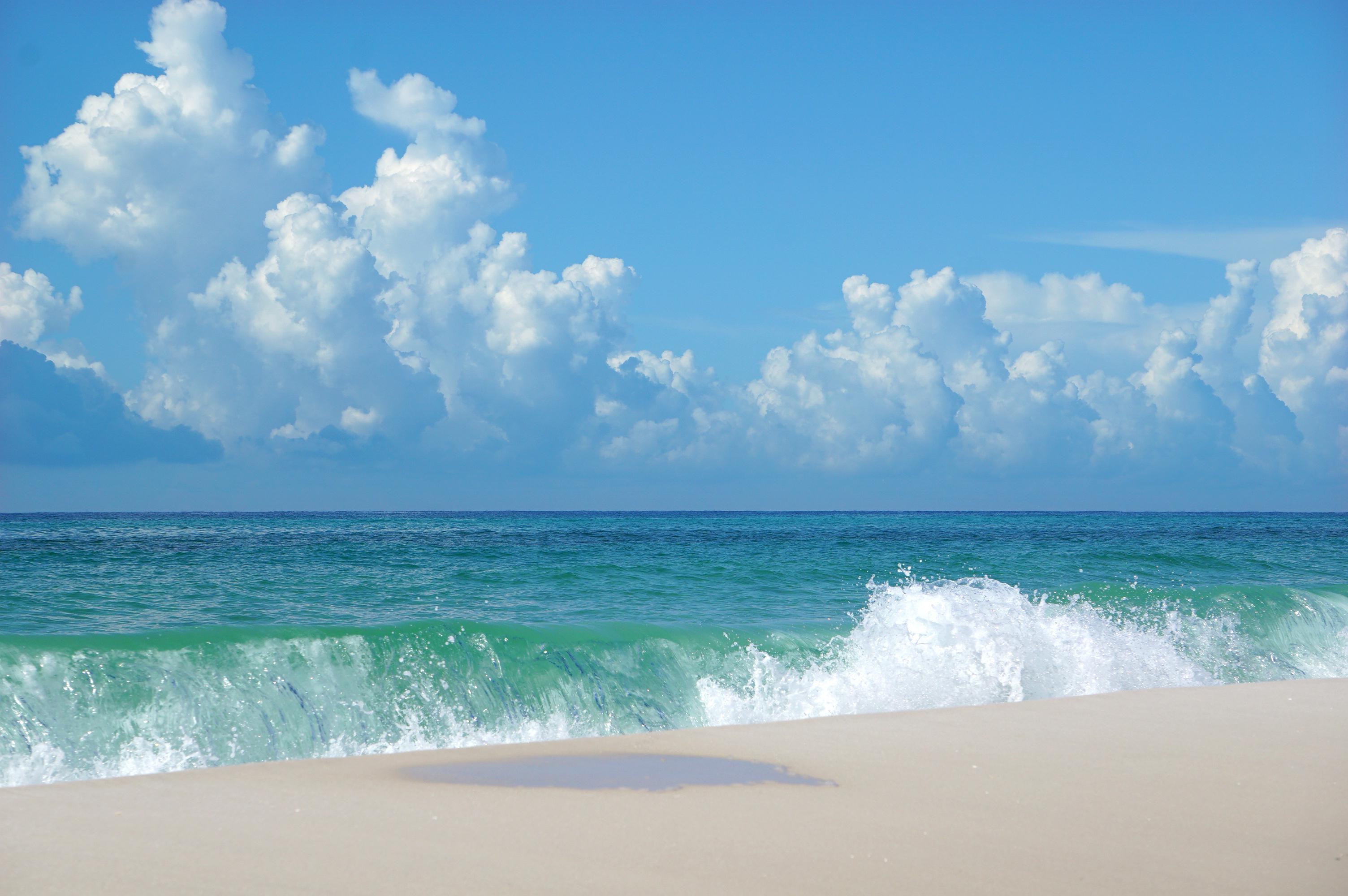
This park presents diverse experiences across its districts. In Mississippi, Davis Bayou provides ranger led programs, kayaking within marsh habitats, birdwatching, and front-country camping, all near Ocean Springs. Florida's barrier island beaches offer the classic Gulf experience: emerald water swimming, snorkeling, SCUBA diving, and boat access to remote zones. Camping options are unusually varied, including RV sites, backcountry, and canoe/kayak camping. A multi-night stay is feasible. Saltwater fishing, horseback riding, and living history programs add further depth. A long weekend here offers a full itinerary.
Who it suits
This unit offers a compelling combination for specific visitors. Families will find ample appeal in beach access paired with structured outdoor programming. It serves paddlers particularly well, presenting both saltwater and marsh environments. Birders and those interested in coastal fortifications or living history will also find significant draws. However, hikers seeking elevation or extensive interior wilderness will find offerings limited. For a simple beach day, the logistical demands here may outweigh those of a state park.
Timing your visit
For many, the spring months, from March through May, present the optimal window for a visit. Temperatures consistently register in the 60s and 70s, making for comfortable exploration. Rainfall is lower than in the summer, and migrating birds offer excellent viewing opportunities. Summer's heat often pushes above 90 degrees with frequent afternoon rain, though it provides the warmest water for swimming and diving. Winter offers a quieter experience, ideal for fishing and paddling without crowds. Be aware that some facilities may operate with reduced programming during the off-season.
What stands out
- Saltwater swimming and snorkeling in clear, warm Gulf water along the Florida barrier islands
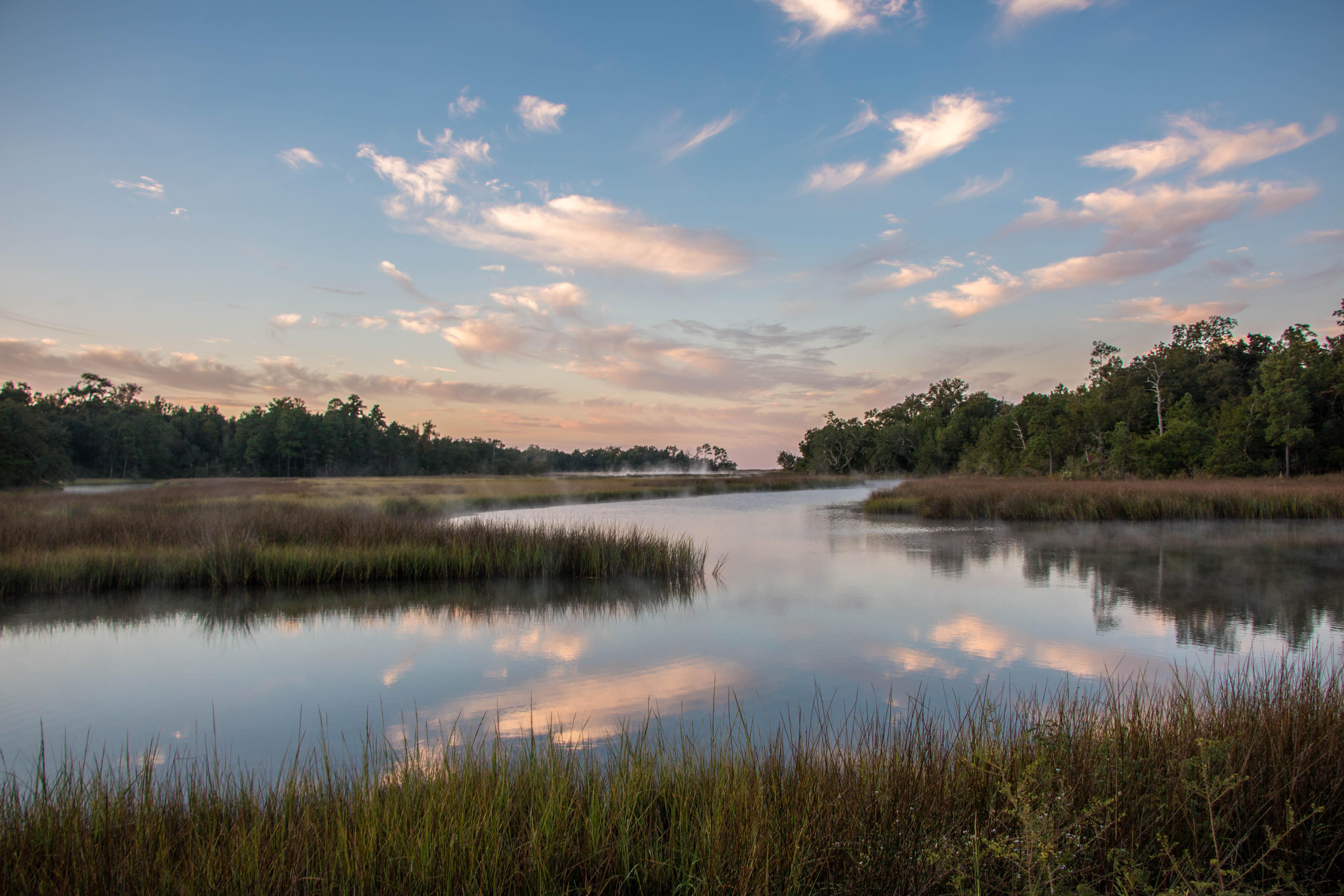
- Kayaking and canoeing through the productive marshes and bayou at the Davis Bayou area in Mississippi
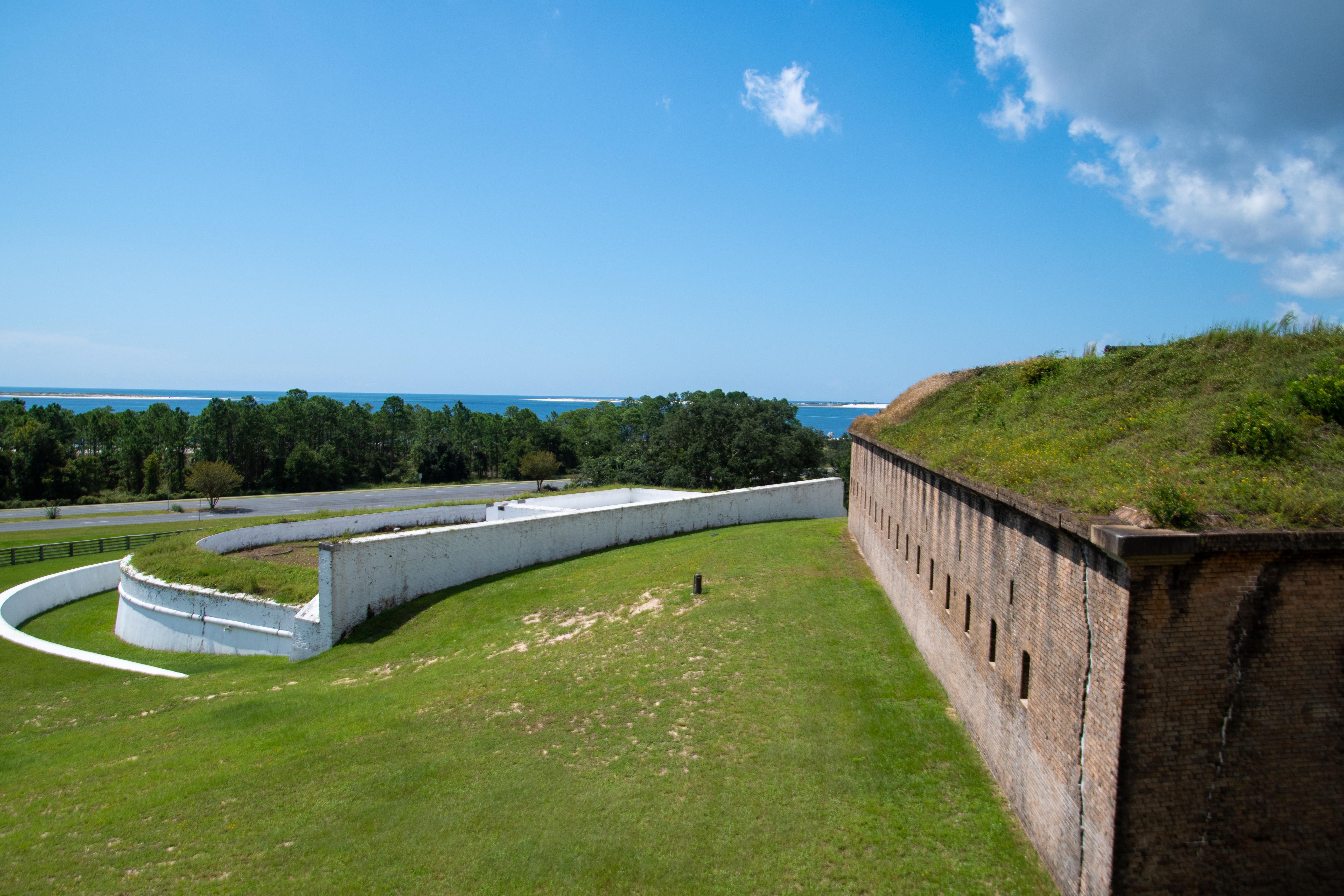
- Ranger-led and living history programs that give the coastal fortifications real context
- Exceptional birdwatching across both marsh and beach habitats, especially during spring migration
- Backcountry and canoe-kayak camping options that put you on or near the water overnight
- Saltwater fishing from shore or by boat across a wide stretch of Gulf Coast habitat
Good to know
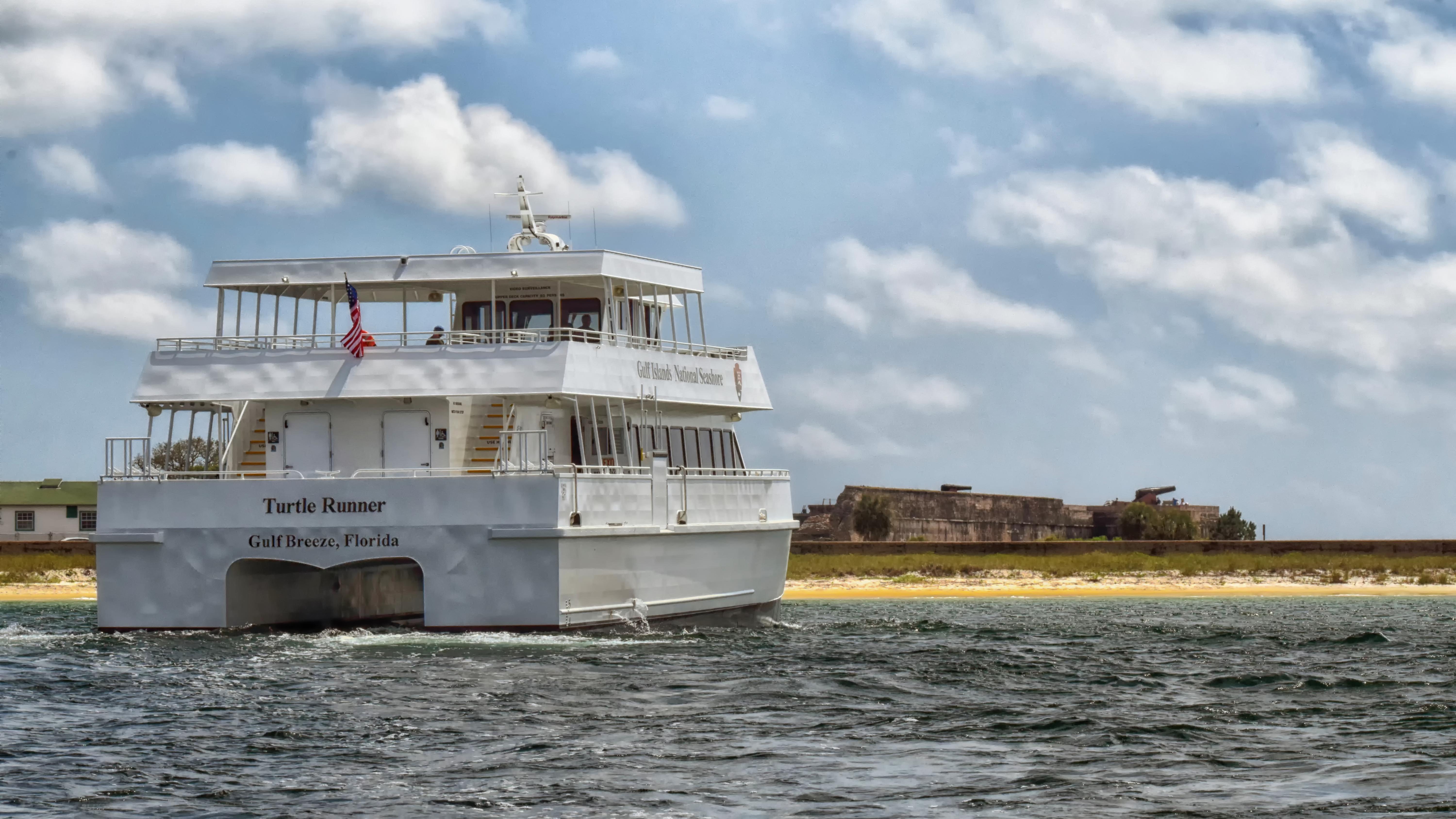
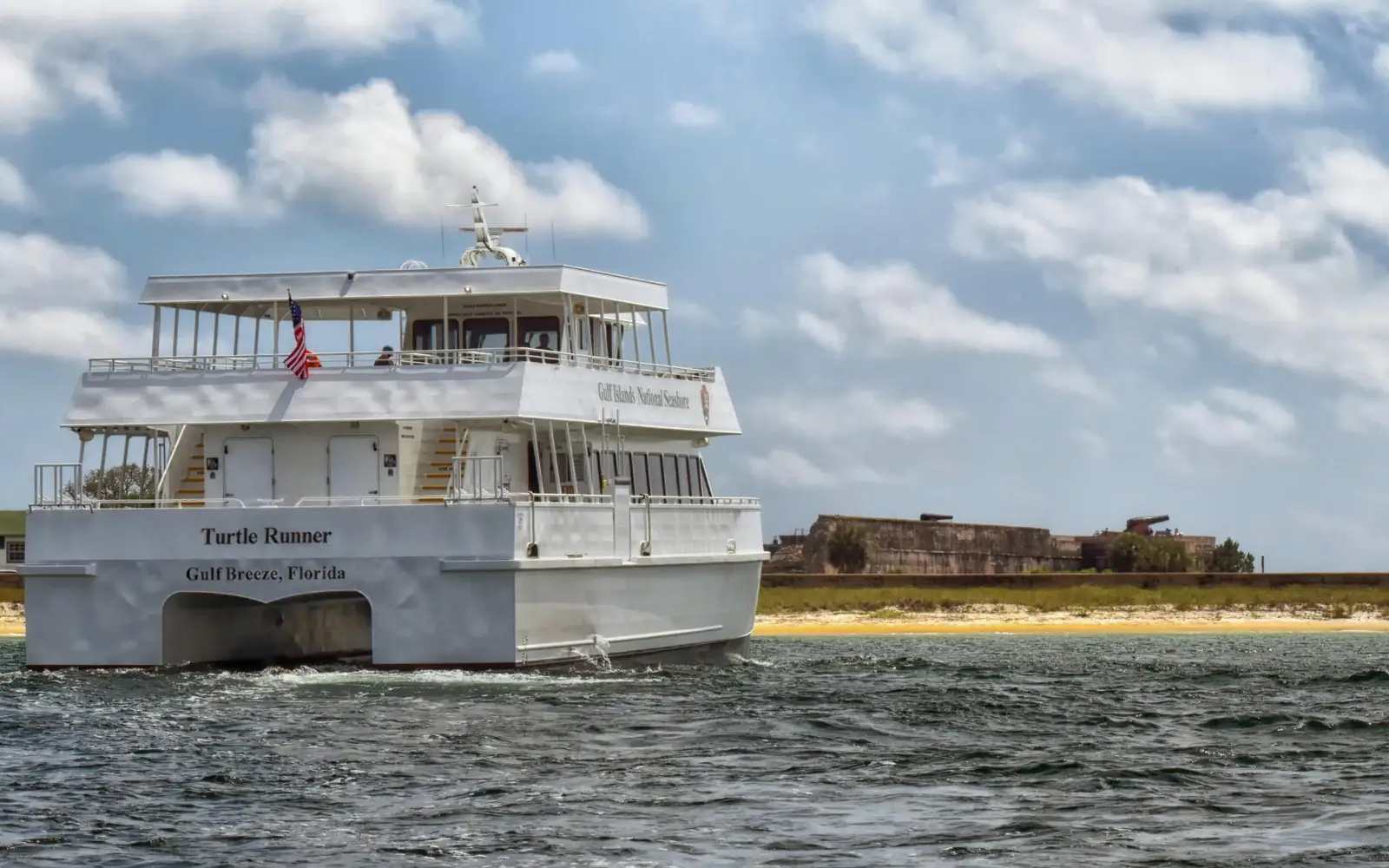
Entry requires a $15 fee. The Florida and Mississippi districts, critically, lack road connections, necessitating separate travel plans. Visitors must decide which district anchors their visit in advance. For Florida's more remote barrier island areas, boat access is key. Those without a personal craft should confirm current ferry or tour options.
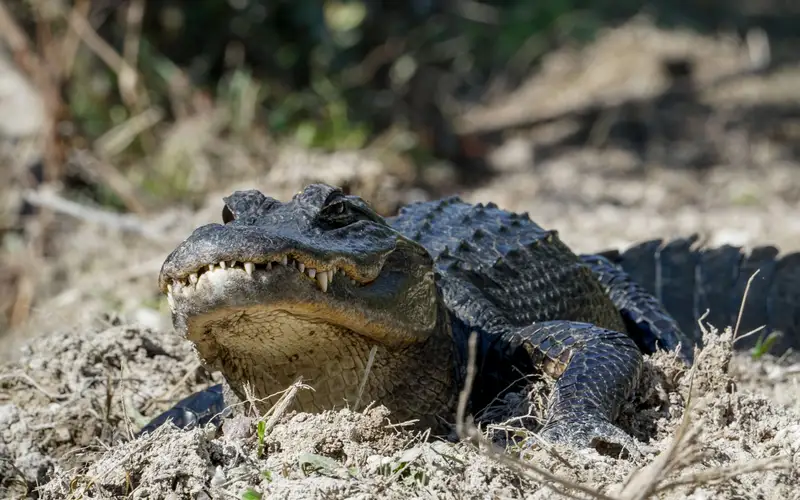
Insider tipFor visitors to Davis Bayou in Mississippi, advance registration for ranger-led kayak or walking programs is essential. These small, free programs reliably provide marsh wildlife sightings. Independent visitors exploring the same areas often miss such encounters.