Sherburne National Wildlife Refuge: our verdict
Sherburne National Wildlife Refuge, at 30,700 acres, sits at a genuine ecological crossroads.
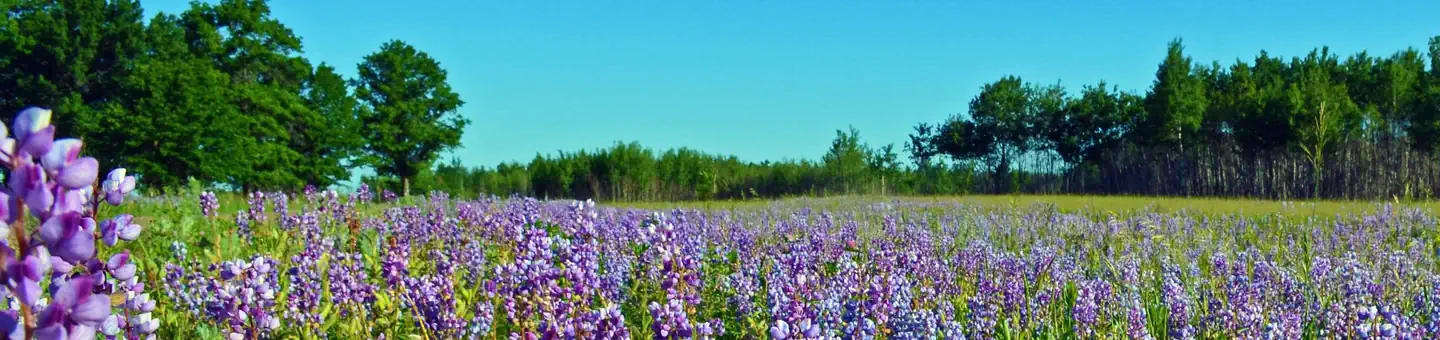
Western prairie meets northern boreal forest here, producing a mosaic of oak savanna, wetland, riverine, and prairie habitats. Few places in Minnesota can match this breadth in one visit. Located 50 miles northwest of the Twin Cities, it is accessible without being overrun. The experience is unhurried and self-directed. Visitors drive, walk, paddle, or ski through habitat rather than tick off iconic landmarks. It earns its 77 Experience Score through sheer activity breadth, functioning as a legitimate four-season destination. This is not for those expecting dramatic scenery or visitor-center spectacle. It is genuinely worth the trip for birders, hunters, anglers, wildlife photographers, and anyone in the metro area seeking serious outdoor access without driving to the Boundary Waters.
Why visit
A good day at Sherburne looks like this: start with the auto tour route to scan wetlands and oak savanna edges for waterfowl and raptors, then park and continue on foot or by bike along the refuge trails. Anglers can work the St. Francis River corridor or wetland impoundments, and non-motorized boaters have water access worth planning around. In winter the same roads and trails convert to cross-country skiing and snowshoeing routes, making it one of the more versatile free winter recreation sites in the metro region. The refuge also offers interpretive and educational programs, which gives families and school groups a structured entry point. Photographers benefit from the habitat diversity, since you can compose wetland, savanna, and forest shots within a single outing.
Who it suits
Birders will get the most out of Sherburne, especially given its designation as a state Important Bird Area at a prairie-forest transition zone. Hunters, anglers, wildlife photographers, and families looking for free, multi-activity outdoor time near the Twin Cities are well served. Solo hikers or cyclists wanting solitude and nature over amenities will find it comfortable. Travelers expecting dramatic scenery, interpretive exhibits, or guided ranger experiences on demand should look elsewhere.
Timing your visit
Timing a visit here depends on priority. For birders, the spring and fall migration windows are prime. These seasons concentrate waterfowl and songbirds within the wetland and savanna habitats, a critical movement corridor. Summer offers strong opportunities for fishing, boating, and general wildlife viewing. Winter is not a dead season. Snowshoeing and cross-country skiing are available, and the open landscape makes mammal tracking easier. Hikers should avoid early summer due to peak mosquito pressure.
What stands out
- Auto tour route through oak savanna, prairie, and wetland habitats in a single loop
- Birding at a designated state Important Bird Area on the prairie-forest transition
- Non-motorized boating and fishing along the St. Francis River corridor
- Winter access for cross-country skiing and snowshoeing on refuge roads and trails
- Archery and hunting opportunities on a large, managed public land holding
- Interpretive and educational programs offering structured programming for groups and families
Good to know
This refuge offers a rare opportunity for unencumbered access. No entrance fee is required, a distinct advantage for those in the Twin Cities metro area. Prospective visitors should note the varied regulations. Hunting and wood cutting are allowed, but only under specific guidelines detailed in the current refuge hunt plan, particularly relevant for autumn visits. Water access also varies. Boaters must confirm which units are open to non-motorized craft, as impoundment levels fluctuate seasonally. Be prepared for limited cell service across portions of the refuge. This is a destination best suited for those who plan ahead and value self-reliance.
Insider tipThe rapid ecological transition, from prairie to oak savanna to northern forest, defines this refuge. Birders and photographers will find this compressed diversity an asset. Focus efforts on moving between these edge zones in early morning. This strategy will yield far better results than remaining in a single habitat.