Assateague Island National Seashore: our verdict
Assateague Island, a 37-mile barrier island divided between Maryland and Virginia, stands out for its accessible wildness.
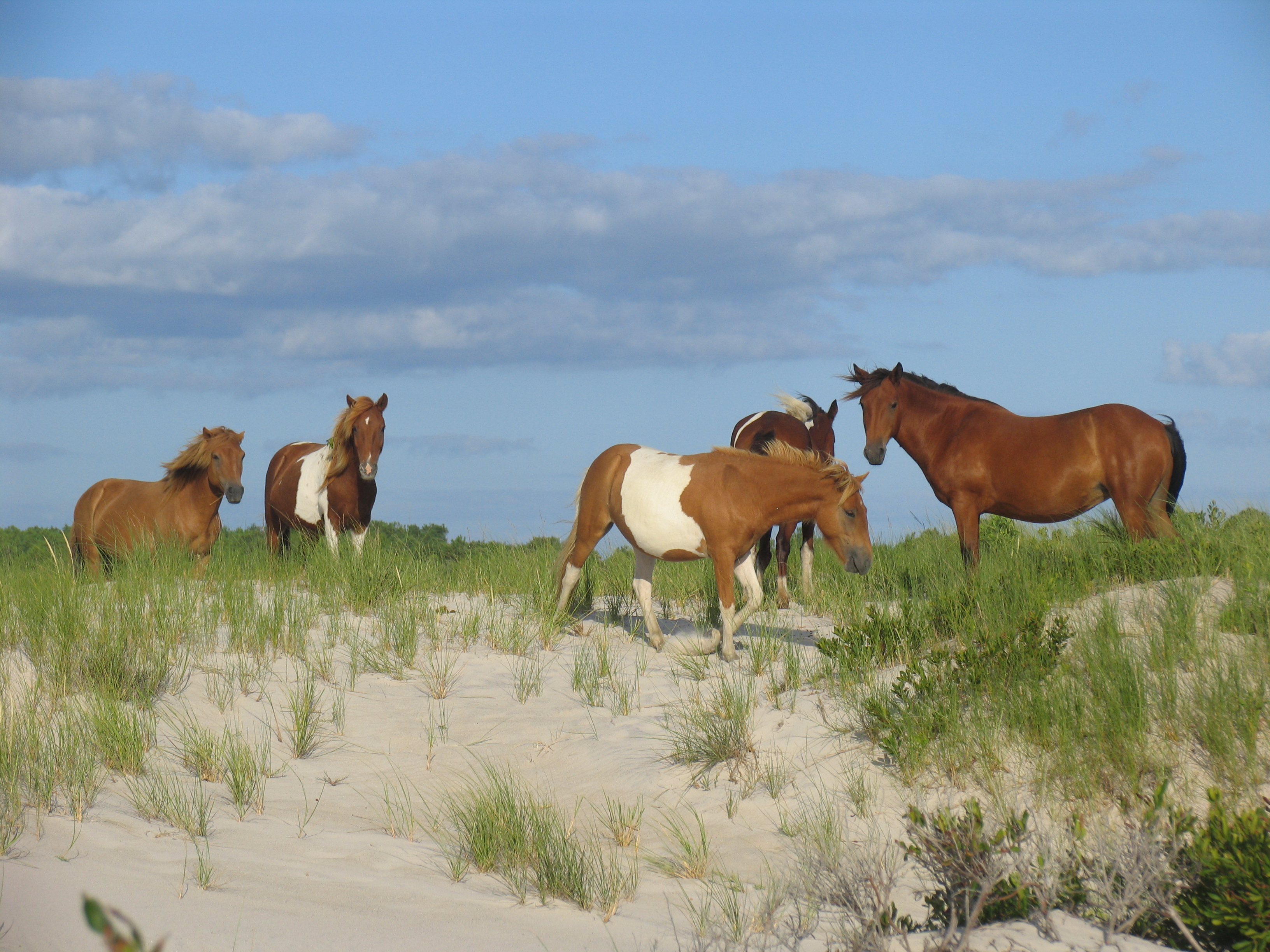
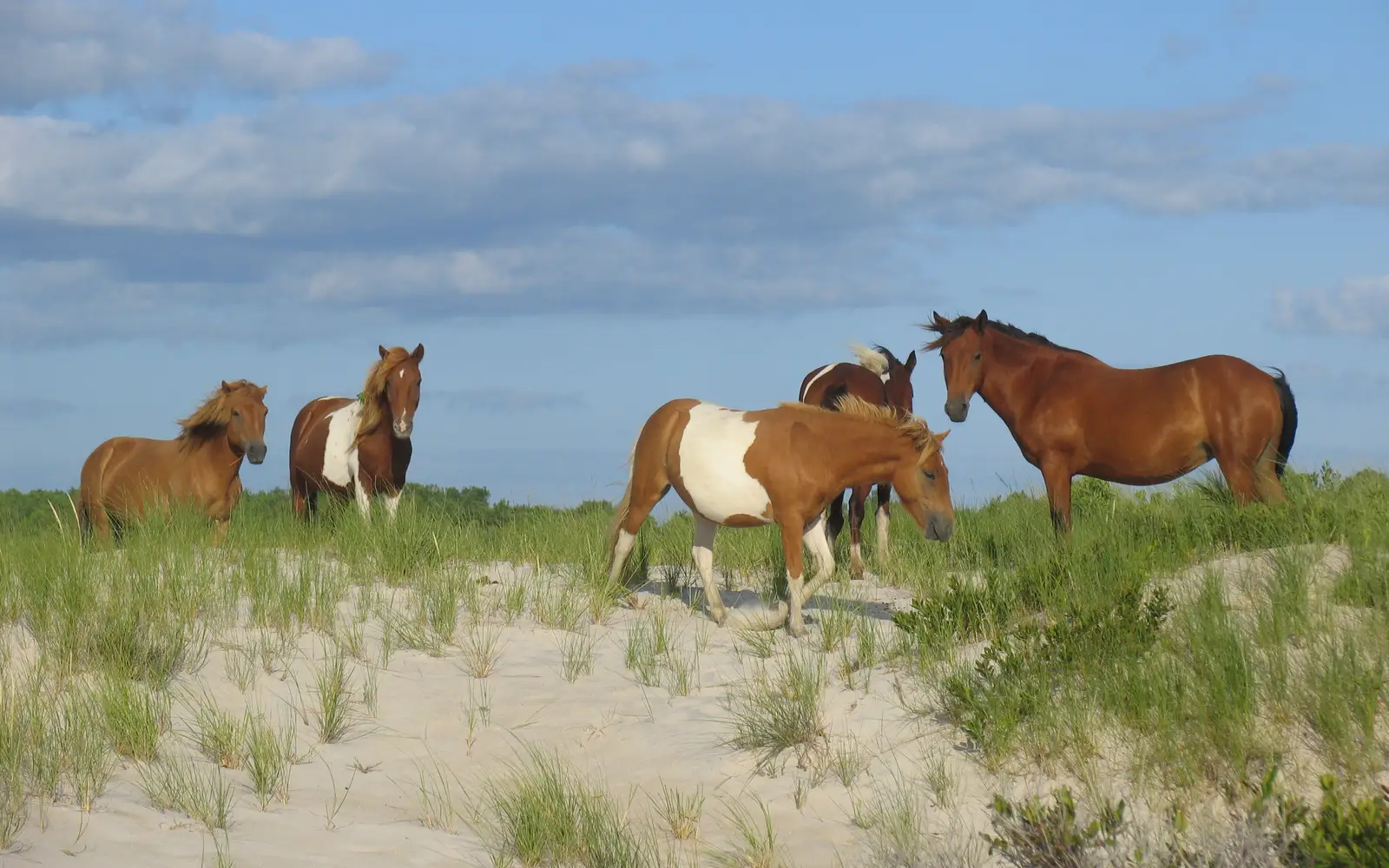
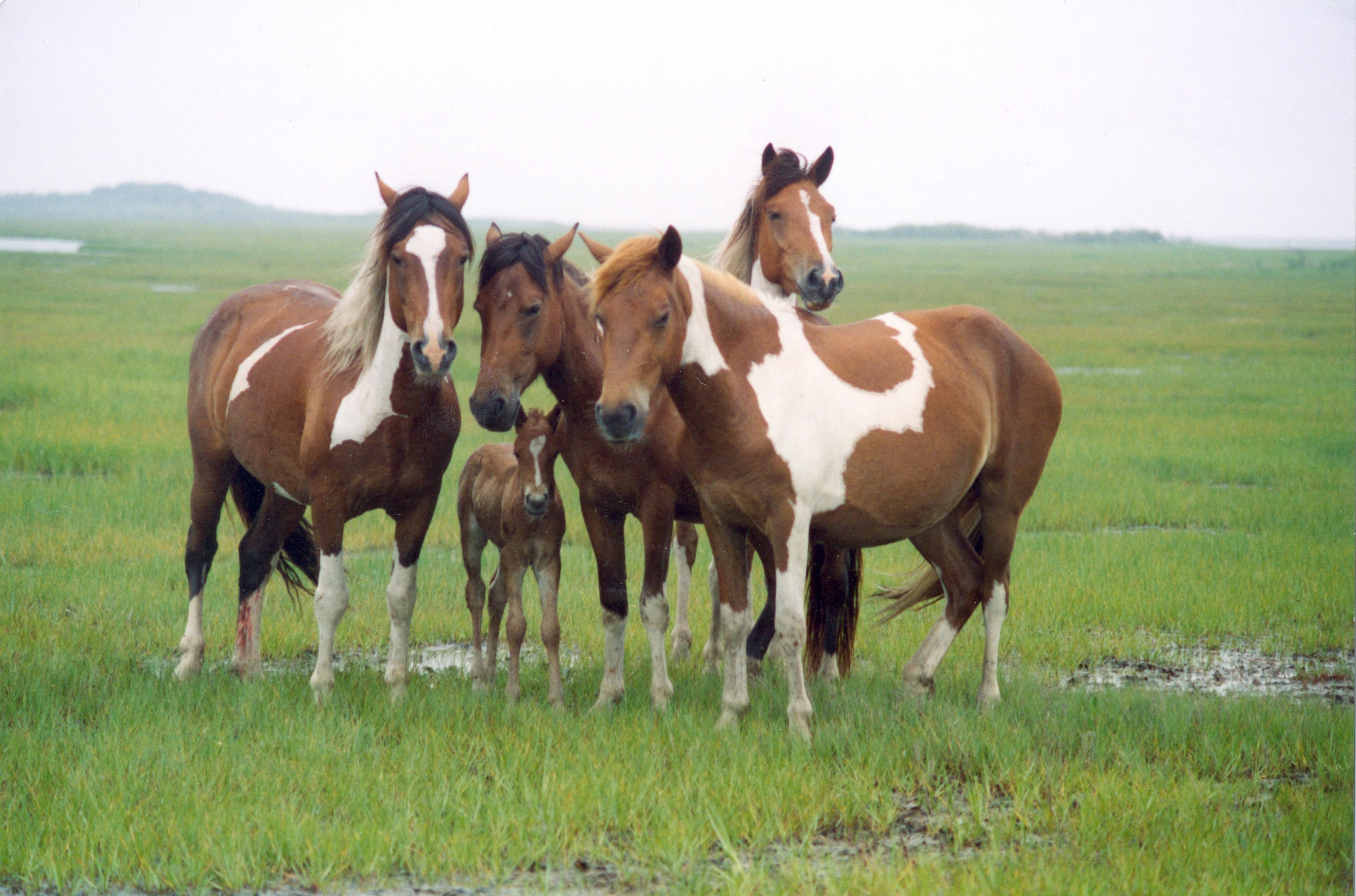
The unit provides wild beaches, salt marshes, and maritime forests. Famous wild ponies roam freely, offering a distinctive wildlife viewing opportunity even on a short visit. This location, open around the clock with no entry fees, caters to a range of commitments. Day visitors experience immediate natural appeal. The true depth of Assateague unfolds for those who stay longer. Campers, paddlers, surf fishers, and off-road vehicle enthusiasts gain a qualitatively different experience. The 99 experience score reflects its broad appeal. This is not a niche destination. With options from backcountry kayak camping to stargazing and horseback riding, Assateague Island offers remarkable versatility.
Why visit
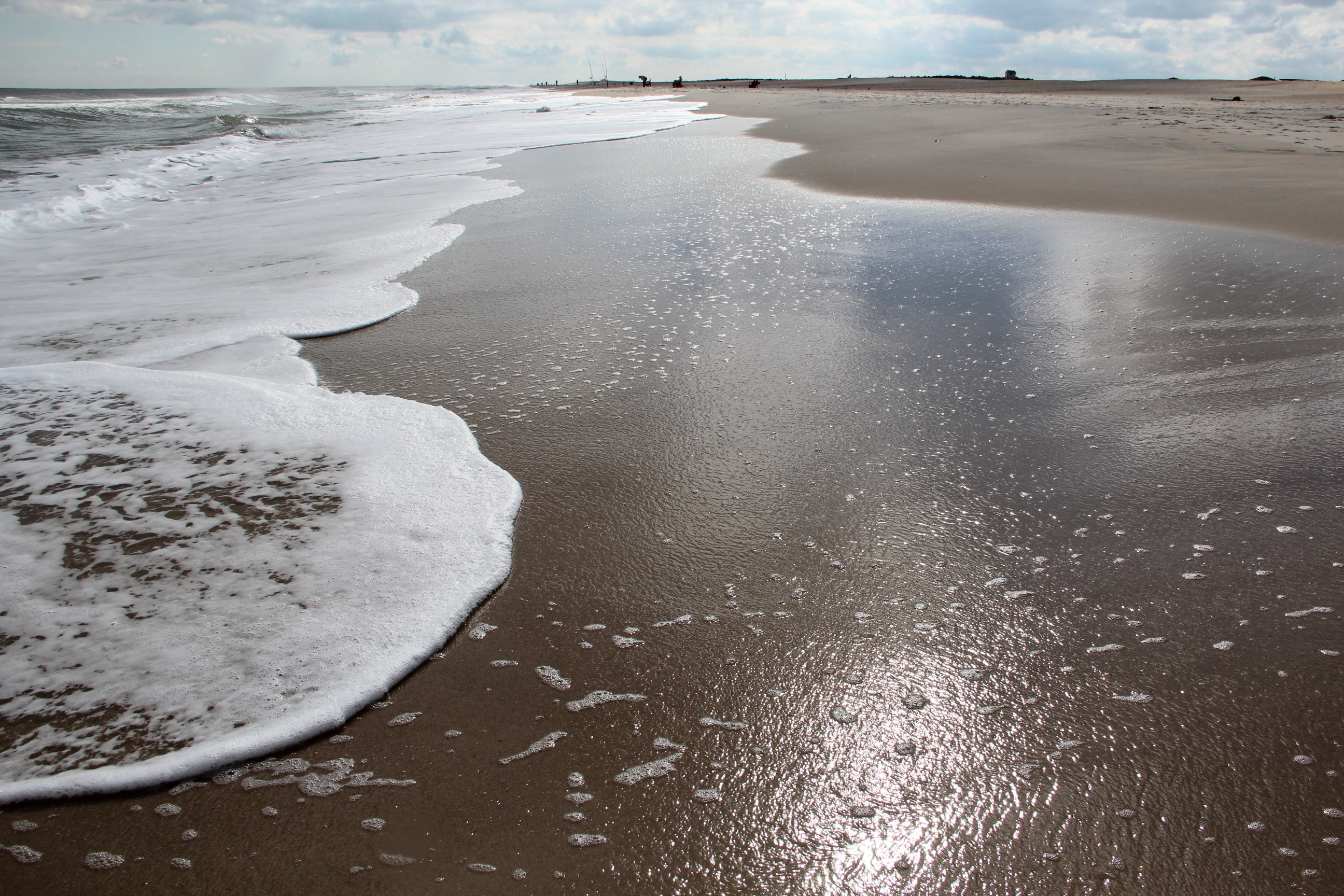
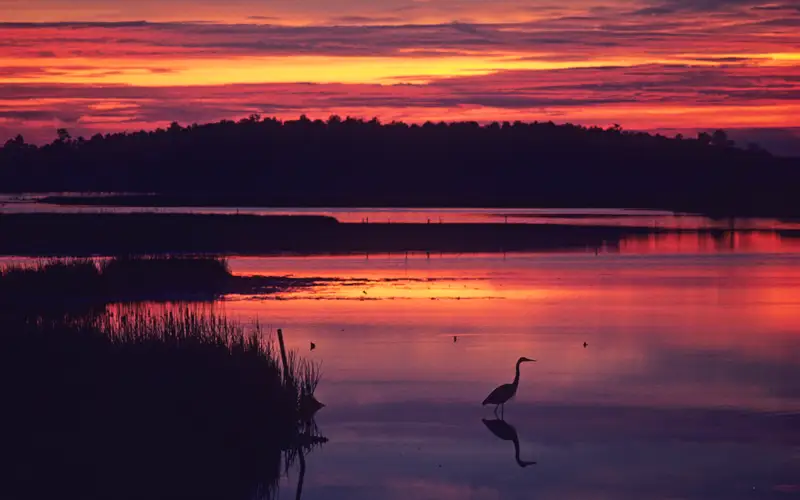
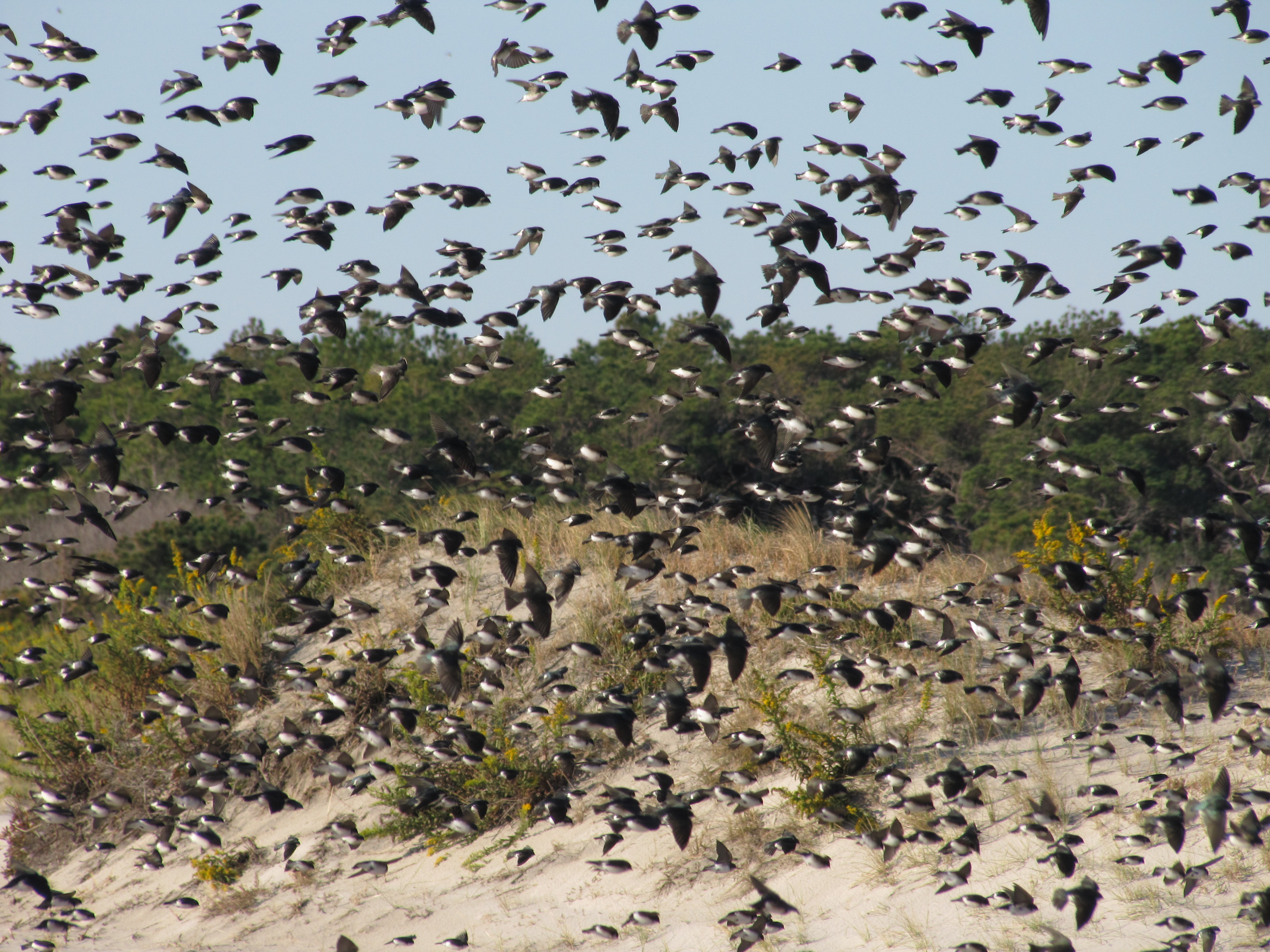
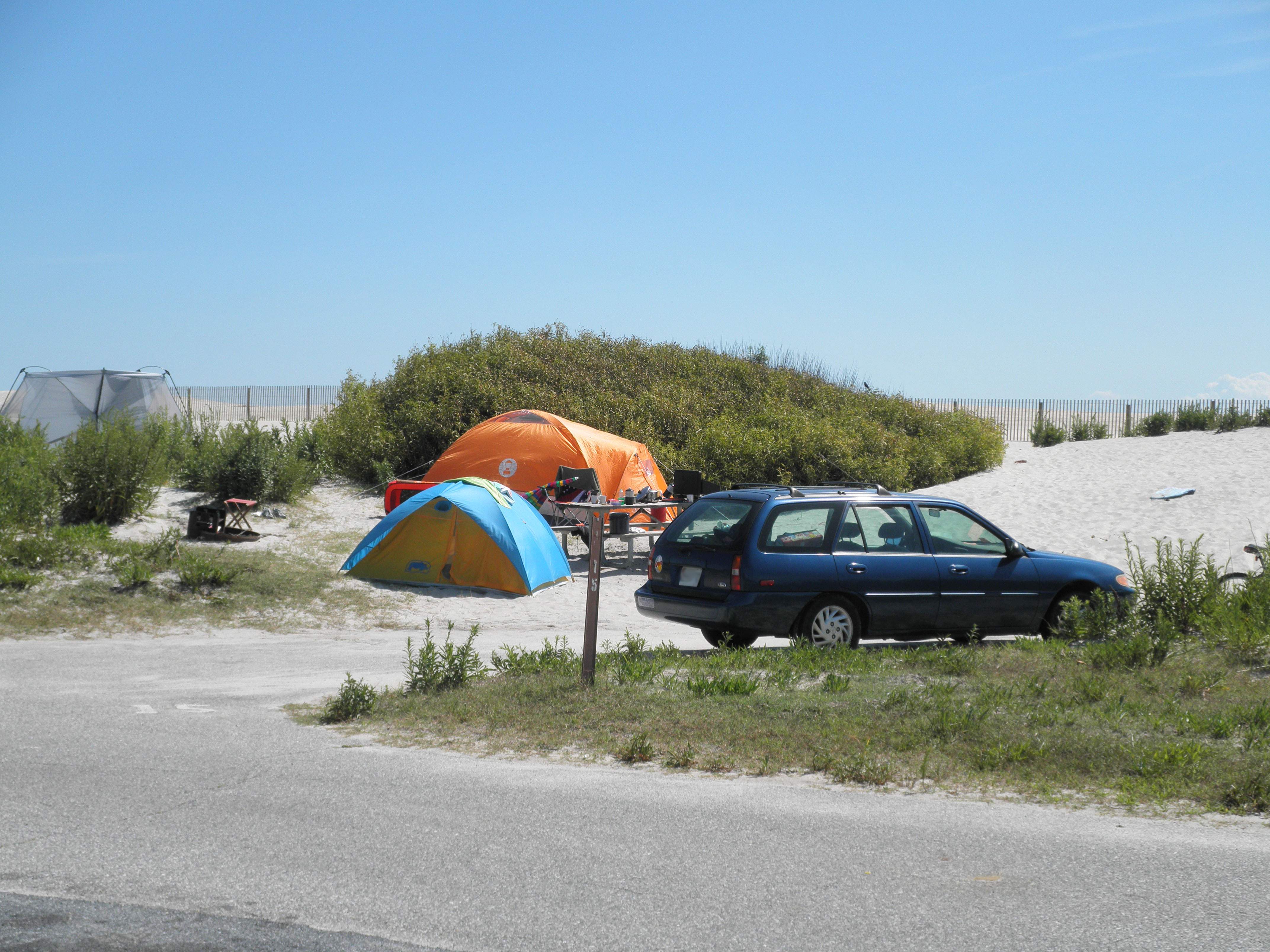
Assateague Island National Seashore offers a diverse experience. Its miles of Maryland seashore are readily accessible by vehicle or bicycle. Wild ponies graze near the dunes. The bayside provides calmer waters for kayaking or paddleboarding. Surf fishing is popular along the Atlantic shoreline. Salt marshes and coastal bays offer excellent year-round birdwatching. Camping options range from drive-in RV sites to backcountry locations accessible only on foot or by paddle. The island provides legitimate stargazing due to minimal light pollution. Off-road vehicle permits unlock miles of otherwise inaccessible beach, a significant distinction for this region. The Junior Ranger program engages younger visitors. Guided tours offer interpretive ecological insights. This unit strongly favors active engagement. Casual sightseers may find its scope too broad; its appeal lies in its range of specific, self-directed activities.
Who it suits
This park delivers for serious campers, anglers, paddlers, and off-road enthusiasts. Birders and those seeking ponies will find reliable rewards. Families and wildlife watchers have compelling options. However, visitors seeking a developed resort beach or quick scenic overlook will be disappointed. The flat barrier island landscape offers little for casual sightseers.
Timing your visit
Fall presents optimum conditions, with temperatures in the 60s and 70s, reduced crowds, and prime migratory bird viewing. Summer offers peak activity but also delivers heat, humidity, and insects, which detract from camping. Spring is a viable shoulder season. Winter provides stark solitude, cold, and wind. The ponies, however, are more readily visible against sparse vegetation in winter.
What stands out
- Wild ponies roaming freely across dunes and marshes with no barrier between you and them
- Off-road vehicle beach driving that opens remote stretches of Atlantic shoreline
- Backcountry kayak camping on the bayside for a true barrier island overnight
- Saltwater fishing along both ocean and bay sides of the island
- Dark-sky stargazing with minimal light pollution for an East Coast location
- Birdwatching across distinct habitats including salt marsh, maritime forest, and open beach
Good to know
Entry is free, and the park remains open 24 hours daily. The Maryland and Virginia sections feature distinct access points and management. Plan accordingly to align with your priorities. Off-road driving necessitates a permit. Biting insects, particularly greenhead flies and mosquitoes, are intense from June through August. Serious repellent is essential for any camping or marsh hiking during these months.
Insider tipFor summer camping, the bayside sites offer a distinct advantage. Kayak or canoe access to these sites provides a consistent bay breeze. This dramatically reduces insect presence compared to road-proximate front-country sites. This represents a meaningful quality-of-life upgrade for modest additional effort.